


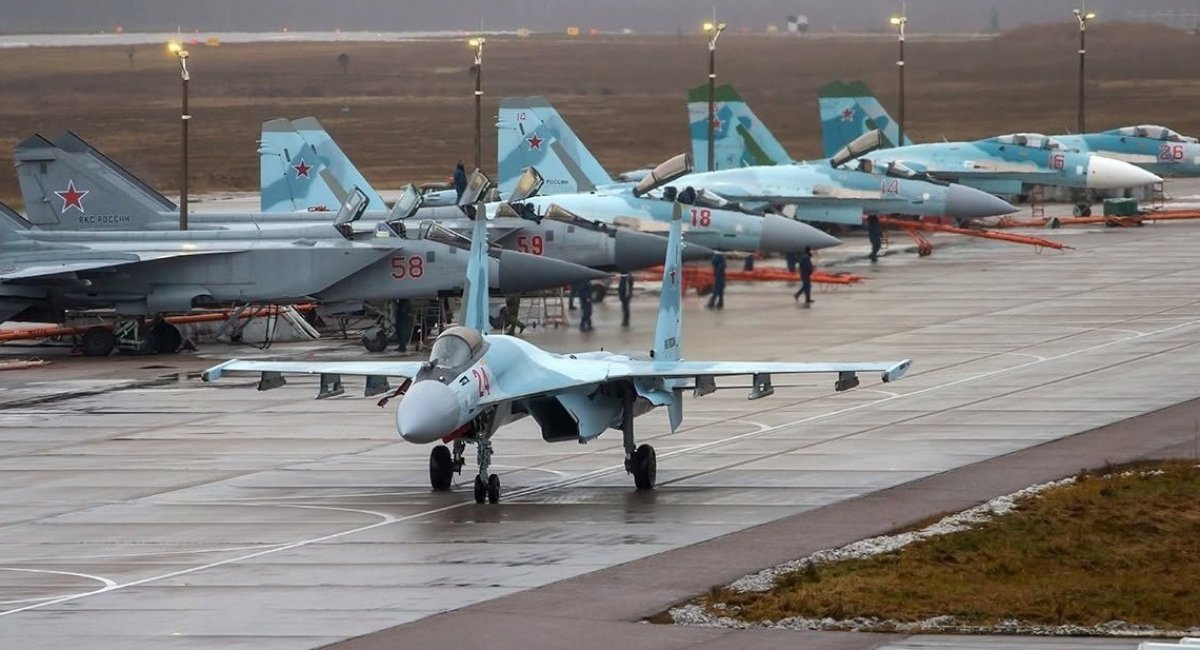
In innovative solutions competition for blocking military airfields Persistent Airfield Denial, jointly conducted by NATO Allied Command Transformation and Joint NATO-Ukraine Centre for Analysis, Training and Education, winners were determined from over 60 proposals.
Challenge task was seeking solution for prolonged restriction of adversary airfield infrastructure and aviation use. Its winners were three companies: Czech team LPP Holding, Polish Supercluster and unnamed Ukrainian company.
Read more: Sweden Orders HIMARS and Wants to Produce 500-km-Range PrSM Missiles
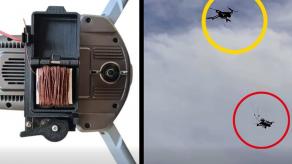
NATO official announcement states specifically these companies were selected from nine finalists, and their ideas' essence was disclosed. Specifically, LPP Holding proposed using autonomous unmanned strike system capable of operating under EW conditions and designed to engage airfield infrastructure.
Among LPP Holding public developments is MTS drone, for which full autonomy is declared. Visual navigation and AI algorithm-based target guidance use is envisioned. Drone characteristics are not fully announced. Only noted is it can carry warheads weighing up to 12 kg.
At same time worth understanding that development's main value is autonomization system, which can quite be transferred to other engagement assets. Also can immediately add that unnamed Ukrainian company placing third also demonstrated solution with autonomous target engagement system.
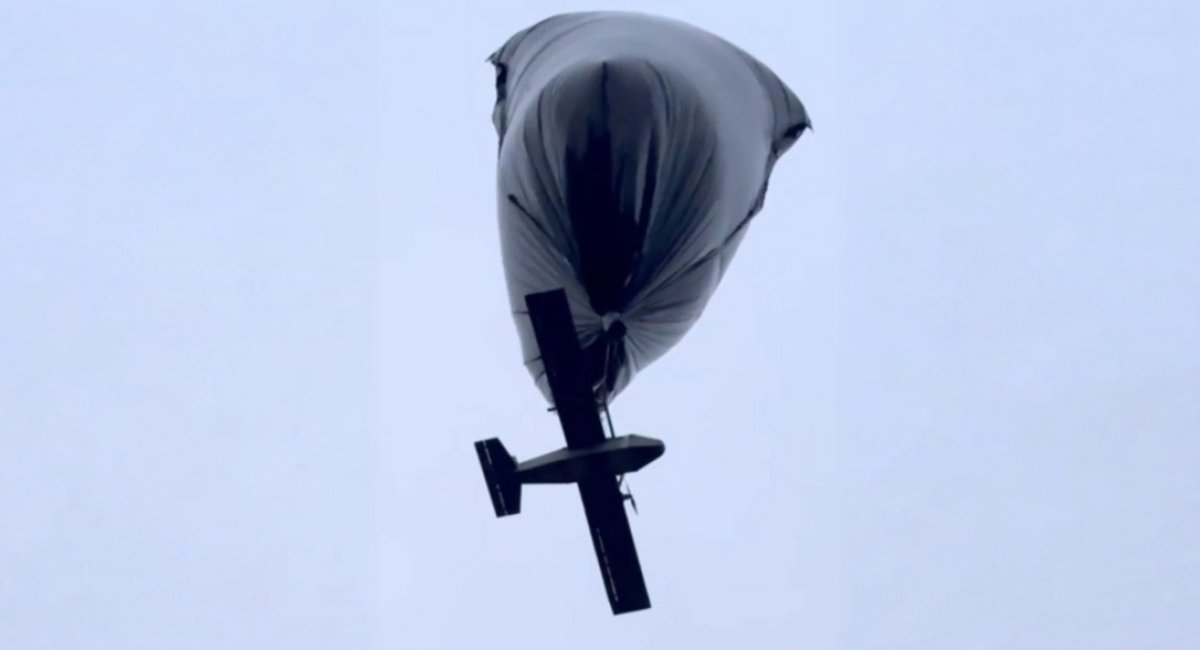
Polish Supercluster placing second proposed high-altitude balloons delivering autonomous gliding systems to target area. For Supercluster balloons are core direction, which company has been working on since founding in 2021. Developers note they can transform latex balloons with up to 10 kg payload into platforms capable of remaining airborne for a week.
Note Ukraine's Defense Forces already use balloons for increasing drone flight range. Ideas also exist for strike system using small DART missile. However main balloon use limitation is weather and wind directions, which may make permanent airfield blocking impossible.
Meaning overall in Persistent Airfield Denial competition among winners no magic button developer appeared, after pressing which enemy airfields are immediately blocked. Moreover, effectively all three companies arrived at single enemy airfield blocking concept — using autonomous strike systems.
Also worth adding proposed solutions are already technologically available, while their elements are already permanently used by Ukraine's Defense Forces in war against russia.
Read more: Poland's 120mm Rak Mortar Gets Longer Barrel, Auto-Loading, Remote Control in New MSSW-120 Turret, But Tracked Chassis Question Remains Unresolved After 5 Years