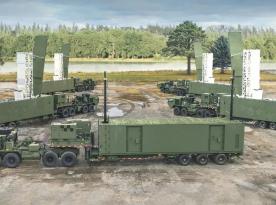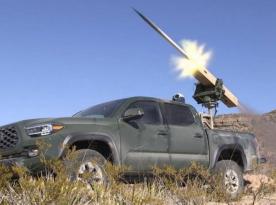
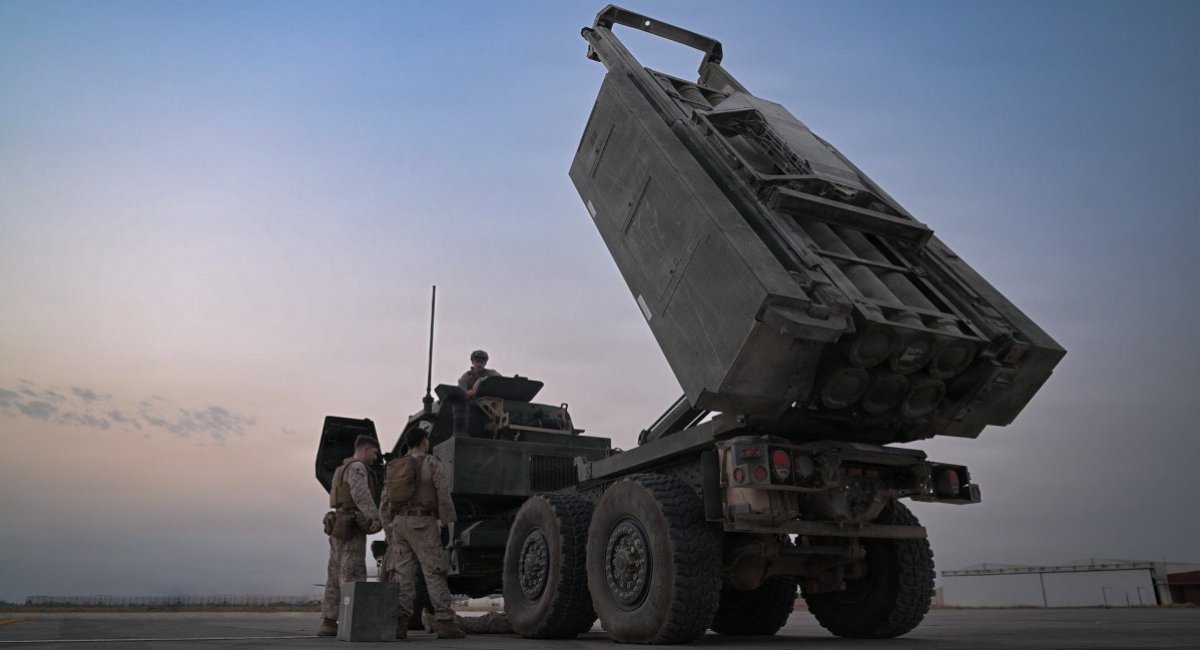
The Swedish Armed Forces will receive U.S.-made HIMARS long-range rocket artillery systems. Sweden will procure the systems in cooperation with Finland, as set out in a joint declaration signed by the countries’ defense ministers today, September 7.
Sweden plans to acquire around 10 HIMARS launchers for SEK 7 billion, or approximately $729 million. The first deliveries are expected in 2027.
Read more: U.S. Says No to 300-km-Range Missiles for HIMARS, So Croatia Turns to South Korea’s K239 Chunmoo
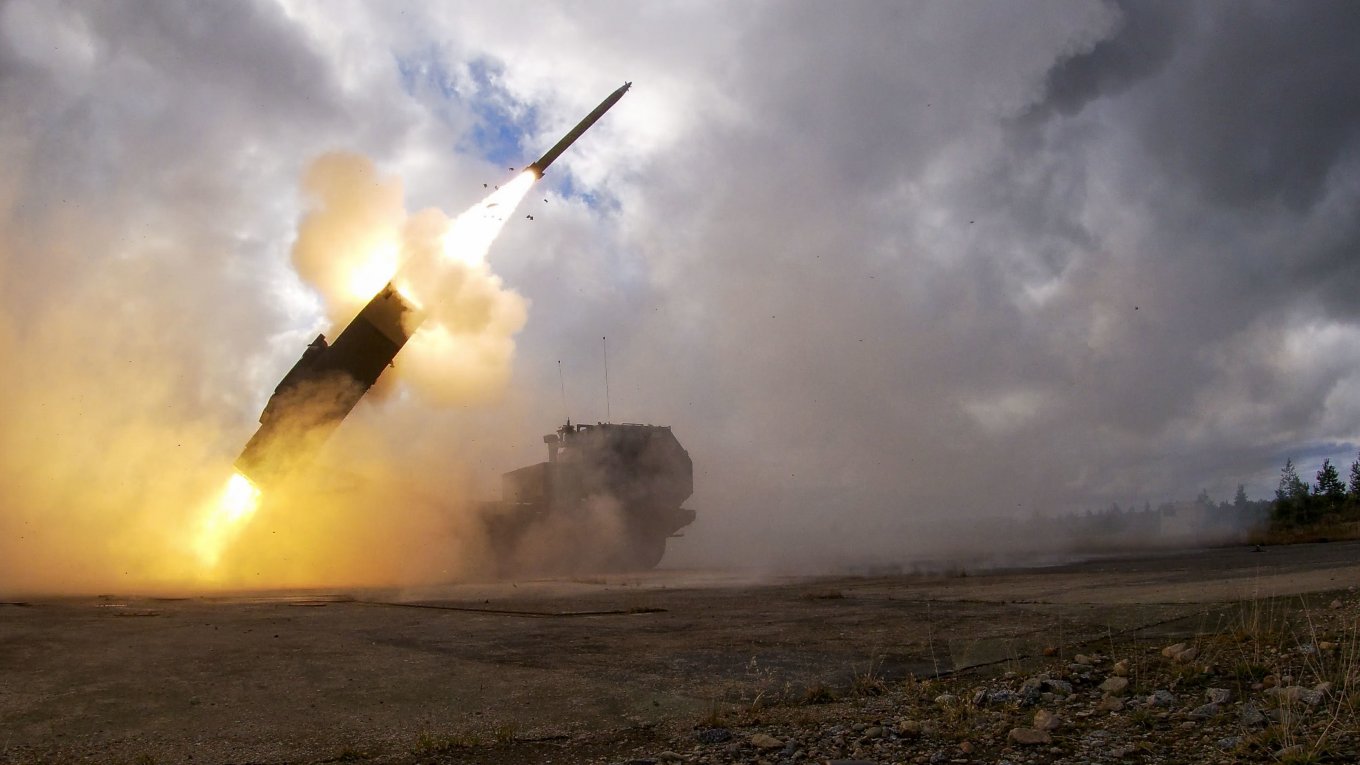
It is worth recalling that Finland already operates tracked M270 Multiple Launch Rocket Systems, which are being upgraded to integrate new long-range strike capabilities. The Finnish Armed Forces operate 41 of these systems.
In addition, Lockheed Martin and Saab have signed an agreement on cooperation in the development and potential integration of the Ground-Launched Small Diameter Bomb (GLSDB), whose combat use in Ukraine has revealed a number of shortcomings, as well as other HIMARS munitions. The cooperation also covers the production of other missiles, including interceptors for the Patriot air defense system. The Swedish government says the companies will explore potential GLSDB integration with HIMARS and the production of munitions for HIMARS and other systems, including Patriot.
The latter is hardly surprising, given that Lockheed Martin has introduced the new PAC-3 ACE interceptor, which is being developed with the prospect of production in cooperation with European partners. Unlike the PAC-3 MSE, however, PAC-3 ACE is designed as a lower-cost interceptor for a broader range of air and missile threats rather than as a dedicated hit-to-kill solution for ballistic targets.
Swedish broadcaster SVT, meanwhile, reports that one of the agreements between the two companies directly concerns the latest PrSM long-range missile, which has a range of at least 500 km. However, Defense Express notes that, at the time of publication, neither Lockheed Martin nor Saab had published an official statement confirming this. The Swedish Ministry of Defence’s announcement also contains no mention of PrSM.
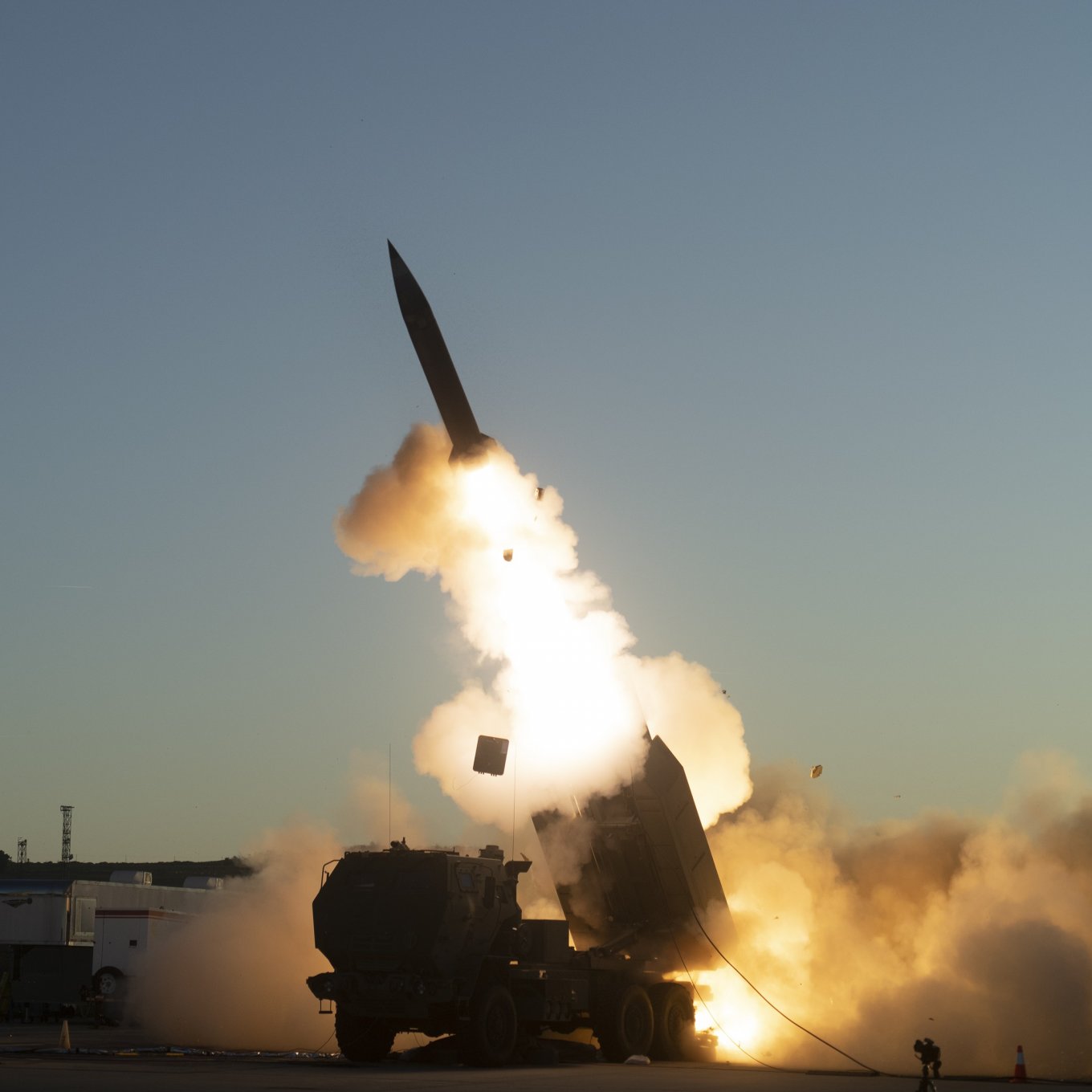
It should also be noted that GLSDB is the result of cooperation between Saab and Boeing. The weapon, designed to strike targets at ranges of up to 150 km, combines the solid-fuel rocket motor from the unguided M26 MLRS rocket with the precision-guided GBU-39/B Small Diameter Bomb. Lockheed Martin, meanwhile, currently produces GMLRS and Extended-Range GMLRS (ER GMLRS), with advertised ranges of approximately 80 km and 150–160 km, respectively.
If the United States is indeed prepared to localize PrSM production in Sweden, it would set a highly significant precedent. Until now, European countries could, at best, seek access to the older ATACMS, with a range of up to 300 km. Germany’s Rheinmetall, in particular, is expected to receive authorization to establish ATACMS production under a separate arrangement.
Moreover, the reported reluctance of the United States to sell these missiles, rather than just license their production, is said to have contributed to Croatia changing its priorities. Croatia now plans to acquire South Korea’s K239 Chunmoo instead of HIMARS.
Read more: France Enters Race Against Germany for Sweden's Sixth-Gen Fighter Partnership, Offering Safran Engines to Replace American Dependence, With Direct Impact on Ukraine's Future Fleet