


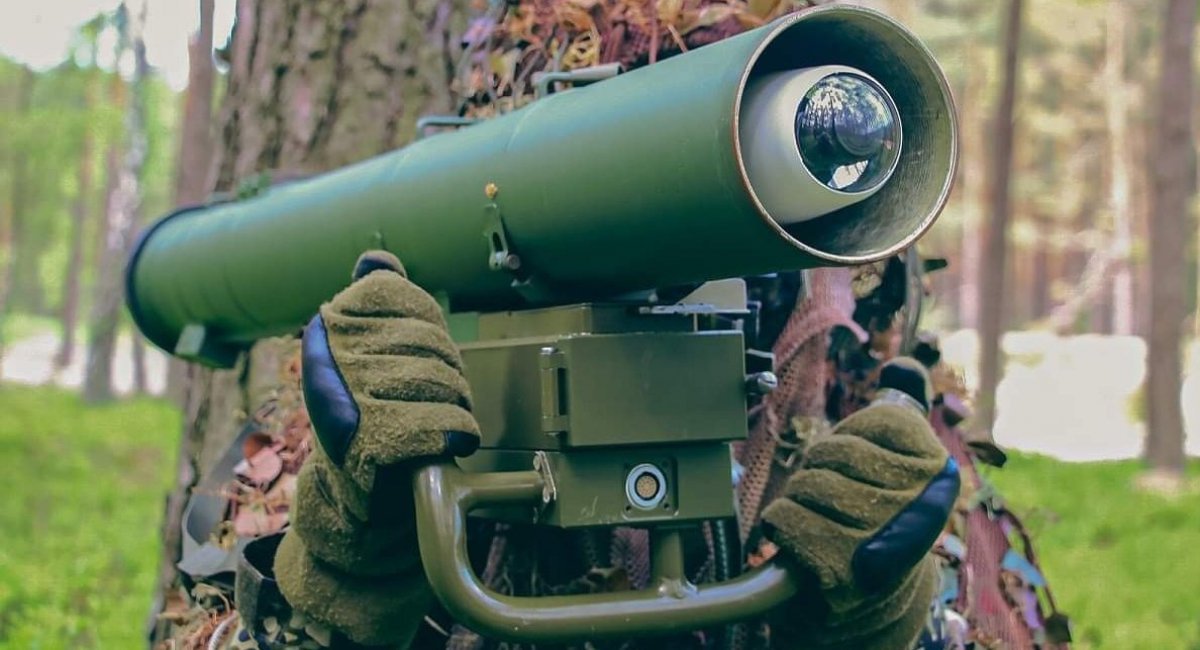
The situation seems to be unfolding in a way that the Ukrainian-Polish Pirat anti-tank guided missile (ATGM) program is likely to be terminated and left unfinished. Upon closer examination, such a decision appears both logical and somewhat expected.
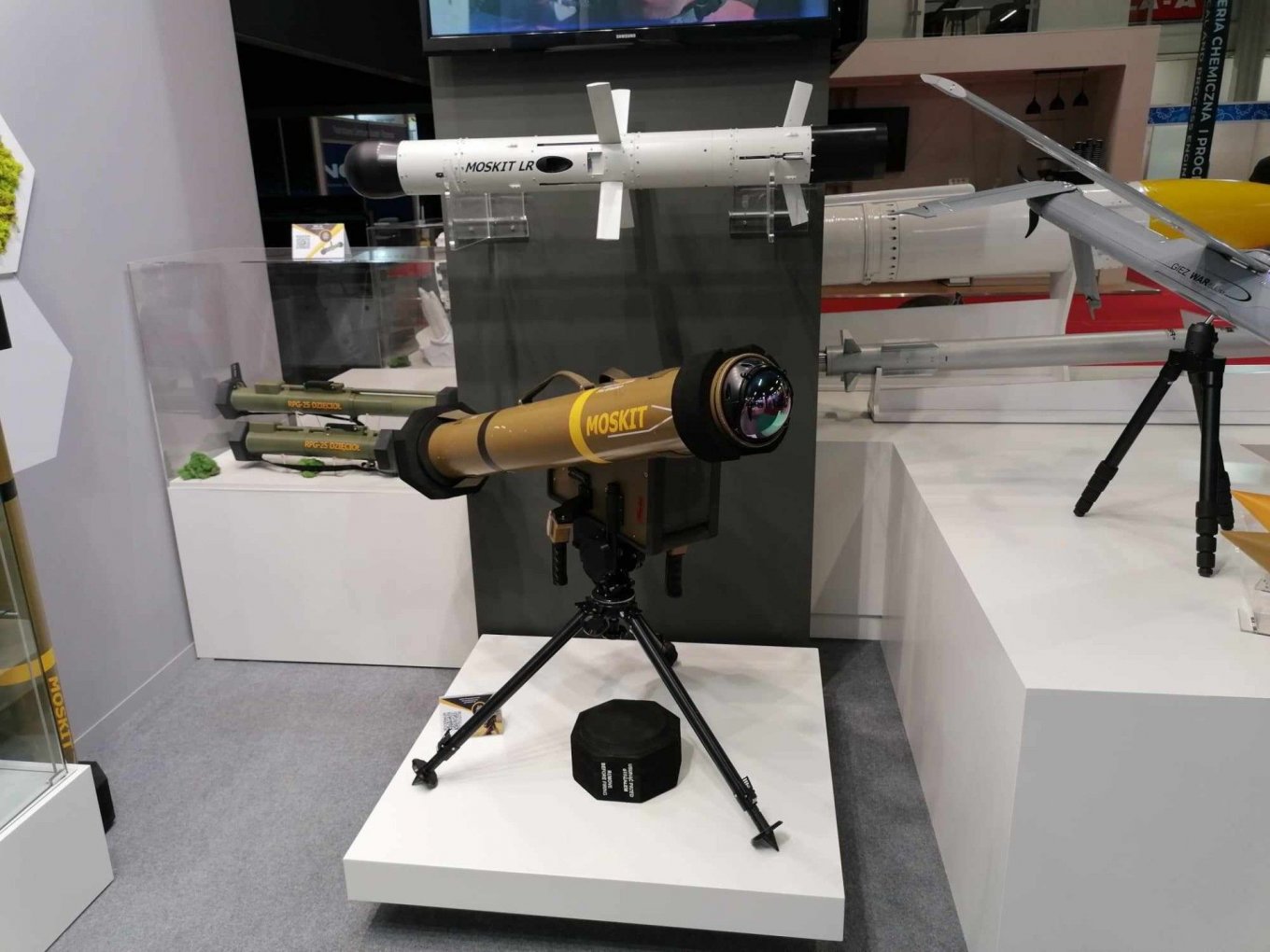
The lack of interest in the Pirat project is evidenced by the allocation of funding to alternative anti-tank missile systems, namely Moskit. While these missiles also remained in a "limbo" state for some time, they eventually received support.
Read more: After Years in Limbo, Poland Invests $33M in Homegrown Moskit ATGM to Replace Javelin, Spike
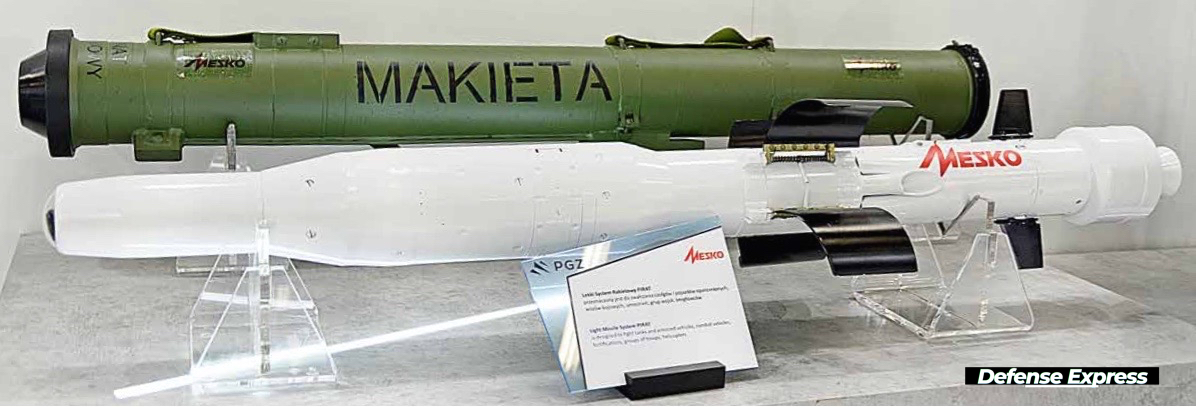
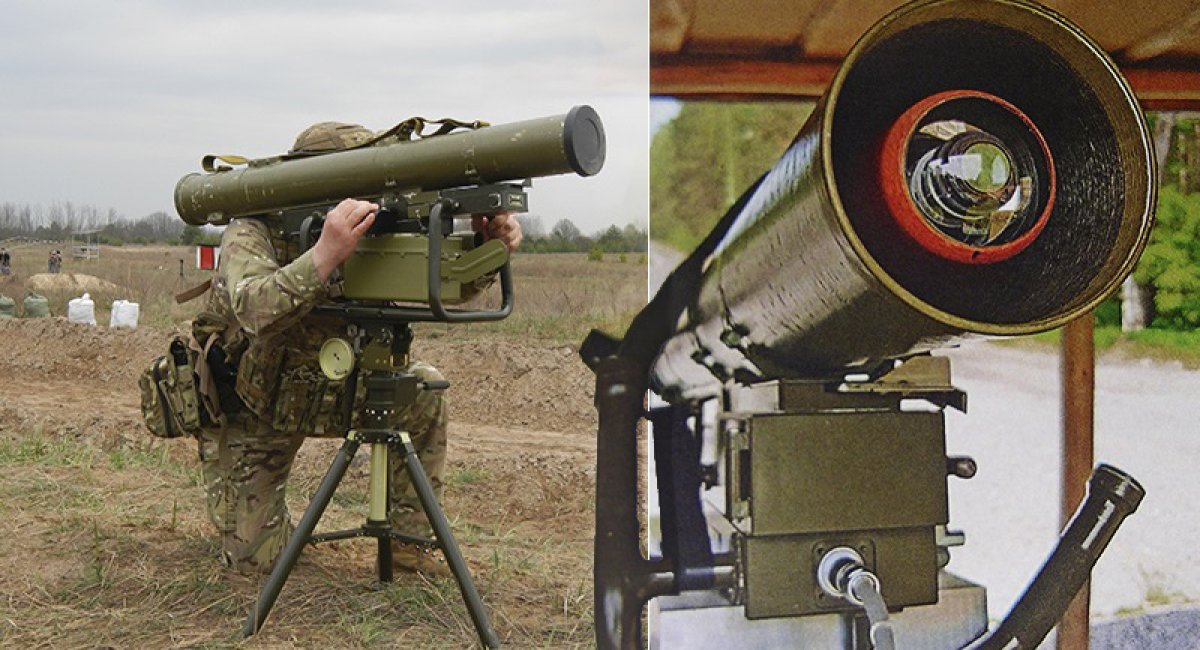
It should be noted that Pirat belongs to the second generation of ATGMs, as it uses semi-active laser guidance. The system was developed in cooperation with Ukraine's Luch Design Bureau, which has extensive experience in this field thanks to systems such as the Stugna-P (Skif), Barrier, and Korsar.
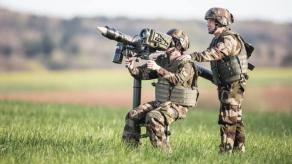
However, during the russo-Ukrainian war, such systems have faced a significant drawback: high vulnerability due to limited mobility and the requirement to maintain target illumination until the missile strikes. As a result, many anti-tank units have shifted to using strike drones.
In contrast, Poland's Moskit is designed as an alternative to Israeli Spike missiles, featuring a "fire-and-forget" capability and the ability to engage targets without direct line of sight. Although its current range does not exceed 4 km, work is underway on a version capable of reaching 10 km.
Some might argue that FPV drones have already filled this niche, but such drones generally do not carry a sufficiently large warhead. Therefore, ATGMs remain relevant for the "guaranteed" destruction of armored vehicles, albeit at a higher cost.
Pirat's main advantage was its lower price, which could have enabled widespread deployment across units. However, under current conditions, drones remain an even more cost-effective option, which the military will continue to adapt and refine.
It is therefore logical that the more advanced Moskit was chosen, offering broader capabilities, albeit at a higher cost. Some might suggest that Ukraine could take over the Pirat program, but this seems unnecessary given the existence of Stugna-P, Korsar, and Barrier systems,which have been in service with the Defense Forces for years and perform comparably to the joint Polish-Ukrainian development.
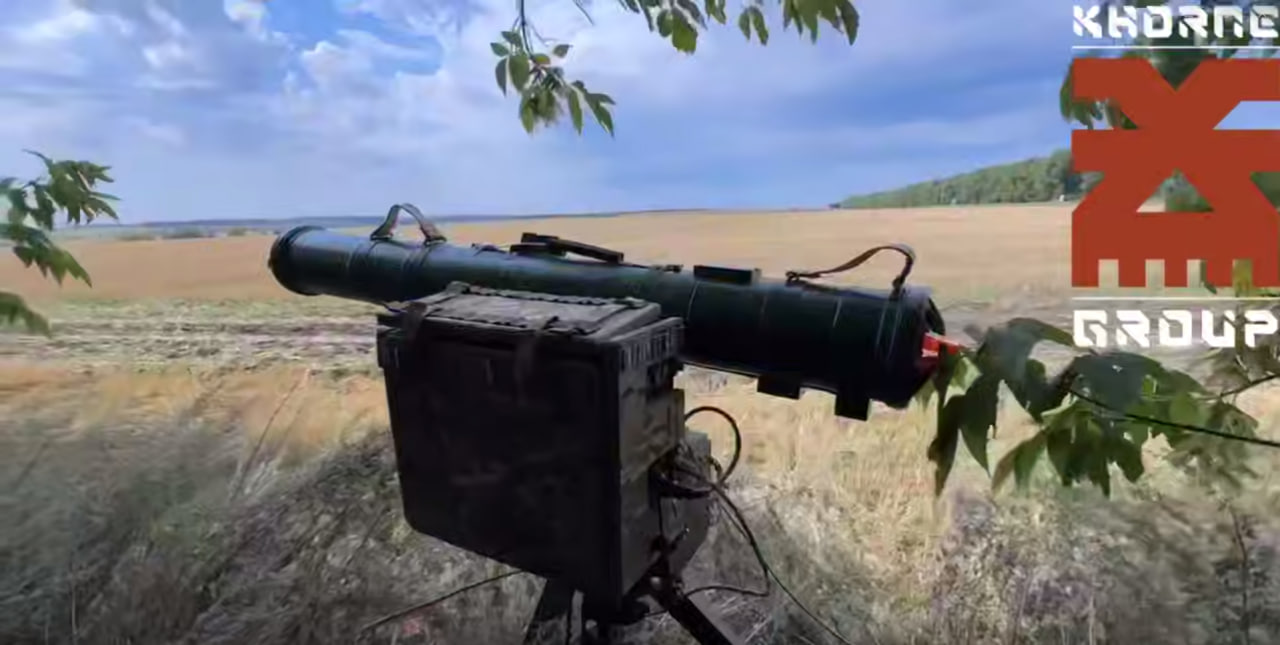
This case may indicate that second-generation ATGMs are at risk of losing their niche on both the battlefield and in export markets. Consequently, Ukrainian-made weapons in this class may also face challenges and lose market share.
It should be noted, however, that the situation could change if such systems were integrated into unmanned robotic platforms, which could compensate for their shortcomings and reduce risks to personnel. This remains an interesting prospect, but for now, such platforms are still under development and evolving.
Read more: Upgraded 4th-Gen Stugna-P ATGM Introduced into Ukrainian Forces