


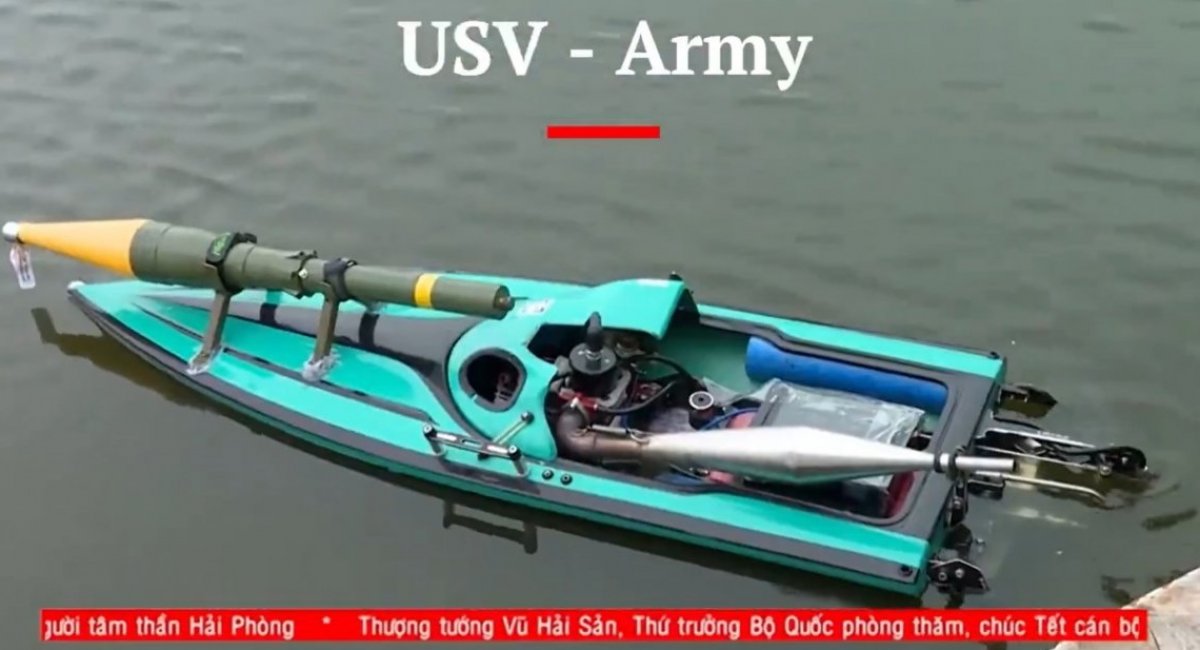
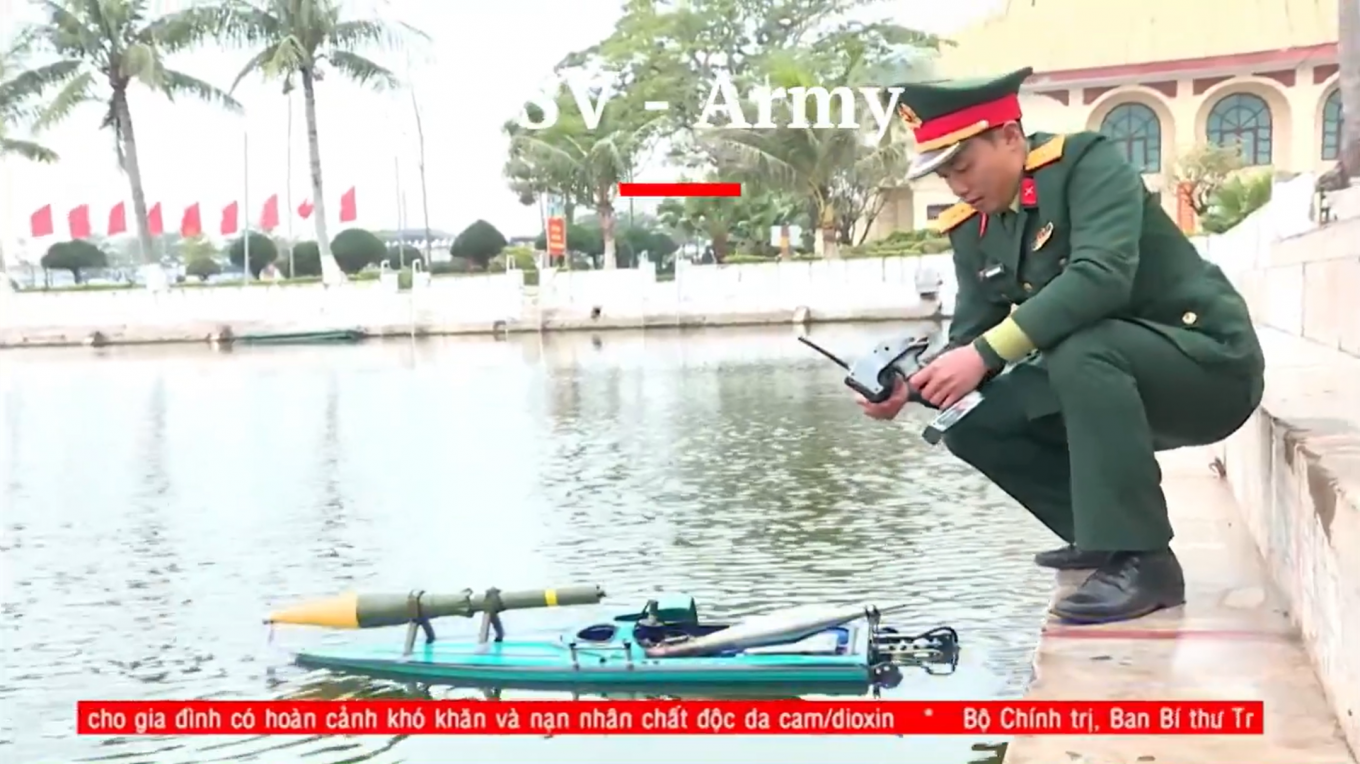
Vietnam has publicly unveiled its Water Spider micro unmanned surface vessel for the first time. The craft is built around a radio-controlled toy boat, likely fitted with a petrol internal combustion engine with a PG-7 cumulative warhead from an RPG-7 literally glued on top as the weapon payload.
At first glance, the Water Spider might seem like a reasonably interesting piece of kit given its presumably low cost, high speed, and small size, which would make it difficult to intercept. This makes it a fast hunter of small boats and other watercraft on rivers and lakes, and in swarm employment, that proposition looks genuinely threatening.
Read more: Ukraine's Black Sea Drone Expertise Goes to the Baltic: Stark Proposes Vanta USV to Counter russia's Shadow Fleet
The warhead, however, raises questions. In its current configuration, the PG-7 cumulative round would simply punch a hole above the waterline, causing limited damage. The picture changes if the Water Spider is employed against larger unmanned surface vessels or small boats, in that case, the PG-7 may well be sufficient to destroy the hull, and against a kamikaze USV it could potentially trigger the target's own warhead. The Water Spider could therefore theoretically serve as an interceptor of enemy USVs and small craft.
The control system is another concern. Based on the published footage, the vehicle appears to have no onboard camera and is operated using the same remote controller that came with the original toy boat, meaning control is likely limited to line-of-sight range at short distances and only in the absence of electronic warfare systems.
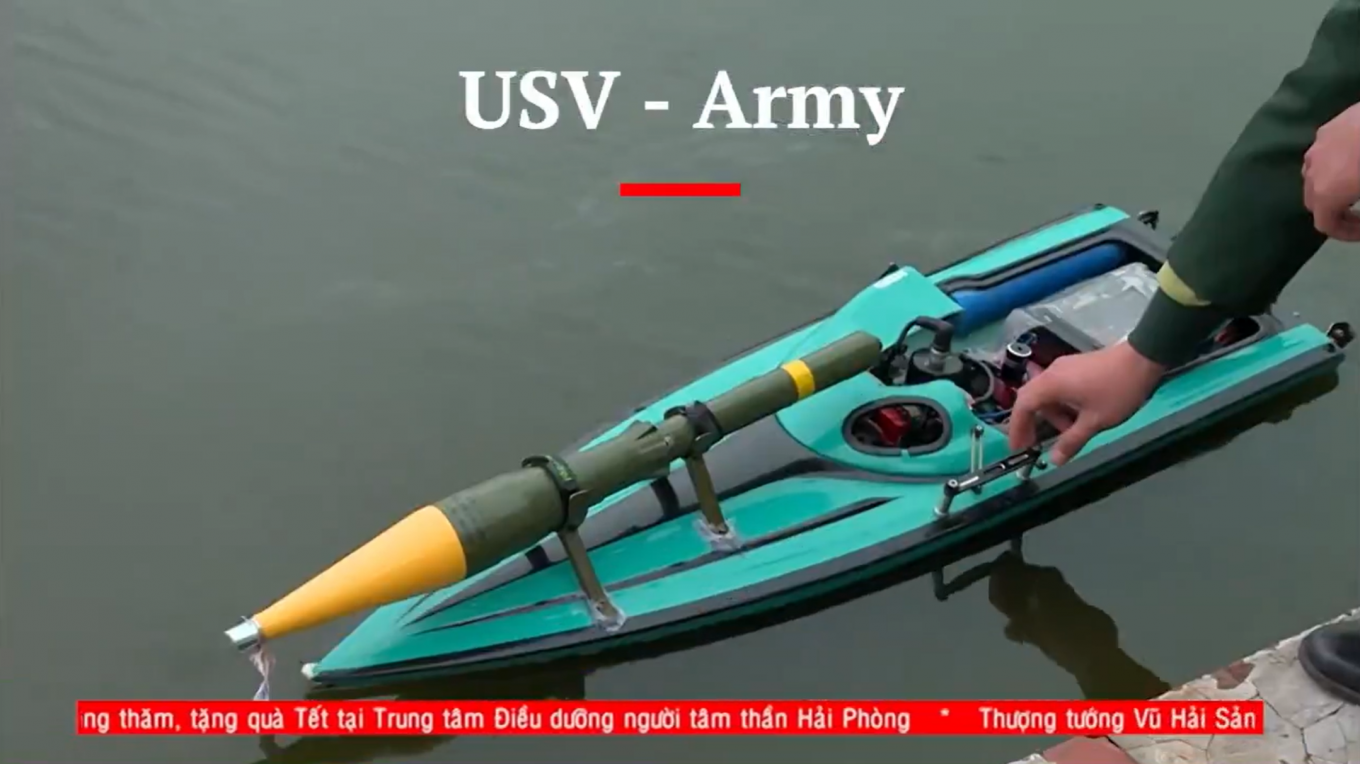
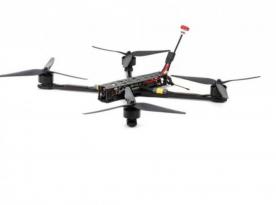
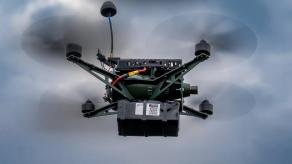
This raises a fundamental question about the Water Spider's practical rationale. For roughly the same cost, or marginally more, one could obtain an FPV drone capable of carrying the same PG-7 cumulative warhead, while flying faster and operating over greater distances.
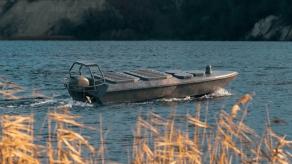
It should be noted that alongside improvised and questionable solutions like the Water Spider, Vietnam is also developing, and has already fielded, full-scale unmanned surface vessels more comparable in concept and size to Ukrainian USVs.
On the subject of unusual Vietnamese military developments, it is also worth recalling that Vietnam recently decided not to fix what was not broken, and simply copied the 75-year-old PT-76 to produce its own new light amphibious tank, the T-1.
Read more: Ukrainian UB82D Drones with a 25-km Range Give 82-mm Mortar Rounds a New Lease on Life