


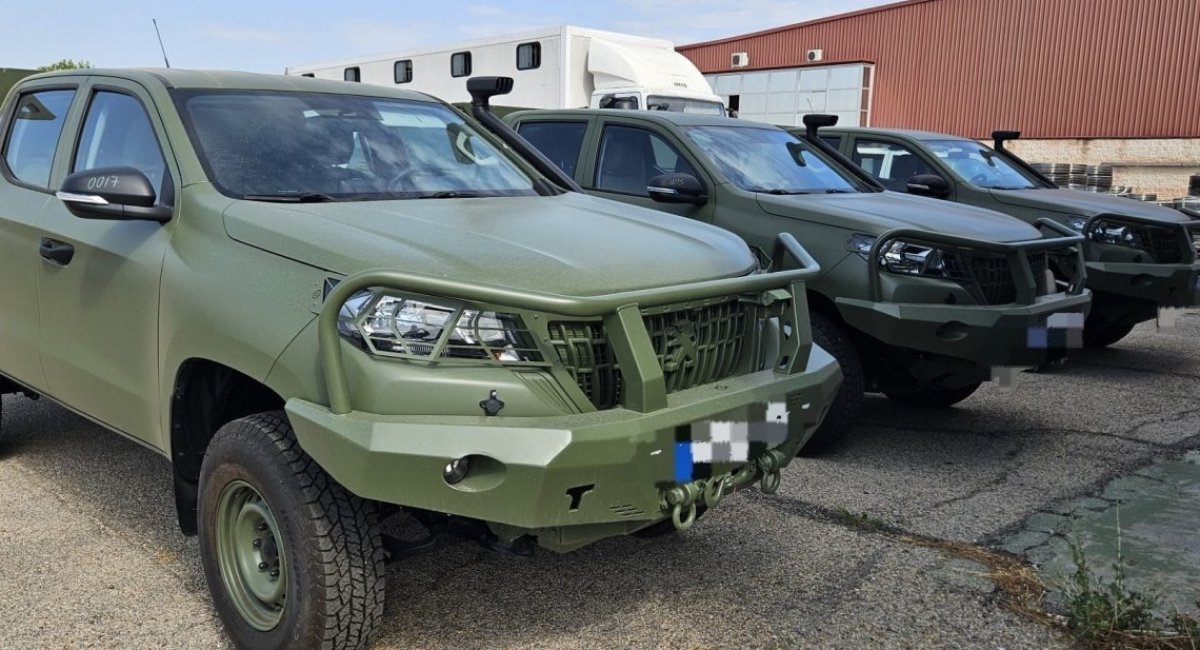
Company Itturi, specializing in vehicle production for both civilian and military needs, works on implementing a contract for supplying Spanish forces with VMTT (Vehículo Militar Todoterreno Táctico) Landtrek tactical military vehicles, which entered serial production phase the agreement was signed in 2024 and approximately 600 vehicles have been manufactured to date.
Meanwhile, as Infodefensa reports, Itturi actively works on expanding production and prepared its manufacturing facilities at three locations to reach production rates up to 1,000 Landtrek vehicles annually. Worth noting: the agreement is overall calculated for six years, during which up to 4,500 vehicles should be delivered. Considering already-produced equipment and planned production rate growth, it's quite likely all vehicles may be delivered ahead of schedule.
Read more: UK to Build Nightfall Ballistic Missiles With 200 kg Warhead for Ukraine, Capable of Striking russian Targets as Far as Moscow
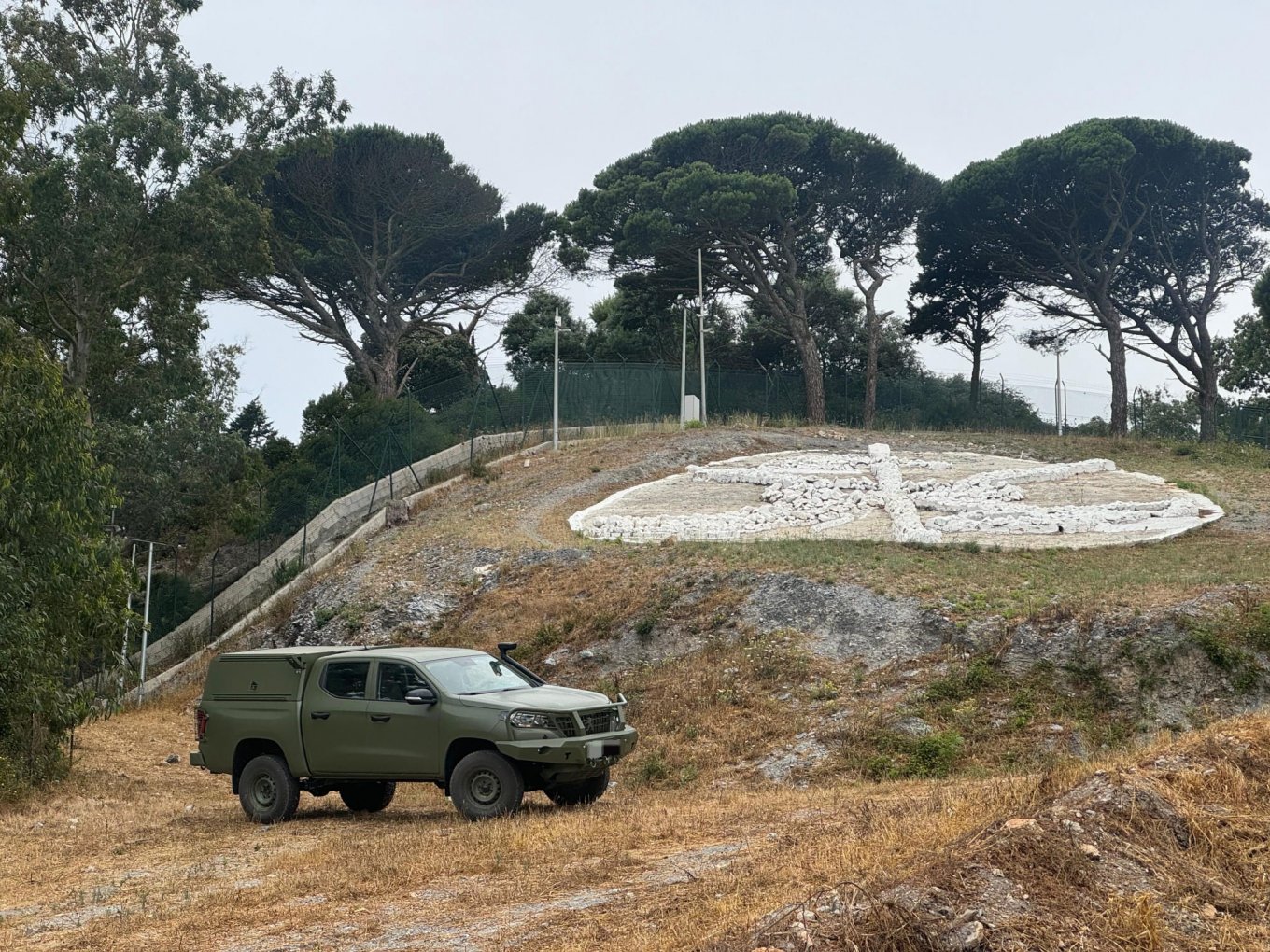
Besides Landtrek vehicle production, the framework agreement also includes equipment technical maintenance including spare parts supply considering probable 20-year service life.
VMTT vehicles are created based on civilian Peugeot Landtrek pickup, which in turn is a joint development of French Peugeot and Chinese Changan. In Itturi's variant, the pickup received serious modification with reinforced suspension and structural elements for guaranteed 1-ton payload capacity, new headlights, winch, air intake, Run-Flat tires, etc.
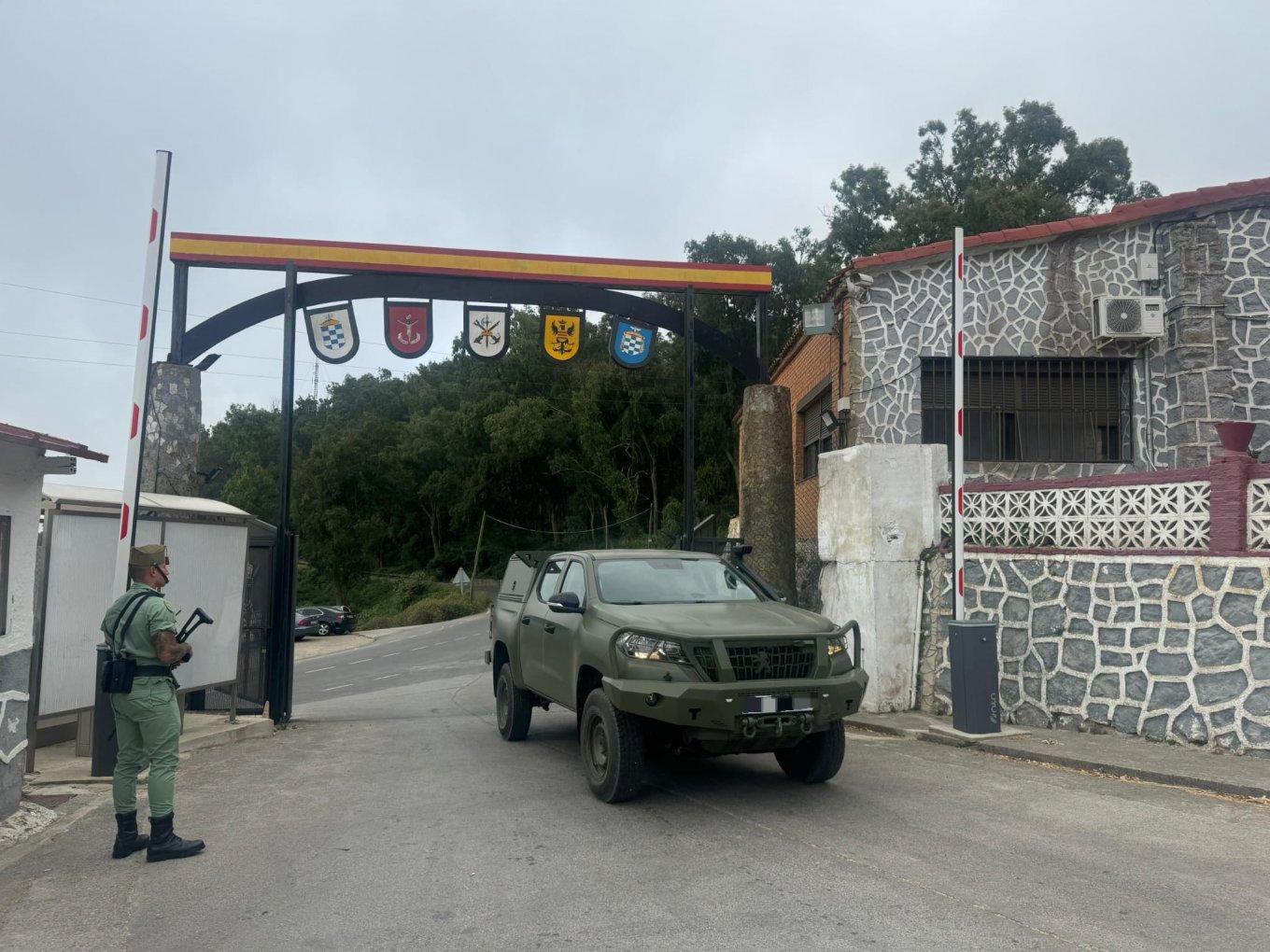
In Spanish forces, VMTT Landtrek will replace Santana Aníbal vehicles, which have quite a disastrous history this machine was initially created for civilian market as a way to save the company's financial condition, but sales were minimal.
Eventually, Spanish Army decided to purchase 750 such vehicles to replace outdated Nissan and Land Rover. And although first vehicles were supposedly reliable, then continuous problems began, primarily related to poor quality control.
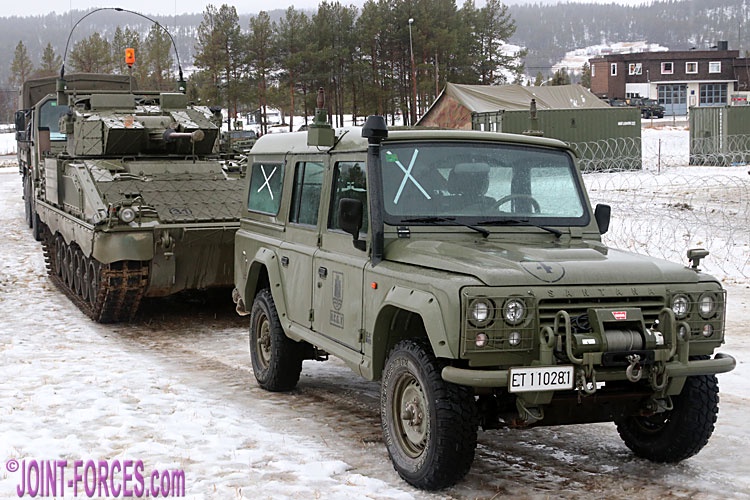
For example, in 2008 it was discovered that among all vehicles deployed in Afghanistan and Lebanon, 86% were non-operational. Eventually, in 2011 the vehicle manufacturer company was dissolved.
Read more: russia Copies iranian Karrar Drone as Geran-5, Plans to Arm It With Air-to-Air Missiles