


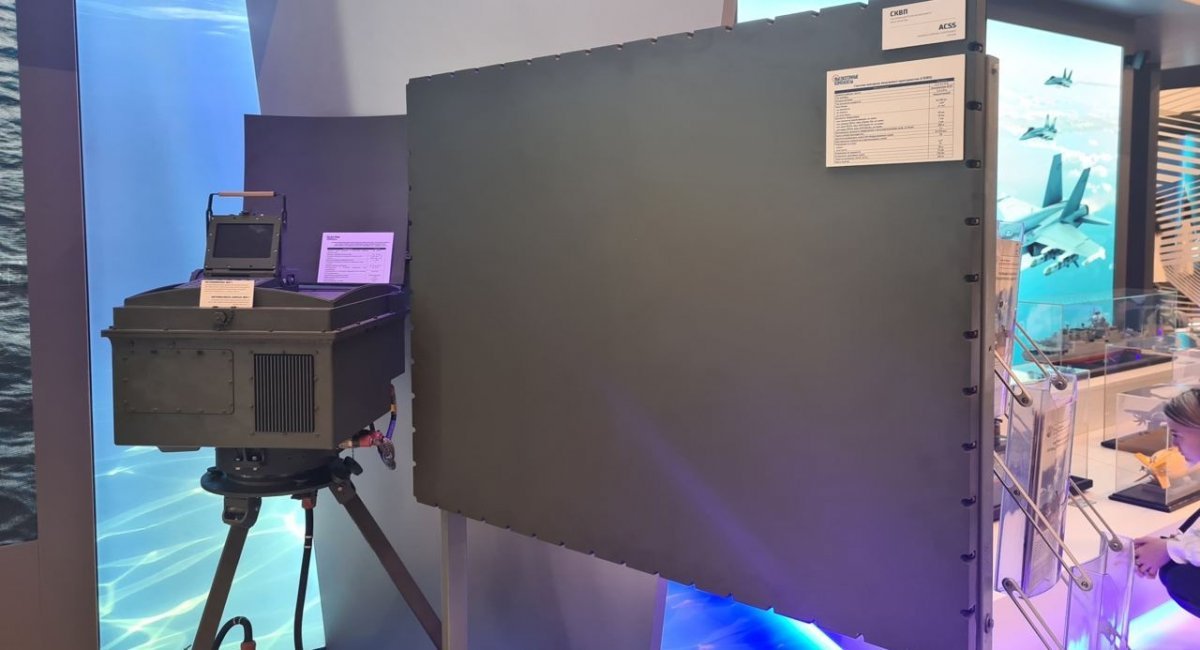
Since spring–summer 2024 Moscow has rolled out a large-scale, integrated counter-UAS architecture that echoes Ukrainian measures introduced earlier that year. The Kremlin took roughly a year to field its version, but with vastly greater resources it deployed the system at much larger scale.
The linchpin of this architecture is not loitering anti-drone UAVs, as some expect, but counter-drone radar stations. You cannot shoot what you cannot see.
Read more: russia Delivered Faulty Resistor-E Radar Complex to India's Aircraft Carrier
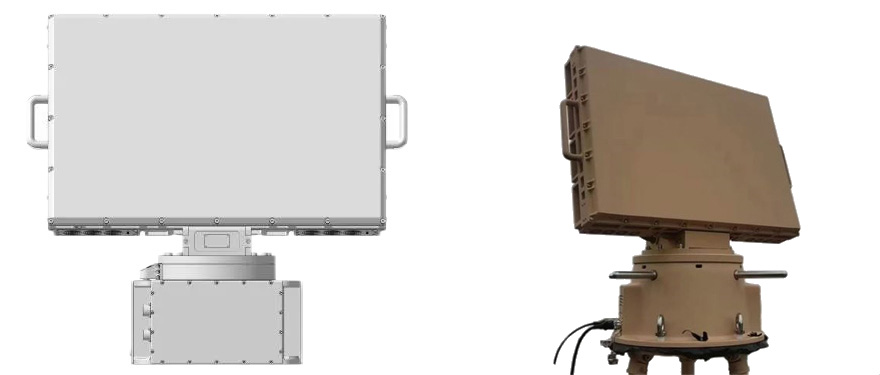
Contrary to the impression that China-made radars (FSTH-LD02, FSTH-LD03) fill the gap, roughly 90% of the russian counter-UAS detection network appears built around a domestically produced radar known as SKVP (Airspace Control System).
Specialist Serhiy "Flesh" Beskrestnov explained the scale of the threat in an interview with Defense Express: unless Ukraine changes course, the enemy could systematically eliminate Ukrainian reconnaissance UAS. That would strip the Armed Forces of a crucial portion of battlefield intelligence on enemy movements even in the near rear, including force concentrations preparing to break through defensive lines, and would make accurate long-range strikes effectively impossible. Precision weapons such as HIMARS only work when supplied with up-to-date target coordinates of matching accuracy.
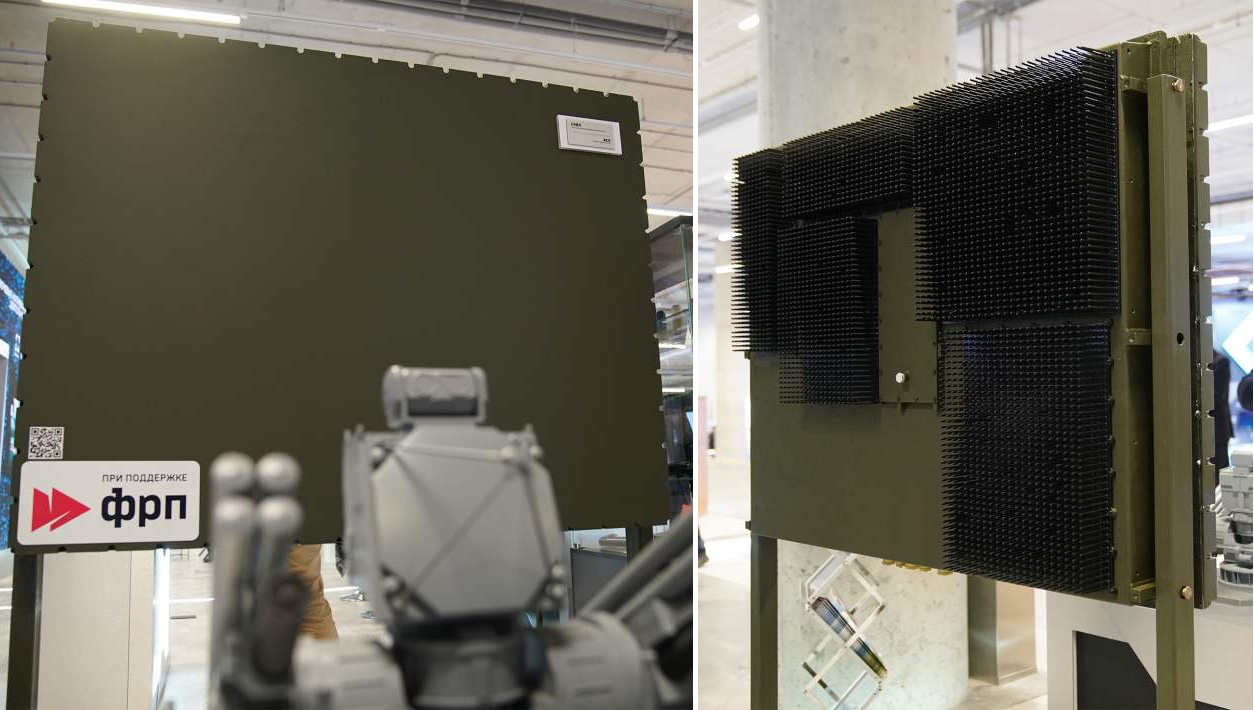
Technically, the SKVP radar (manufactured by Vysokotchnye Kompleksy) employs a fixed phased-array panel about 1.2 × 1 m in size, with ~90° sector coverage, and operates in the S-band (commonly observed around 2700–3100 MHz). SKVP units are emplaced no closer than 5–7 km from the frontline, typically sited in small groves or depressions rather than on towers or rooftops.
An SKVP can detect UAS out to roughly 20 km; operators then cue short-range anti-drone systems positioned 2–5 km from the radar. Other russian counter-UAS radars in use include Raduga and Repeynik.
Finding these radars is hard. Ground ELINT teams struggle because russians hide SKVPs in low ground and folds of terrain. Signals-intelligence satellites that pick up emissions can narrow a search area, but visual confirmation still requires drones. SKVP is small, flat, and has no moving parts, easy to conceal, and it emits little heat, so thermal searches are of limited value.
That leaves indirect indicators as the primary practical detection method: power infrastructure (SKVP requires about 1 kW), vehicle and personnel activity, service visits, camouflage inconsistencies, and similar signatures.
Developing drones with passive radar-seeker heads (analogous to AGM-88 HARM or Israel's Harpy/Harop loitering munitions) remains largely conceptual. Experts are skeptical both about cost and effectiveness: those systems were designed to attack large surveillance radars, not compact counter-drone sensors, and operational success has mainly been reported in simple, open terrain.
For these reasons, locating and destroying enemy counter-drone radars must be a top priority. There is no single silver bullet — the challenge is technically and operationally complex — but the stakes are high: without effective counters to SKVP and similar systems, Ukraine's reconnaissance edge and the precision strike capabilities that depend on it will be severely degraded.
Read more: russian Iskander Missile Loader and Garmon Radar Destroyed in Joint SOF–Partisan Operation