


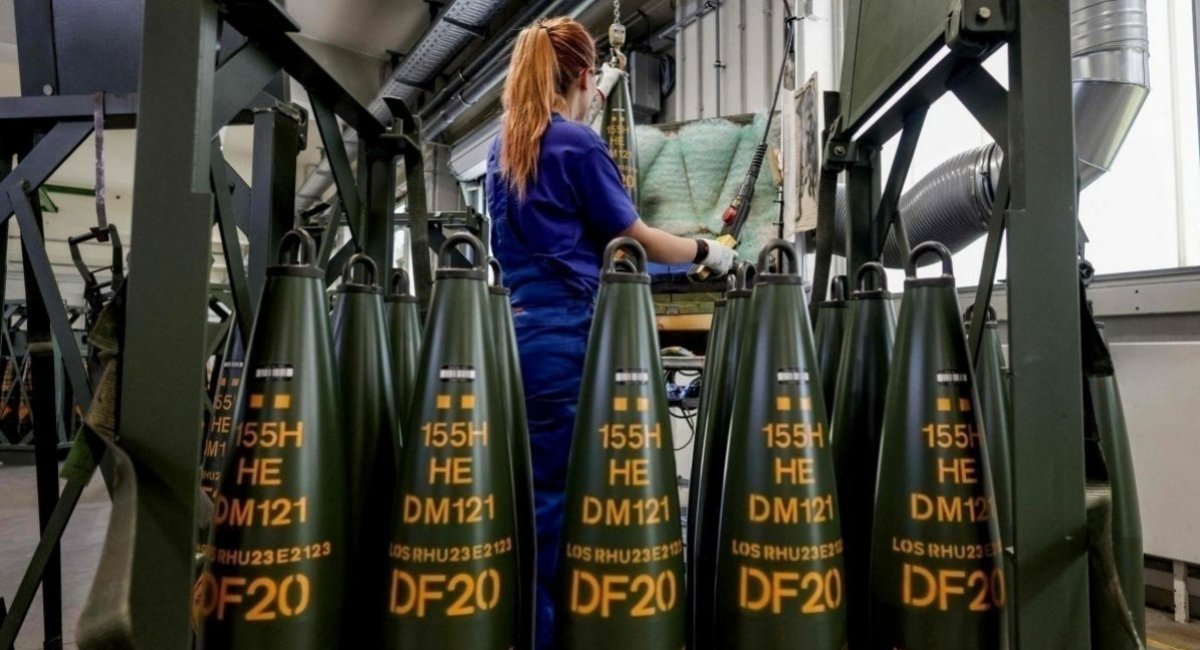
Germany's defense giant Rheinmetall announced back in July 2024 that it had received a contract from the Ukrainian government to begin building an artillery ammunition plant in Ukraine, with production expected to start within 24 months, or by the summer of 2026. However, despite the ambitious timeline, construction of the facility has yet to begin.
By August 2025, Rheinmetall publicly cited Ukrainian bureaucracy as a key reason for the lack of progress. Several months later, in November, the company adjusted its explanation, stating that the Ukrainian side had decided to change the planned location of the plant. Rheinmetall expressed confidence at the time that once the site issue was resolved, construction and commissioning could proceed rapidly, with the factory becoming operational within 12 months.
Read more: France Snubs Homegrown Renault Trucks, Orders 7,000 German Mercedes After Watching Ukraine Tests
As of mid-August 2026, the situation remains unresolved. In an interview with Ukrinform, Rheinmetall CEO Armin Papperger confirmed that the site for the plant has now been identified, but emphasized that organizational and regulatory issues still need to be clarified. He added that Rheinmetall stands ready to begin construction "as soon as possible".
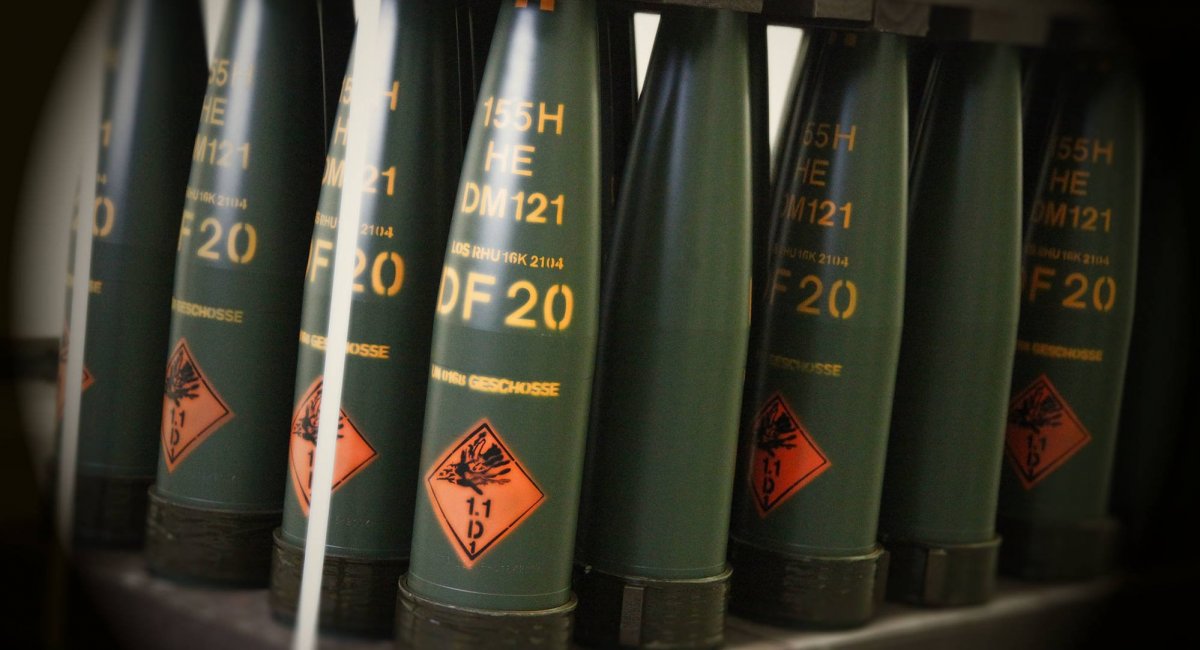
In practice, Rheinmetall has demonstrated its ability to establish ammunition production facilities quickly. The company completed a new ammunition plant in Unterlüß, Germany, near Hanover, in approximately 15 months, and achieved a similar timeline when building a 30-mm ammunition factory in Hungary, also completed in around a year and a half.
In contrast, more than 2.5 years have passed since the contract with Ukraine was signed, yet no tangible progress has been made on the ground. Even if construction were to begin immediately and the revised 12-month timeline were met, the Ukrainian plant would realistically only enter production sometime in 2027.
This delay also means that Rheinmetall's ammunition plant in Lithuania, where construction began in November 2024, is likely to become operational earlier than the Ukrainian facility. According to current plans, the Lithuanian plant is expected to start production by summer 2026.
Overall, Rheinmetall's experience with the Ukrainian ammunition project can hardly be described as positive. This is particularly notable given that the German defense group has announced plans for four separate facilities in Ukraine. At present, only one is operational, a plant focused on the repair and future production of armored vehicles, including Lynx infantry fighting vehicle, highlighting the gap between strategic intentions and practical implementation.
Read more: IFVs Evolve Toward Tank-Like Specifications with Larger Calibers: Global Trend or Niche Requirement?