


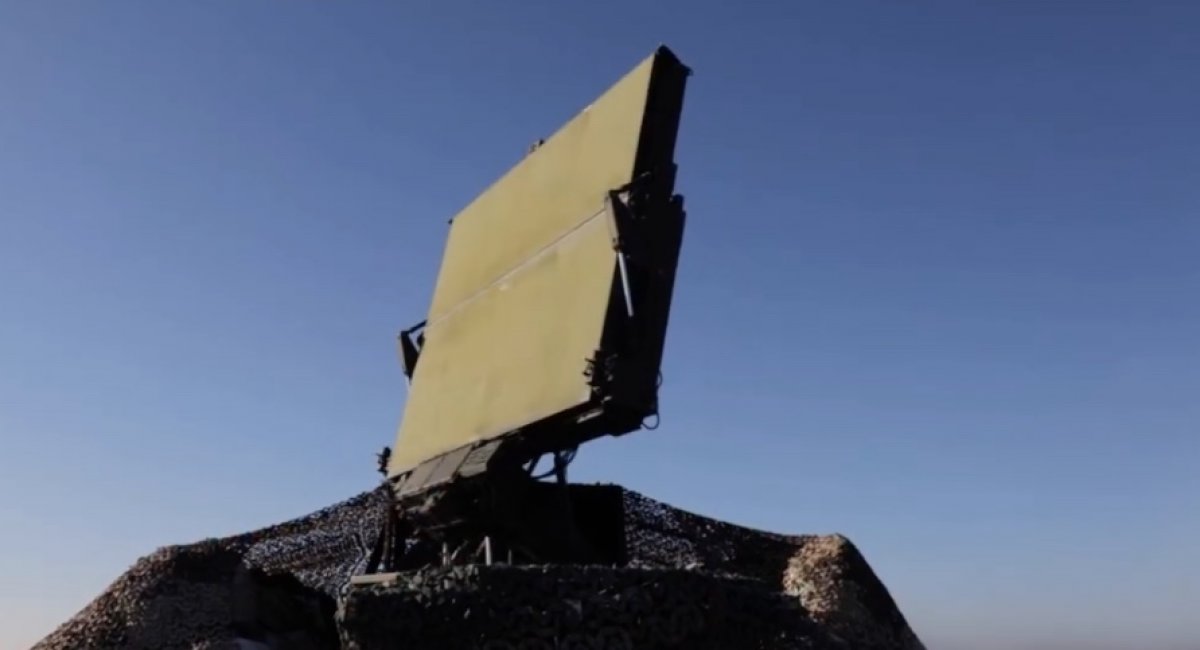
Ukraine's Pelican radar can detect and track aerial targets at distances of up to 400 kilometers, ranging from Shahed-type attack drones to cruise and ballistic missiles. A radar operator recently detailed the system's operation in footage released by Ukraine's Western Air Command.
According to the operator, the radar crew begins its work after receiving an assignment from a command post. The main task is to detect an aerial target as quickly as possible within the station's area of responsibility and transmit the collected information to other elements of Ukraine's air defense network.
Read more: Ukraine's Defense Intelligence Strikes russian Drone Launch Sites, Control Systems, and Nebo-U and Niobiy systems
Pelican system is capable of detecting and tracking different types of aerial threats, including Shahed-type attack UAVs, cruise missiles and ballistic missiles. This allows the radar to contribute to the detection of threats with very different flight characteristics and trajectories.
The operator emphasized that the speed of detection is particularly important during russian air attacks. The earlier a target is identified, the more time Ukrainian air defense units and combat aviation have to assess the threat, prepare for an engagement and attempt to intercept it.
The radar also performs an important role in monitoring Ukrainian aircraft. According to the operator, tracking friendly aviation is another key responsibility of the system, helping maintain awareness of the position and movement of Ukrainian aircraft within the broader air picture.
The ability to detect targets at long distances provides additional time for Ukraine's air defense network to respond to incoming threats. This can be particularly important against fast-moving missiles, where even a relatively small increase in warning time can improve the ability of defensive units to prepare for interception.
Read more: Ukrainian AS-90 Commander Shows How Britain's 155 mm Self-Propelled Gun Works (Video)