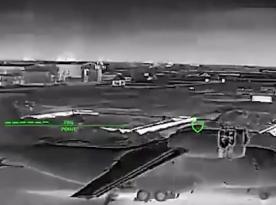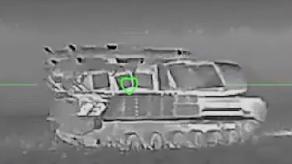



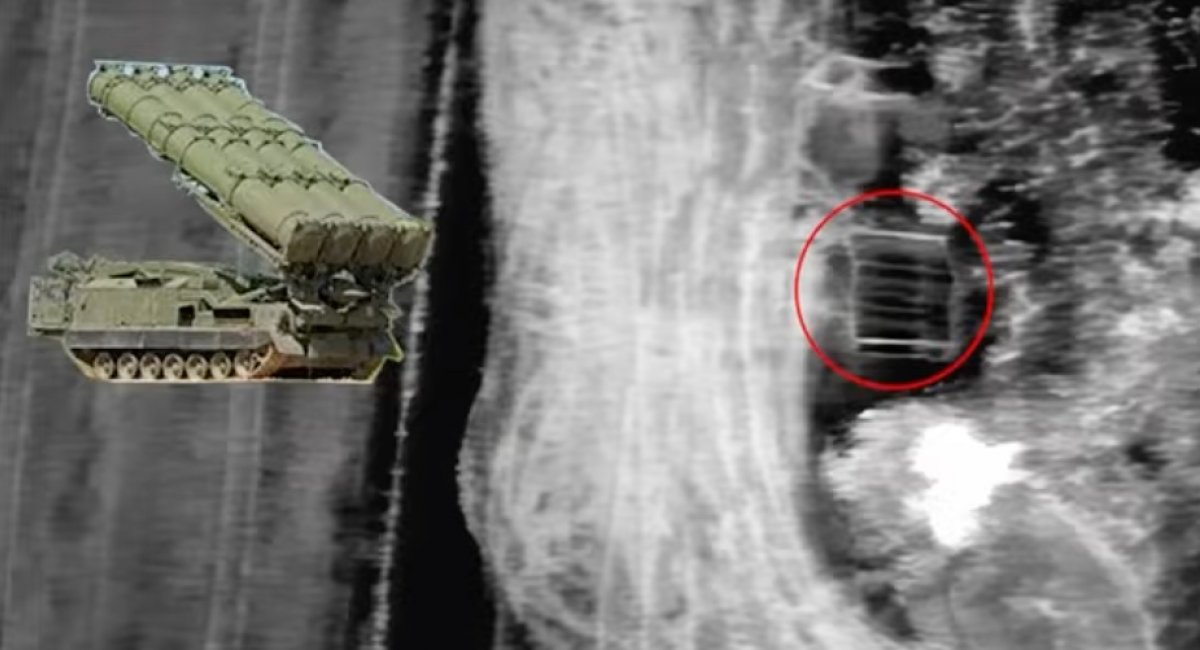
russian S-300 surface-to-air missile system has been struck by a fixed-wing unmanned aerial vehicle operated by the Kryla Kabana drone unit of Ukraine's 17th Special Purpose Center. The successful engagement underscores Ukraine's continued focus on dismantling russian air defense assets through small unmanned aviation.
According to a representative of the unit in an exclusive comment to ArmyInform, targeting enemy air defense systems remains a priority mission. By destroying or suppressing surface-to-air missile systems, small UAV formations aim to clear the sky for larger aircraft, reducing risks for manned aviation and enabling broader operational freedom.
Read more: Ukrainian SOF Knock Out russian S-400 Launcher, 92N6E Radar and Pantsir-S1 System (Video)
The unit reportedly operates a bomber-type fixed-wing drone capable of conducting strike missions against high-value targets, including air defense platforms. Such aircraft-type UAVs combine range and payload capacity, allowing them to deliver precision munitions against radar-guided systems positioned behind the immediate front line.
Previously released footage documented strikes not only against the S-300 system but also against the Osa short-range air defense system and the Chernyi Glaz electronic warfare platform. In one case, the Osa system was reportedly deployed to protect the area around the Avdiivka Coke and Chemical Plant, highlighting how russian forces use layered air defense to shield critical infrastructure and command nodes.
The suppression of air defenses through drones reflects an evolving operational concept. Rather than relying exclusively on expensive missiles or crewed aircraft, Ukrainian units are employing relatively low-cost unmanned platforms to degrade sophisticated systems that protect command posts, logistics bases, and ammunition depots.
A key enabler of these operations is intelligence sharing through so-called horizontal connections. Drone pilots receive targeting data from reconnaissance aircraft and aerial photography teams operating at longer ranges, creating a collaborative strike network that increases accuracy and responsiveness.
Read more: russian BM-21 Grad System, Assault Troops and Armored Vehicles Struck by Ukraine's Phoenix Pilots (Video)