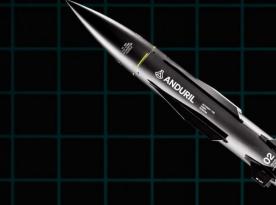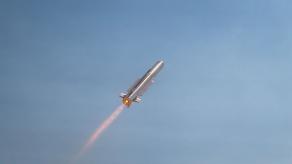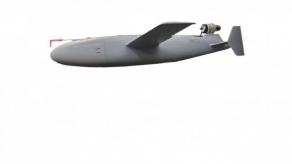



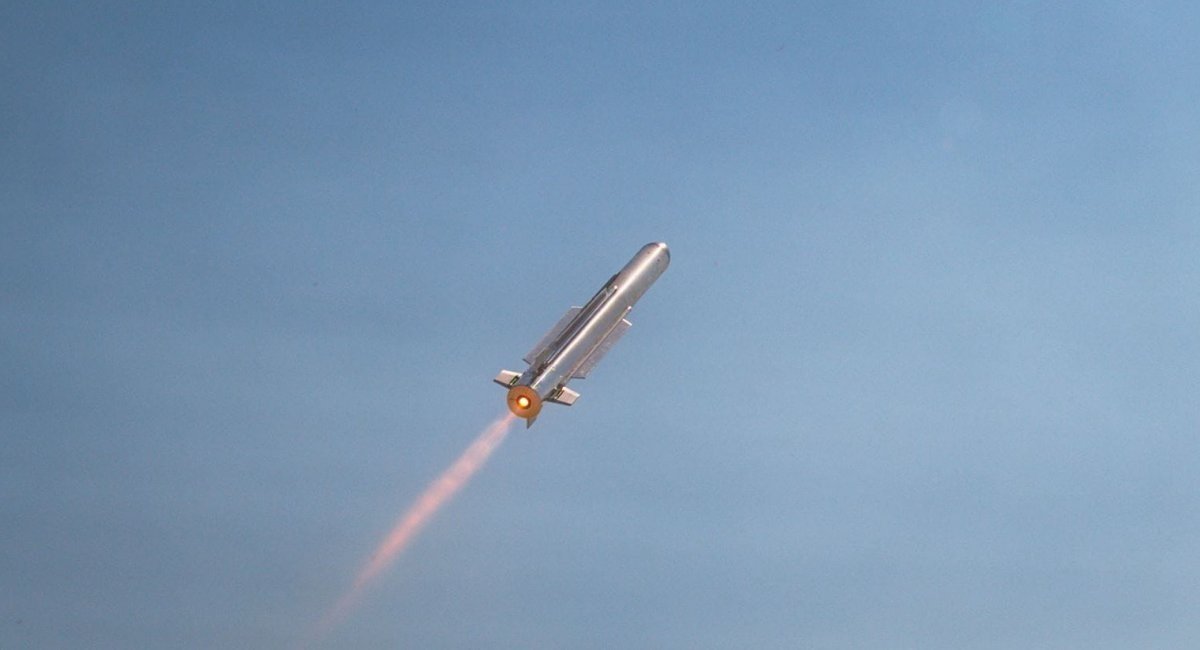
The American company RTX (Raytheon) has unveiled a new version of its Coyote anti-aircraft drone, designated Block 2C+RM. In this variant, the drone has effectively been transformed into a classic anti-aircraft missile.
According to the company's announcement, the new variant of the UAV is equipped with a solid rocket motor instead of a turbojet. In addition, the company states that it is using a new seeker and warhead.
Read more: New SSU Video Supports Theory That russia Took 51P6A Launchers from Kapustin Yar to Strike Ukraine with RM-48U Missiles
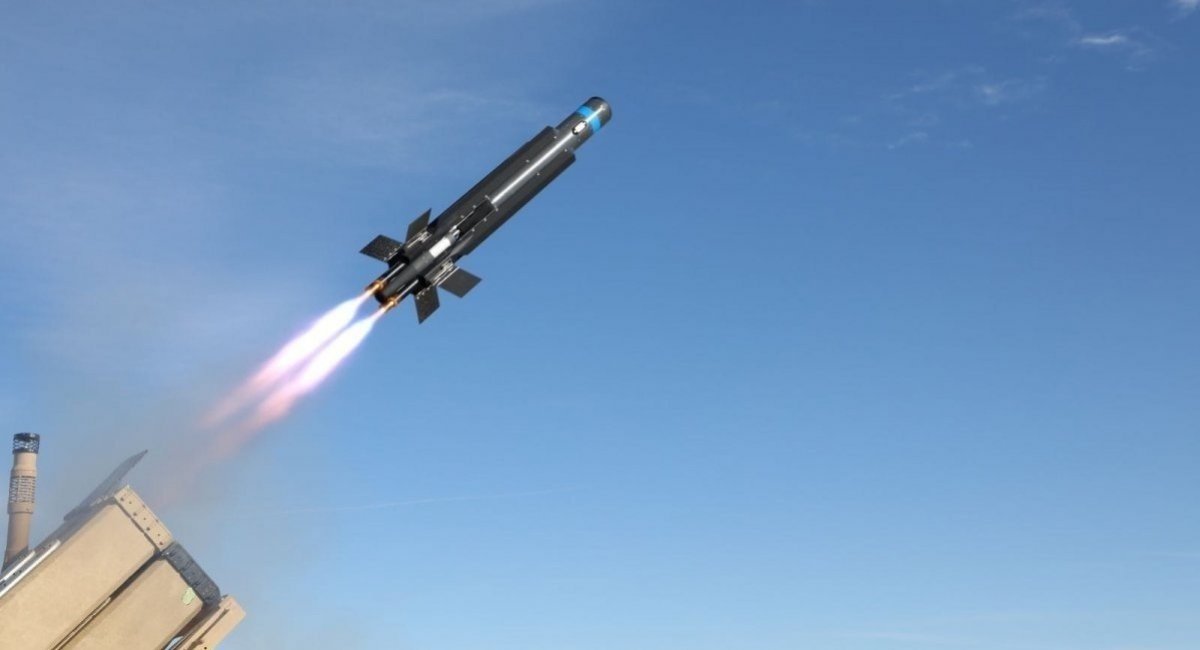
RTX notes that it has already conducted three successful tests of the Coyote Block 2C+RM, including tests to verify its integration with an existing counter-drone defense system and the first launches of the upgraded interceptor. The development progressed from concept to testing in just 15 months.
In a comment to TWZ, company representatives also provided some interesting details, noting that the new version will not only offer faster launch and flight speeds but also feature a significantly extended operational range. However, no further details were provided.
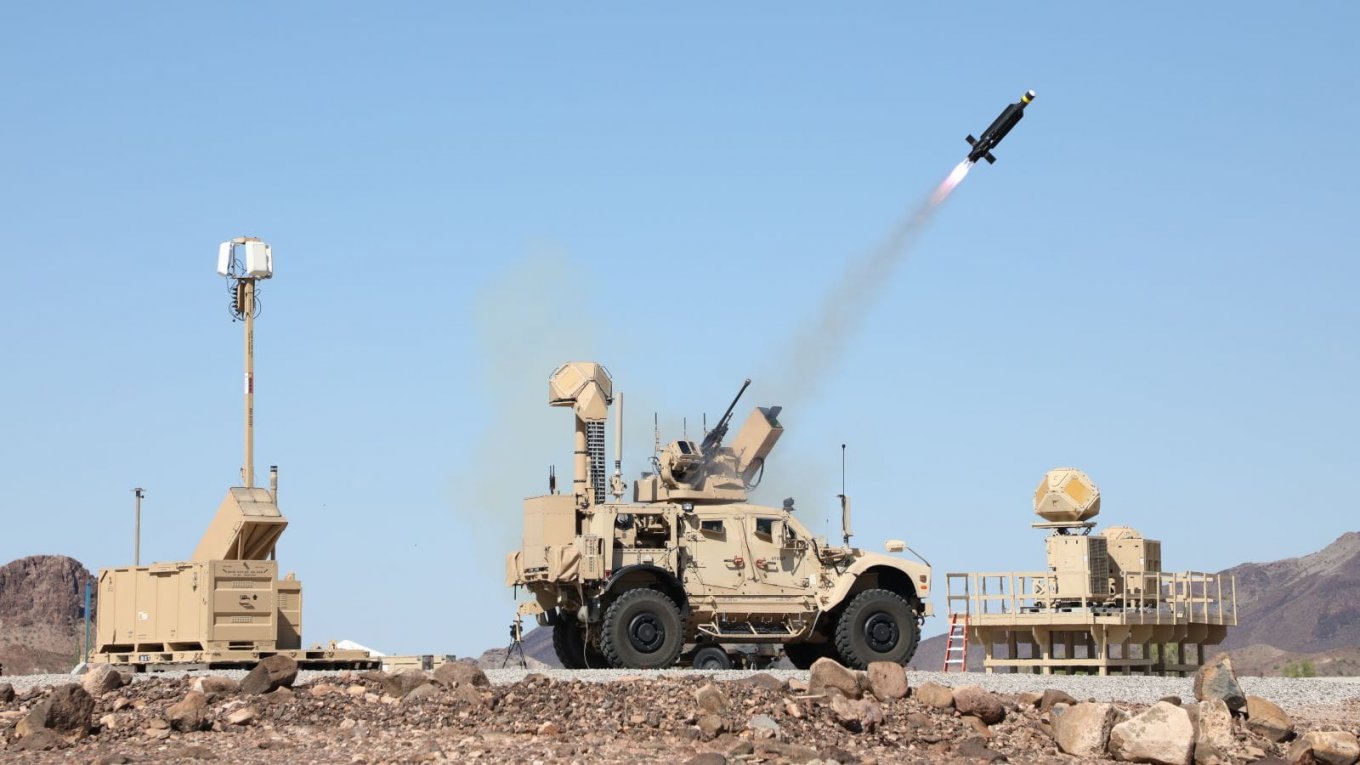
RTX also declined to comment on whether the development of the new interceptor variant was prompted by the emergence of Iranian and russian jet-powered drones, such as the Geran-4. However, company representatives noted that the Coyote Block 2C+RM will be capable of intercepting all Class 3 drones—that is, UAVs weighing between 25 and 600 kg, flying at speeds of up to approximately 463 km/h and operating at altitudes of up to 5,486 m.
From Defense Express we would like to note that the Geran-4 has a weight of up to 450 kg, a cruising speed of 300–400 km/h, and a maximum speed of up to 500 km/h. These drones can also operate at altitudes of 6–7 km, making them significantly more difficult to intercept, although an RTX interceptor could theoretically engage and destroy them.
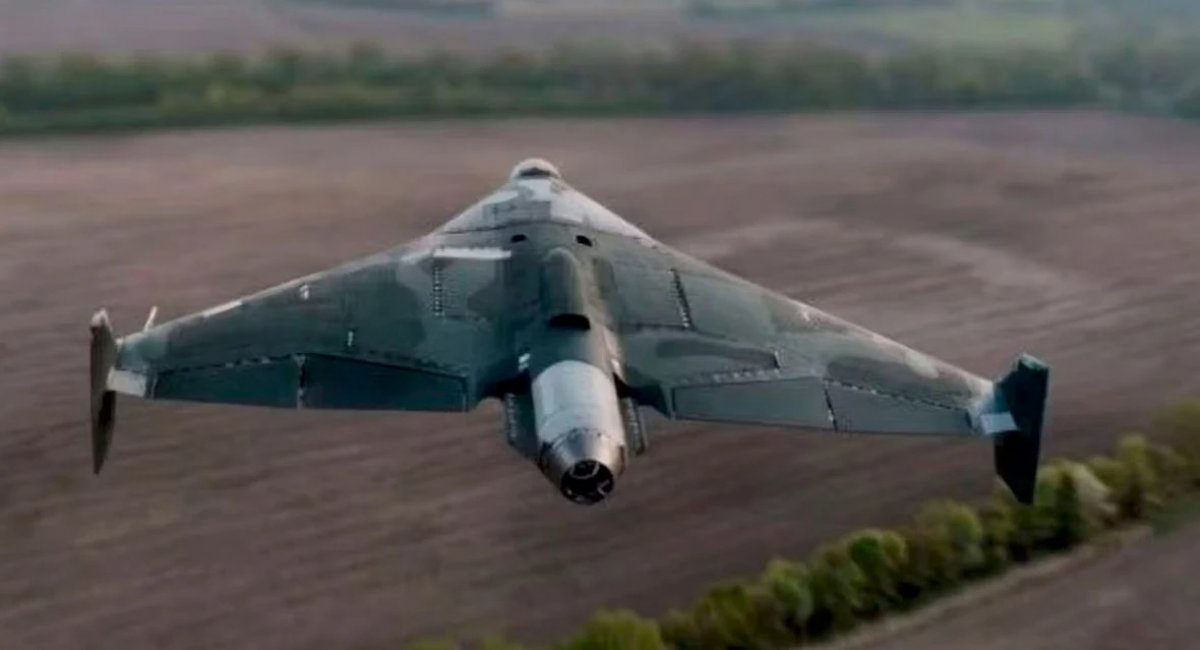
At the same time, the Coyote Block 2 with a turbojet already had a speed of 555–595 km/h, so a rocket motor will provide even better performance. This suggests that the interceptor could also engage even faster drones, particularly as russia is developing UAVs capable of reaching speeds of up to 800 km/h.
Overall, the evolution of Coyote into an anti-aircraft missile makes sense, given that threats are also evolving and require new responses. It is worth noting that RTX also offers a separate Block 3 variant, which relies on non-kinetic interception methods.
From the Defense Express side, we urges you to join a fundraising for what is already working: One United Fundraiser: Fundraising by the Serhiy Prytula Charity Foundation for interceptor drones.

Read more: Ukrainian Vampire Heavy Bomber Rams russian Fixed-Wing Drone Out of the Sky (Video)