

The idea of building an independent Ukrainian satellite communication system might sound like science fiction. However, work is already underway: the Ukrainian company HIMERA and the Danish firm GomSpace have successfully launched the first test satellite, OBRIA NANO, into orbit.
According to a press release from HIMERA, the satellite was launched on October 1 of this year as part of the SpaceX Transporter-18 mission and is now operational. It is currently undergoing scheduled testing to evaluate the capabilities of the OBRIA satellite constellation. The results of these tests will provide practical experience essential for the future development of Ukraine’s own infrastructure.
Read more: U.S. Admits for First Time That It Has Secret Weapons in Space: What Is Known

Looking ahead, the HIMERA and GomSpace initiative aims to deploy a full network of satellites to provide connectivity across Ukraine, complementing the capabilities of existing European networks. Crucially, OBRIA NANO will be controlled by a Ukrainian operator working in the national interest.
The project also envisions the localization of satellite and communication terminal production. This will foster the development of domestic expertise within the sector and expand the manufacturing capacity of the Ukrainian industrial base.

Defense Express notes that building a proprietary communication system from scratch is a challenging undertaking that demands an immense amount of resources. Consequently, a different approach has been adopted.
Although Ukraine retained its own space sector following the collapse of the USSR, a reliance on cooperation with Russia—combined with a lack of sufficient funding—left the industry mired in difficulties. Meanwhile, the need for specific space-based capabilities, such as satellite reconnaissance and communications, has grown, becoming critically important on the battlefield.
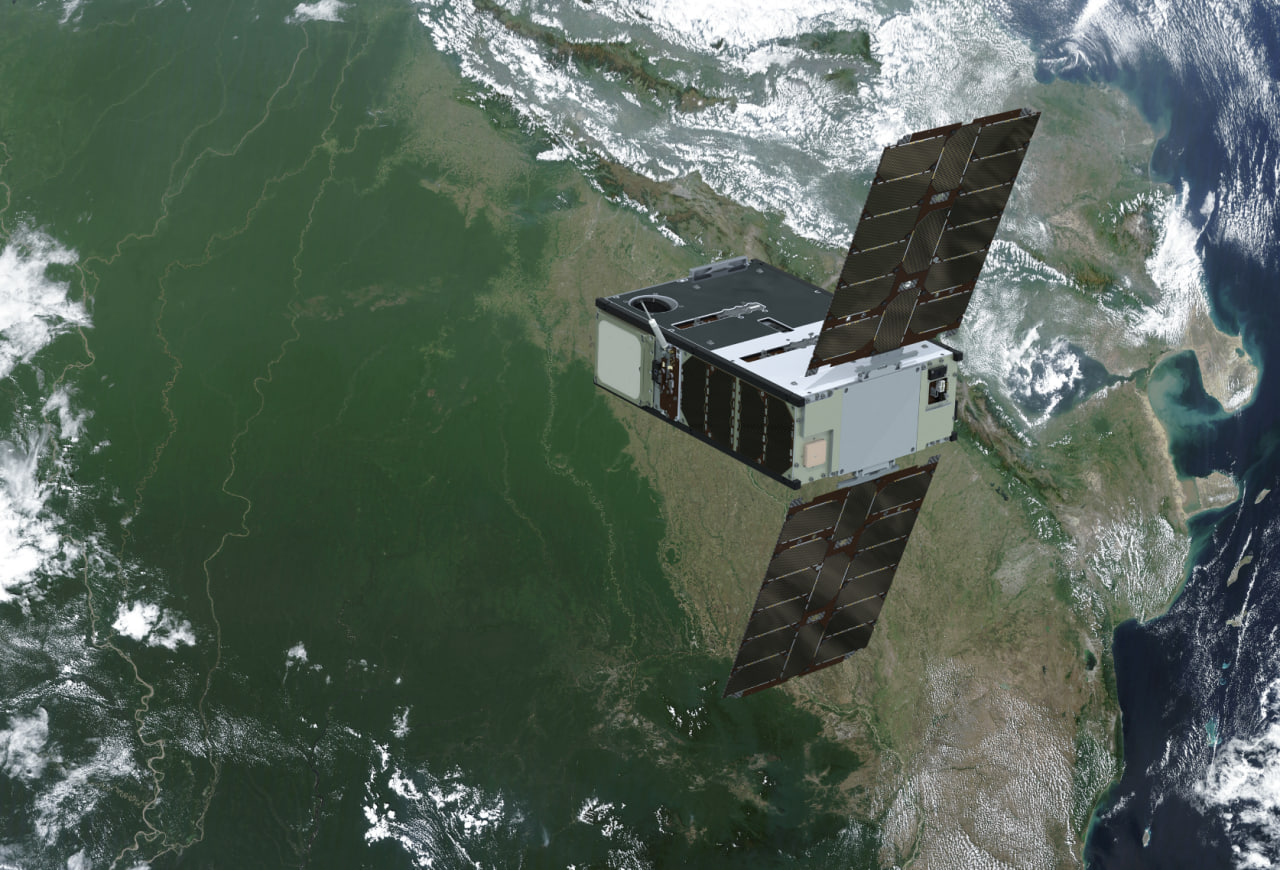
The Danish company GomSpace manufactures reconnaissance and communication systems; among its offerings is a service designed to help nations develop their own space capabilities. This encompasses the rapid deployment of orbital assets, training in satellite operations and mission execution, and the localization of production through the involvement of local suppliers and educational institutions.
In other words, by engaging GomSpace, it is possible to establish independent, sovereign satellite communication capabilities for Ukraine. This would entail not only the creation of a satellite constellation but also the development of all necessary supporting infrastructure. Domestic industry and its existing expertise would be integrated into this process.
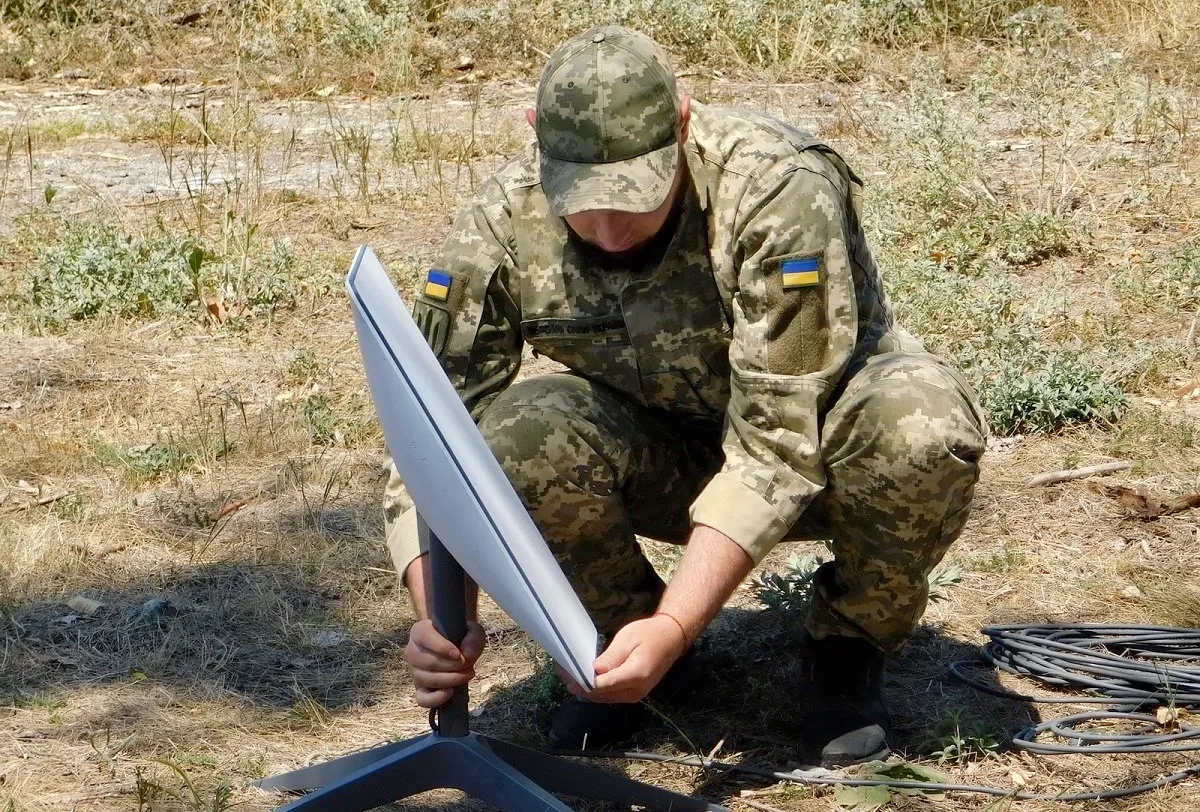
It is worth recalling that on October 14, 2026, SpaceX restricted the speed of Starlink terminals for Ukraine. This had a significant impact on the use of UAVs—both strike and anti-aircraft/interceptor drones. At the same time, Starlink is actively used for military communications and is a very popular choice for controlling unmanned ground vehicles (UGVs). In short, there is a heavy reliance that creates a vulnerability; therefore, having an independent, homegrown alternative could prove beneficial.
HIMERA is a Ukrainian developer and manufacturer of secure communication equipment, such as the HIMERA G1 PRO radio and the HIMERA B repeater. The company was founded in 2022 to address needs on the front line, and its solutions are now attracting interest from NATO countries.
Read more: Why Ukraine's FP-5 Flamingo Strike Could Cripple russia's Military Space Program, ISS Flights, Crewed Space Operations