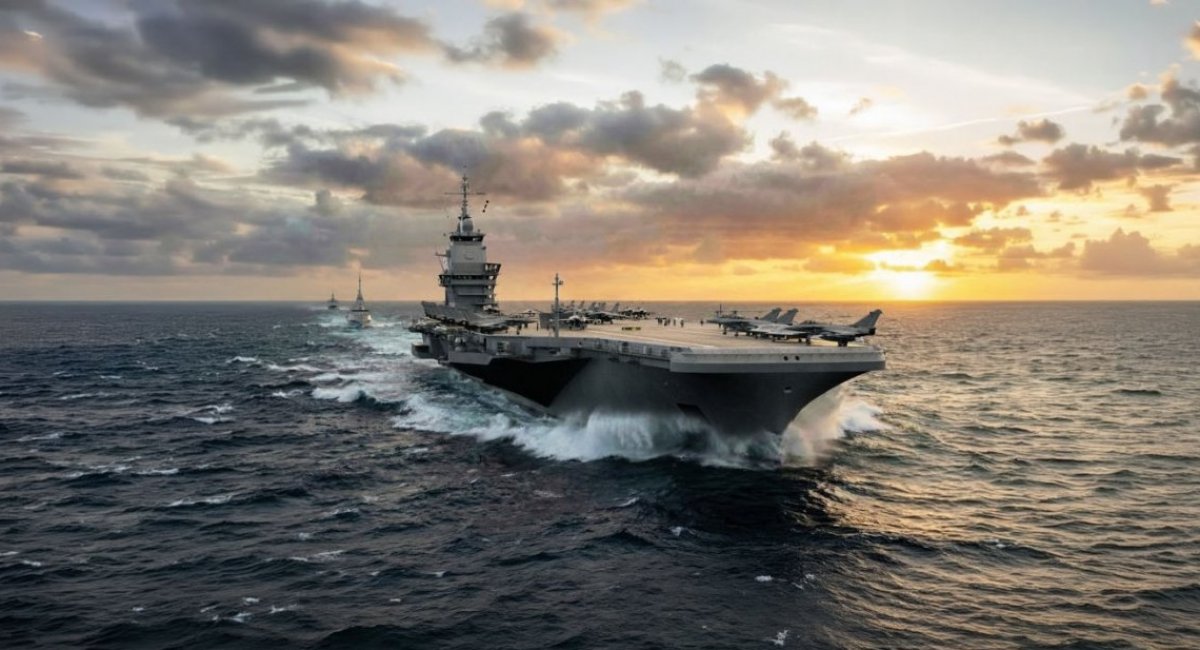
French President Emmanuel Macron announced the name of the new aircraft carrier being built under the PANG project (Porte-Avions de Nouvelle Génération) - France Libre (Free France).
This name refers to the French government-in-exile after France's occupation during World War II. According to the French president, this name carries the French spirit of resistance and freedom.
Read more: U.S. Analogs of Shahed Drones Are Produced in Limited Numbers but Still Enough to Strike Iran
In this name lives the memory of the women and men who rose up against barbarism. United to save the homeland. Determined to defend a certain idea of our nation… To remain free, we must be feared. To be feared, we must be strong. To be strong, we must be ready for effort, Emmanuel Macron stated.
However, choosing this particular name breaks a nearly century-old tradition of naming aircraft carriers and flagships. The fact is that for this purpose, at least in the 20th century, France traditionally used names of prominent figures.
The predecessor of France Libre, the currently operational French aircraft carrier, is named after the central figure of 20th century France, Charles de Gaulle.
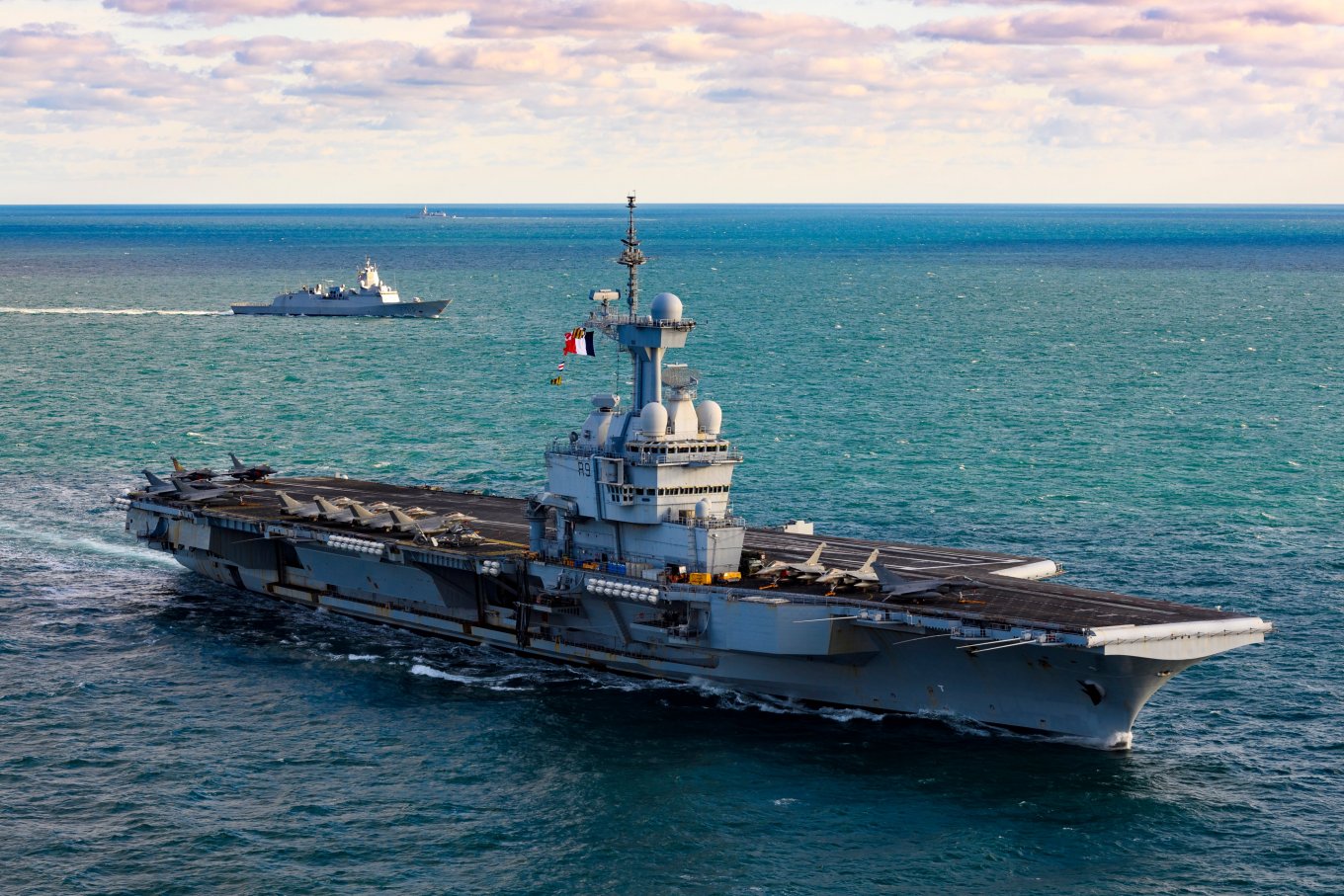
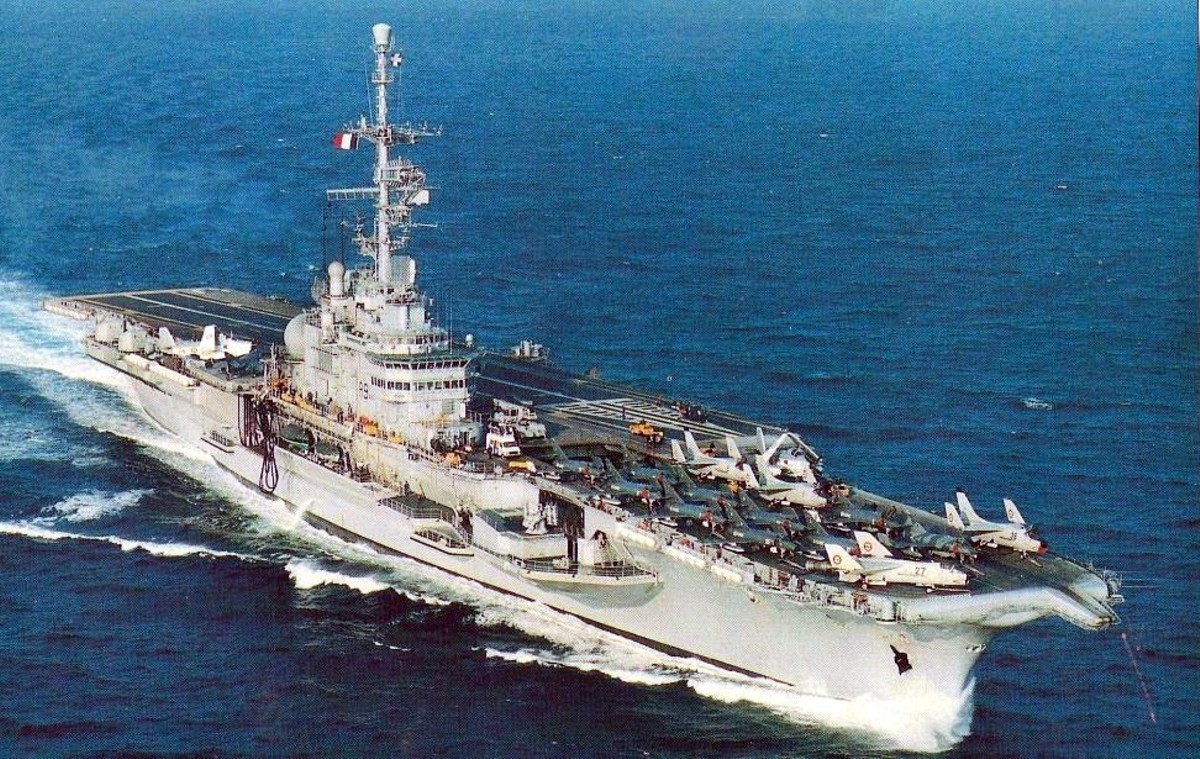
The predecessors of this nuclear aircraft carrier were the Clemenceau-class carriers, which served from 1961 to 2000. The first ship was named after Georges Clemenceau, the country's prime minister in 1906-1909 and 1917-1920. The second was named after World War I Marshal Ferdinand Foch.
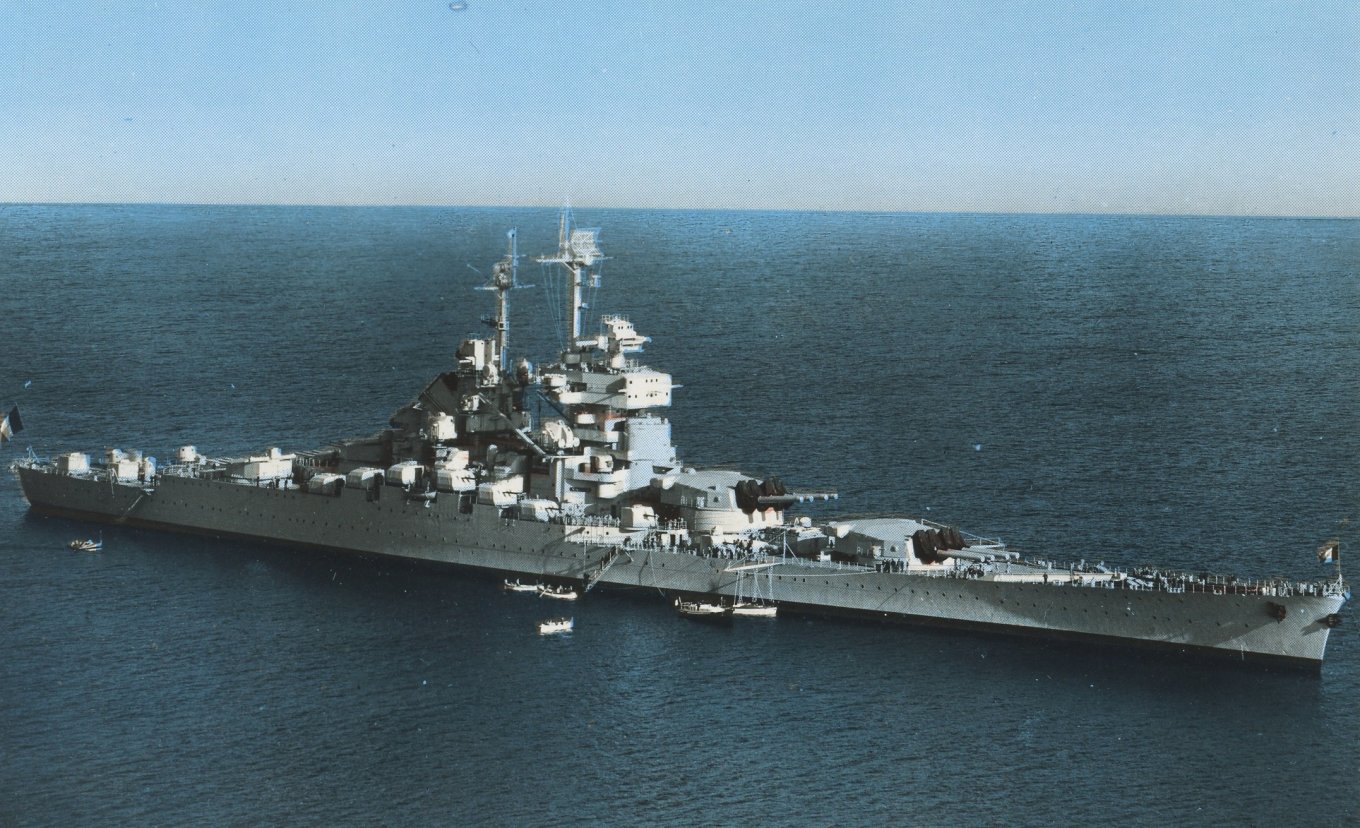
Until this time, the flagship could possibly be considered the last French battleship of the Richelieu class, named after Cardinal Armand-Jean du Plessis de Richelieu.
The ship was in service from 1939 to, formally, 1967, but actual operation ended in 1956.
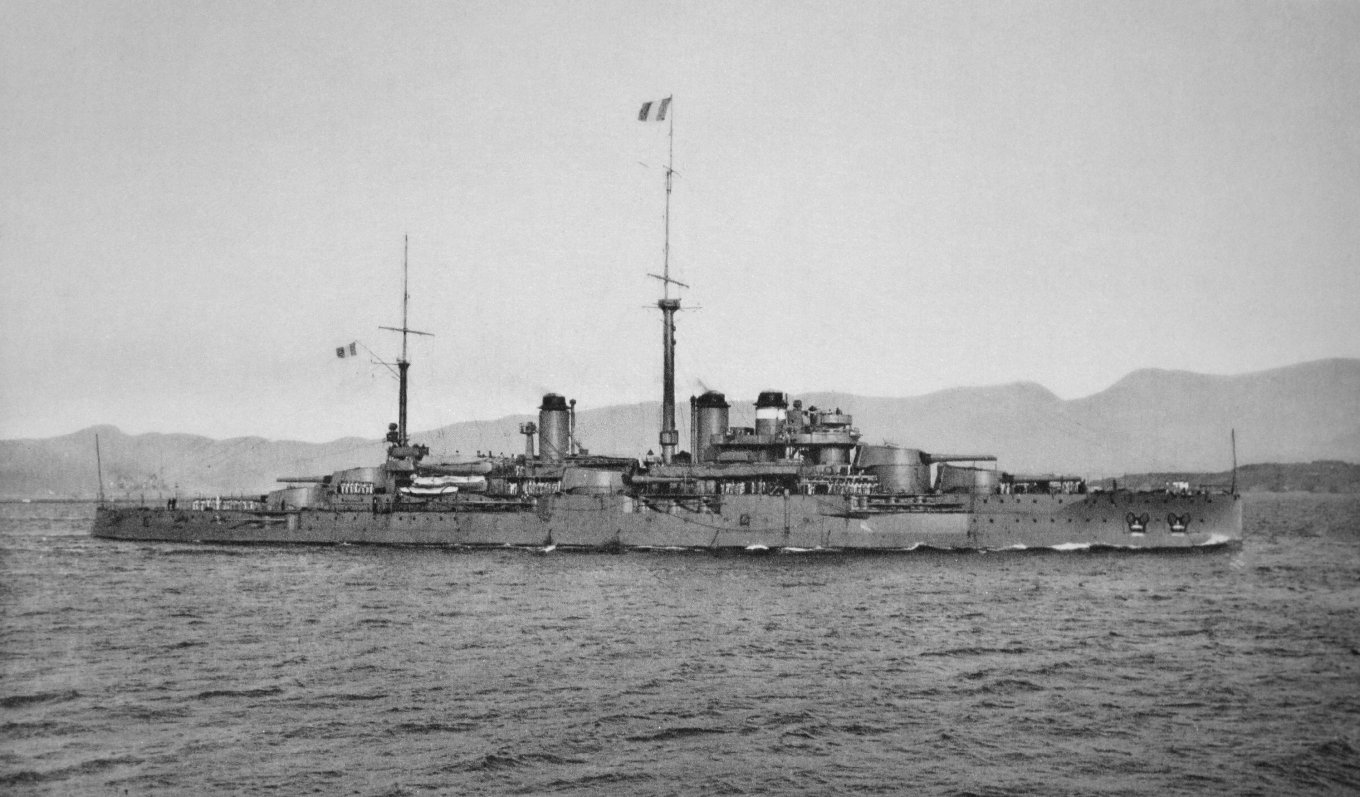
As an alternative to historical figures, France often named important ships that could qualify as flagships after regions. In particular, before the appearance of Richelieu, the French Navy had the Dunkerque-class battlecruisers or fast battleships, as well as full-fledged Bretagne-class battleships.
The latter were a development of France's WWI flagship, the dreadnought Courbet, which was named after Admiral Amédée Courbet, who distinguished himself during the war with China in 1884.
The first full-fledged French aircraft carriers of the Joffre class were also to be named after historical figures. The first was named after WWI Marshal Joseph Joffre. However, the first carrier of this class was laid down in 1938 and was not completed before World War II began.
In other words, for naming the new aircraft carrier, which will be the French Navy's flagship until the end of this century, neither a historical figure nor a geographical name has been chosen. This objectively breaks a truly century-old established tradition. At the same time, it's not impossible that the name of this carrier, along with its class designation, will be changed, especially since construction of this 80,000-ton aircraft carrier is planned to begin only in 2032.
Read more: F-35 Upgrade Problems Reach a Dead End, While Aircraft in the Middle East Still Fly with TR-2