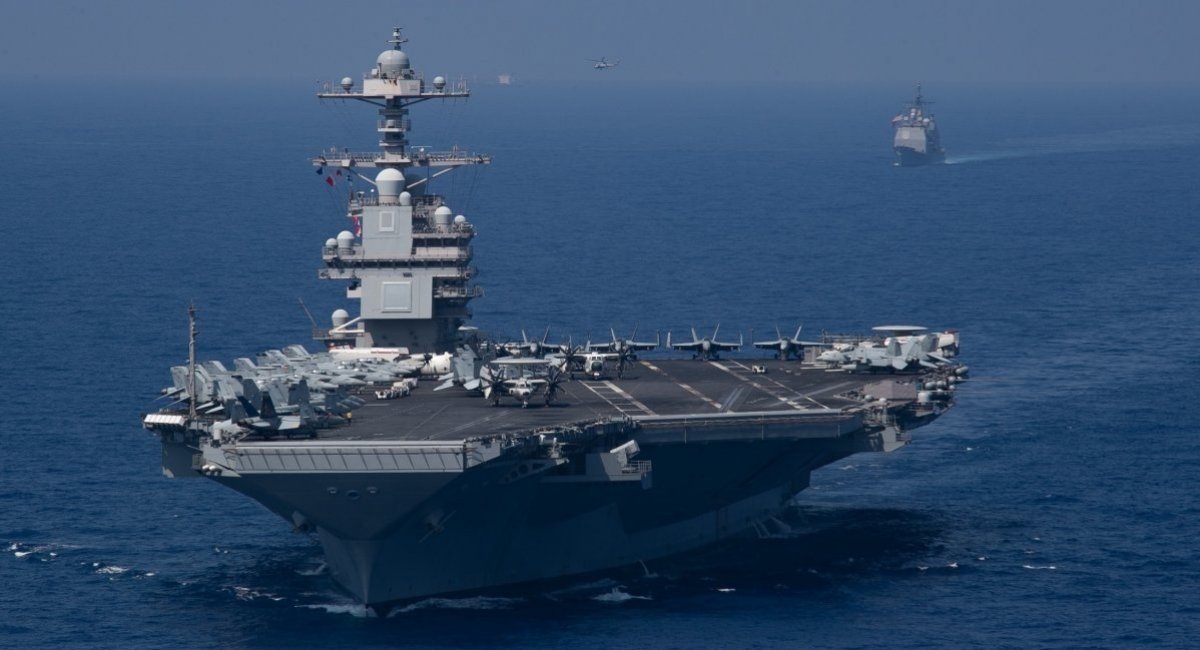
A few days ago, China commissioned its third aircraft carrier, resembling the U.S. in some aspects and reportedly exceeding it in others. However, China does not plan to stop at three aircraft carriers and is constructing additional ones.
Some time ago, reports emerged that China's fourth Type 004 aircraft carrier will be equipped with nuclear propulsion. All previous Chinese aircraft carriers were equipped with conventional engines. This was reported by The War Zone.
Read more: France's Air and Space Force Faces Long Wait for the RapidFire Anti-Drone Guns Despite Urgent Need
So, if it acquires nuclear propulsion, China would become the third country in the world to operate nuclear-powered aircraft carriers. Currently, only the U.S. and France have them.
Several factors indicate that the fourth Chinese aircraft carrier will be equipped with a nuclear reactor. First and foremost, new photographs show that an element resembling a reactor protective cover has already been installed on the hull, and another such element is being prepared for installation.
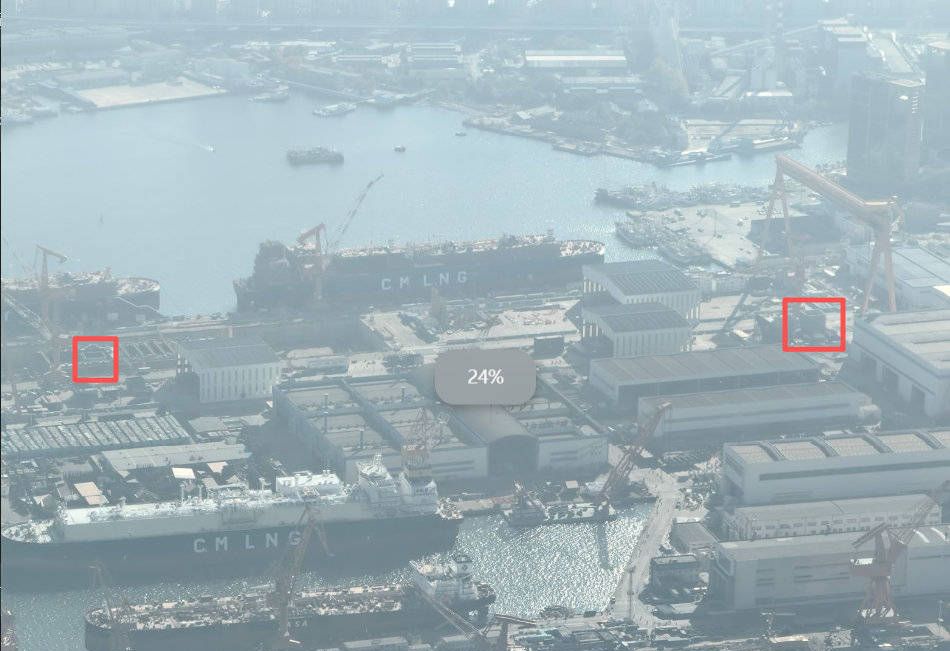
It is worth noting that last year a section of the hull, believed to belong to a future nuclear aircraft carrier, was spotted. At that time, the similarity between the design and the American Gerald R. Ford-class nuclear aircraft carrier was noted.
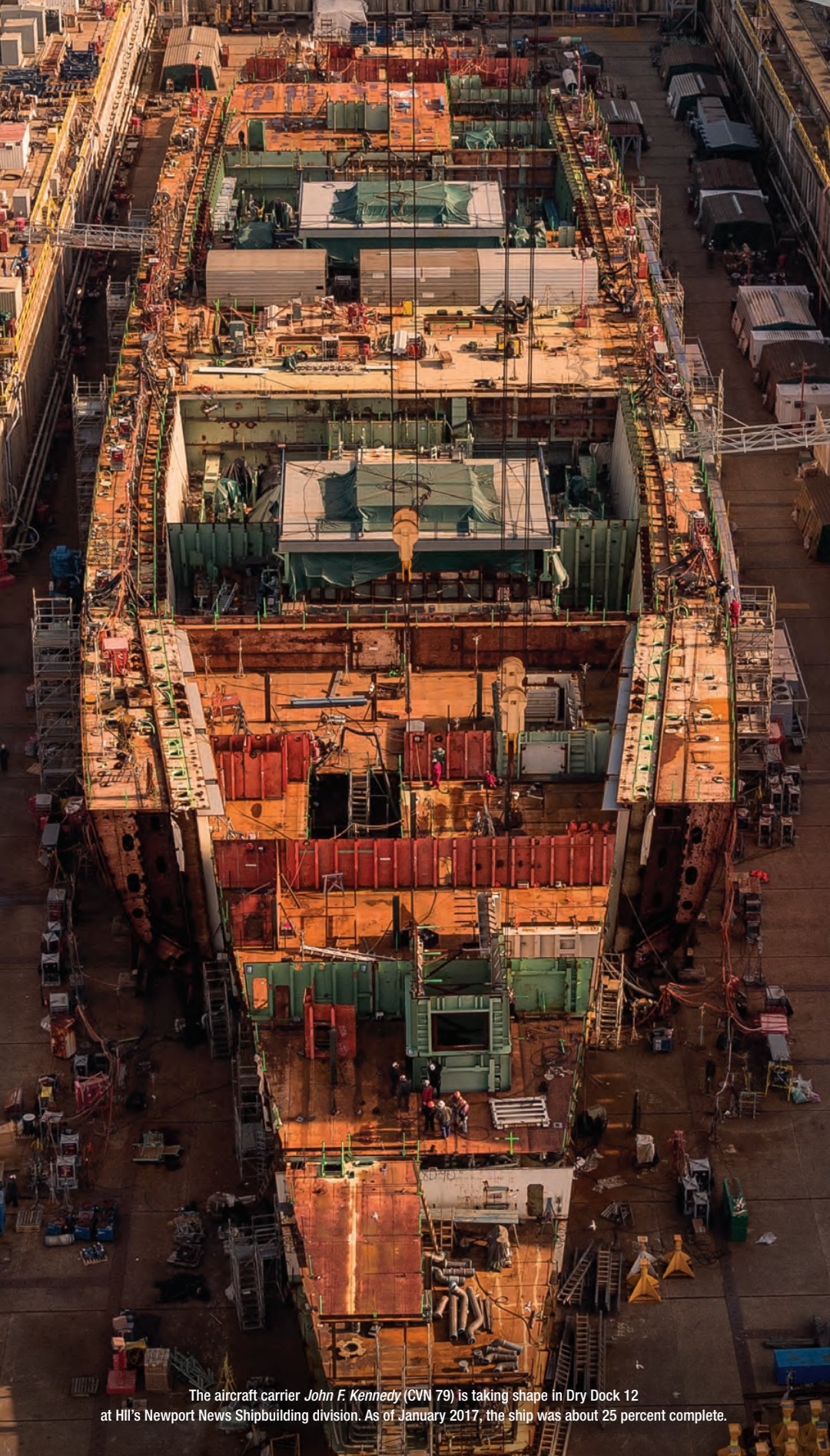
However, new images indicate that it has a similar internal design. Specifically, it refers to the reactors' location and design. Renderings of the future aircraft carrier suggest it closely resembles the Gerald R. Ford.
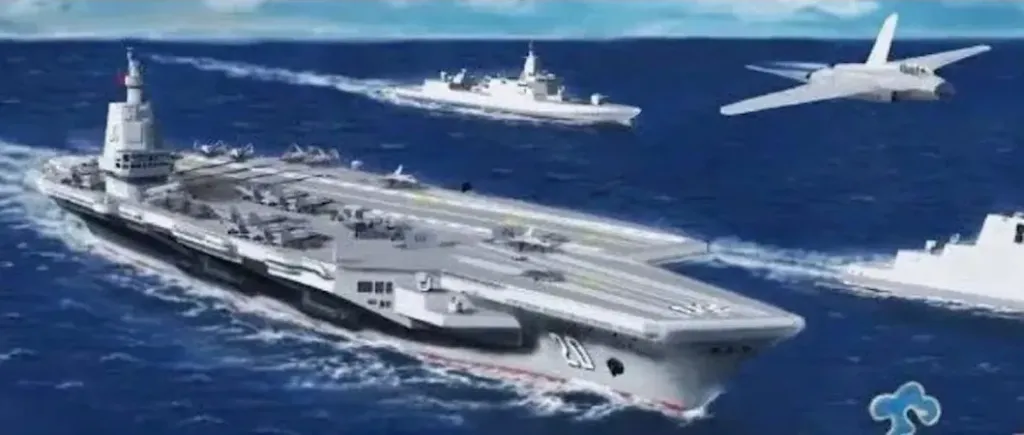
It is expected to have similar displacement and capabilities as the American carrier. It will also likely be equipped with electromagnetic catapults, which are already installed on China's new third aircraft carrier.
However, it seems that this is not the only aircraft carrier currently under construction in China. At a shipyard near Shanghai, preparations seem to be underway to build another aircraft carrier, likely an improved version of the Fujian, China's third carrier.
In other words, China currently has three aircraft carriers, with two more under construction. The U.S., on the other hand, currently operates 11 nuclear-powered aircraft carriers, with two more under construction, representing a difference of eight units.
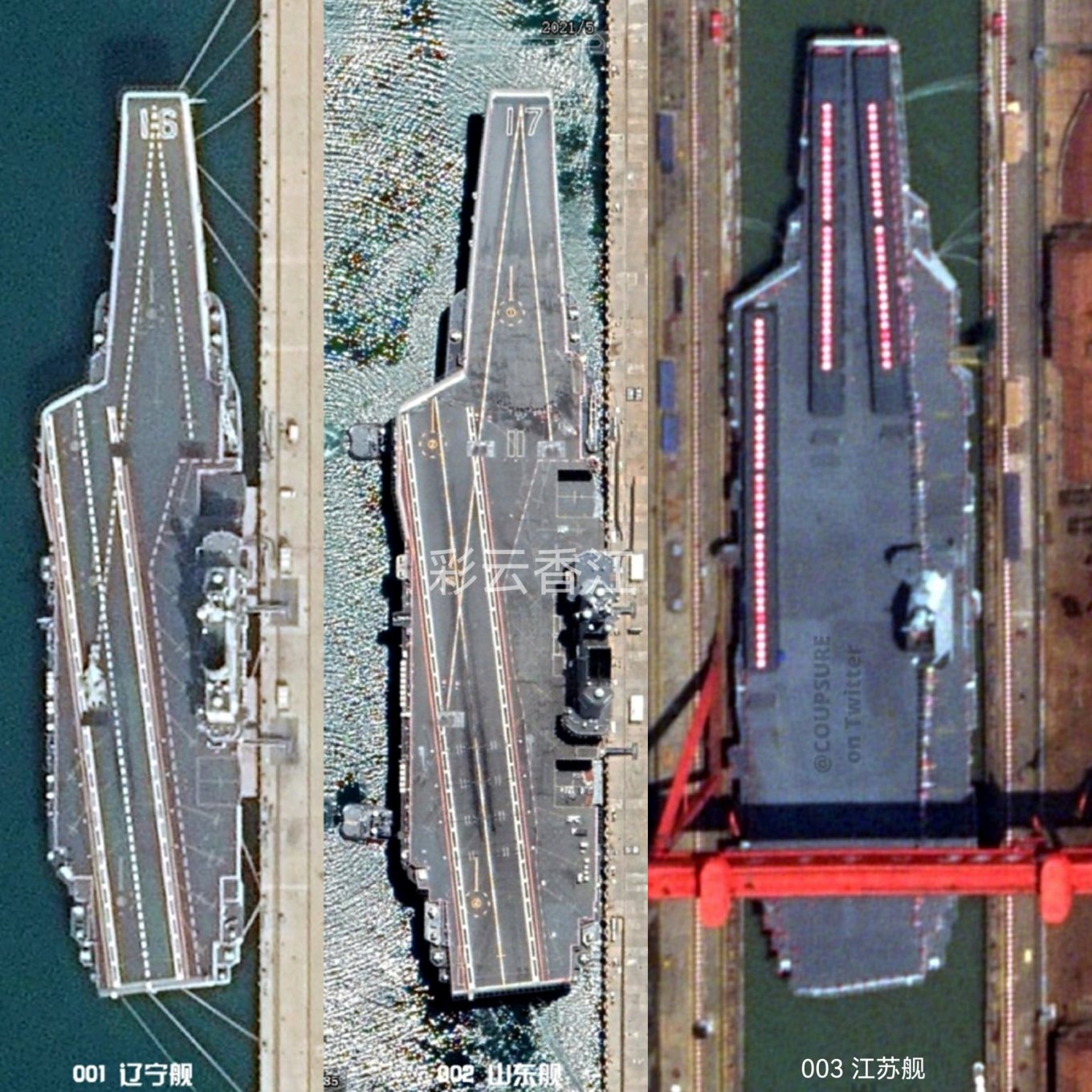
In addition to the quantitative difference, there is also a difference in size, as all American aircraft carriers are nuclear-powered and have a displacement of over 100,000 tons, while Chinese carriers have a displacement of approximately 60,000 to 80,000 tons and use traditional propulsion systems.
Although this may not apply to China's fourth aircraft carrier, the likely nuclear-powered Type 004, it could have the same or even greater displacement than the American Gerald R. Ford—over 100,000 tons.
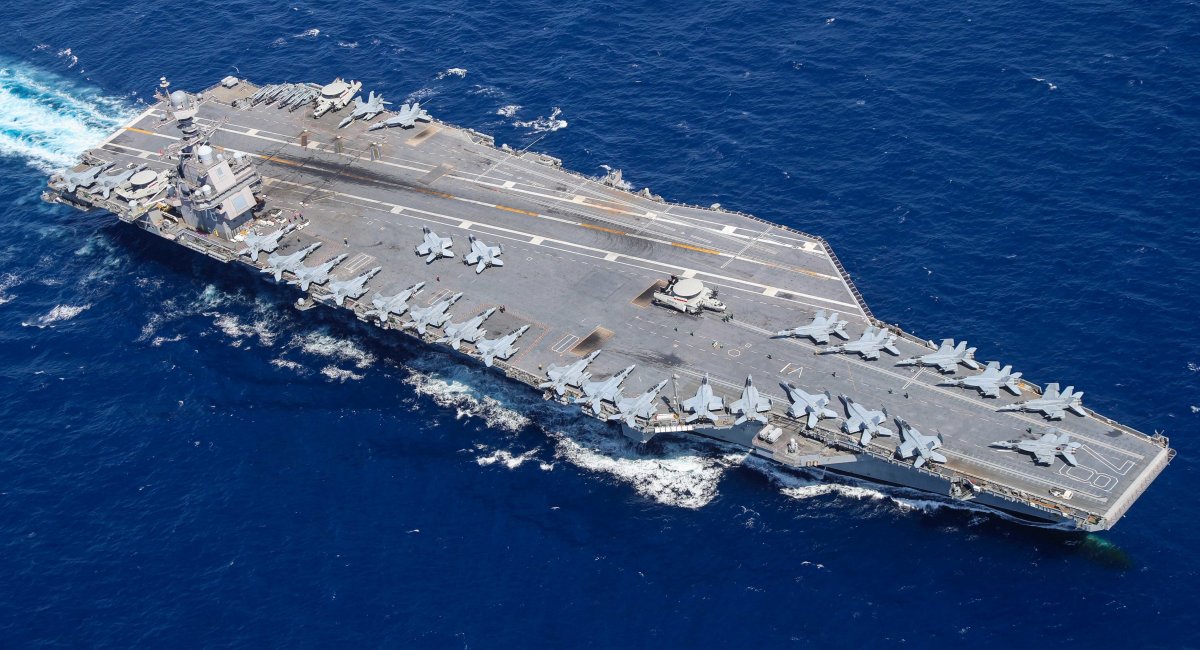
Although China does not currently need large and expensive nuclear aircraft carriers—since its current area of interest is in the Indo-Pacific, where virtually unlimited sailing range is not essential. Instead, it would be better to quickly build several smaller and cheaper aircraft carriers.
Therefore, it can be assumed that China's fourth, nuclear-powered aircraft carrier is likely to be of greater interest and threat to Africa, Europe, and North and South America. Overall, China is actively developing and expanding its navy at a pace several times faster than that of the U.S.
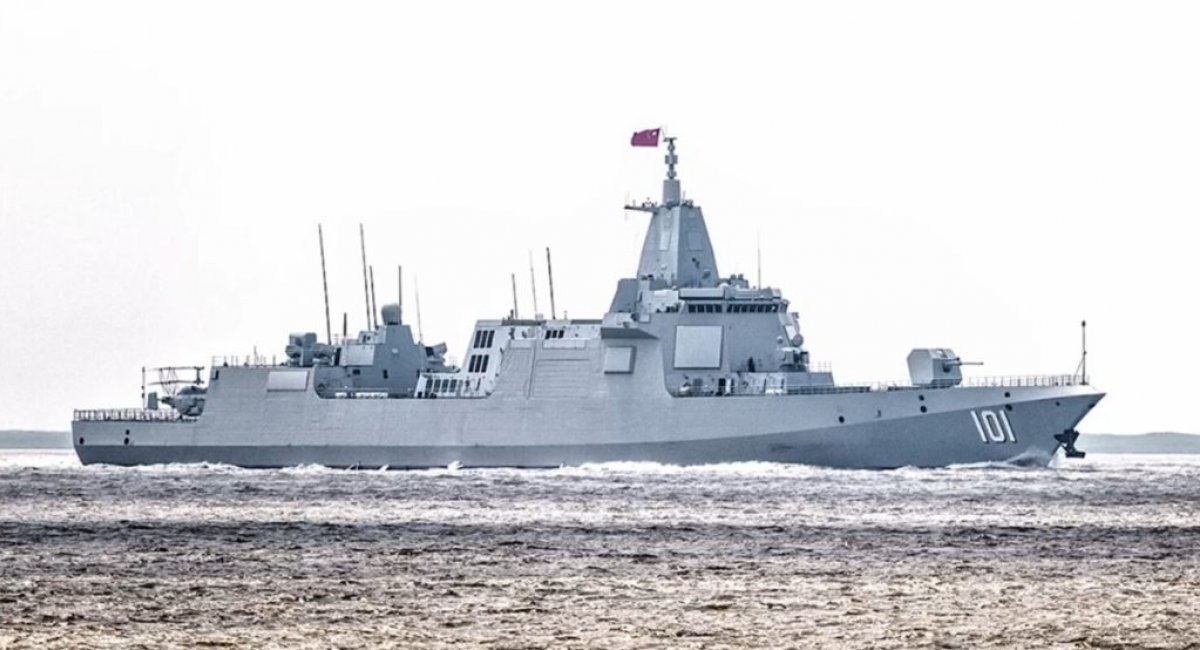
China has already surpassed the U.S. in terms of the number of warships, despite being less technologically advanced and having a fleet with significantly lower total tonnage. In just four years, China has built 10 Type 055 destroyers, each equipped with 112 missiles—a truly record-breaking pace of construction.
Read more: Uncertainty Surrounds Whether Germany Ever Funded HX-2 "Lancet-Style" Drones for Ukraine