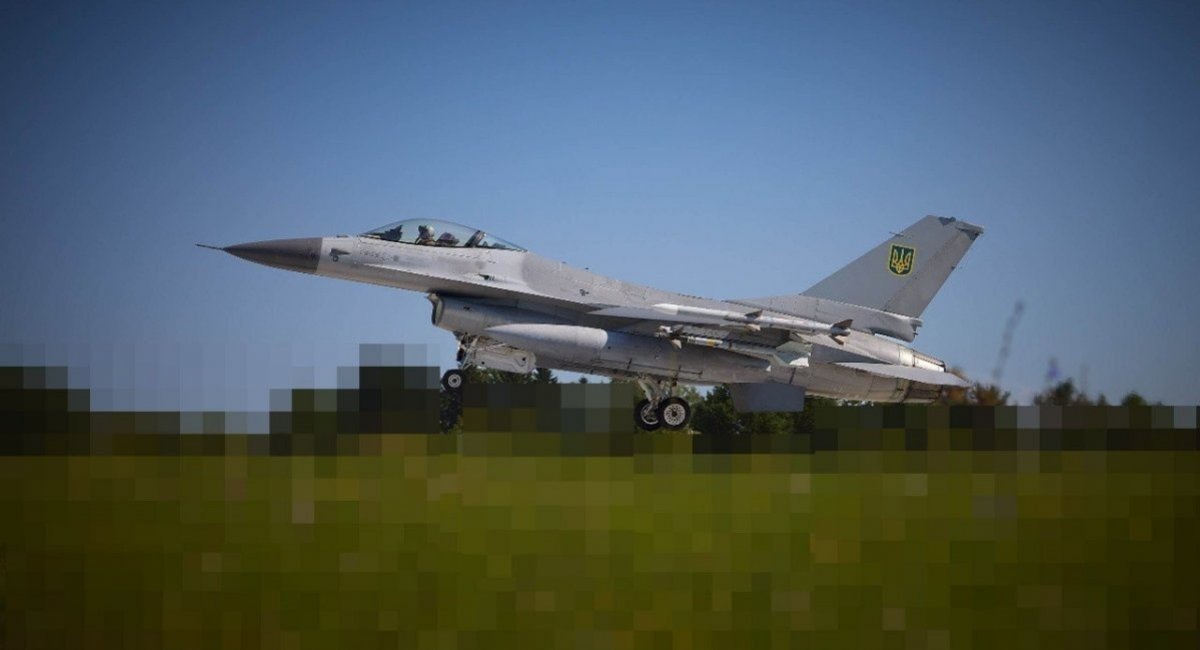
Two countries from the fighter jet coalition, Belgium and Norway, are facing difficulties transferring their F-16s to Ukraine. As has become clear in recent weeks, neither country has delivered a single aircraft so far, despite joining the initiative to strengthen Ukraine's Air Force back in 2023.
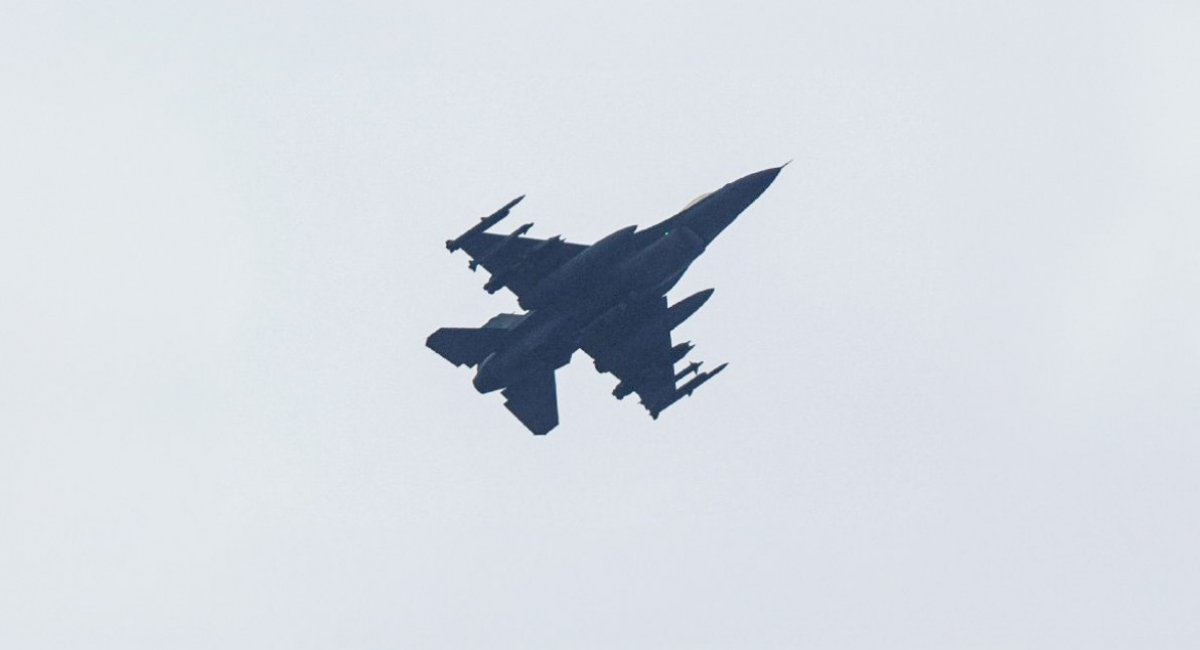
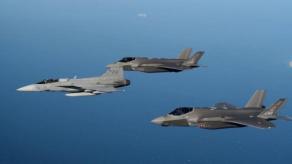
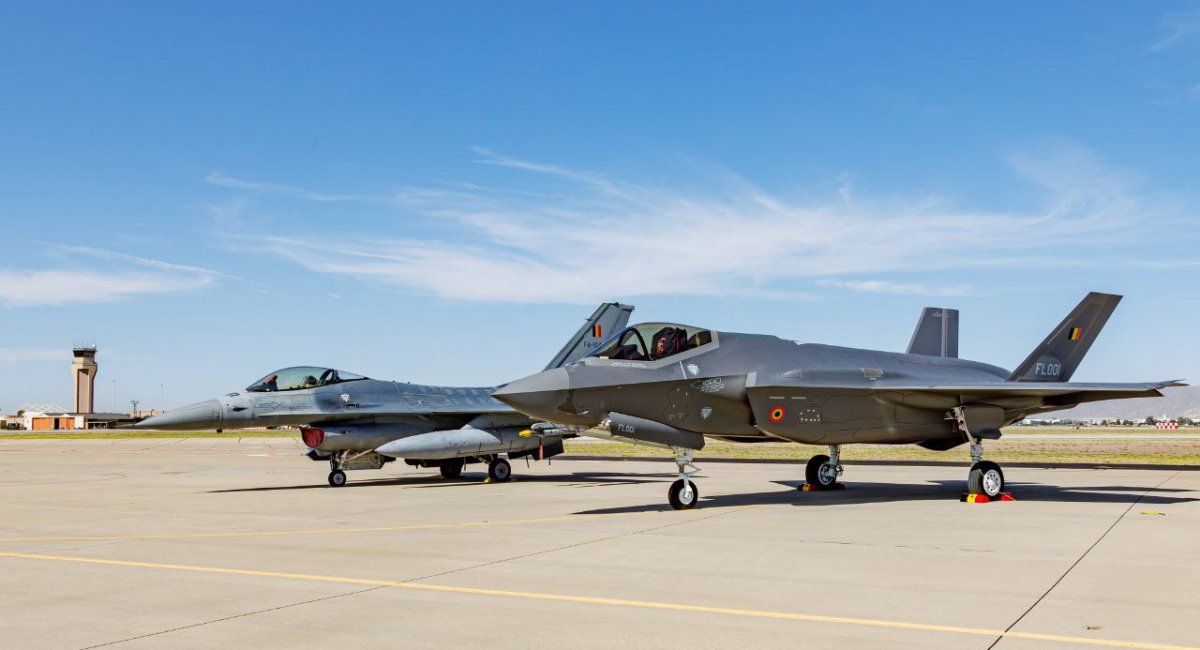
In both cases, the reasons are different and unrelated. Belgium, which has pledged up to 30 fighters, says the delay is linked to postponed deliveries of F-35 Lightning II jets to its own air force. The first F-35s arrived in Belgium in October last year, seven years after the contract was signed.
Read more: Norway's F-16 Delivery to Ukraine Faces Delays, Jets May Not Arrive Until 2027
Additionally, Belgium has repeatedly stated plans to retire all its F-16s by 2028, after which they are to be transferred to Ukraine. Even under an optimistic scenario, some aircraft may arrive as early as this year, but delivery of all 30 jets will likely take several years.
This assumes there are no complications related to repairs or refurbishment. In reality, at least some of the aircraft, possibly all, will require maintenance before transfer, and this process may present additional challenges.
For example, Norway, which has officially pledged six aircraft but has yet to deliver any, is facing issues with repair and refurbishment at the Sabena Engineering facility in Belgium. All six Norwegian fighters are currently located there. Two were used to train Ukrainian pilots and now require repairs, while the remaining four were delivered as disassembled airframe kits.
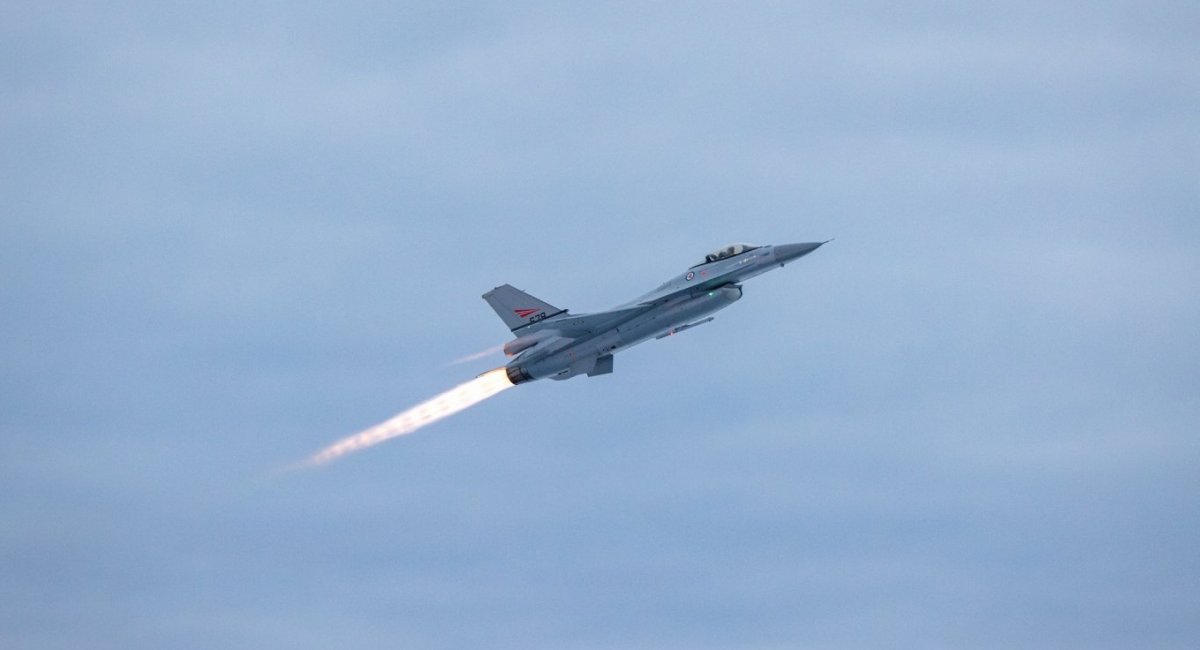
These aircraft arrived at the Belgian facility about a year ago, and it appears that repair work has not yet begun. This is despite informal reports that aircraft intended for Ukraine were to be prioritized. One of the key bottlenecks is a shortage of approximately one hundred spare parts per aircraft.
Given this situation, it cannot be ruled out that Belgium may encounter similar issues during its own transfer process. Under a pessimistic scenario, delivery of these 36 aircraft could take years.
Separately, Belgium has also cited another factor behind the delays, an alleged request from the Ukrainian side to postpone deliveries due to a shortage of trained pilots.
In total, the 36 fighters from Belgium and Norway account for slightly less than half of all aircraft pledged to Ukraine. In addition to these two countries (Belgium pledged 30 and delivered 0; Norway pledged 6 and delivered 0), there are also the Netherlands, which has delivered all 24 promised aircraft, and Denmark, which has reportedly transferred 12 out of 19, with deliveries expected to be completed by the end of last year.
This brings the total number of pledged aircraft to 79, of which 36 represent 45.5%. As of now, Ukraine may have up to 39 F-16 fighters in service, assuming Denmark has completed deliveries and accounting for four aircraft losses.
Earlier, Defense Express reported on the cost of training an F-16 pilot at the private company Top Aces.
Read more: Argentina Details F-16 Training Timeline, Ukrainians Completed It in Record Time