


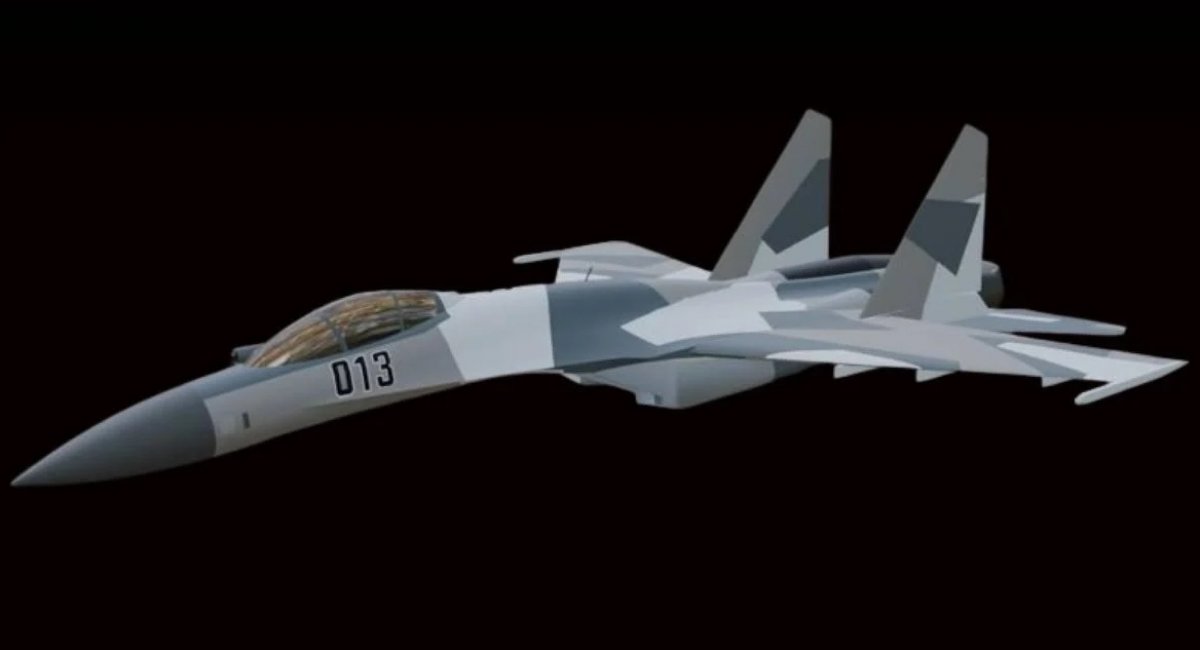
Ukraine's Defense Intelligence has published information on russian companies involved in producing components for Su-35S multirole fighter, identifying 79 enterprises connected to the aircraft's production.
The information was released through the War&Sanctions portal, which now features an interactive 3D model of Su-35S fighter alongside details about companies involved in manufacturing the fighter and its systems.
Read more: Why Was Massive C-17 Strategic Airlifter Capable of Carrying 77 Tons Used to Fly CIA Director to Moscow?
Su-35S aircraft is used by the russian military to provide cover for Su-34 fighter-bombers, russian ground forces and military facilities. The aircraft is also employed to intercept Ukrainian drones and cruise missiles and to counter Ukrainian air defense systems.
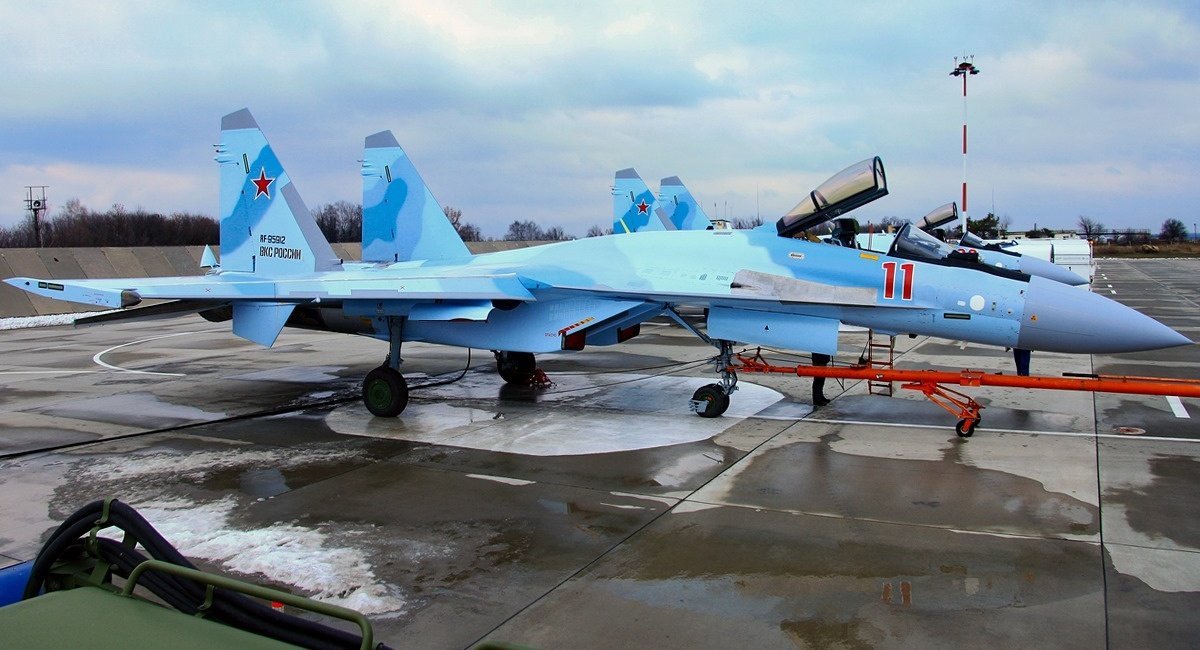
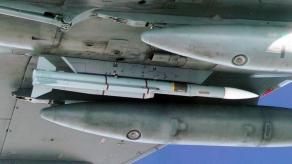
The newly published database covers companies responsible for a broad range of components and systems used on the aircraft. These include engines and fuel systems, flight-control systems, communications and guidance equipment, electronic warfare systems, as well as aviation missiles compatible with the aircraft.
Ukraine's Defense Intelligence identified 79 enterprises involved in the fighter's production chain, highlighting the extensive industrial network required to manufacture and maintain the aircraft. The disclosure provides a more detailed picture of the companies supporting russia's tactical aviation capabilities.
At the same time, 22 of the companies included in the database are not currently under sanctions imposed by any member of the sanctions coalition. This potentially leaves parts of russia's defense-industrial supply chain exposed to continued international economic activity.
Among the companies identified are PJSC Aviation Corporation Rubin, which supplies aircraft wheels, and PJSC Gidravtomatika, which manufactures fuel-system control units for Su-35S aircraft. The Defense Intelligence also listed JSC Research and Development Institute Octava, which conducted research and development work during the fighter's development.
Synchronizing sanctions against all links of russia's military-industrial complex is important for reducing Moscow's ability to produce weapons. The agency argues that closing gaps in sanctions coverage could further constrain the industrial base supporting russian military aviation and contribute to creating conditions for a just peace.
Read more: If Ukraine Wants to Switch to Black Hawks, Norway Shows Just How Much New Helicopters Could Cost