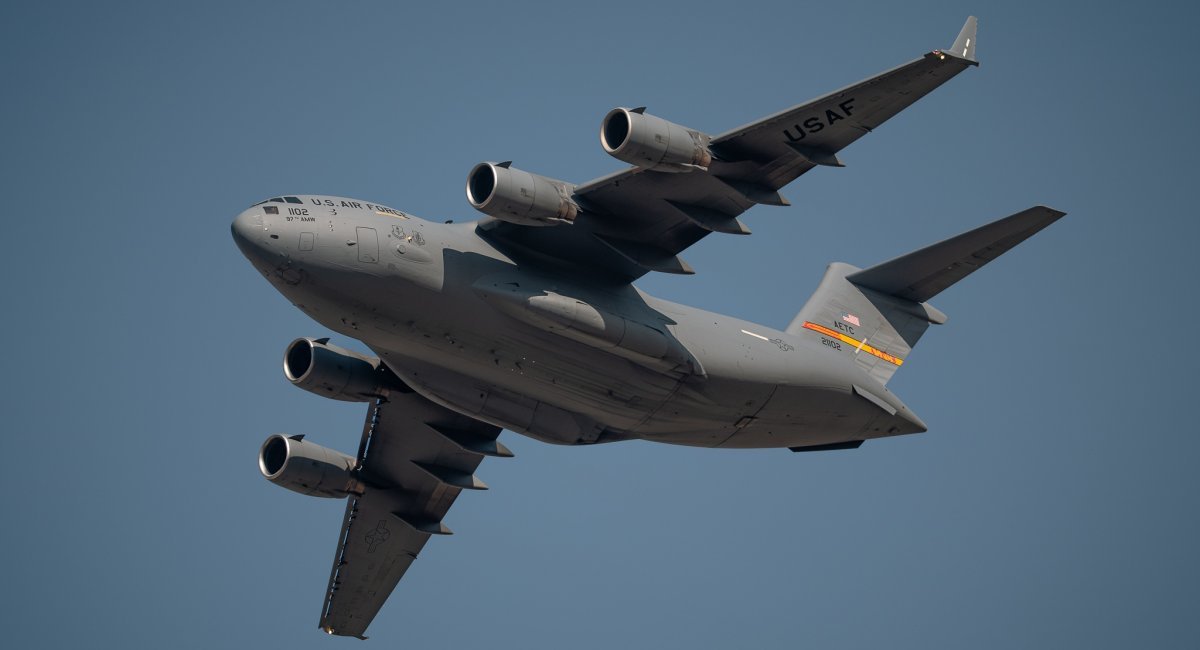
Ratcliffe arrived in the russian capital aboard a U.S. Air Force C-17A Globemaster III, a strategic military transport aircraft. His visit was later reported by U.S. media, while the CIA, Pentagon, and other U.S. agencies declined to comment publicly on the trip. The purpose of the meetings in Moscow has also not been officially disclosed.
The choice of aircraft is particularly notable. A senior U.S. official could normally travel aboard government aircraft such as the C-37 or C-40, military versions of the Gulfstream V and Boeing 737, respectively. Instead, the delegation used the much larger C-17.
Read more: U.S. Reveals Previously Secret AIM-424 LRAAM for the First Time, Designed to Hit russian and Chinese Aircraft Beyond 460 km
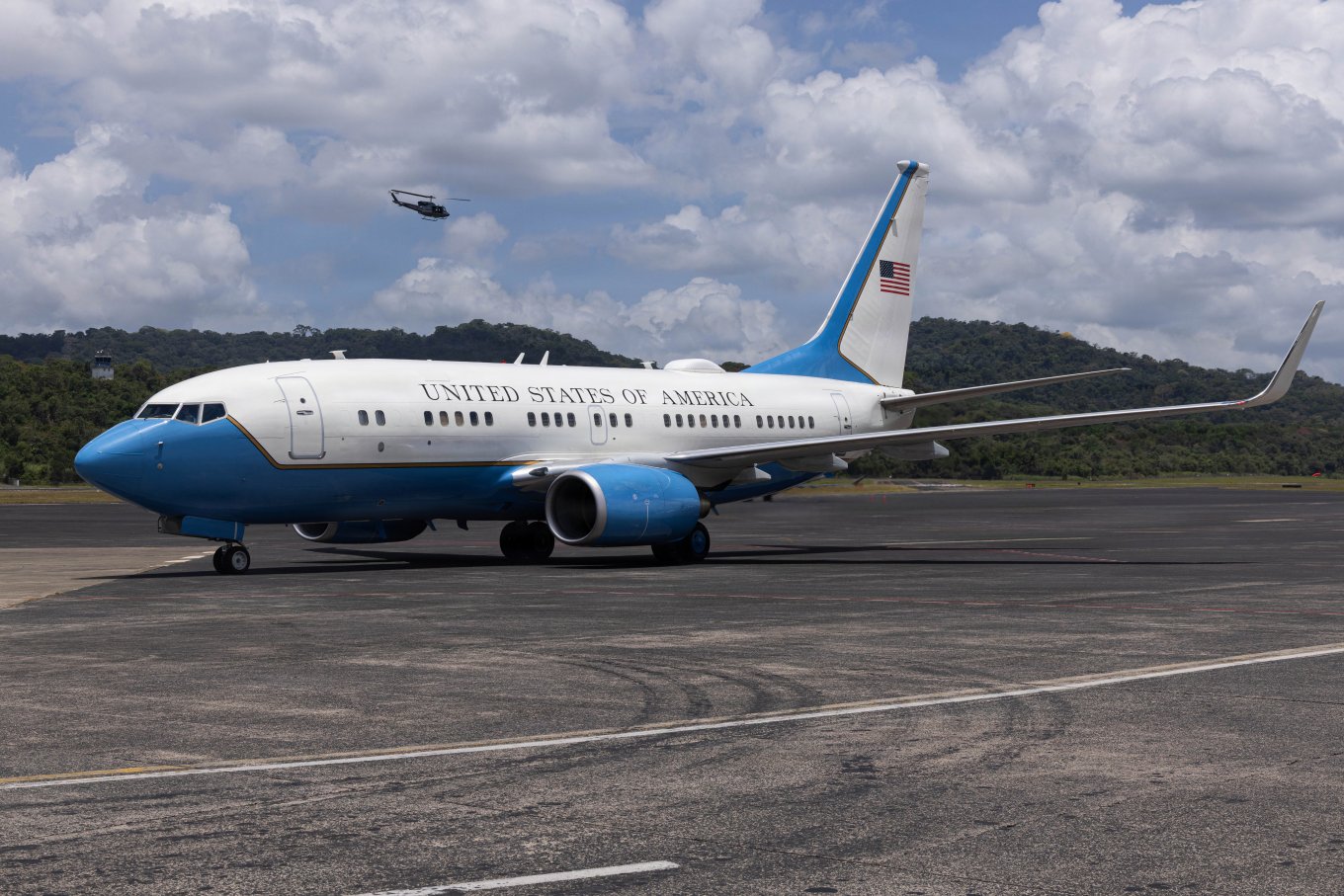
The Globemaster III is a strategic military airlifter with a maximum takeoff weight of approximately 265 tonnes and a maximum payload of up to 77.5 tonnes. With a payload of around 75 tonnes, the aircraft can fly roughly 4,400 km without aerial refueling.
In other words, the capabilities of the C-17 greatly exceed what would normally be required simply to transport the CIA director and a delegation.
There are, however, situations in which the C-17 can be particularly useful for transporting senior U.S. officials.
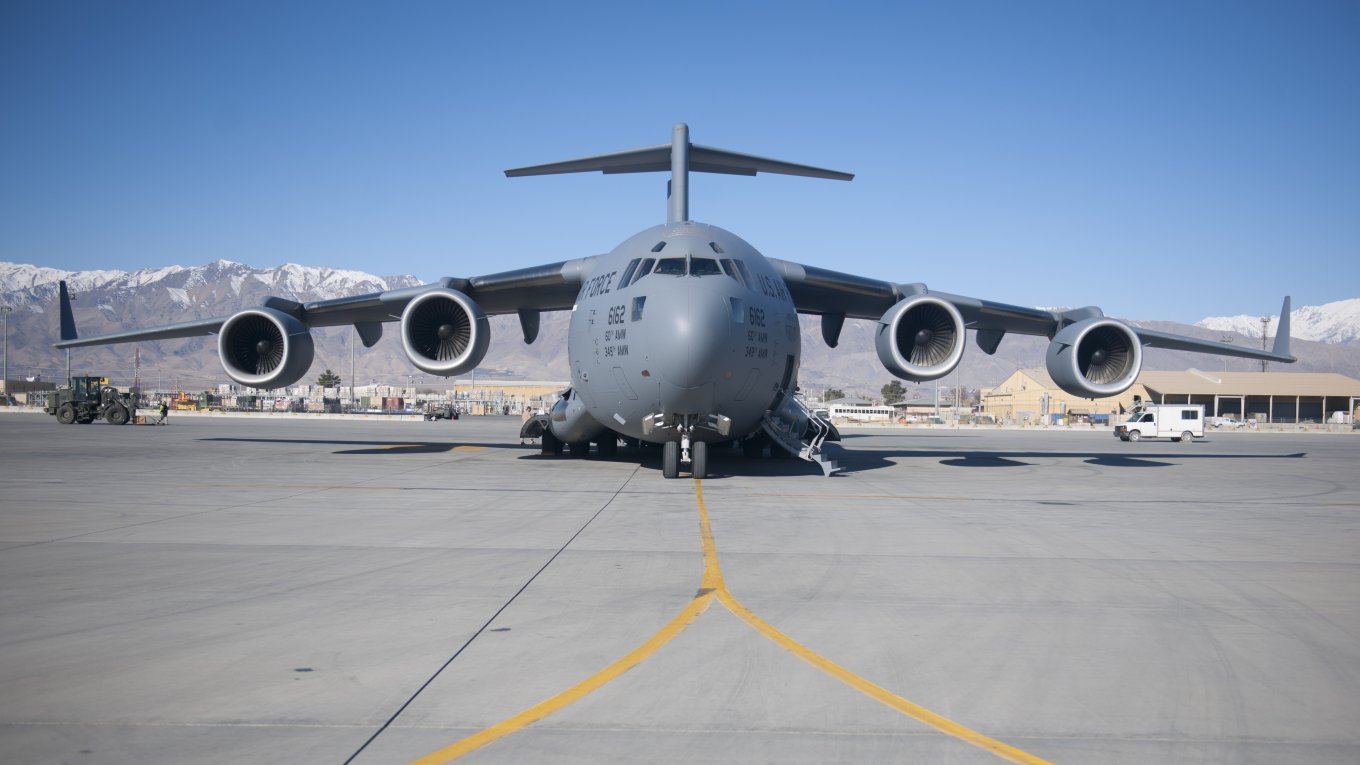
One is operations involving destinations with elevated security risks. C-17 aircraft have previously been used to transport senior American officials to Afghanistan, where military aircraft and their defensive capabilities were more appropriate than conventional government transport.
Another important advantage is cargo capacity. A C-17 can carry not only passengers but also vehicles, specialized equipment, and the personnel needed to support a large delegation.
This may offer one possible explanation for the choice of aircraft. A U.S. diplomatic motorcade was spotted in Moscow following the C-17's arrival, although there is no public confirmation that the vehicles were transported aboard the aircraft.
The C-17 is capable of carrying cargo as large as an M1 Abrams tank. Depending on their size and configuration, it can also transport multiple conventional or armored vehicles.
If the delegation required its own dedicated transport or specialized equipment, the C-17 would provide a level of logistical independence that smaller government aircraft simply could not offer.
At the same time, the use of a U.S. military transport aircraft may also reflect heightened security requirements surrounding the visit. Bringing personnel, equipment, and potentially vehicles directly with the delegation would reduce reliance on local infrastructure during a sensitive trip.
However, without an official explanation from Washington, the exact reason for choosing the C-17 remains unknown. What is confirmed is that a U.S. Air Force C-17 was used for Ratcliffe's trip and that a U.S. diplomatic motorcade was seen in Moscow after its arrival. The official purpose of the CIA director's visit has not been publicly disclosed.
The visit itself also appears to have been relatively brief. Public reporting and flight-tracking observations indicated that the C-17 arrived in Moscow in the morning and departed later the same day.
Read more: Saab Announces When Its Unmanned A3 Fighter Jet Will Be Released, But Sets a Key Condition