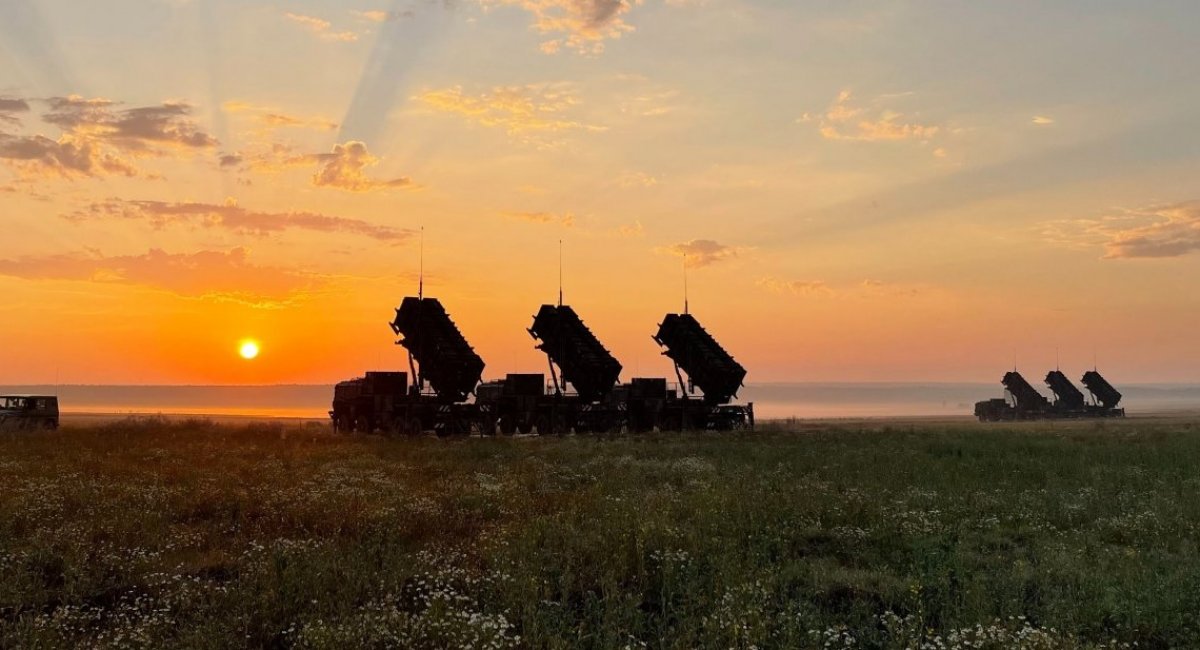
U.S. President Donald Trump's words about Ukraine receiving Patriot missile licenses for a less modern version seemingly already clearly points to specific missile model.
Currently only two types are in serial production: modern PAC-3 MSE from Lockheed Martin, whose serial production began in 2024. It demonstrates best effectiveness in combating ballistic missiles and through kinetic intercept, crashing into target, destroys threat together with warhead still in air.
Read more: U.S. Air Force Targets 500 CCA Drone Fighters by 2032, Production Outpaces Budget
Older is PAC-2 GEM-T from Raytheon, accepted into service in 2002, but missile itself is result of evolutionary development from first MIM-104A surface-to-air missile version produced since 1980. Its capabilities allow only engaging ballistic missile through proximity detonation and fragments, which may deflect threat from target.
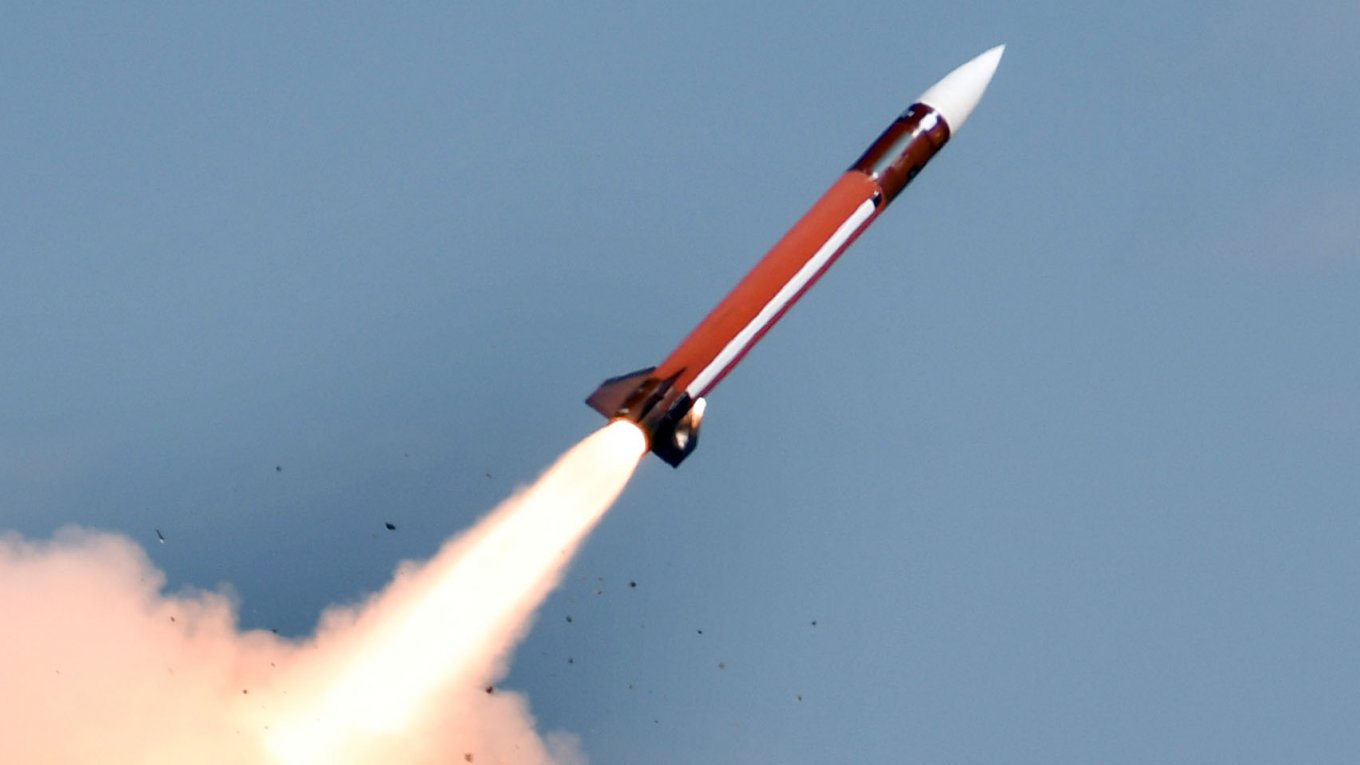
Also PAC-2 GEM-T has lower ballistic target kill probability, estimated at around 60%, not 80-90% like PAC-3 MSE, requiring launching minimum two PAC-2 GEM-T per target. Additionally, PAC-2 GEM-T has approximately half the range and engagement altitude parameters.
Despite this, PAC-2 GEM-T has very important advantage — absence of production bottlenecks that exist in PAC-3 MSE and critically constrain its production volumes. PAC-2 GEM-T lacks entire range of complex and expensive components: active radar seeker, lateral maneuvering gas-dynamic system and dual-pulse solid-fuel engine.
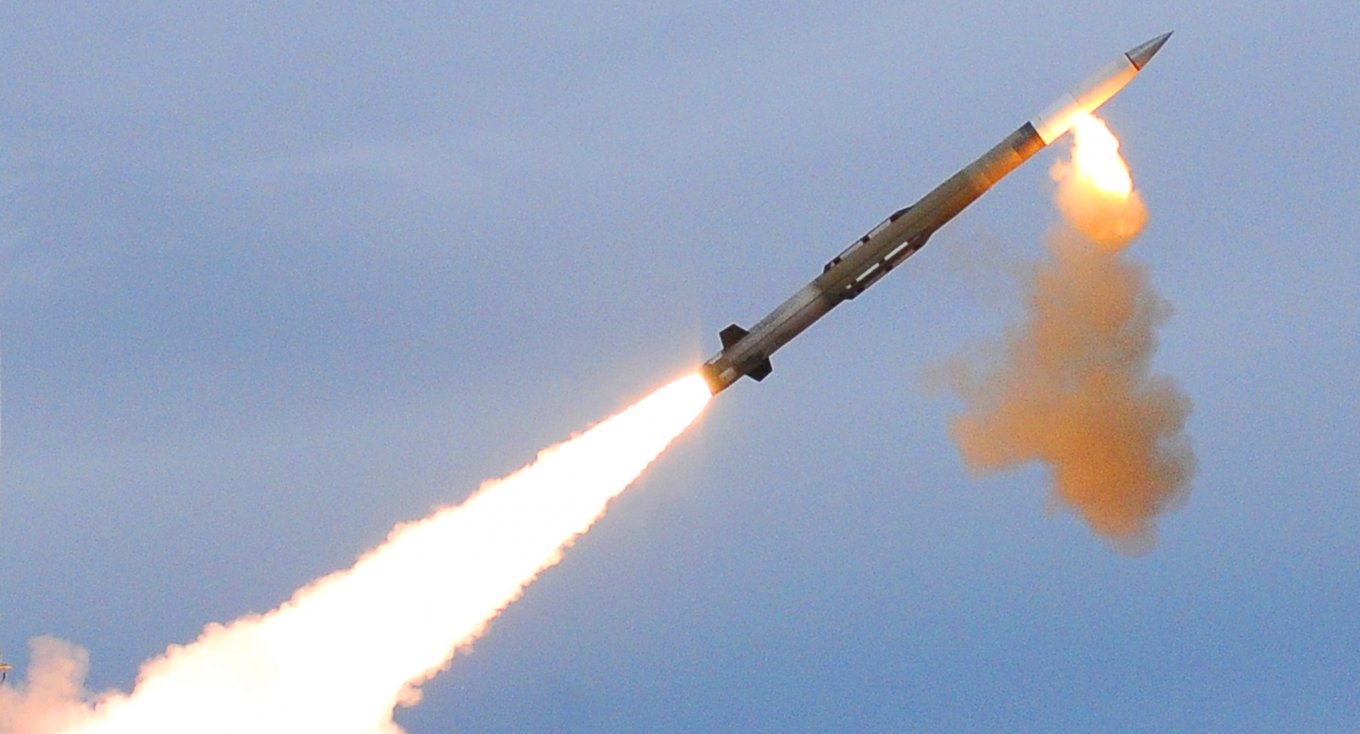
This is precisely why Germany decided to independently produce PAC-2 GEM-T. Production line at COMLOG facility, set to begin operation already this year after two years of work, plans to produce 180 of these surface-to-air missiles annually. Meanwhile in Japan, PAC-3 MSE assembly is limited to 30 units annually and cannot be quickly expanded, as it depends on seeker production at Boeing facilities.
At same time, considering current White House occupant is not distinguished by precision and clarity of formulations, one more Patriot missile remains that could fall under less modern version definition.
This is future PAC-3 ACE from Lockheed Martin, which can be considered less modern because like PAC-2 GEM-T it lacks lateral maneuvering gas-dynamic block and dual-pulse solid-fuel engine, additionally having simplified active radar seeker.
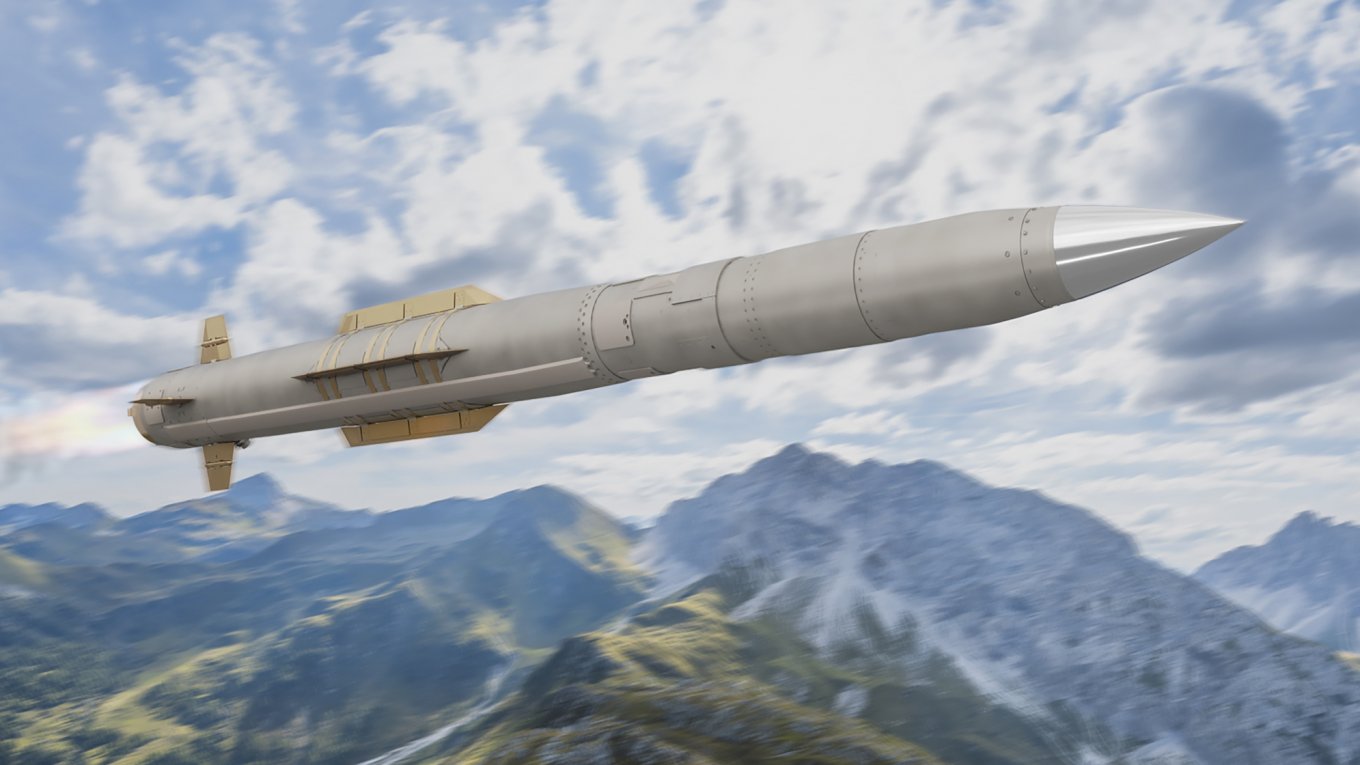
As Lockheed Martin acknowledged, this means PAC-3 ACE will not have kinetic intercept capability but will cost half as much. Also company creates this missile considering its production in Europe.
However worth adding, first PAC-3 ACE launch is planned early 2028, meaning work completion somewhere in 2030s. Therefore faster perspective is specifically PAC-2 GEM-T, which in this overall situation may quite be best option of all despite its obvious disadvantages.
Read more: Australia Took 7 Years and $1B for NASAMS to Reach Full Readiness, Ukraine Mastered Same System in Weeks