Burdened by mounting debt, declining freight volumes, and an emerging diesel fuel shortage, the russian Railways (RZD) is once again raising tariffs in an effort to stabilize its finances, according to Ukraine's Foreign Intelligence Service (SZRU).
Instead of waiting until next year, RZD will increase tariffs on October 1. Freight transportation rates will rise by 8.5%, while long-distance passenger fares will increase by 9.2%. It is already the second unscheduled fare hike in 2026. Earlier this year, the russian government introduced an additional "security" surcharge to help finance RZD's investment program. Even so, the company was forced to slash planned investment spending by nearly 25%, reducing it to 713.6 billion rubles.
Read more: Sanctions Are Driving russia's Aviation Industry Into Crisis, Forcing Rostec Into a Major Restructuring
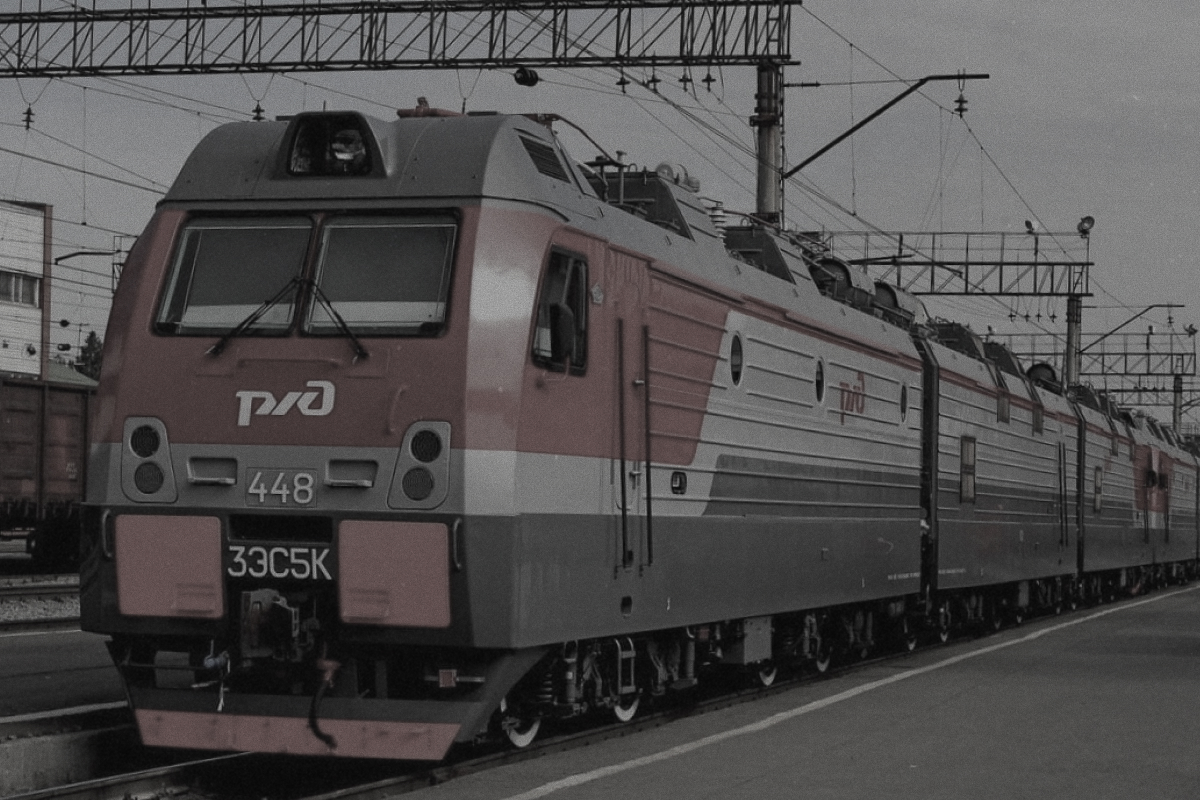
The tariff hikes come as RZD's financial burden continues to grow. The company's debt has approached 4 trillion rubles, while freight volumes continue to decline. Last year, the railway network transported only 1.1 billion tons of cargo, the lowest annual figure since 2009.
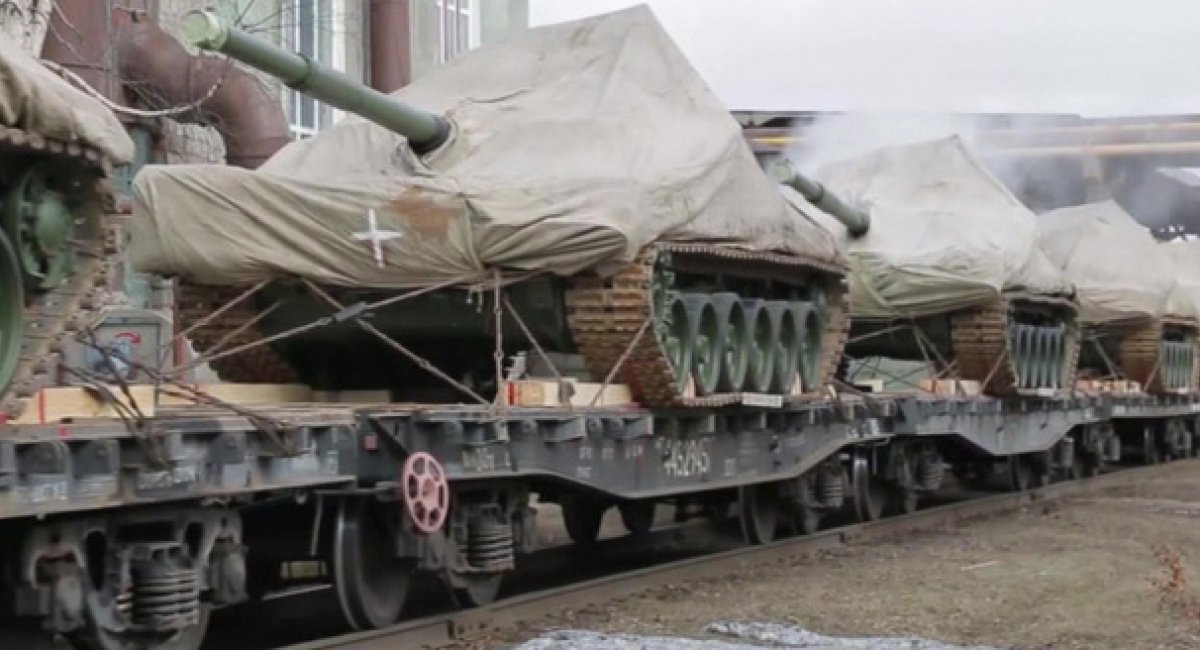
For the Kremlin, this is more than a commercial problem. russia's railway network remains the primary means of transporting heavy military equipment, ammunition, fuel, and industrial products across the country's vast territory. Any deterioration in its financial position directly affects one of the key pillars supporting russia's war effort.
According to the SZRU, RZD's financial difficulties are now being compounded by another problem: a shortage of diesel fuel for industrial railway operations. Operators of industrial spur lines, which connect factories, mines, and quarries to the national railway network, are facing supply disruptions and rapidly rising fuel prices. More than 80% of russian freight traffic relies on these sidings, whose locomotives and maintenance equipment operate almost exclusively on diesel fuel.
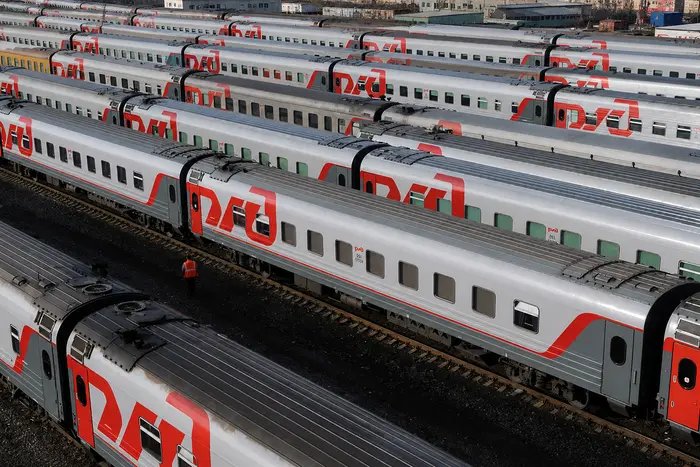
In some regions, diesel prices have surged to 150–180 rubles per liter, more than double the price recorded at the beginning of the year. According to the SZRU, the increase from roughly 60 rubles per liter occurred within just one week. With virtually no practical alternative to diesel-powered equipment, the fuel shortage is placing additional strain on logistics operators that are already struggling with declining freight volumes and shrinking revenues.
While these problems are unlikely to disrupt russian military logistics overnight, they are steadily increasing the cost of sustaining the country's transportation network. Higher operating expenses, mounting debt, and reduced investment leave fewer resources available to maintain and expand the infrastructure that supports both the civilian economy and the defense industry. Rather than addressing these structural weaknesses, the Kremlin is once again relying on higher tariffs to keep one of its most strategically important state enterprises afloat.
Read more: Ukrainian Drones Strike Another Wildberries Logistics Hub, Saratov Oil Refinery Hit for the 15th Time