


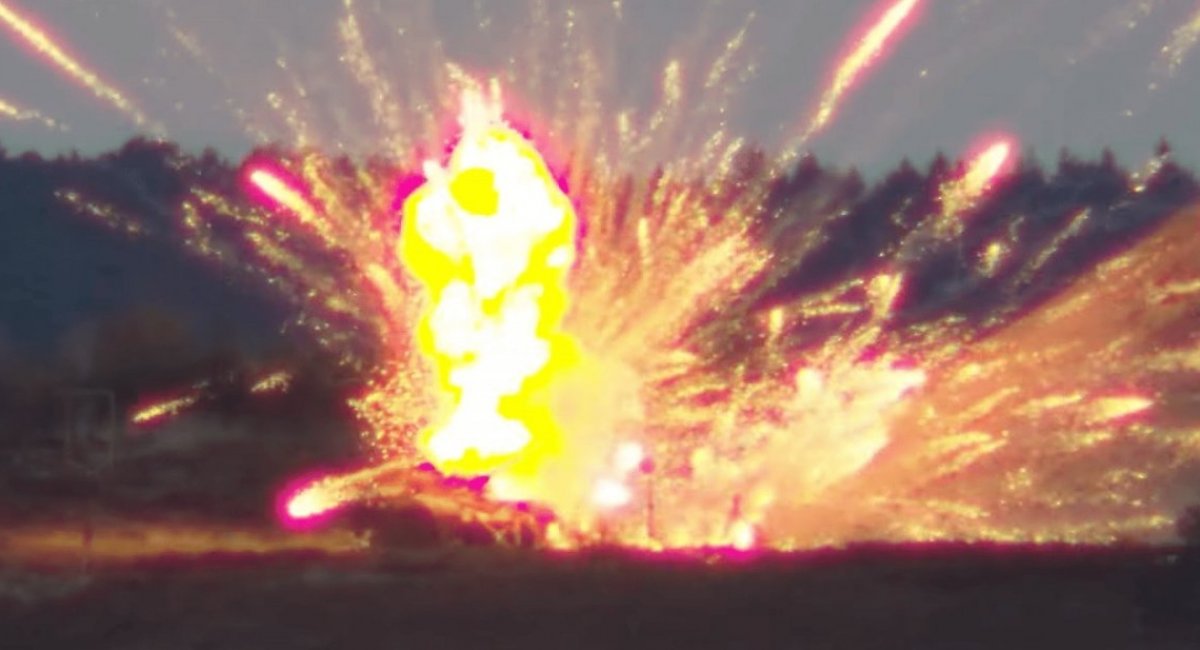
German concern Rheinmetall has published the first video of tests for their new FV-014 strike unmanned system. It was first presented only in September 2025, with only exhibition models visible since then.
Rheinmetall also announced the successful demonstration of its FV-014 for a potential customer, during which the drone simulated several operational scenarios and attacks. The specific potential customer has not been disclosed, though it is noted to be a NATO country.
Read more: Türkiye to Begin Serial Production of New Tayfun Block 4 Hypersonic Missile with Potential Range of 3,000 km
Importantly, during the initial FV-014 presentation, Rheinmetall stated it had already been tested in combat. Obviously, if it genuinely underwent such trials, this was likely in Ukraine, as this is currently the only place in the world where products can be tested under modern battlefield conditions. In other words, it was first developed in secret, then apparently secretly tested in Ukraine.
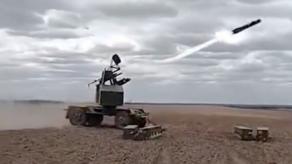
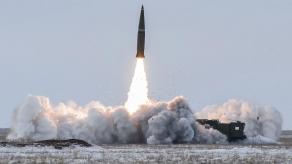
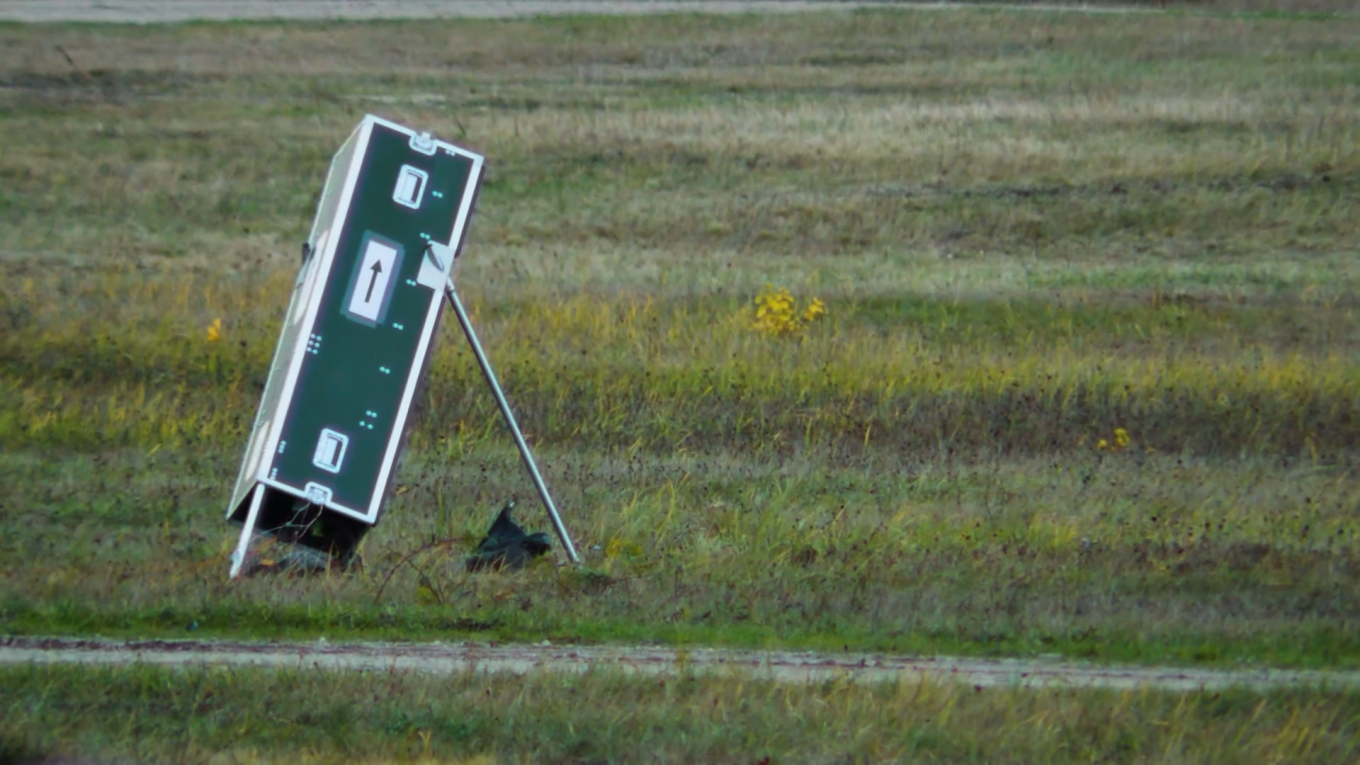
Returning to the published video, several important details are visible. Launch occurs from a rectangular transport-launch container using a solid-fuel rocket motor.
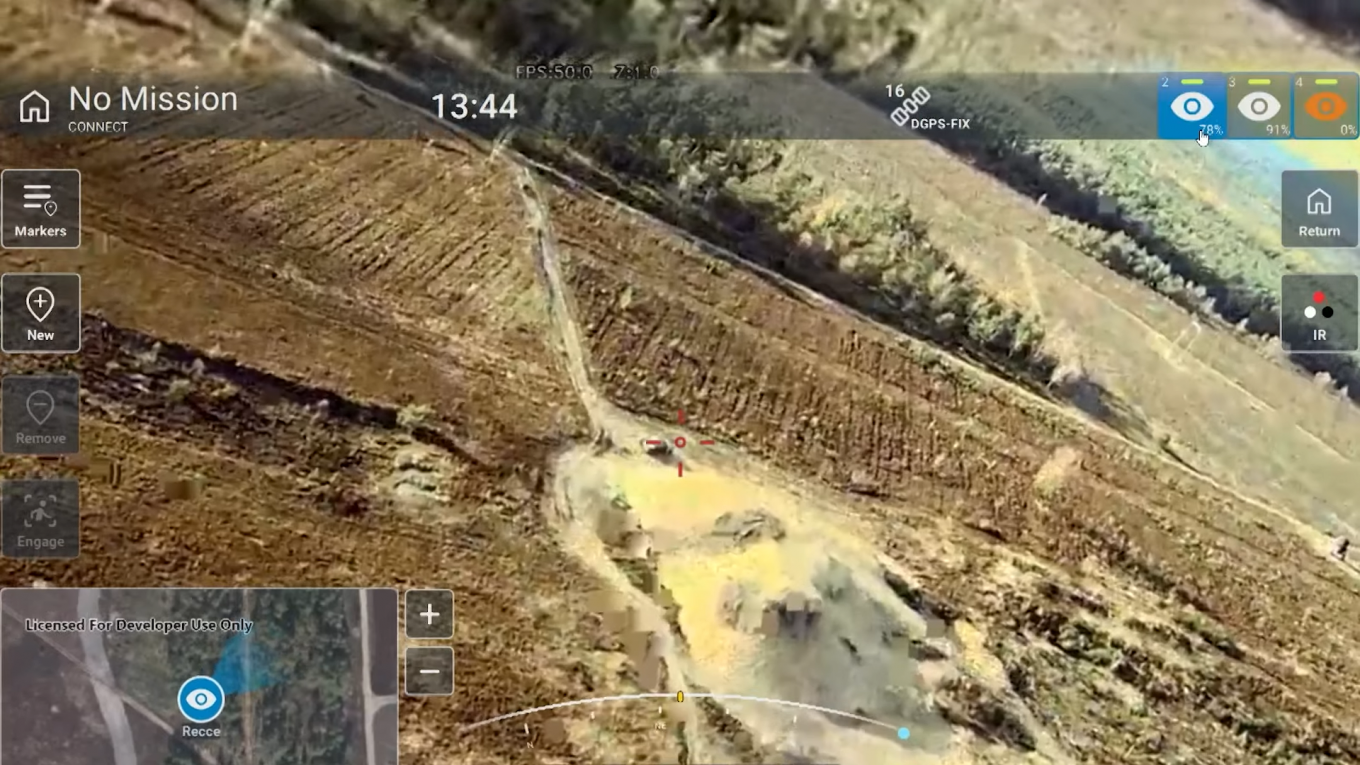
For guidance, FV-014 apparently has a standard daylight camera and likely a thermal imager. The published footage also shows that the camera image quality as well as its stability are not optimal, especially considering the tests likely occurred under ideal conditions with the operator probably located nearby.
Questions arise about the image quality the FV-014 operator will receive at maximum range and under conditions of active electronic warfare. Though if such problems genuinely exist, this can currently be attributed to ordinary teething troubles that may be corrected over time, as FV-014 is effectively still in the final development stages.
Regarding specifications, the maximum range is stated as 100 km, though the communications range is only 60 km. Total FV-014 weight is approximately 20 kg, with 5 kg allocated to a combined shaped-charge fragmentation warhead of High-Explosive Dual-Purpose (HEDP) type, capable of penetrating up to 600mm of armor.
Flight duration is 70 minutes. FV-014 is announced as capable of operating in swarms, when one operator simultaneously controls multiple such unmanned systems. The capability to operate under conditions of absent satellite navigation signals is also claimed.
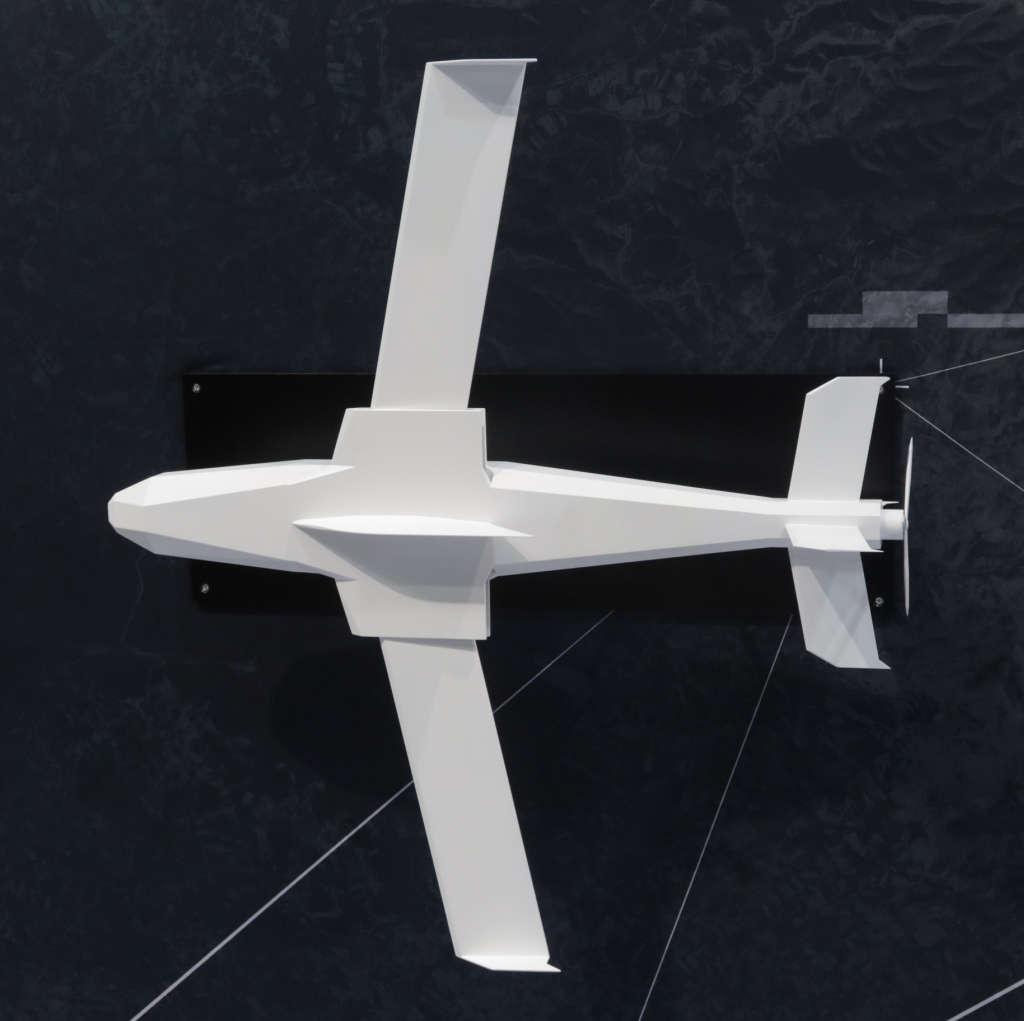
An interesting feature is the faceted body, reducing its radar and infrared signature. Combined with an electric motor, this makes detection extremely difficult.
Read more: Ukrainian Ratel H UGV Now Equipped to Launch FPV Drones With New Four-Cell Launcher