


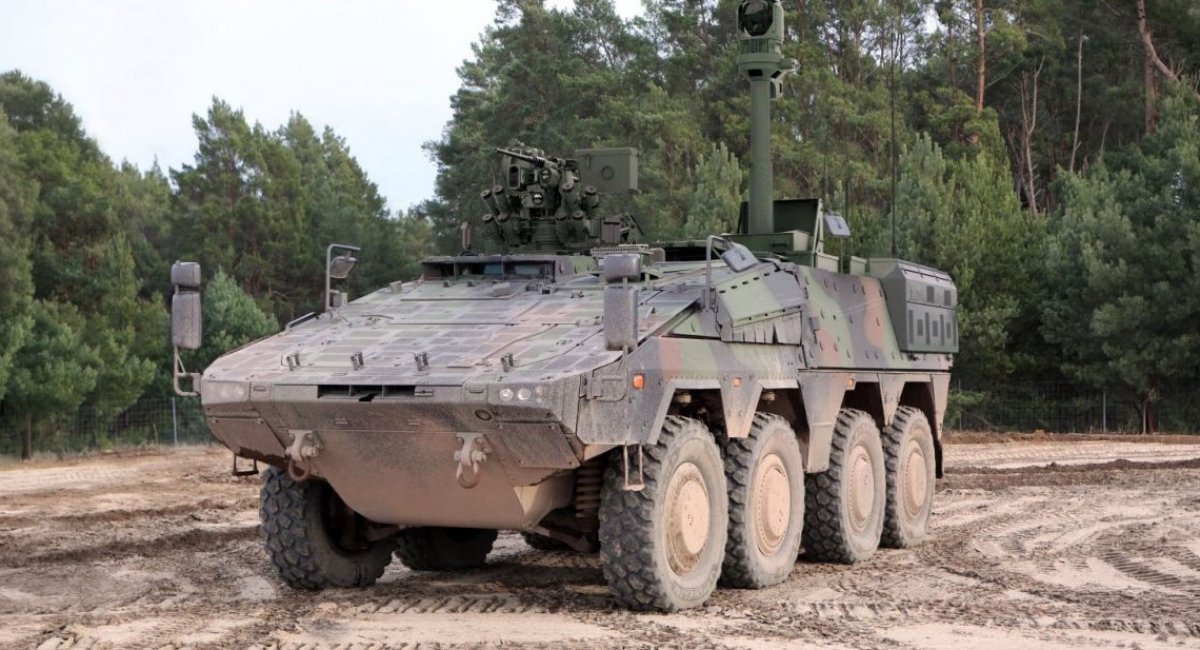
The German armed forces are considering the possibility of purchasing 150 to 200 target designation and guidance vehicles on the Boxer chassis. This configuration was created according to a 2021 order within the Joint Fire Support Teams, schwer (JFSTsw) project.
The task of these vehicles is to detect and illuminate enemy targets with a laser designator for their destruction by ground and air assets. German specialized publication Hartpunkt reported that procurement of this Boxer version is being considered.
Read more: A-10's iran Performance Triggers Calls to Reverse Retirement Despite Age, Spare Parts Cannibalization
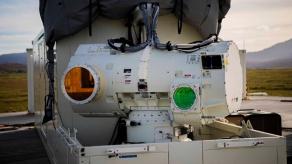
The publication also notes that Thales will supply the optronic station on a special mast. We're talking about the Panoramic Above Armour Gimbal (PAAG) station produced by the company's Scottish division.
PAAG is certainly a state-of-the-art optical sighting station with advanced sensors. However, the main problem is how exactly it should be used and how exactly Boxer with it should perform its task to reconnaissance and target designation.
Any such ground-based optical system mounted on armored vehicles presupposes placement in close proximity to the battlefield. The actual task of Boxer with PAAG will be to approach the front line, where it will immediately be noticed and become a priority target for destruction. If lucky, it will try to find and shine a laser on the target until it's hit.
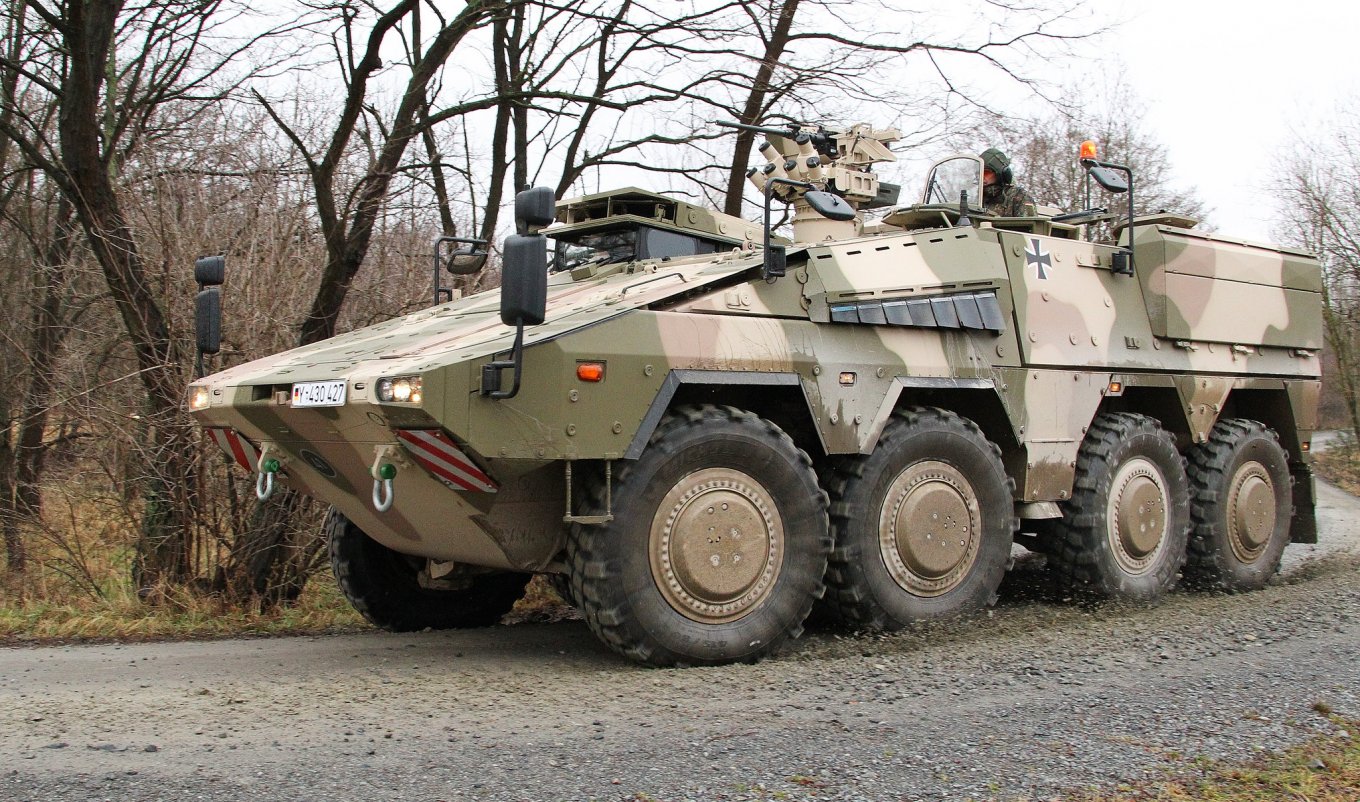
Moreover, if such a system is truly needed, there currently seems to be no sense in installing it on crewed equipment. The same PAAG but on an unmanned ground vehicle looks at least more practical. Both considering the lower visibility of a robotic platform compared to a 35-ton armored vehicle 8 meters long and 3 meters high, as well as reducing risk to personnel.
This is without the possibly debatable question of the need for even unmanned but specifically ground-based target designation assets, compared to reconnaissance and target illumination capabilities using UAVs.
Overall, as of 2021, when the development of the target designation vehicle on Boxer chassis was ordered, the Bundeswehr may indeed have seen a need for such an asset. However, in 2026, with obvious battlefield dronization and the need for strike assets operating beyond line of sight, such vehicles look archaic. The sense of ordering a whole 150-200 units obviously requires explanation.
Read more: Ukrainian Defense Companies Sign Cooperation Agreements with Spanish IRIS-T Components Manufacturer