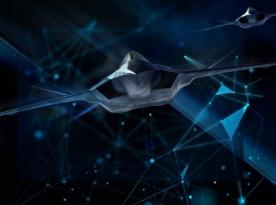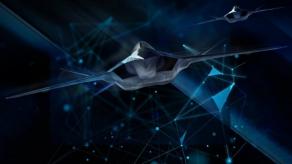



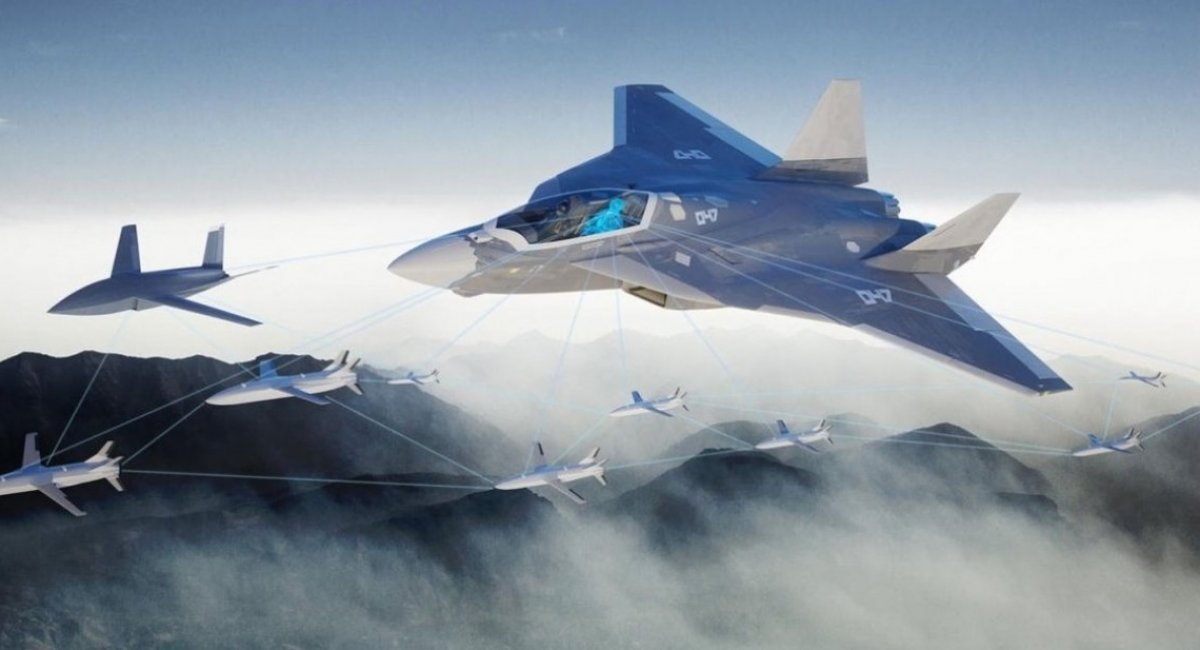
The pan-European future combat air system project FCAS should have officially ended late last year, when the French and Germans definitively diverged in their vision for how it should develop further.
However, the parties have not yet made the decisive decision to announce the termination of the ambitious, multi-billion-euro program to create a sixth-generation fighter.
Read more: $65M Loss Instead of Three Tu-95MS Repairs: Results of Ukrainian Strikes on russia's Beriev Aircraft Plant
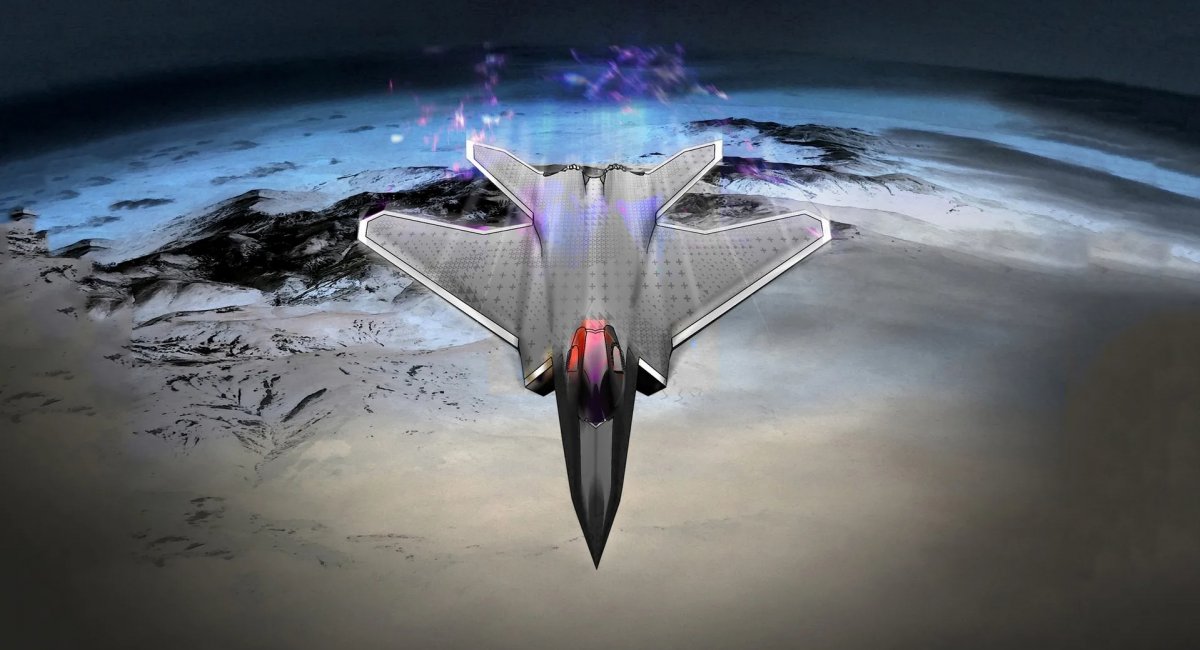
The first high-ranking official to acknowledge the project is ultimately finished became Belgian Defense Minister Theo Francken, though this country participates in the project as an observer. Citing German Chancellor Friedrich Merz's words, he concluded that the FCAS project is dead and that there will be no Franco-German sixth-generation fighter, although Spain also officially participates in the project. Belgium was an observer in the program. We will reconsider our position.
At the same time, Merz did not directly state that Germany is leaving the FCAS project obviously, making such a decision unilaterally would have political consequences, as this involves a program that has been ongoing since 2017 and outlines the future of combat aviation for several European countries for decades to come.
In his Machtwechsel podcast interview, he merely repeated what was already known the French want a lighter aircraft that could be operated from an aircraft carrier, whereas this is not what we currently need in the German military. At the same time, Airbus has already proposed a way out of this situation split the program into two separate fighters that would separately satisfy both France and Germany.
At the same time, the unifying components could remain the combat air cloud as well as the loyal wingman unmanned fighter aircraft, which are two other elements of the FCAS project. For now, however, it appears FCAS will simply be buried without any chance of implementing any of its individual parts.
Meanwhile, Belgium as an observer called the idea of dispersing into yet another fighter complete madness according to the country's defense minister, having three sixth-generation fighters in Europe is expensive, and it would be better to combine everything into one large pan-European program. Which, however, would face an even larger pile of problems, so it is unlikely to be realized.
Interestingly, although Merz states that FCAS's problem lies in differing views on what a sixth-generation fighter should be, the root cause of the scandal between Germany and France was the question of work distribution in the project. Moreover, last year Dassault Aviation CEO Eric Trappier publicly showed Germany the door, stating that Dassault knows how to make fighters independently.
Overall, it turns out that today there are no hints that FCAS can be saved in any way, the only question is who will first risk taking the blow of announcing definitive termination or unilateral withdrawal from the program.
Read more: EU's Only Ballistic Missile Producer ArianeGroup Seeks Germany Cooperation, But Past Franco-German Projects Raise Doubts