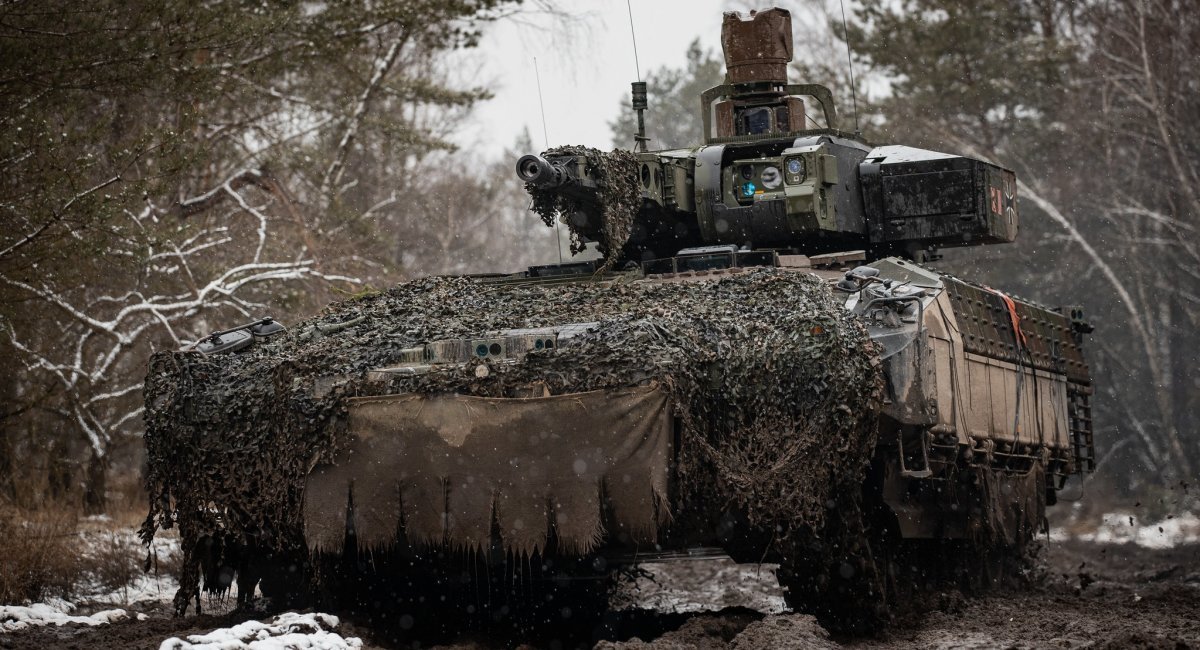
As part of its security guarantees for Ukraine, Germany has proposed making a "decisive contribution" to the concept of turning Ukraine into a "Steel porcupine."
This would involve large-scale arms supplies, including a 20% annual boost to Ukraine's air defense capabilities and the equipping of five brigades. Regarding the latter, the proposal envisions delivering 480 IFVs every year, according to The Telegraph. From a Defense Express perspective, the key question is how feasible this truly is.
Read more: What's Special About the Puma APC Secretly Delivered to Ukraine by Italy
Supplying nearly half a thousand IFVs per year is an enormous undertaking. For context, the Bundeswehr currently fields 680 tracked IFVs (330 Marders and 350 Pumas), plus around 330 heavy wheeled Boxer armored vehicles, most of them in APC configurations.

If the term "infantry fighting vehicles" refers strictly to tracked platforms, Germany itself is only procuring new Pumas. Under the long-term budget plan through 2029, €3 billion has been allocated for their acquisition. At a current unit cost of around €30 million, this amounts to roughly 100 vehicles — to be jointly produced by KNDS Deutschland (KMW) and Rheinmetall by the end of the decade.
Wheeled IFVs, however, are also an option. The Boxer, for example, can be fitted with a turret-mounted automatic cannon. It is significantly cheaper, with an estimated price of €5 million per unit. The Bundeswehr plans to procure them in substantial numbers under a €3.9 billion program. Yet even here, this equates to only about 600–800 vehicles, with deliveries scheduled well into the 2030s.
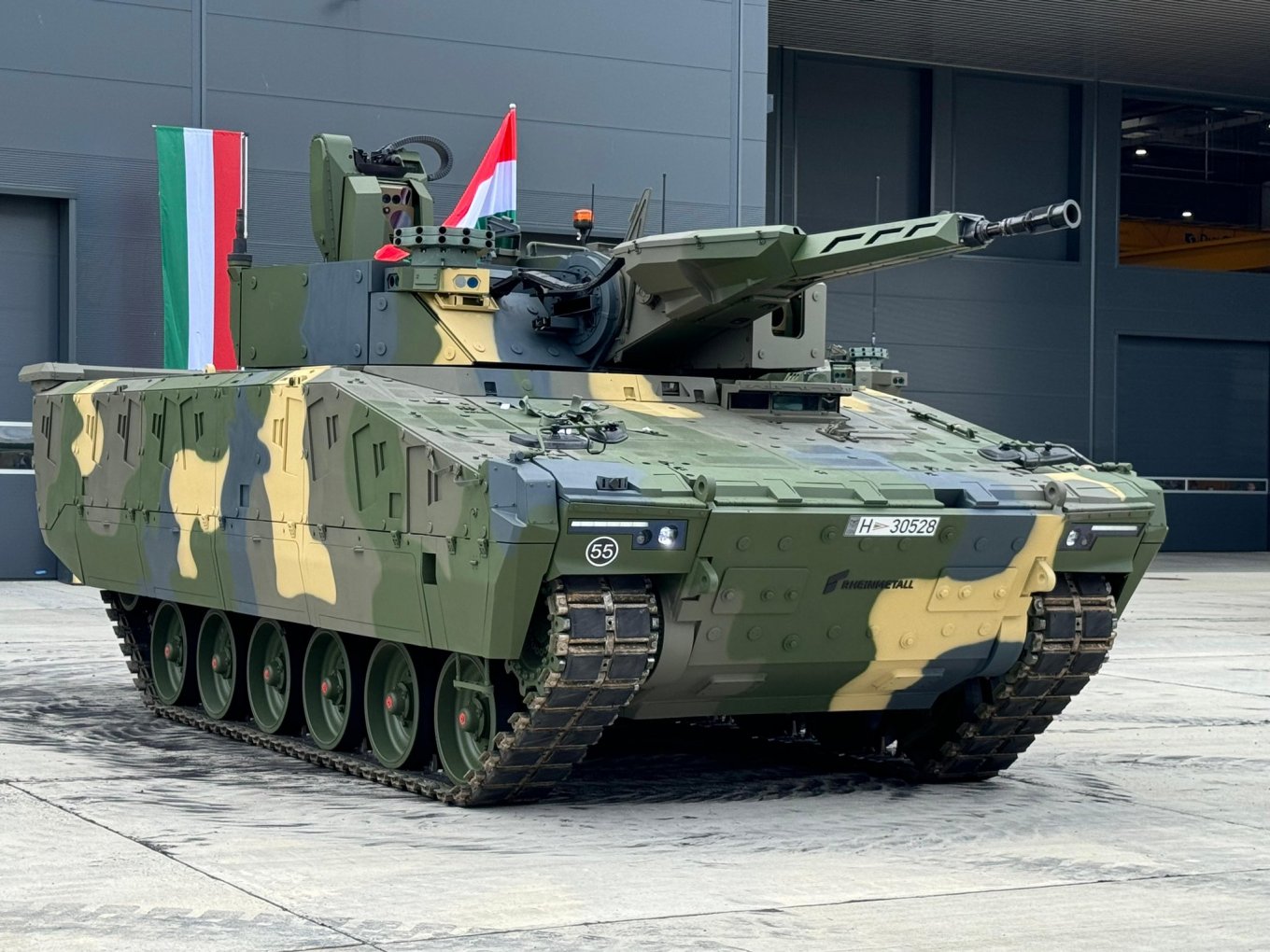
In other words, the math does not yet add up. A more realistic interpretation may be that Berlin intends to fund IFV procurement without relying solely on German production capacity. At least part of the work could be localized in Ukraine — a very positive scenario, particularly in light of Rheinmetall's plans to produce its Lynx IFV domestically. The Lynx is already undergoing trials, although it has not yet been deployed on the battlefield.
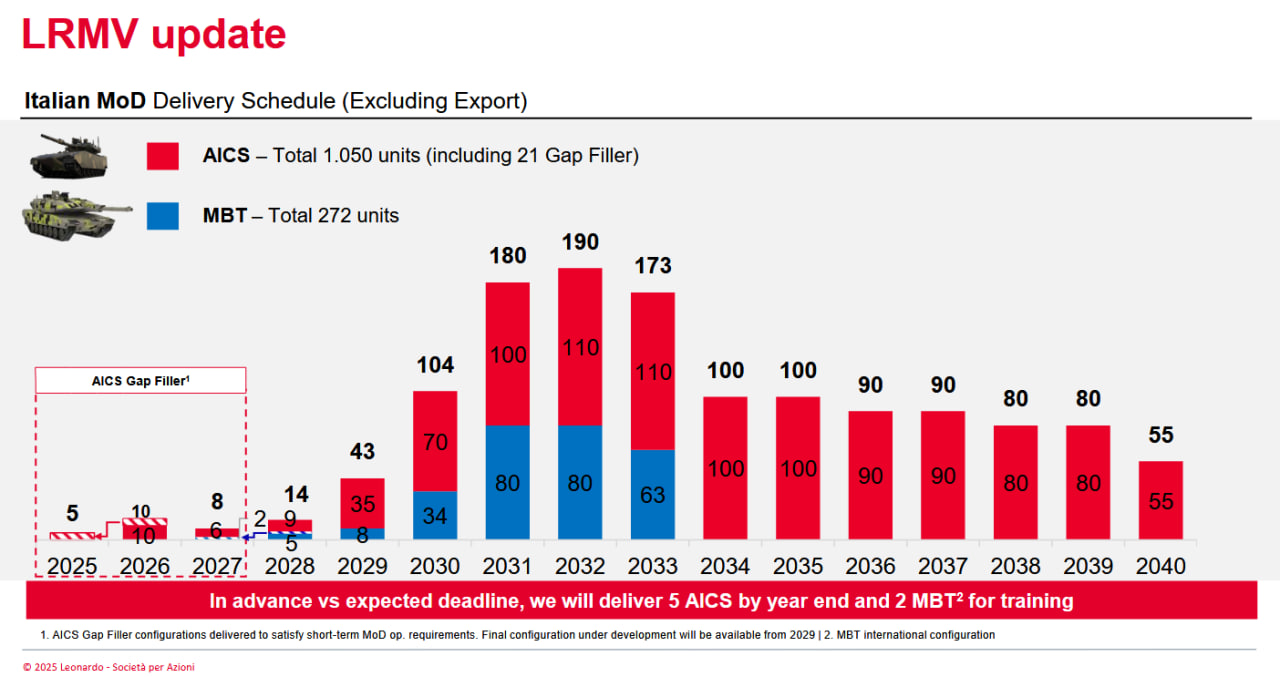
There are relevant precedents. The Italian Army's planned acquisition of Lynx IFVs, for instance, is being carried out through Leonardo and Rheinmetall's joint venture, LRMV. That program envisions 1,050 Lynx IFVs and 272 Panther tanks. Mass production is set to begin after a four-year ramp-up, with peak output of 100–110 vehicles annually between 2031 and 2035.
Another example is the UK's localization of Boxer production. In 2019, London ordered 500 German-made Boxers for roughly $3 billion, later expanding the order to 623 vehicles. Of these, 506 are to be assembled at facilities in Stockport and Telford.
In January 2025, the UK marked a milestone with the completion of its first domestically produced Boxer. London now expects to reach an annual production rate of around 100 vehicles.
Taken together, these examples suggest that even with extensive localization, it is highly unlikely that German industry could deliver 480 IFVs per year, whether tracked or wheeled, to Ukraine.

If, however, the commitment refers more broadly to 480 vehicles of various types, sufficient to outfit five brigades under some organizational structures, then the Italian Lynx program indicates that this would realistically require 8–9 years.
Finally, it is worth noting that The Telegraph used the term "infantry vehicles," which is less precise than "infantry fighting vehicles." This may in fact refer to a wider mix of platforms, including trucks and unarmored transport, not just IFVs.
Read more: Germany Ramps Up TRML-4D Radar Production Used in Ukraine to 30 Annually