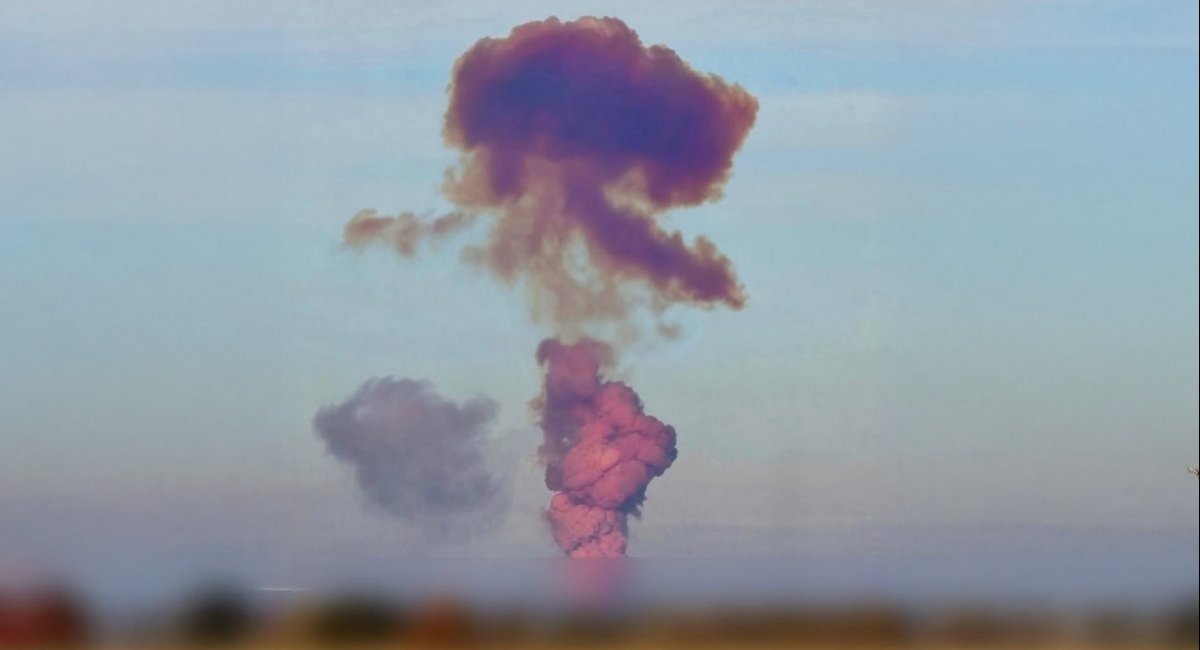
In the russian federation, near the Yasny town in Orenburg Oblast, russia, close to the border with Kazakhstan, a missile fell and exploded after its launch. The available footage shows it falling almost immediately after launch and exploding, raising a huge column of smoke of an unusual color into the sky.
From the side of Defense Express, we note that this color is inherent only to missiles that use quite toxic fuel - the so-called hypergolic bipropellant that concists of nitrogen tetroxide and unsymmetrical dimethylhydrazine, which are better known under the names "amyl" and "heptyl".
Read more: Russia’s Sarmat Intercontinental Ballistic Missile Flies 5 Times Worse Than North Korea's Missiles
Дуже схоже, що у РФ знову вибухнув "Сармат", який запустили з пускової бази "Ясное"Що на це вказує - https://t.co/V7STSVIZ8B pic.twitter.com/lv0V1wD6tz— DEFENSE EXPRESS (@DEFENSEEXPRESS) November 28, 2025
It is "amyl" and "heptyl" that are used in the fuel of a number of Soviet and now russian rockets and missiles. The most famous of which is Proton 8K82K (UR-500) rocket. After these missiles also fell and exploded, smoke of this unusual color appeared.
At the same time, the mentioned town of Yasny gives a very solid clue as to what kind of missile could have been launched, as next to it the the Yasny launch base is situated. It is part of the Dombarovsky position area of the the 13th Dombarovsky Red Banner Division, 31st Missile Army of russia’s Strategic Rocket Forces, which operates the R-36M2 Voevoda ICBM, better known by the Western designation SS-18 Satan. It is also this missile that is to be replaced by the promising russian RS-28 Sarmat ICBM.
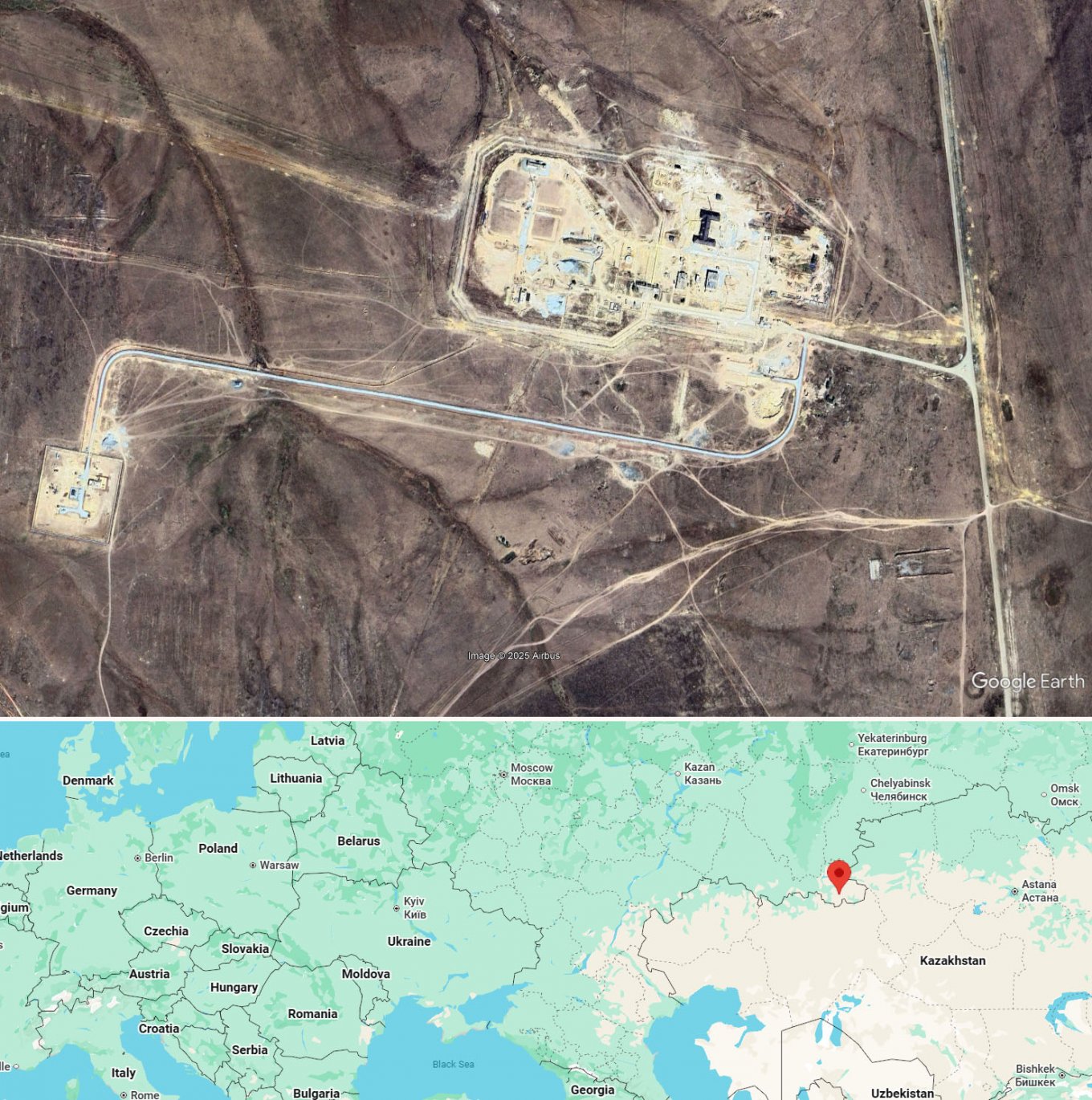
Previously, launches of converted R-36M ICBM - the Dnepr rocket system, which were fired from a regular underground missile silo, were carried out from the Yasny launch base. But the last launch of this missile was carried out back in March 2015.
It should be noted that in russia these days there have been no reports of the launch of any space rocket. Moreover, local media outlets that wanted to get information about this incident were advised to contact the russia’s Ministry of Defense for details. At the same time, there were also no announcements about the training of the russia’s Strategic Rocket Forces. Everything falls into place if we assume that these were another unsuccessful test of the RS-28 Sarmat intercontinental ballistic missile.
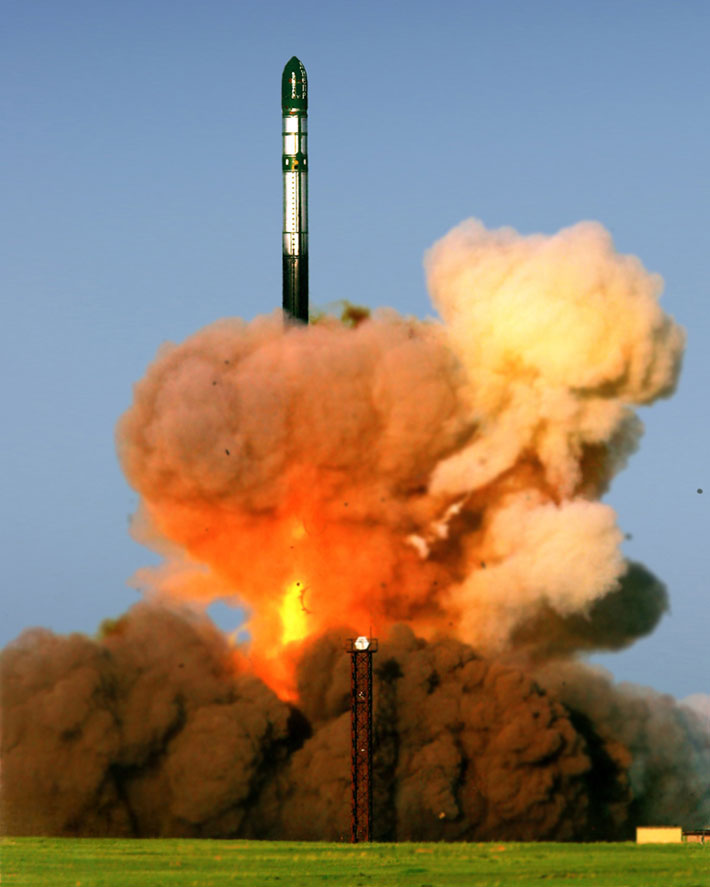
The fact is that on September 21, 2024, during its last tests, this missile exploded in a underground silo located at the Plesetsk cosmodrome - a russian spaceport located in Mirny, Arkhangelsk Oblast, near the town of Plesetsk, from which it takes its name. As a result of the explosion, the silo itself and the test ground were destroyed.
Given that the rassians still need somewhere to test the RS-28 Sarmat ICBM, which the Kremlin promises to "soon put" on combat duty annually from 2021, using the Yasny launch base for this is a fairly logical option. The RS-28 Sarmat ICBM is a modernization of the Soviet R-36 ICBM and also uses "amyl" and "heptyl" as fuel and it should also be launched from the underground silos that were intended for launching the R-36 missiles. At the same time, launch bases with the necessary telemetry equipment should be used for testing the RS-28 Sarmat ICBM, and the Yasny launch base meets this criterion.
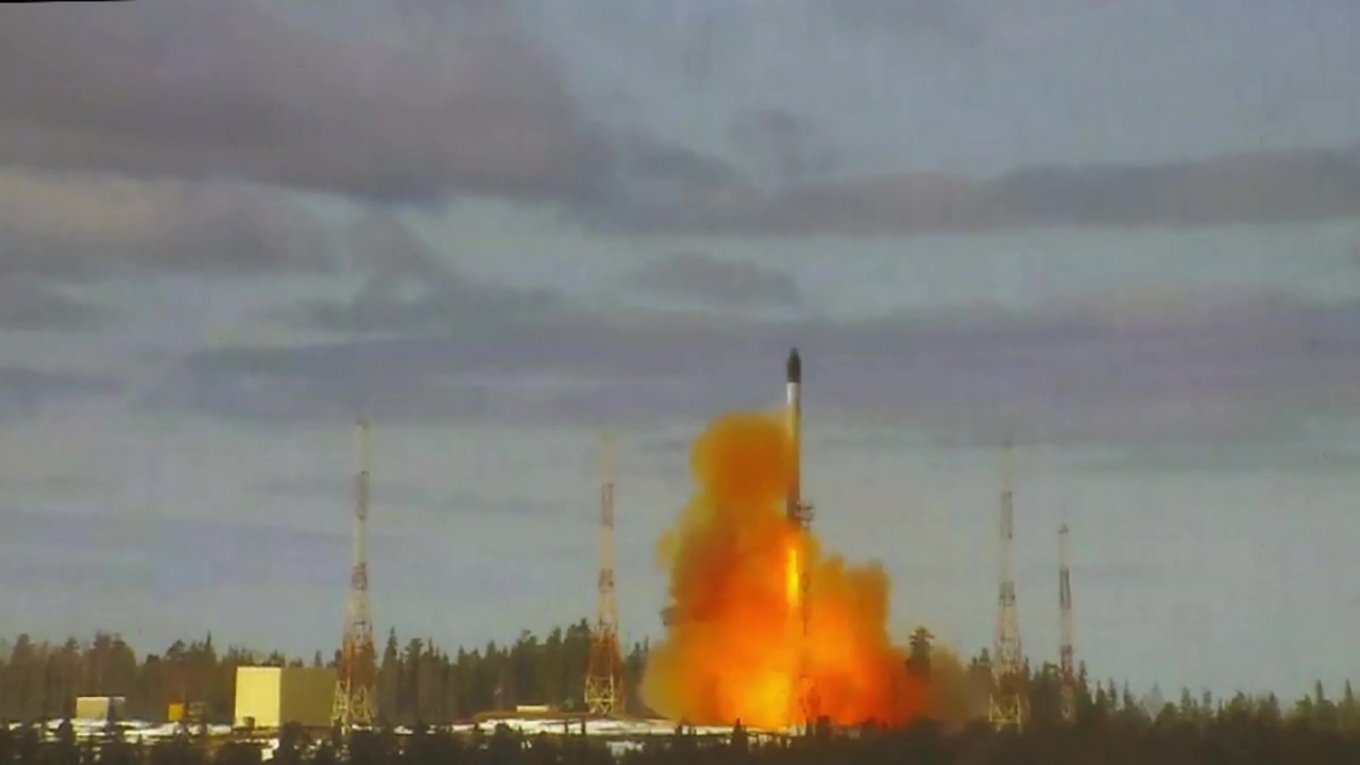
If this information is confirmed, then this was the third or fourth launch of the RS-28 Sarmat, of which just one was successful - at least partially. An alternative point of view expressed in relation to this incident is that it could have been the UR-100N UTTH strategic missile system with with the Avangard hypersonic hypersonic glide vehicle, which was also received by the 13th Dombarovsky Red Banner Division of russia’s Strategic Rocket Forces. This missile also uses "amyl" and "heptyl" as fuel.
It is worth adding that "heptyl" has a strong toxic and mutagenic effect – in high concentrations it is deadly. Given that the work on degassing the area after accidents with heptyl is quite expensive, Kazakhstan previously billed russia for 75-90 million dollars for each the Proton missile accident.
Read more: Missile Stuck in Time: "Sarmat Will Soon Enter Combat Duty" - The Kremlin's Favorite Phrase Since 2021