

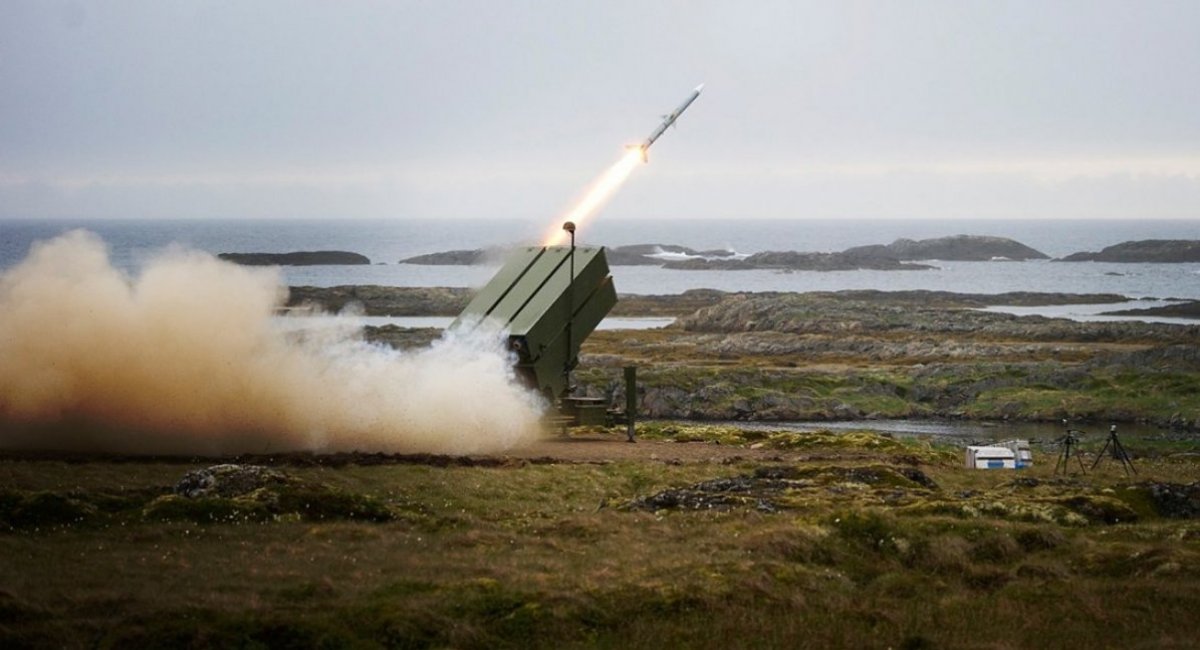
The United States has officially placed an order with Raytheon for the NASAMS intended for Taiwan, marking a long-awaited milestone in Taipei's effort to strengthen its air defense network. The contract, valued at 698.9 million USD, is scheduled for completion by February 28, 2031, underscoring both the system's global demand and the production pressures that have accumulated in recent years.
Taiwan originally received approval to purchase NASAMS in late October 2024, but its interest in acquiring the system dates back even further, to September 2022. The lengthy timeline highlights how difficult it has become to obtain NASAMS, system whose popularity surged dramatically after russia's full-scale invasion of Ukraine. The deployment of NASAMS within the Armed Forces of Ukraine and its strong operational performance further increased international demand.
Read more: How Much Could 100 Rafale Aircraft Cost Ukraine — Both to Buy and to Operate?
A closer look, however, reveals that the delays are logical. Although Taiwan expressed its intent to purchase the system in 2022 and even received an informal green light from Washington, several administrative and industrial steps remained. These included assembling all required documentation and waiting for an opening in Raytheon's production schedule, which has been operating at near-full capacity due to multiple international orders.
Funding also played a role. Early plans projected that money for the contract would be allocated in 2024, coinciding with the expectation that production capacity for Taiwan would become available. Thus, when the U.S. State Department approved two packages related to NASAMS in 2024, the decision aligned with the original roadmap, even if the final contract value later shifted.
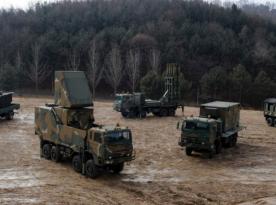
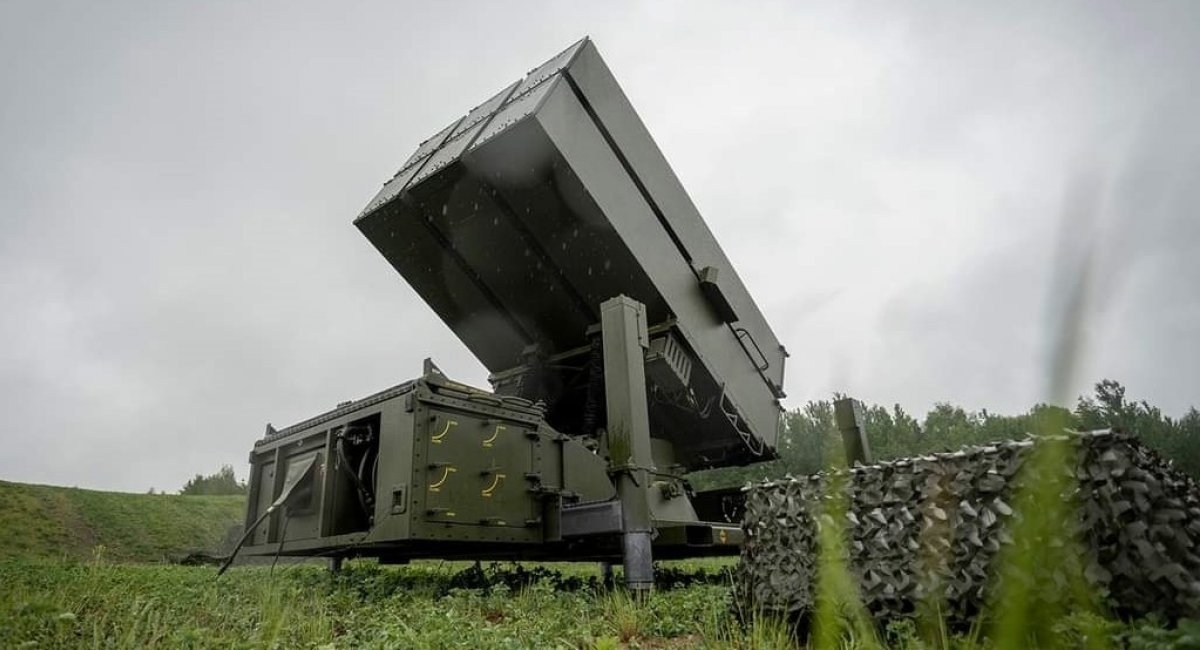
Those earlier packages amounted to a combined 2 billion USD. The first, worth 1.16 billion USD, covered three NASAMS launchers paired with three AN/MPQ-64F1 Sentinel radars and 123 AMRAAM-ER interceptors. The second, valued at 828 million USD, included the AN/TPS-77 and AN/TPS-78 long-range surveillance radars. Both agreements would also have included additional services such as training and support.
Given this context, the decrease from the originally approved 1.16 billion USD for NASAMS to the current 698.9 million USD reflects normal adjustments. The State Department traditionally lists maximum potential quantities and costs, while actual contracts may involve reduced numbers, revised configurations, or staggered deliveries.
The extended pause between approval and the formal signing of the contract likely stemmed from a mix of logistical, industrial, and political considerations. These may have included finalizing the technical composition of the order, negotiating delivery schedules amid high demand, or simply waiting for production slots to open.
Another factor may have been Taiwan's own uncertainty. Persistent delays with its new F-16V fighter jets, delays that have prompted talk of seeking compensation from the United States, could have influenced Taipei's timing or confidence in pursuing yet another high-value defense program.
Read more: Ukraine Uses ATACMS to Strike Military Targets Inside russia