


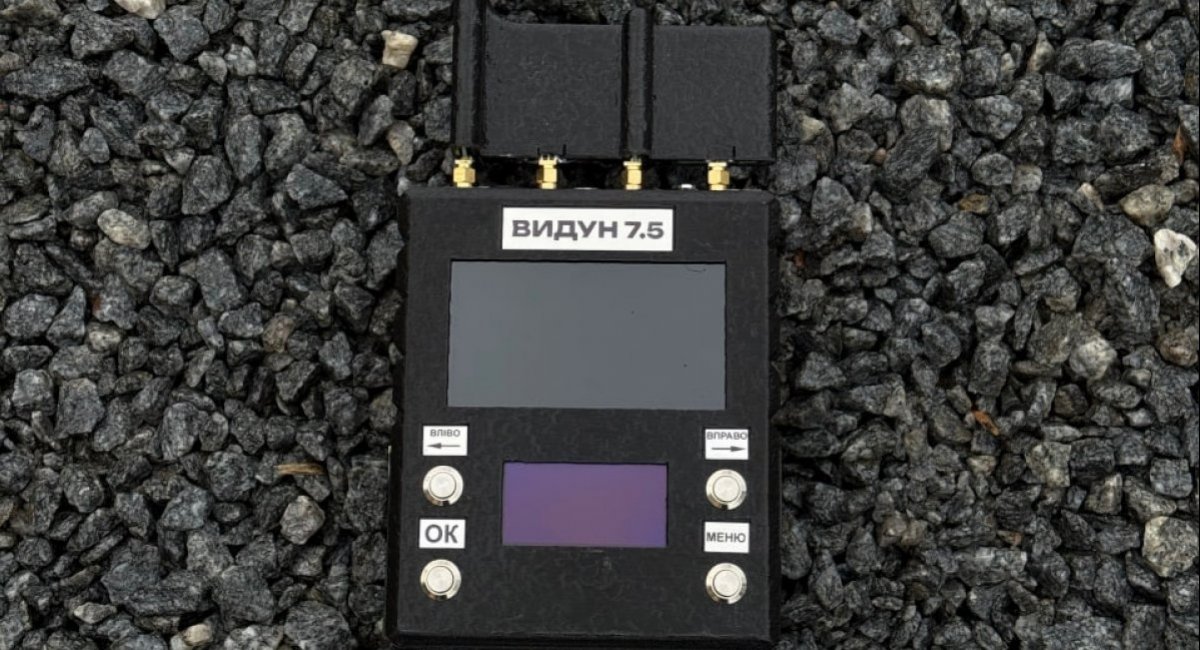
Ukrainian company Babai has developed and manufactures the Vydun 7.5 drone detector. It enables interception of the enemy’s analogue video signal from distances of up to 4,000 meters, with full 360-degree coverage.
The system operates across four frequency bands: 910–2200, 2200–4040, 4867–6100, and 6000–7500 MHz. All of them are analyzed simultaneously, thanks to a parallel scanning function, with scan cycles ranging from 3 to 20 seconds depending on the level of environmental interference and the selected operating mode.
Read more: British Skyperion "Shahed Detector" Tested in Ukraine, Cannot Detect Autonomous, Radio-Silent Variants
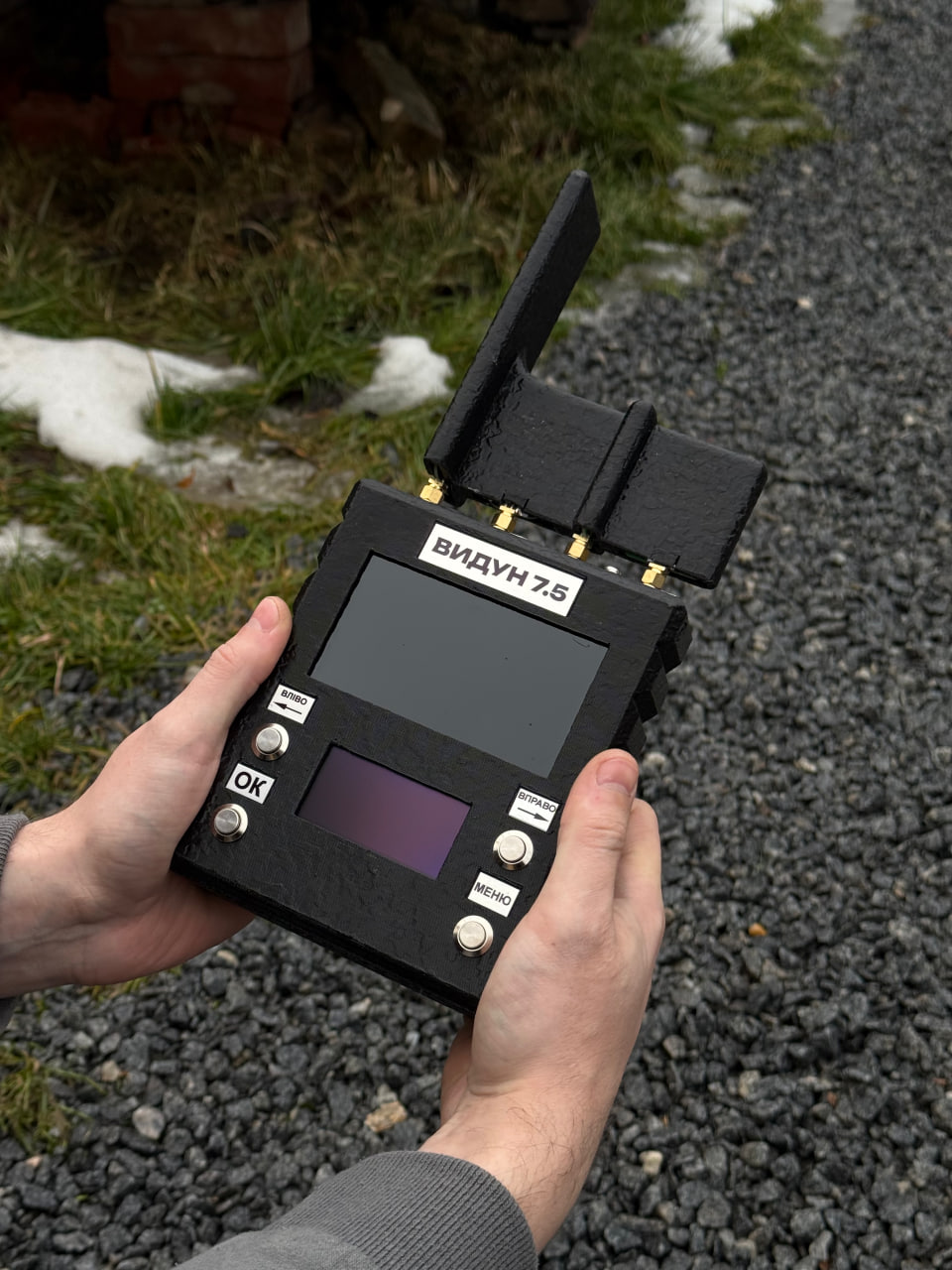
Simultaneously searching for drones across all bands increases the likelihood of issuing a timely warning about a threat. At the same time, it uses two algorithms. The first is fast monitoring, which searches for signals against a constantly updated frequency database. The second mode is step-by-step and is intended for detailed analysis with a 10 MHz step size, or any other step size set manually.
The intercepted video is displayed on a large 4.3-inch screen, which automatically switches off when not needed in order to save battery power. System service settings and the frequency of the detected signal are shown on a second, smaller display.
“It displays the video on the screen, while video channels are simultaneously scanned as another background process, and if one is detected, the operator can instantly switch between channels. No one in Ukraine does this. We can keep several such streams, and they rotate through them like a carousel. One, second, third video — and the operator understands which video feed is more relevant, selects it, and continues working,” says the Co-Founder of Babai.
The algorithms also filter out noise and various civilian signals and frequencies such as LTE, Bluetooth, and Wi-Fi. In other words, the detector should not produce false alerts from radios, phones, or routers. Babai also places major emphasis on updating the device’s database and software. In this way, the system is continuously improved based on user feedback and gains new capabilities.
“One of the features of all our detectors and devices is that everything is computerized. Any device we produce is fully computerized, and the firmware is updated remotely, just like on a phone. We update the firmware, and everyone who wants can update to a newer version. In the updated versions of the Vydun detector, there are settings for the scanning grid, scanning segments, and sound alert detection,” adds the Co-founder of Babai.
Timely updates also make it possible to keep the system relevant on the battlefield. Today, weapons and systems evolve rapidly, so it is essential to remain up to date, especially when it comes to the unmanned systems component. In order to have the necessary information, the developers stay in contact with the military.
As for battery life, the Vydun 7.5 features a 10,000 mAh battery, providing 6–8 hours of continuous monitoring. It can be charged from a standard 220V outlet, a car cigarette lighter socket (12–24V), or a regular power bank. At present, this detector model cannot intercept LoRa signals, but the developers promise to add this capability later.
“We temporarily removed LoRa. In the next releases, we will make sure LoRa is included here as well. Why didn’t we do it? Because the software is constantly being improved, the first versions of the code may not have been the most optimized. And if LoRa were added, it would be important not to overload the processor so that the battery would not drain faster,” explains Co-Founder of Babai.
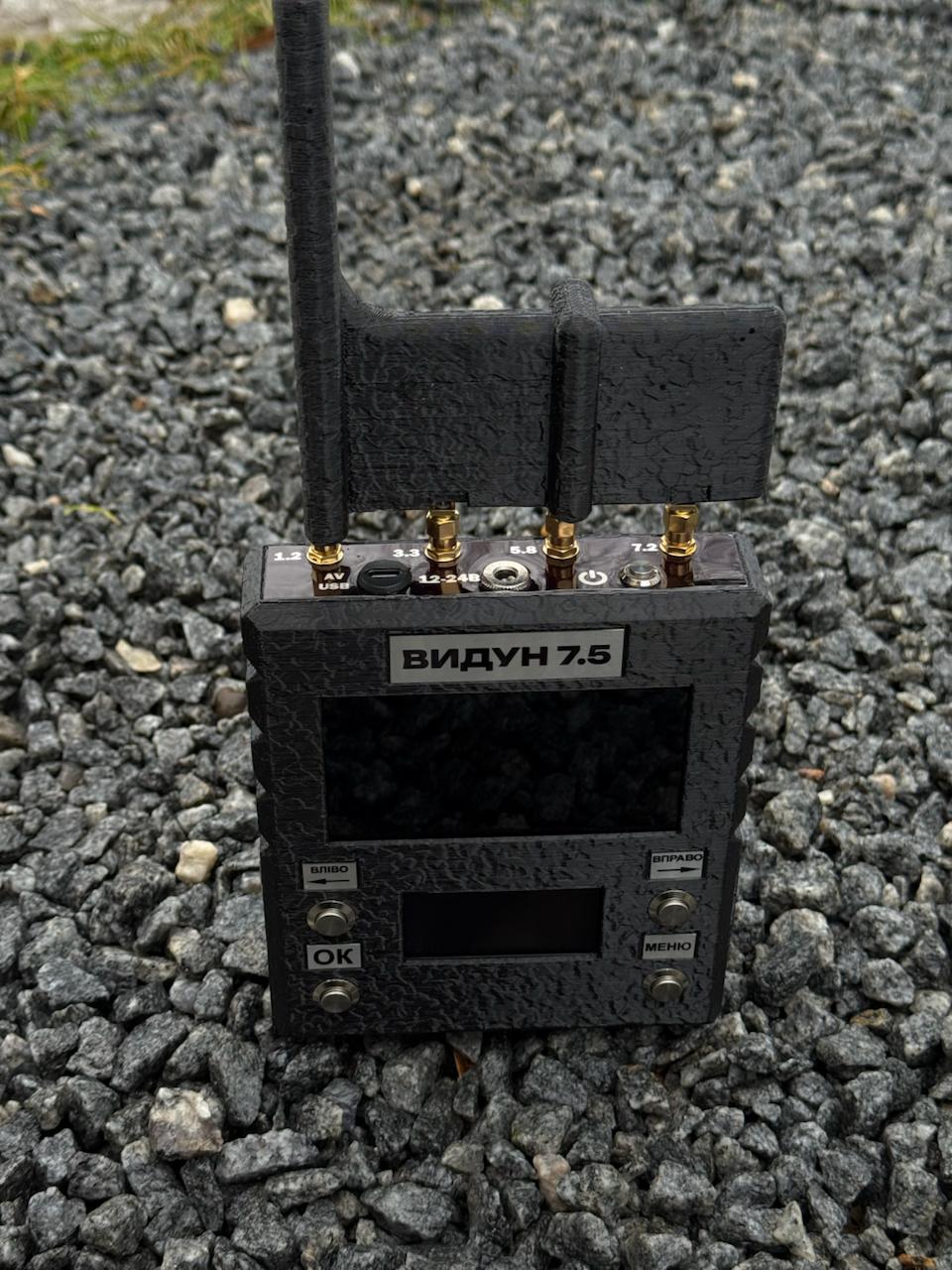
According to the developers, Vydun 7.5 appeared four months ago, while its development and testing took three months. At present, dozens of these devices are already being used on the front line, and the number may even be close to one hundred.
It is worth mentioning that this is not the company’s first detector, as it already produces an entire Vydun and Vydun PRO line with video interception, as well as the PES detector without it. So experience in this field is already in place. Founded in 2022, Babai is also actively developing Electronic Warfare (EW) and Electronic Intelligence (ELINT/RER) systems. The company is currently seeking strategic partners to scale the production of these technologies.
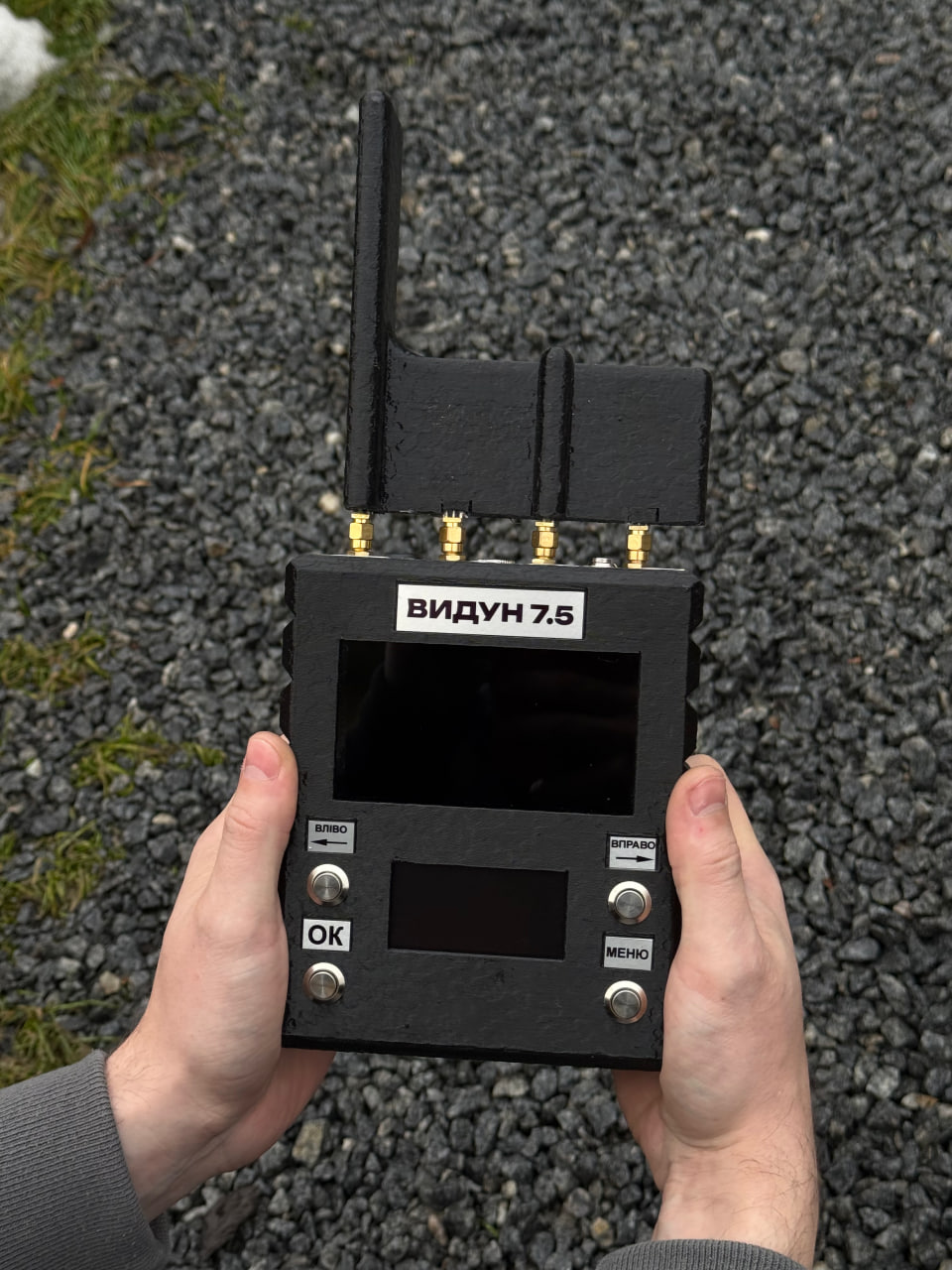
Some approaches and components, such as the antenna design, were selected through testing various solutions already available on the market. Since each option had its own advantages and drawbacks, the result was a balanced middle-ground option.
Overall, Vydun 7.5 provides detection and video signal interception capabilities that remain critical on a battlefield saturated with drones. At the same time, it is capable of operating across a wide range of frequencies and analyzing them in parallel.
Read more: Danish AI Solution Tested with Ukraine's Horska Interceptor System (Video)