


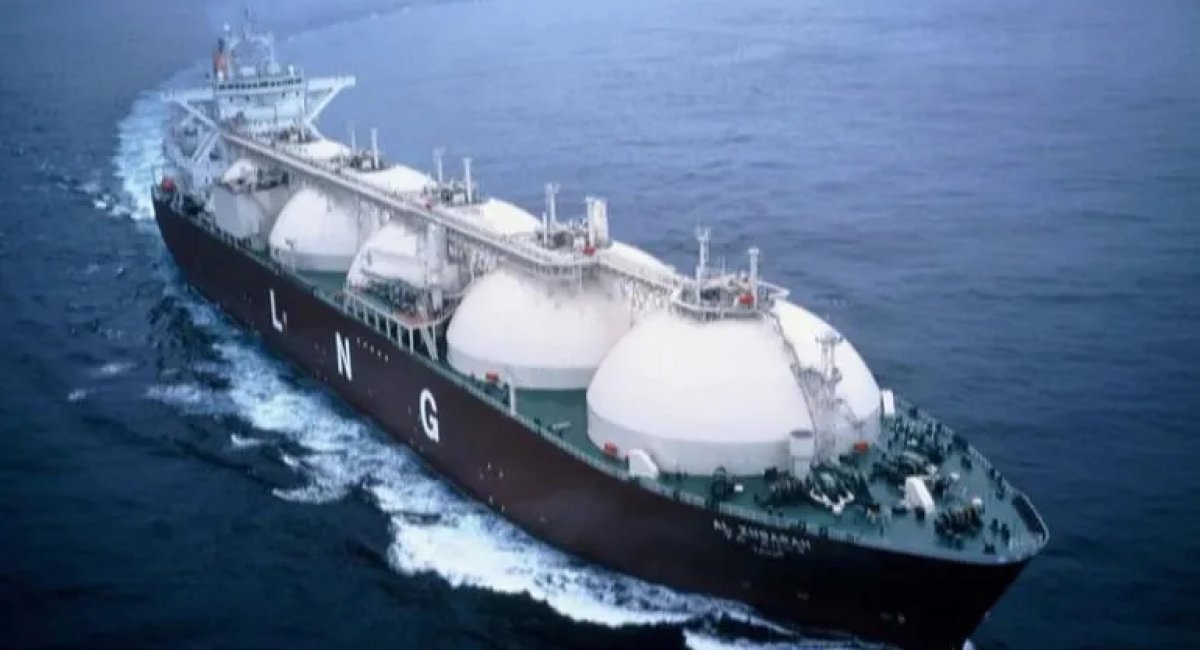
Moscow is buying up aging LNG carriers on the secondary market while also commissioning new vessels of its own, according to Ukraine's Foreign Intelligence Service (SZRU).
More than 65% of russia’s LNG production comes from Novatek's Yamal LNG and the sanctioned Arctic LNG 2 projects. Another 30% comes from Gazprom’s Sakhalin-2. China is currently the main buyer of LNG from Arctic LNG 2. According to estimates cited by SZRU, these cargoes are being transported by 11 vessels with an average age of about 10 years.
Read more: russia Deploys S8000 Banderol Missiles Against Odesa, Ukrainian Jets Hunt Them Down (Video)
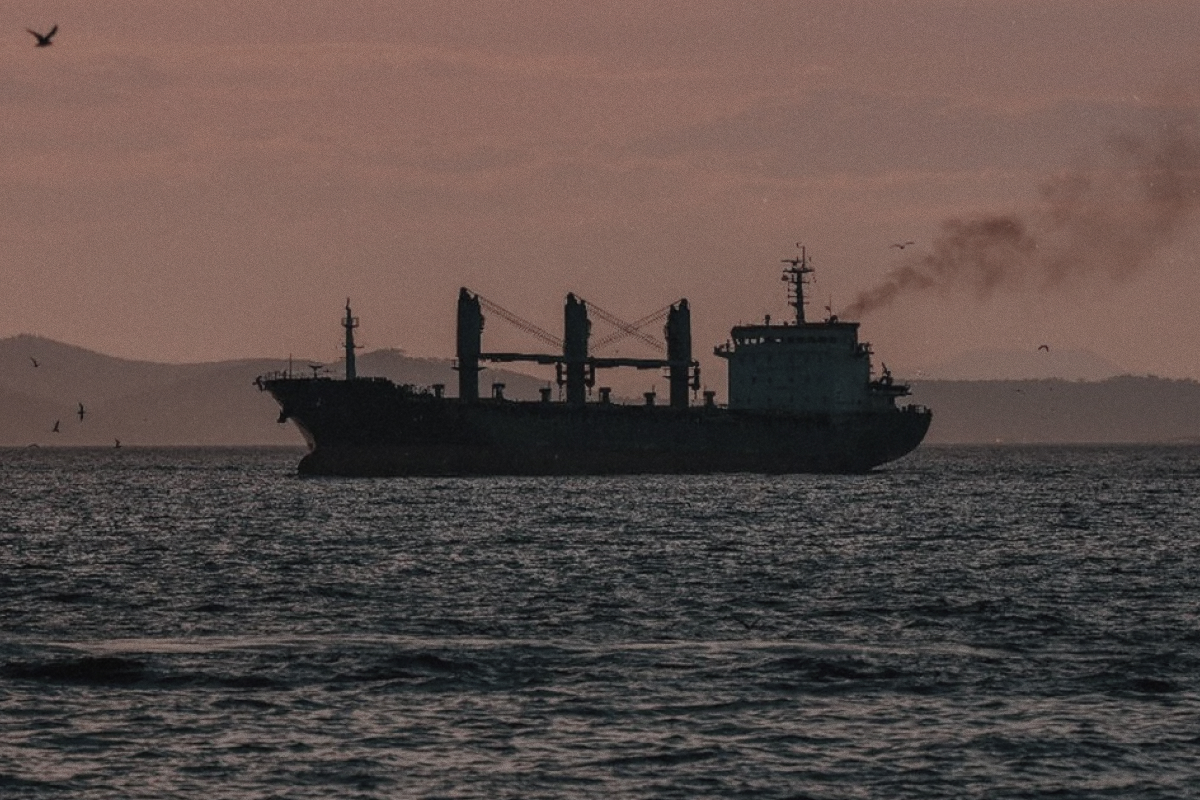
However, creating an LNG equivalent of russia’s oil “shadow fleet” is far more difficult.
Unlike conventional oil tankers, LNG carriers require highly specialized cryogenic systems capable of keeping natural gas in a liquid state at around –162°C. A modern LNG carrier can cost up to $300 million to build.
Instead of ordering large numbers of new ships, Moscow is therefore turning to vessels that the global shipping industry is already retiring. Many of the ships russia is acquiring are more than 19 years old.
Over the past six months alone, russia has added at least eight used LNG carriers and two newly built vessels from the Zvezda shipyard in Bolshoy Kamen, Primorsky Krai. Many of the ships are registered to russia-linked companies based in Dubai, Hong Kong, and Singapore.
By 2026, russia’s LNG “shadow fleet” had grown to 25 vessels, according to the identified ships. They include the Kosmos, Orion, Merkuriy, Luch, Arctic Express, Avacha, Chaivo, and the newly built Aleksey Kosygin and Konstantin Posiet.
Four more LNG carriers are currently under construction at Zvezda. However, sanctions are already creating serious problems for russia’s plans to develop its Arctic LNG shipping capability.
For example, South Korea’s Hanwha Ocean has six completed Arc7 ice-class LNG carriers that remain blocked from being delivered for russia’s Arctic projects.
Even if Moscow succeeds in expanding its fleet, however, the new “shadow fleet” will only partially cushion the impact of the EU ban.
russia faces a fundamental shortage of suitable LNG carriers, particularly ice-class vessels capable of operating in the Arctic. Seasonal navigation conditions also limit the ability to redirect Arctic LNG cargoes to Asian markets.
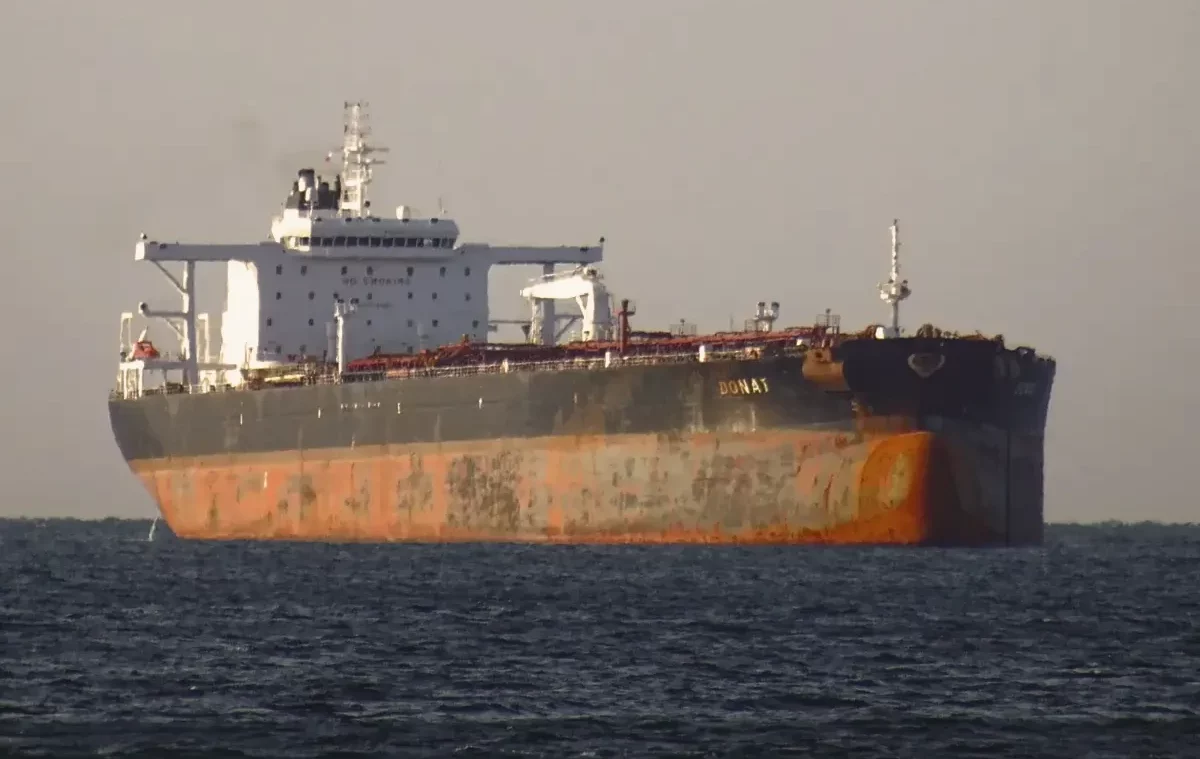
Once the EU embargo is fully implemented, Novatek could therefore face a growing volume of unsold LNG, forcing the company to cut production or offer its cargoes at steep discounts.
That would put russia in an increasingly difficult position. At the same time, cheaper russian LNG would strengthen the bargaining power of China and other Asian buyers, allowing them to demand deeper discounts from Moscow.
In other words, russia can build an LNG “shadow fleet”, but it cannot easily replicate the model that has allowed its oil exports to keep flowing despite Western sanctions. LNG requires specialized ships, Arctic-capable infrastructure, and a much more complicated logistics chain.
Read more: Sanctions Are Driving russia's Aviation Industry Into Crisis, Forcing Rostec Into a Major Restructuring