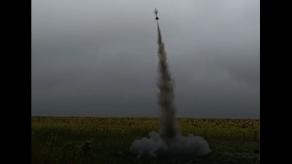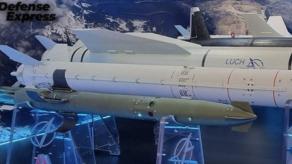
The Defense Forces of Ukraine continue to strike the enemy with domestically produced Neptune missiles. This is yet another strike targeting platforms used to launch guided munitions, which russia has been actively using to attack Ukrainian territory.
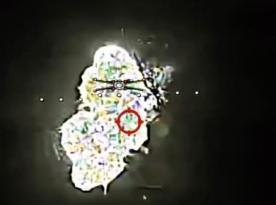
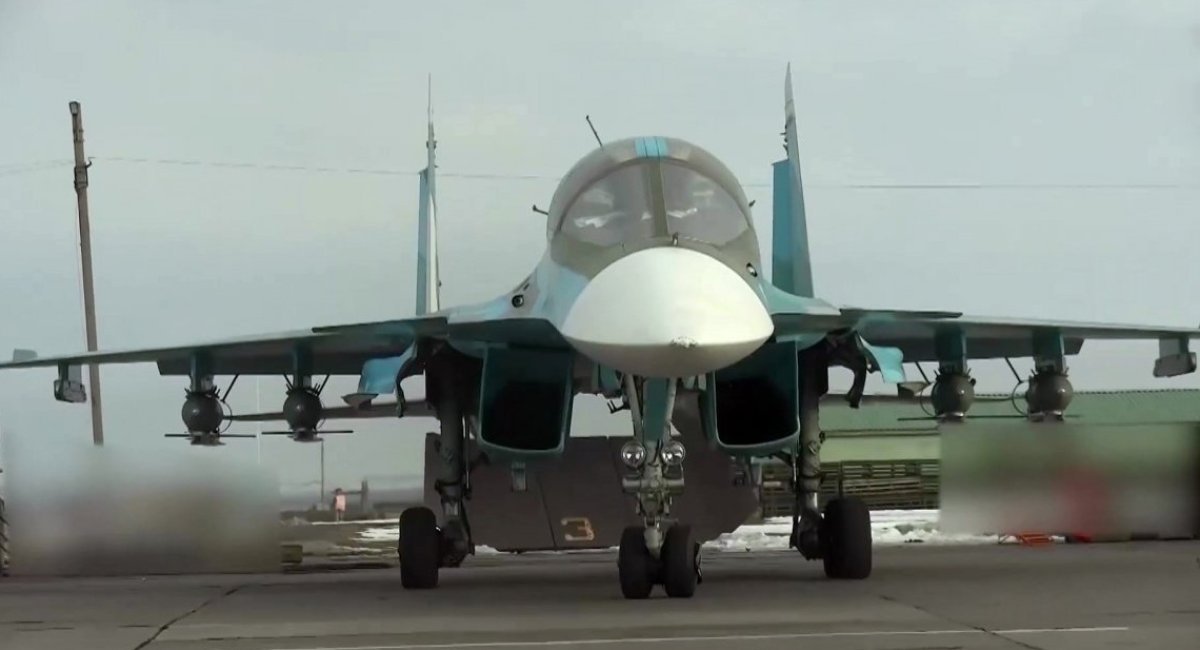
According to a statement by the General Staff of the Armed Forces of Ukraine, Ukrainian Navy Neptune missiles struck the Marinovka airfield in russia's Volgograd region on the night of November 26. It is particularly noteworthy because it serves as a base for Su-34 fighter-bombers. The results of the attack and the extent of the damage are currently being assessed.
Read more: Egypt, Africa's Largest Fighter Operator, Negotiates 100 South Korean FA-50s at Just $27.7 Million Each, With 70 to Be Built Locally
A Transneft facility in Bashkortostan, responsible for pumping oil from Western Siberia, was also targeted. Damage to a storage tank has reportedly been confirmed, and a fire broke out at the facility. The report does not specify whether this strike was also carried out using Neptune missiles.
From Defense Express this presents an interesting development. Back in October, the Armed Forces of Ukraine struck the Borisoglebsk airfield in russia's Voronezh region using Neptune missiles. Six russian Su-34s were destroyed in that attack.
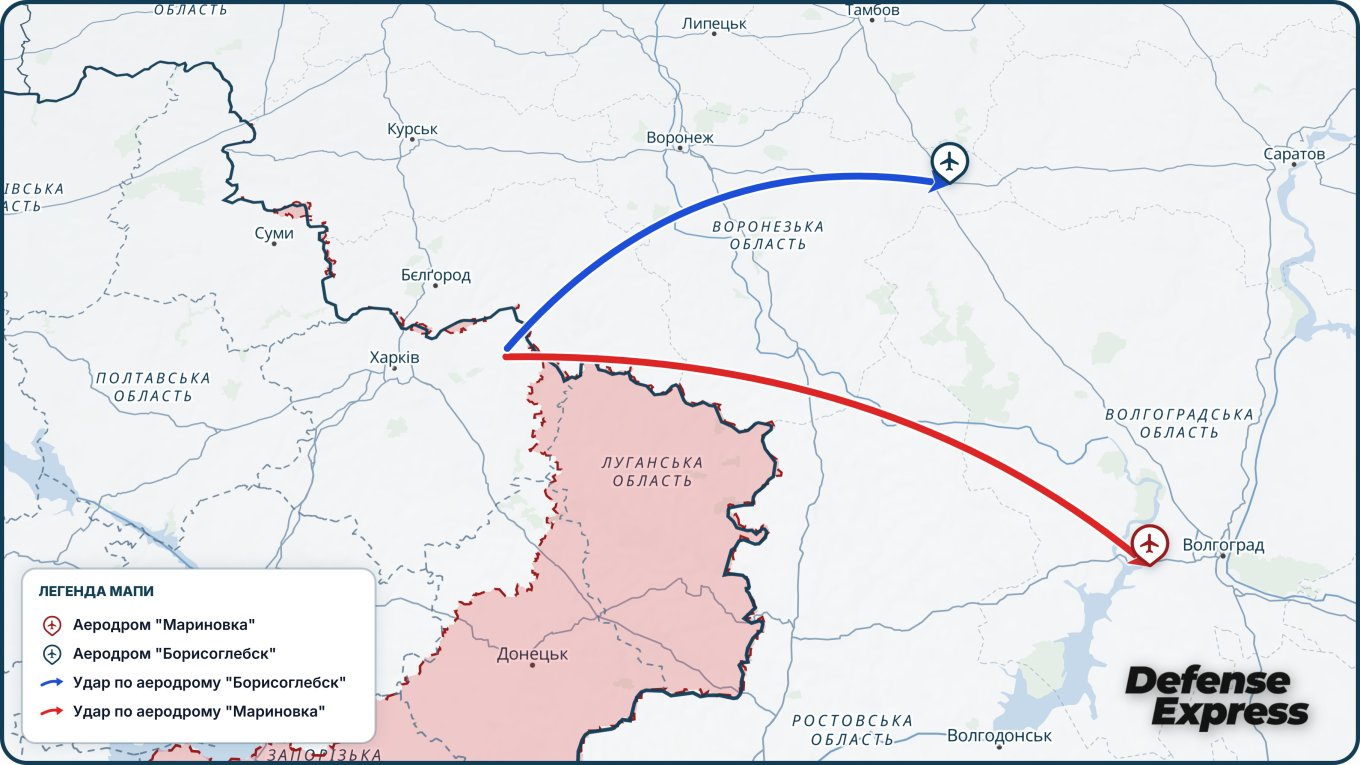
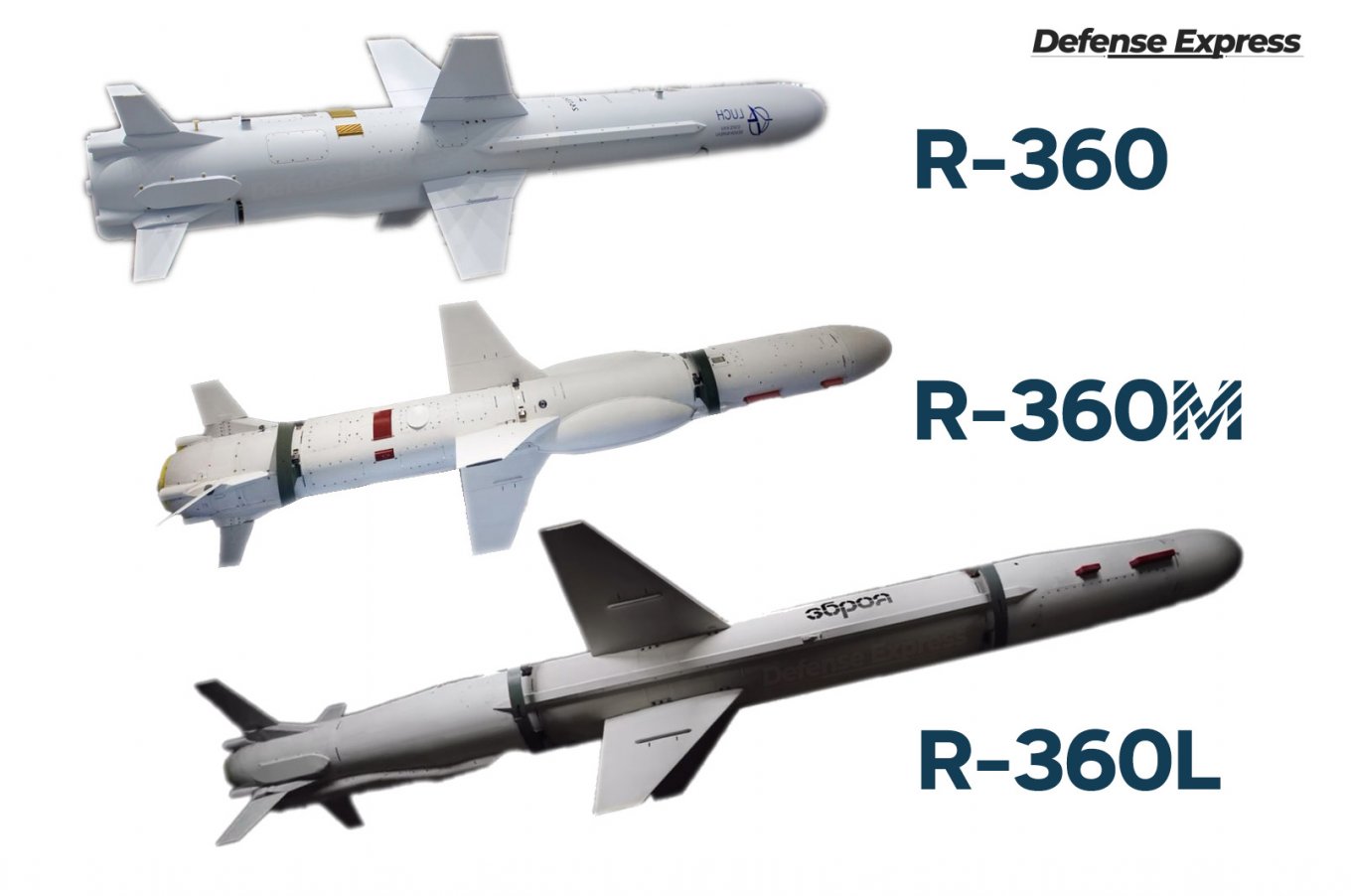
In other words, Ukraine's domestically developed cruise missiles are now being actively used to target russian aircraft carrying guided bombs. Therefore, even if the aircraft themselves cannot be destroyed, their supporting infrastructure can still be damaged, disrupting their operations.
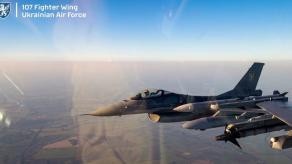
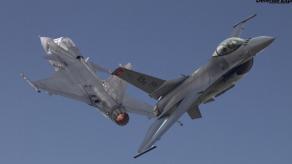
When discussing ways to counter russian aircraft carrying out long-range bombing missions over Ukrainian territory, the first thing that often comes to mind is Gripen fighters and their air-to-air missiles. This is indeed an important element, but destroying enemy bombers on the ground is another method in the arsenal of countermeasures against the Su-34.
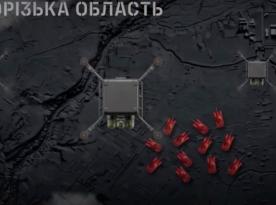
Long-range strike drones are also actively used for this purpose. Recent examples include strikes on the Savasleyka, Lipetsk-2, and Akhtubinsk airfields. It is worth noting that these attacks often involve a combination of different methods to increase the likelihood of hitting their targets.
It should be noted that the Luch Design Bureau plans to produce hundreds of Neptune cruise missiles for the Defense Forces of Ukraine in 2026. However, the total production volume will still be less than 1,000 units.
Read more: Ukraine's Defense Intelligence: North Korea Suspends Military Aid to russia Amid Disagreements with Moscow