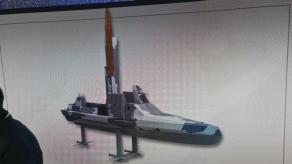
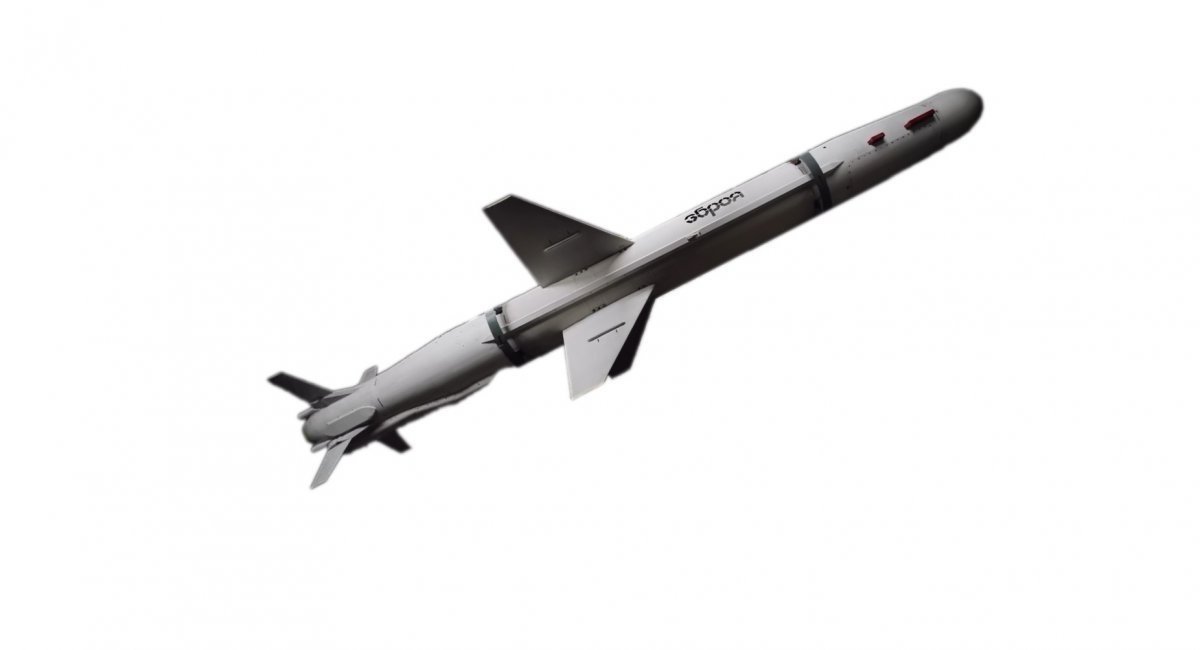
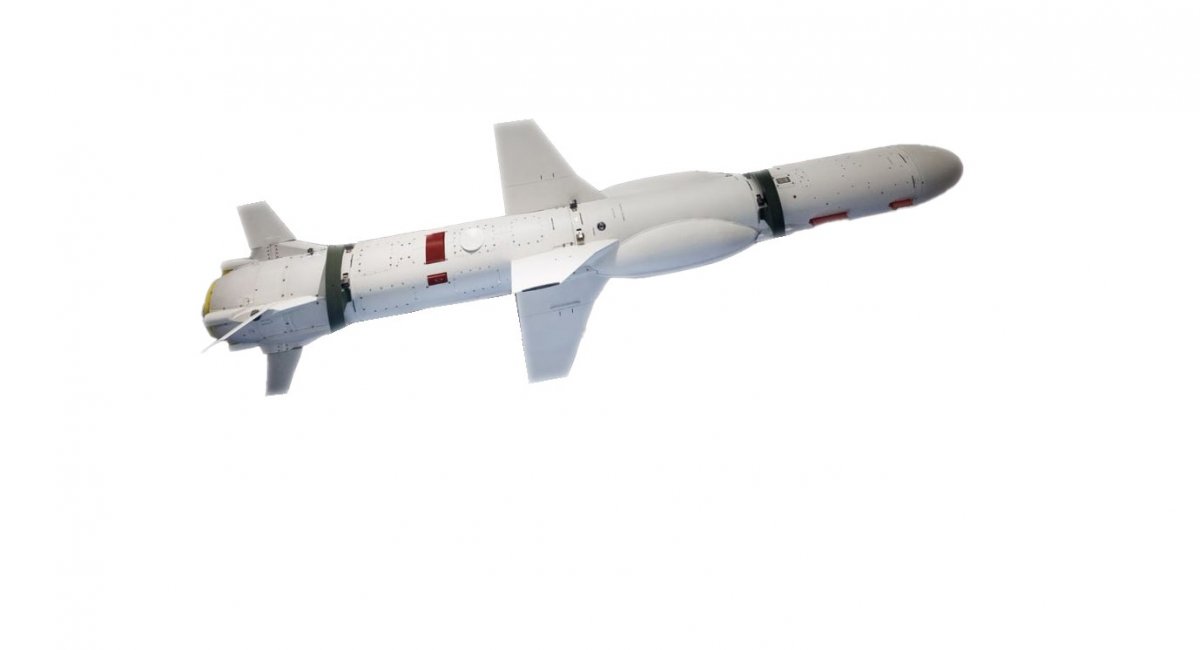
The Ukrainian Navy reports the successful use of the Neptune missile system in a strike on Borisoglebsk air base on the night of October 15, 2026. The attack reportedly resulted in the destruction of six Su-34 fighter-bombers, which russia uses to deploy guided bombs equipped with UMPK kits.
From Defense Express we would like to note that in this incident, the enemy suffered heavy simultaneous losses. Losing six Su-34s in a single strike is more than the number of these aircraft delivered to the russian Aerospace Forces this year.
Read more: Satellite Images Reveal russian Tu-160Ms Being Armed with Kh-101 Missiles at Engels and Tu-95MS, Tu-22M3 Bomber Deployments at Olenya
In one of our previous articles, we examined how many of these guided-bomb carriers russia was expected to receive in 2026, given that it had received a total of 18 Su-34s in seven batches in 2025. That analysis led to the following conclusion: the russian defense industry typically delivers new combat aircraft to the russian Aerospace Forces' tactical aviation units in batches of two or three aircraft.
Last year russia indeed claimed to have allegedly delivered seven batches totaling 18 Su-34 bombers. However, based solely on russian claims, it appears that the enemy has received no more than four or five new Su-34s this year.
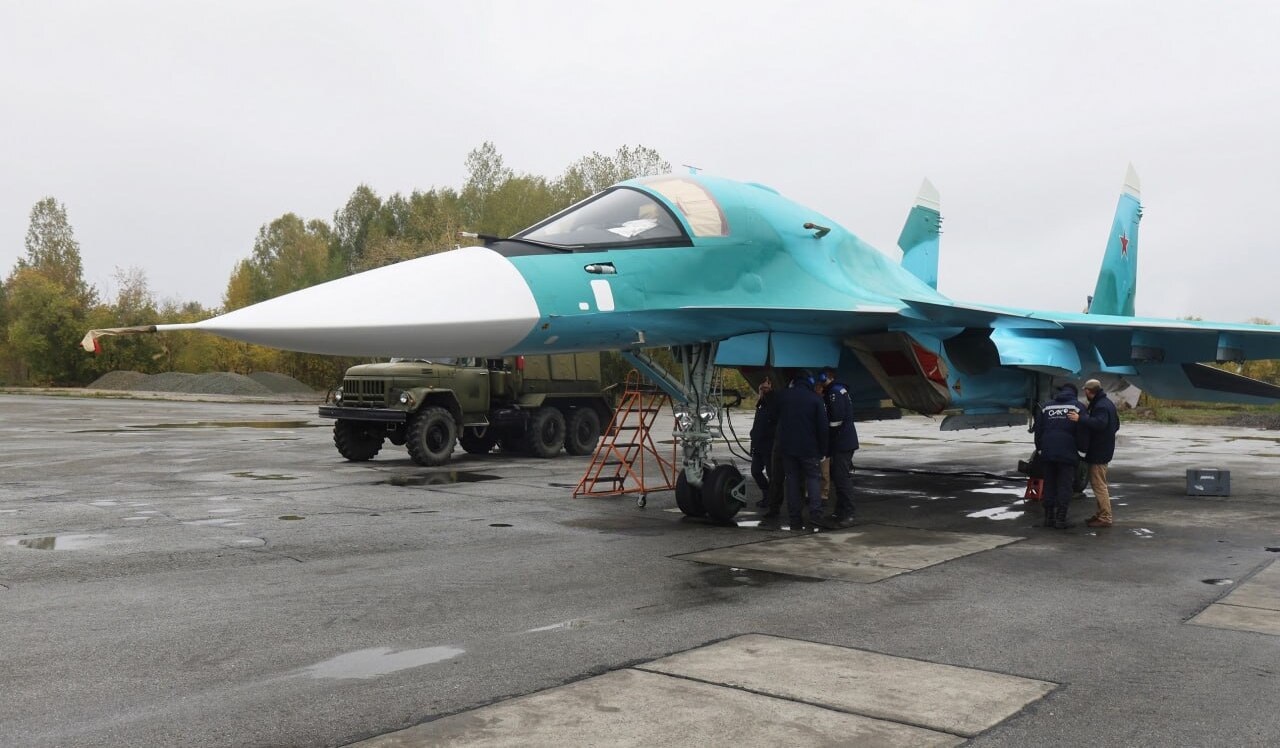
This means that a single Neptune missile strike on the enemy's Borisoglebsk air base resulted in the loss of more Su-34s than the total number of aircraft known to have been delivered to russia this year.
In addition to the six Su-34s reportedly damaged in the October 15, 2026, strike, we should also take into account publicly available data showing that russia had already lost three more Su-34s by that point, some destroyed and others damaged.
As a result, russia's Su-34 losses have reached at least nine aircraft since the beginning of this year. This further undermines russia's ability to carry out guided-bomb strikes against frontline areas in Ukraine.
Read more: Ukraine’s Defense Minister Confirms russia Developing 800km/h Jet Kamikaze Drones, 1990s Tu-300 Korshun Shows the Precedent