

The U.S. Department of Defense's Defense Innovation Unit (DIU) has launched a competition for drone-carrying USVs. Rather than conceptual designs, the Pentagon is seeking mature, commercially available systems that can be fielded quickly, and Ukraine has several platforms that fit that description.
According to the published requirements, the USV must have a minimum operational range of 200 nautical miles (370 km) and a cruising speed of at least 10 knots (18.5 km/h). It must also be capable of carrying at least two drones of different types, each with a minimum payload of 2 kg.
Read more: U.S. Announces Mass Production of V7, Copy of Ukraine's Magura V7, and Claims It as Its Own
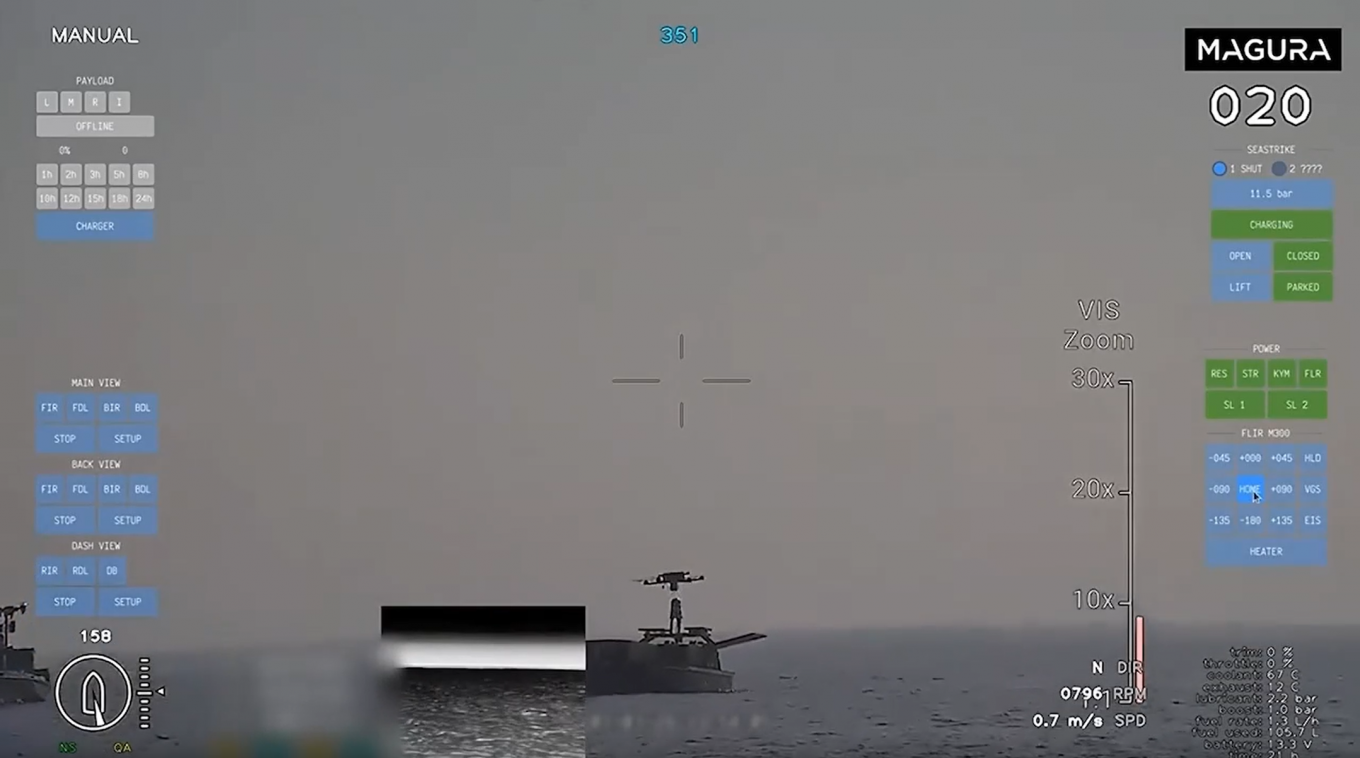
In addition to one-way attack drones, the vessel must be able to operate reusable UAVs capable of returning to the USV after completing their missions. The platform should also be able to detect, identify, and track targets.
Among the preferred capabilities are recovering drones onboard and supporting UAVs configured for reconnaissance, electronic warfare, or communications relay missions.
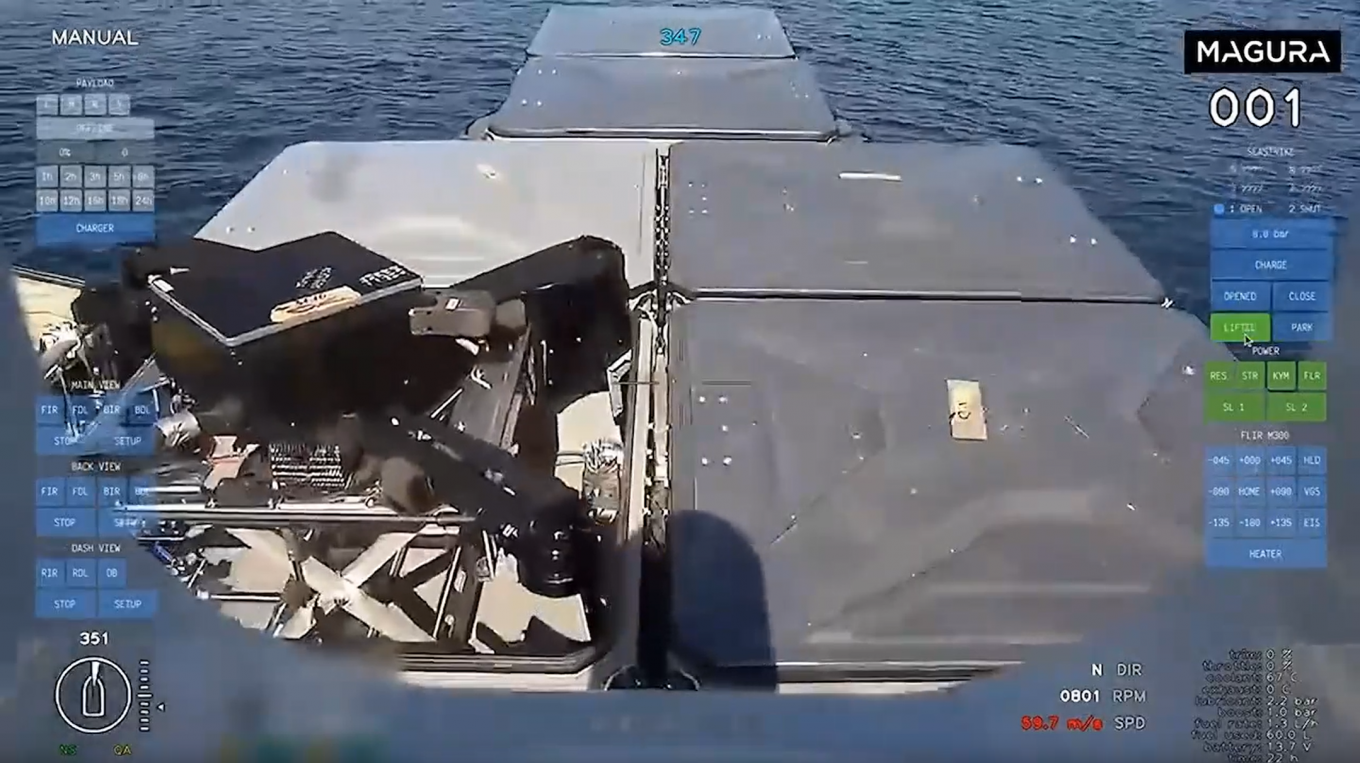
These requirements represent only the minimum threshold. The Pentagon expects significantly more capable proposals, meaning that systems with greater range, payload, automation, and mission flexibility will have a stronger chance of securing a procurement contract.
Among Ukrainian designs, the Magura MV7 and Magura V7, developed by UForce, immediately emerge as leading candidates. Besides their capabilities, UForce is already establishing joint production of these USVs and other products in the United States together with ReconCraft, potentially simplifying future cooperation with the Pentagon.
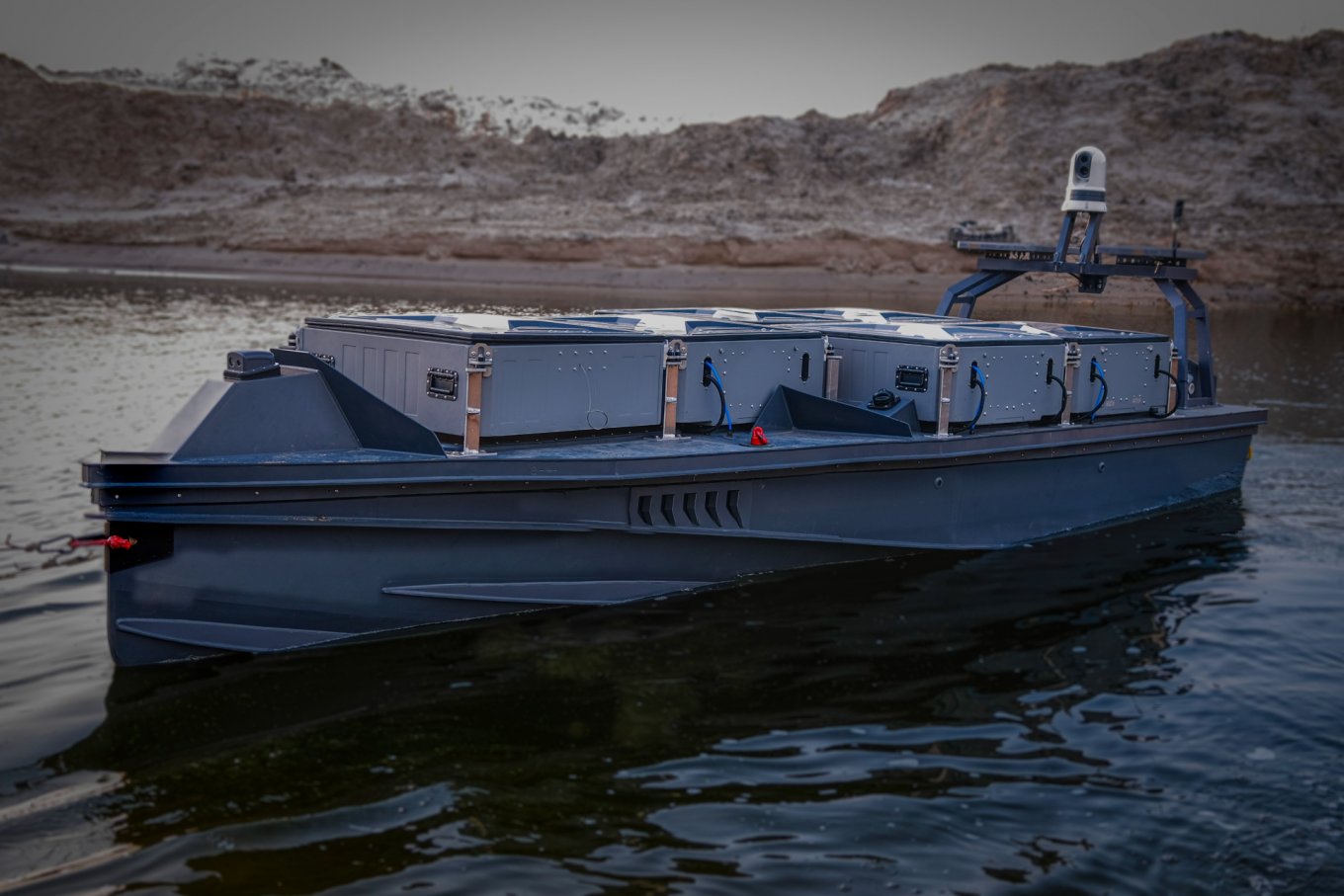
Both Magura variants significantly exceed the published baseline requirements. They offer an operational range of up to 800 nautical miles (1,481 km) and a top speed of 39 knots (72 km/h).
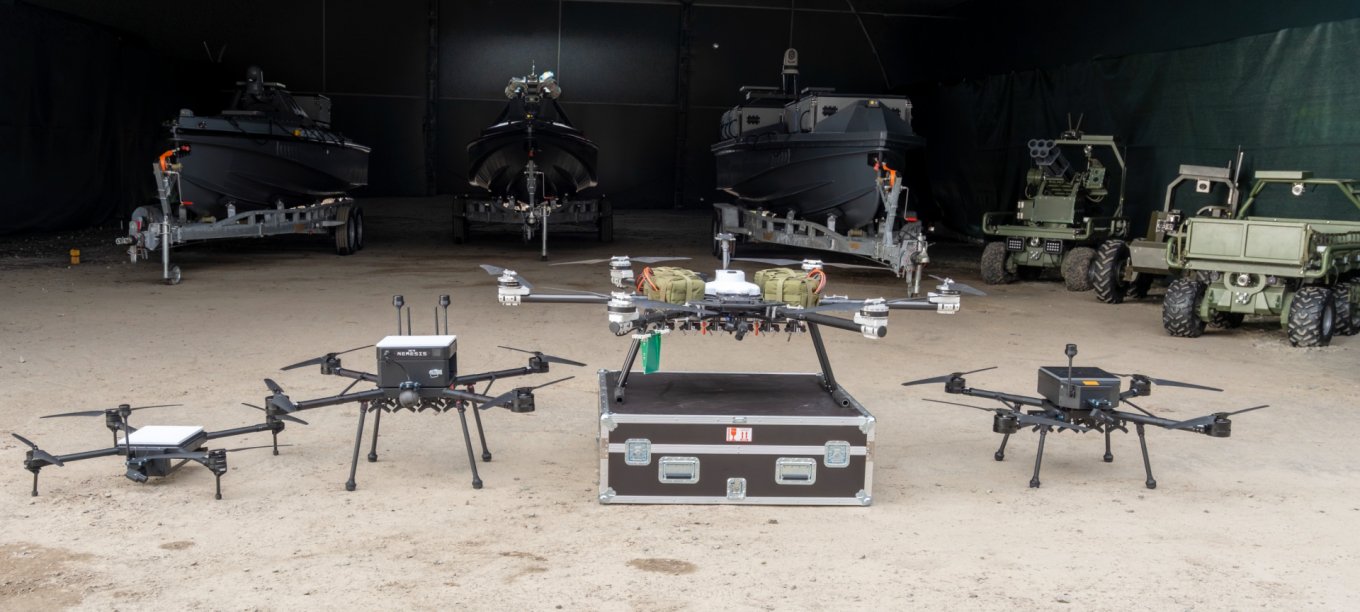
The platforms can carry a wide variety of payloads, including surface-to-air missiles, remotely operated weapon stations with machine guns, and, most importantly for this competition, multiple UAVs ranging from one-way attack drones and interceptor drones to heavy NEMESIS bomber drones.
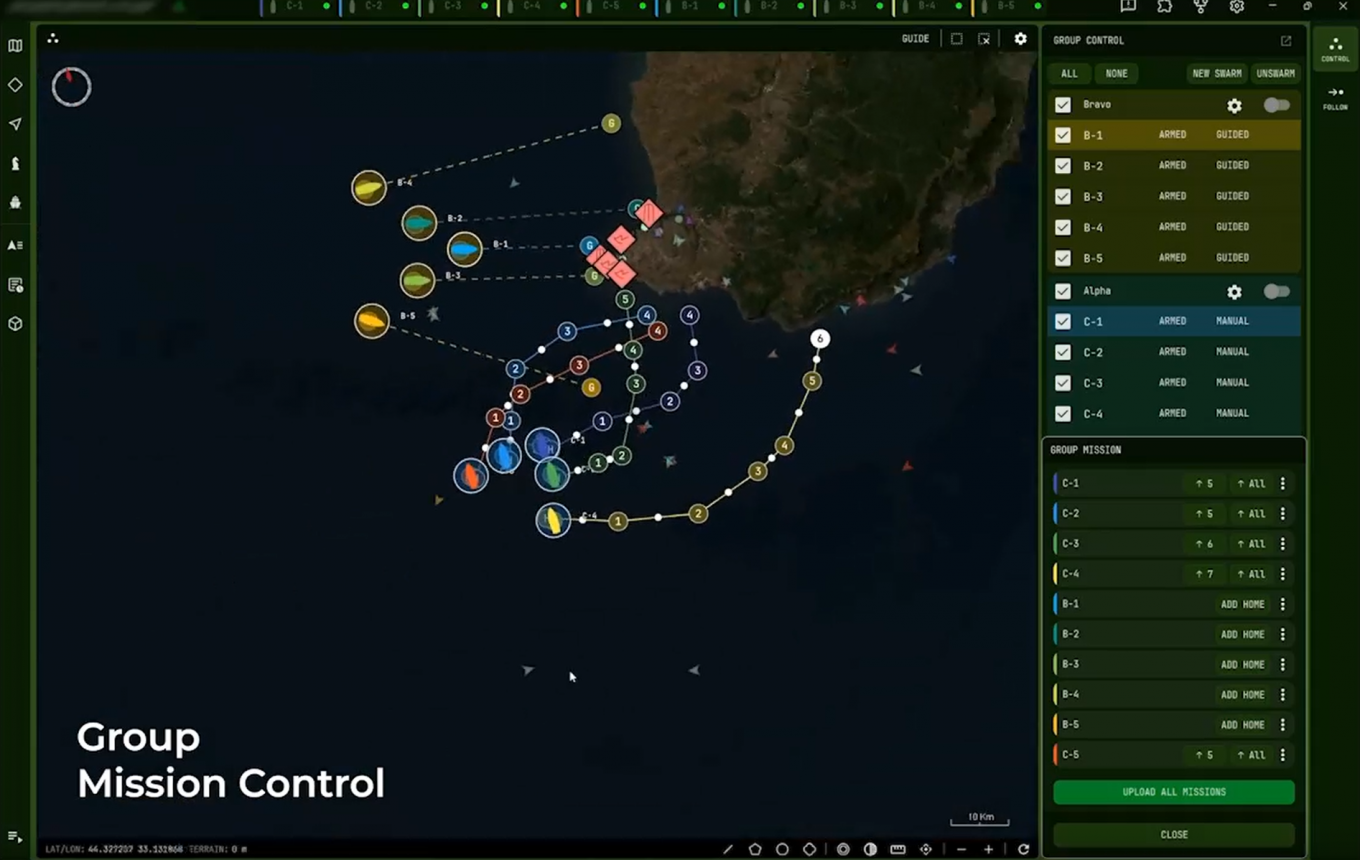
The Magura MV7 and Magura V7 also feature a high degree of automation. Their mission management software enables operators to pre-plan routes, coordinate complex missions, and control multiple USVs simultaneously.
Perhaps the most important advantage in this competition is technological maturity. Few competing platforms can match the Magura family's extensive combat record.
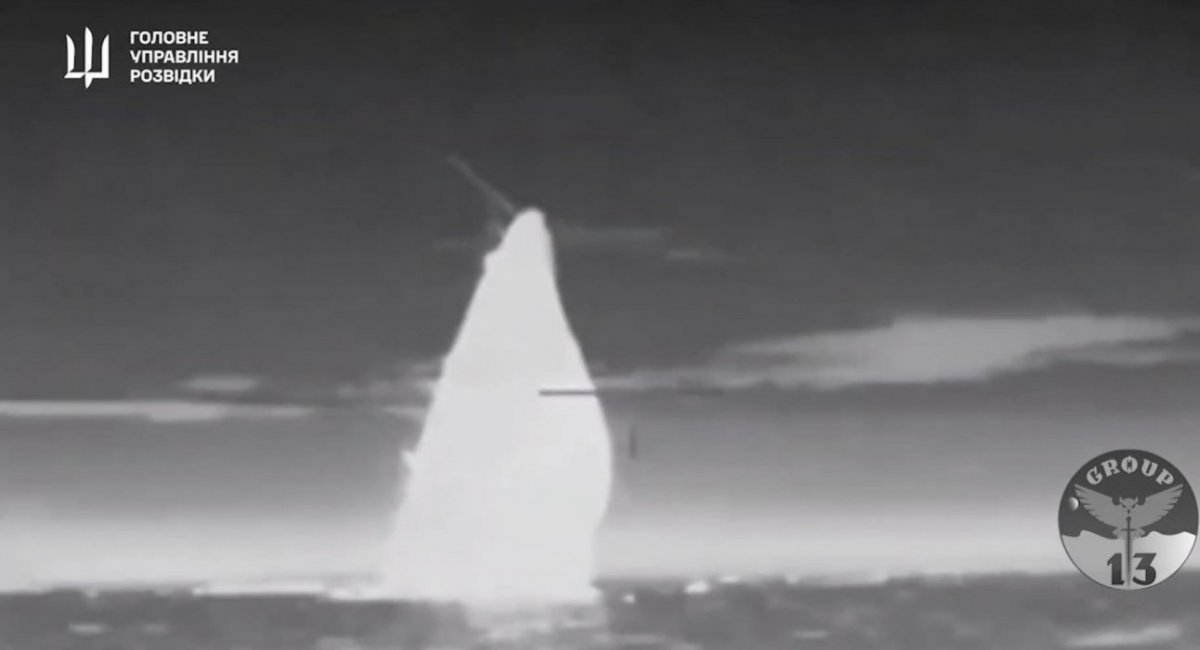
During russia's full-scale invasion, Magura USVs in various configurations have destroyed approximately 11 russian warships and boats in the Black Sea. They have also shot down two Mi-8 helicopters and two Su-30SM fighters. Notably, the Su-30SMs were destroyed by the Magura V7 armed with AIM-9 air-to-air missiles.
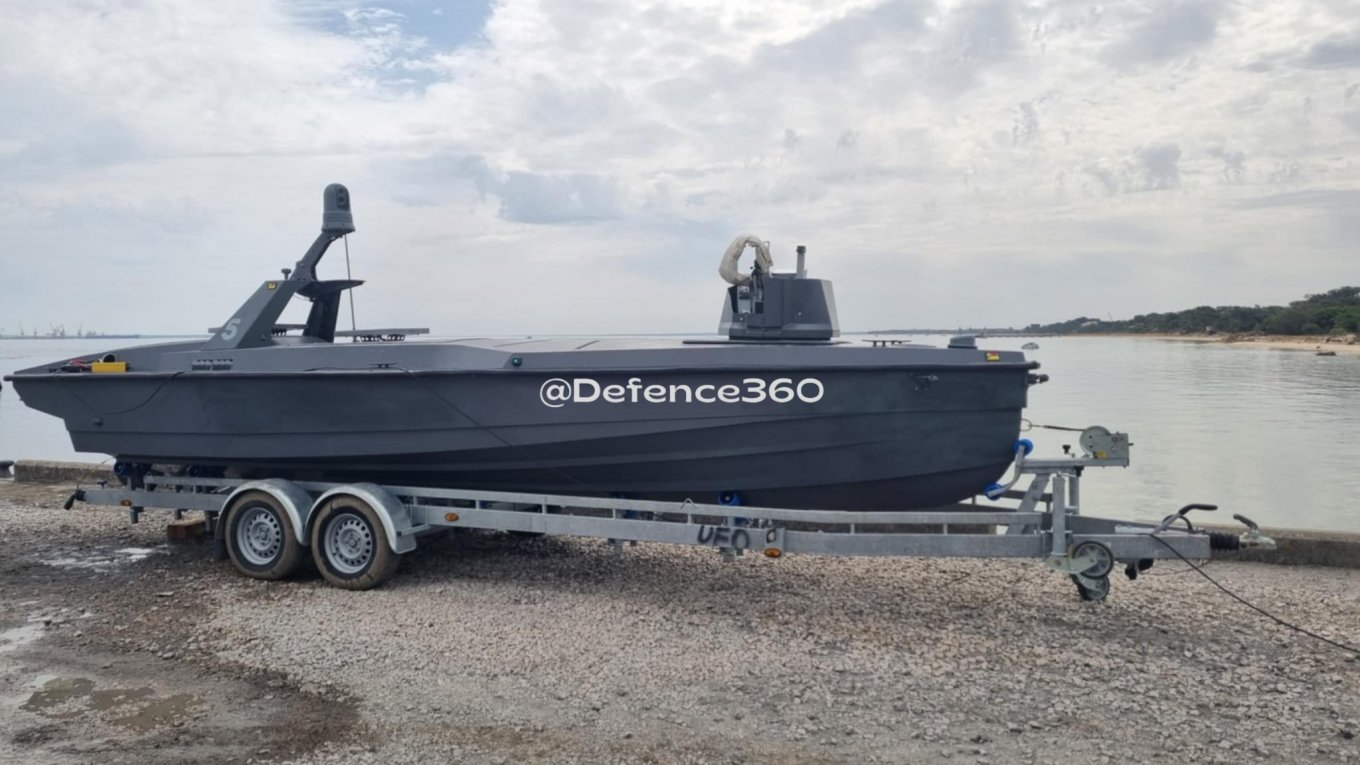
The Magura family also participated in the REPMUS 2025 multinational exercises, where the platforms reportedly completed all assigned missions successfully and even "sank" a NATO frigate during the exercise without its crew detecting the simulated attack.
The competition itself will consist of three phases. Applications for the first stage are open until August 10. Companies selected to advance must be ready to demonstrate their USVs within 29 days.
The second phase will begin in the fall and continue into early 2027. It will focus on modularity, improved capabilities, and the ability to deploy operational systems within 120 days.
The third phase has not yet been fully detailed but is expected to run from early 2027 through the summer of that year. Companies that complete each of the first two phases can receive up to $40 million in funding, while the third phase offers an additional $20 million. Ultimately, the winning companies may compete for procurement contracts worth up to $200 million.
Besides the Magura family, other Ukrainian USVs, including the Katran and Sea Baby series, also appear to match many of the Pentagon's published requirements. However, it remains unknown whether their developers intend to enter the U.S. competition.
At this stage, UForce has not publicly confirmed that it will participate. The company would face strong competition from numerous U.S. and European manufacturers already developing similar systems. Even so, Ukraine's combat-proven experience gives its USVs an advantage that few competitors can match.
Read more: Magura Naval Drones Could Form "Anti-Drone Curtain," Capability Ukraine Needs and Could Export to the Middle East