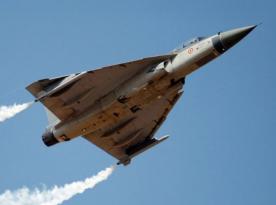



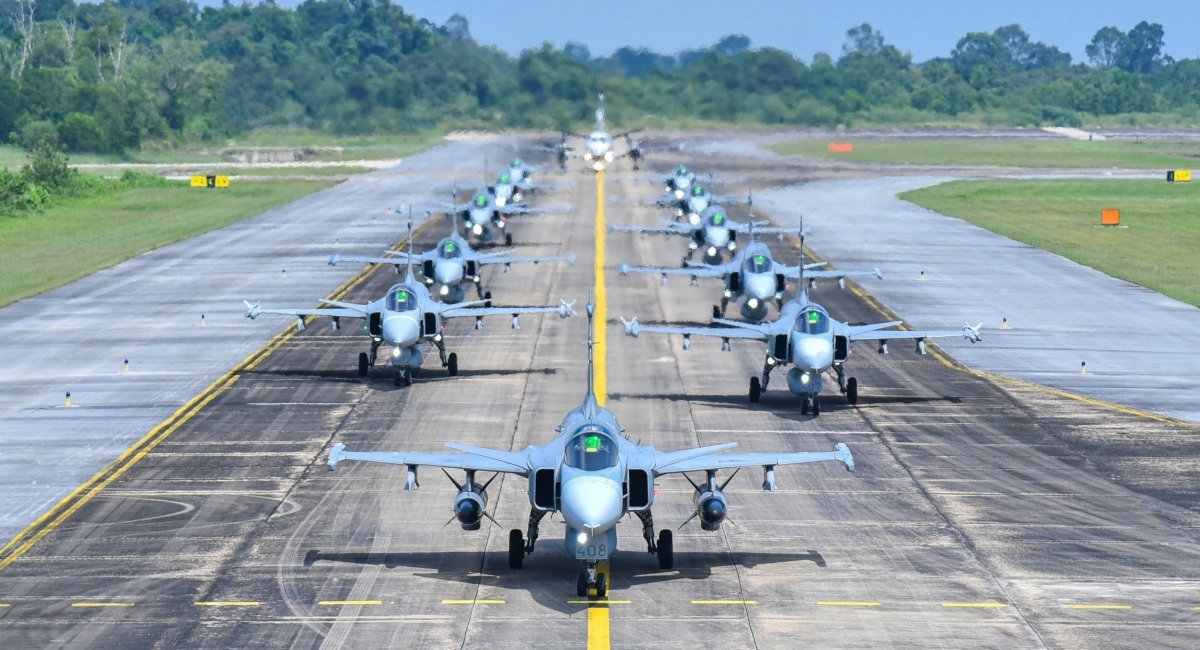
After Ukraine officially joined the list of countries interested in acquiring the Swedish Gripen E/F, it is reasonable to expect that new orders for this aircraft will continue to appear. However, since establishing local assembly and partial production of the Gripen is critically important for Ukraine, each new customer risks "spreading thin" Ukraine's potential share of the manufacturing program.
Moreover, other nations are already showing interest in taking over part of Ukraine's potential production capacity — a possible contract worth an estimated 15–25 billion USD. For instance, Canada has indicated that its aerospace industry (notably Bombardier) could "gladly assist" in expanding production capacity and absorbing those funds.
Read more: Which Fighter Is the "Perfect Pair" for Ukraine's Gripen and Why the Answer Requires a Broader View
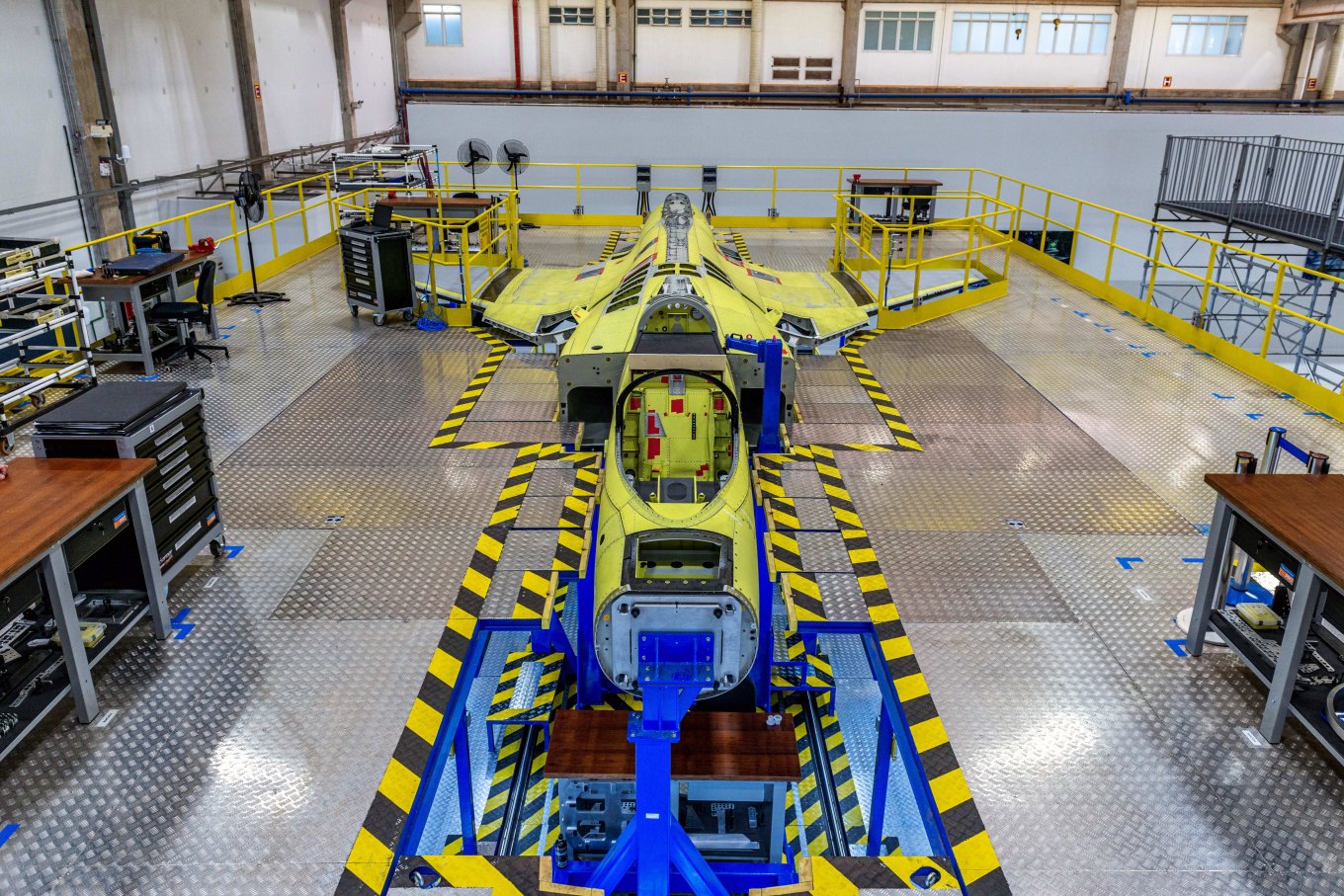
Canada's potential involvement is particularly relevant, as the country is reportedly considering scaling back its F-35 order. Instead of acquiring all 88 of the initially planned fifth-generation fighters, Ottawa may diversify its fleet by adding Gripen E/F aircraft.
This makes it all the more important for Ukraine to assess and track current, future, and potential customers for the Swedish fighter. The situation currently looks as follows:
At present, firm Gripen E/F customers with active contracts include:
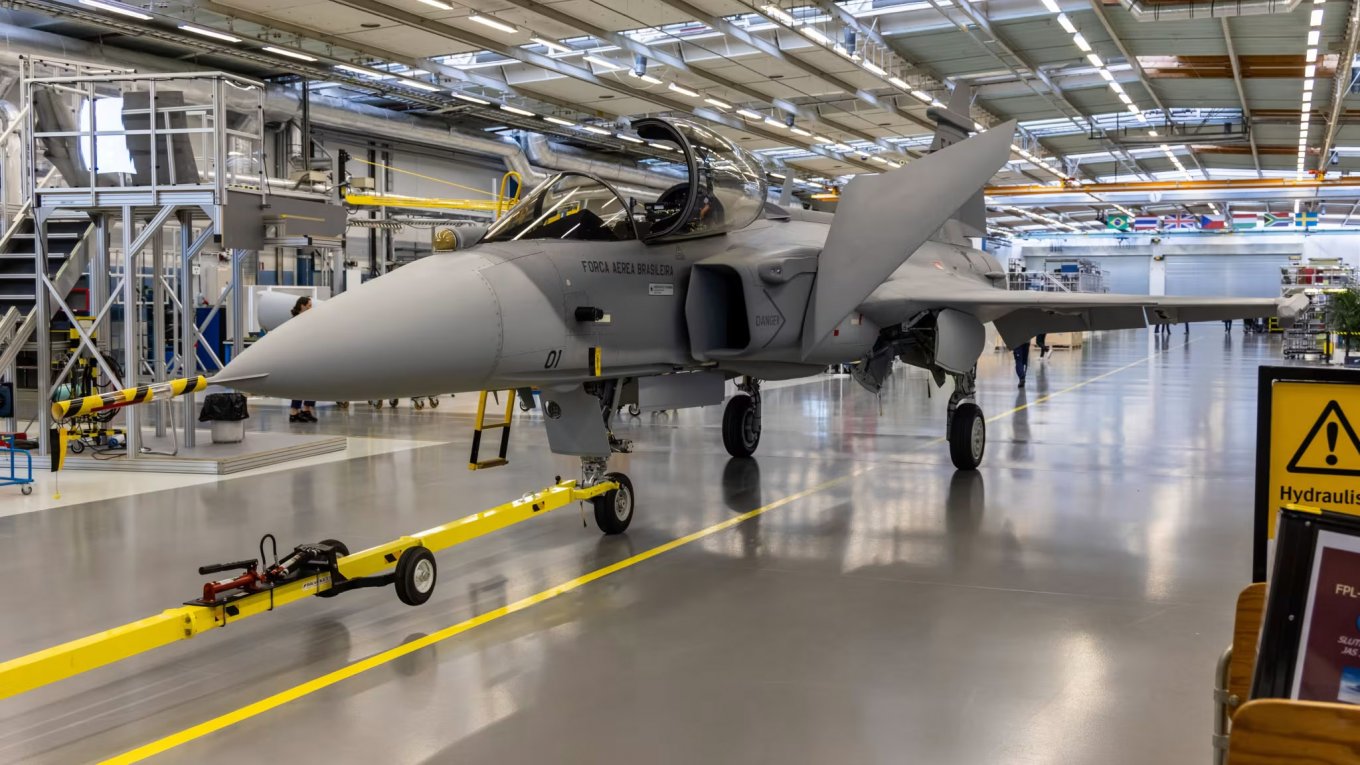
- Brazil, which continues implementing its 2014 deal for 36 aircraft, about 10 of which have been delivered;
- Thailand, which placed an additional order for 4 aircraft in 2025;
- Sweden, with a total plan for 60 fighters.
Among potential buyers that have formally expressed interest:
- Colombia, which has a plan for 16–24 fighters, though the deal is currently on hold due to a sharp cooling in Bogotá–Washington relations.
There is a significant risk that the U.S. could block the Gripen sale to Colombia. Consequently, Peru may become the next likely customer, with a preliminary plan for 12 aircraft. Thailand, too, has announced its intent to acquire an additional 8–10 jets.
Meanwhile, Saab continues to compete for a major contract in the Philippines, valued between 5.3 and 7.1 billion USD, for up to 40 fighters — a memorandum of understanding was signed in 2023. Initially, the Philippine defense ministry favored the F-16 Block 70/72, but after receiving prohibitively high price quotes, it began exploring alternatives — including used Mitsubishi F-2s from Japan and South Korea's new KF-21.
Now, Ukraine has joined this list with an ambitious plan to acquire 100–150 Gripen fighters. In total, Saab currently holds about 90 firm orders and a potential backlog of 176–236 more.
Discussions are also underway regarding Canada, which could eventually place a sizable order. However, no concrete progress has yet been observed. For now, Ottawa remains primarily focused on American systems such as HIMARS, despite occasional talk about diversifying procurement.
Among likely future customers that have not yet formalized their interest, Brazil may order several more dozen aircraft to be built domestically. Portugal has also been offered the Gripen to replace its aging F-16 fleet, though this potential deal would face strong competition from the F-35, Rafale, and Eurofighter.
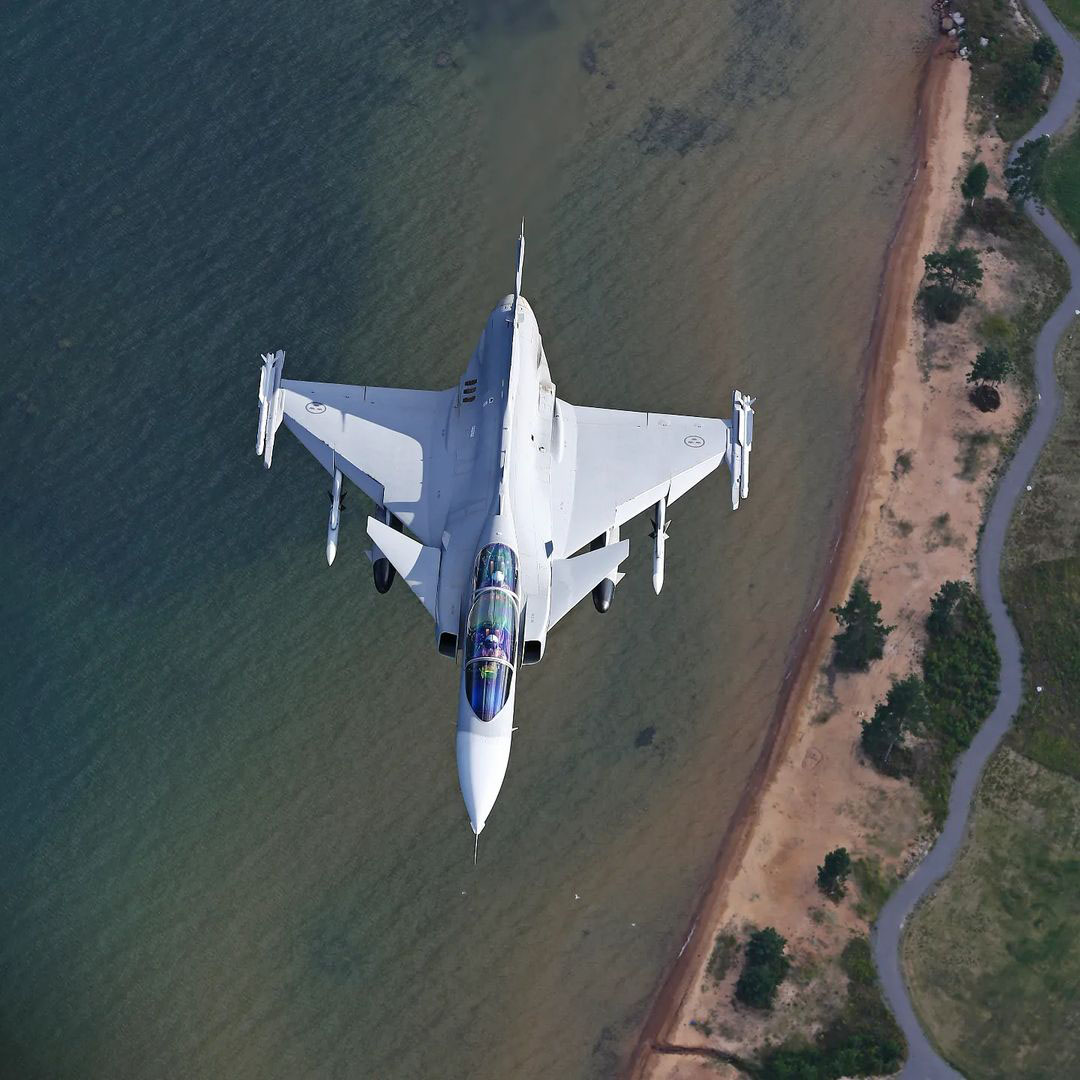
Given the current security environment, however, one should not dismiss the possibility that other European nations might seek to strengthen — or even rebuild — their air forces. The Baltic States, for example, currently lack combat aviation altogether and might wish to form a joint air unit. Similarly, Norway, Denmark, or Finland could conclude that F-35s alone are insufficient and that a complementary, lightweight European fighter would make sense. In all such cases, choosing Gripen would be a logical step.
Speculation could go even further — but the key point remains the same: it is in Ukraine's strategic interest to secure a production contract with the highest possible level of local industrial participation. This should go beyond final assembly to include component manufacturing, subsystems, and modules, ensuring Ukraine's role in Saab's global production network. Otherwise, the number of countries eager to "help" execute Ukraine's order will continue to grow rapidly.
Read more: Others Want to Build Saab Gripen Jets for Ukraine – Could This Threaten Localization Plans?