


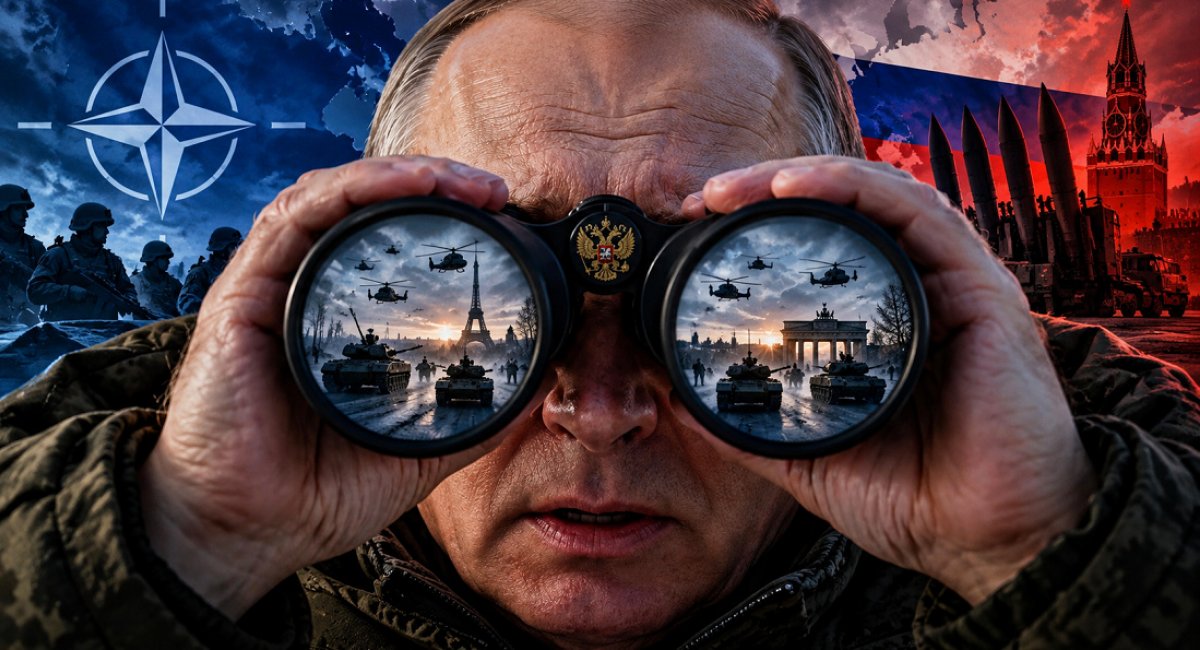
As analyzed in Espreso’s report, the publication and subsequent removal of a threatening article by russia's state news agency RIA Novosti have raised questions about Moscow's intentions toward NATO.
On September 25, RIA Novosti published an opinion piece titled "russia Faces Another Special Military Operation. It Will Be Very Short." Written by Alexander Nosovich, editor-in-chief of the pro-russian outlet RuBaltic.ru, the article threatened Lithuania with a possible russian missile strike.
Read more: Just as NATO Declared russia Had Gone from the Mediterranean, russian Warships Returned
The piece followed a vote in Lithuania’s parliament supporting the removal of the country's constitutional ban on hosting nuclear weapons. RIA Novosti deleted the article several hours after publication, saying it did not reflect the agency’s editorial position or russian state policy.
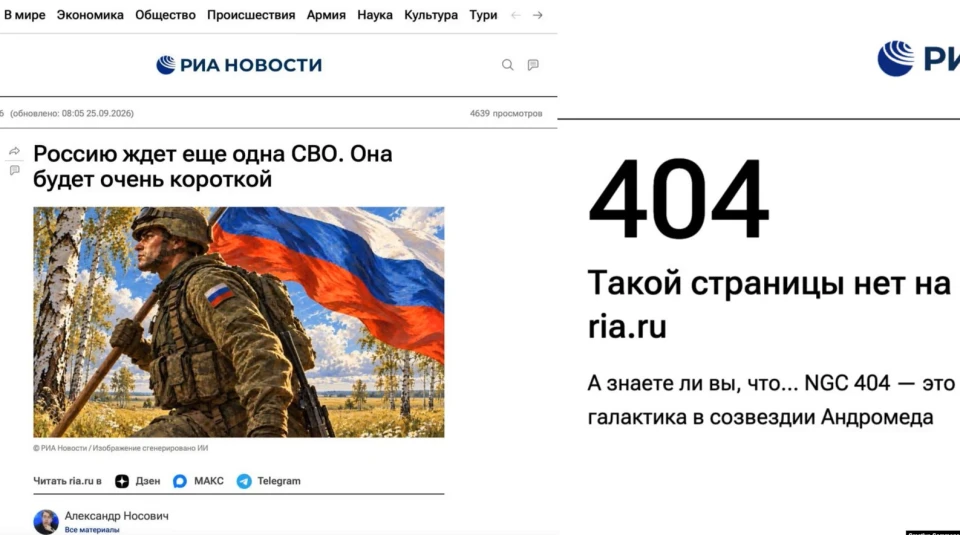
As Espreso notes, the column appeared amid growing concern among European officials about russian hybrid activity and the possibility of further escalation along NATO's eastern flank.
russia's Pressure on NATO's Eastern Flank
European officials have increasingly warned about russian sabotage, cyberattacks, and other hybrid operations. Incidents involving drones, suspected sabotage, and electronic interference have added to concerns about security along NATO's eastern flank.
In late August, Polish Prime Minister Donald Tusk said after a briefing by NATO Secretary General Mark Rutte that russian escalation was intensifying and that the next six months would be decisive for Poland and the Alliance in preparing for various scenarios.
In July, Lithuanian President Gitanas Nausėda warned that intelligence indicated a possible russian provocation targeting energy or transport infrastructure in the Baltic states or Poland.
More recently, Danish Prime Minister Mette Frederiksen spoke about russia intensifying its hybrid warfare against Europe. Meanwhile, Czech counterintelligence chief Michal Koudelka said he could not rule out the Kremlin attempting a limited incursion into NATO territory, not in years, but within a matter of months.
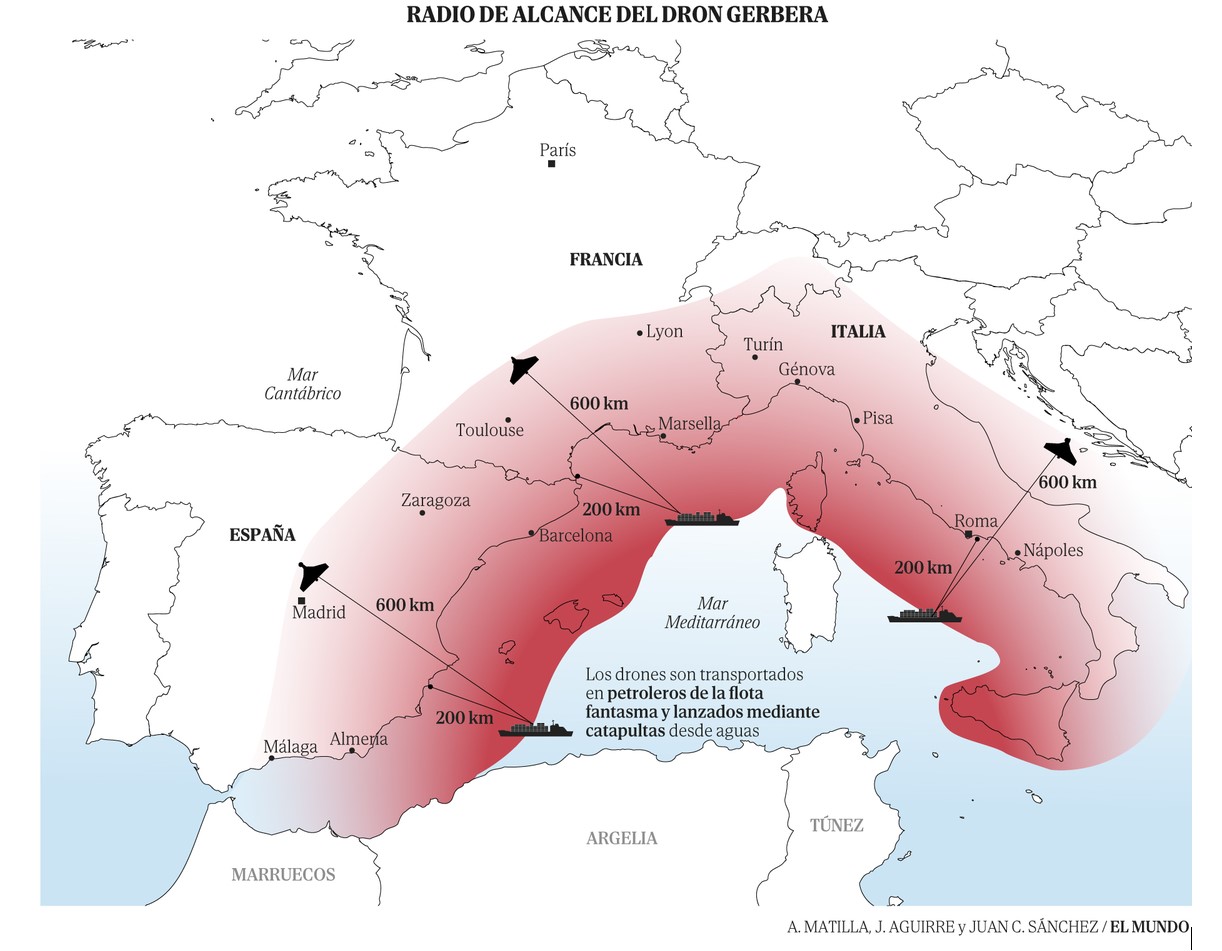
According to European media reports, intelligence agencies in Sweden, Germany, and other NATO countries agree on at least one point: the scale and frequency of russia’s sabotage campaign in Europe are likely to continue increasing. The CIA has also warned of possible further russian drone attacks targeting Spain, France, or Italy.
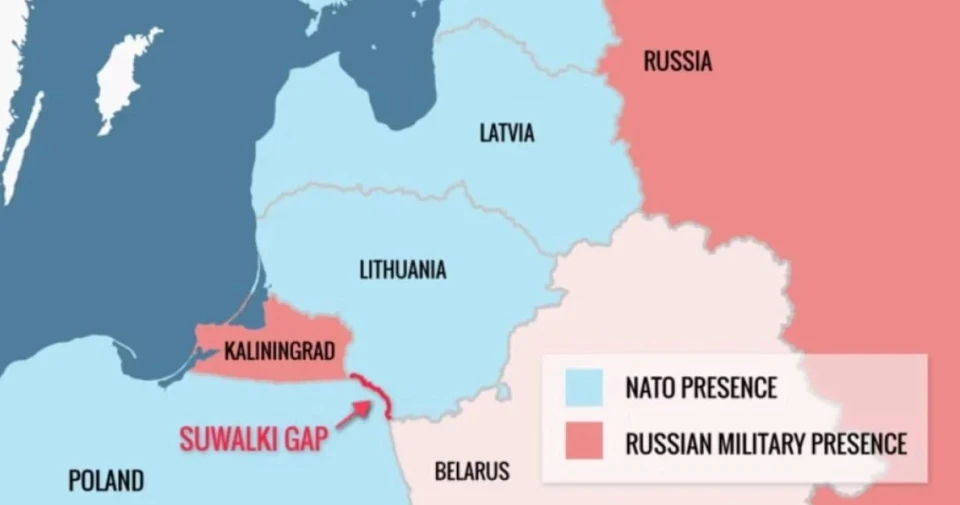
Potential Flashpoints in the Baltic Region
The Suwałki Gap, a stretch of territory between Poland and Lithuania, is often discussed as a potential flashpoint. It is the only land corridor linking Poland with Lithuania and the other Baltic states, and lies between russia's Kaliningrad exclave and Belarus.
Another hypothetical scenario concerns Estonia's border city of Narva. Analysts have discussed the possibility of Moscow using claims about protecting russian speakers as a pretext for intervention, echoing its rhetoric before the 2014 operations in Crimea and Donbas.
Finland is viewed more as a target for probing and pressure, given its long border with russia, airspace incidents, and transit routes, than as a likely target of a full-scale invasion. The country has one of the most well-prepared territorial defense systems in Europe. The Kremlin also remembers the lessons of the Winter War.
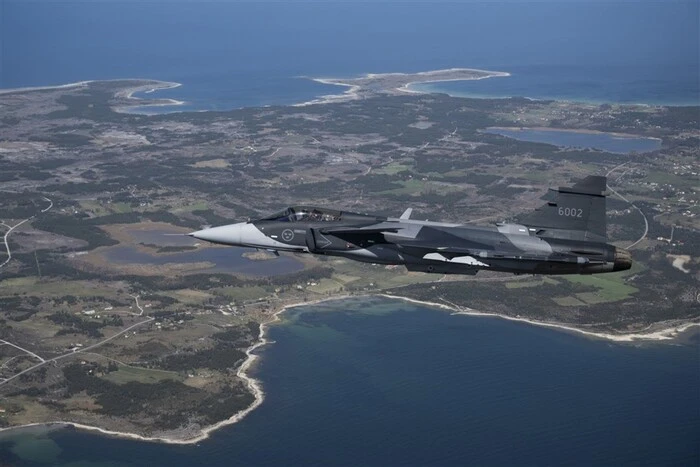
The Swedish island of Gotland is also strategically important because of its location in the Baltic Sea. Sweden restored its military garrison there in 2018. Its position makes the island relevant to regional security, but discussion of possible military operations involving Gotland does not demonstrate that russia intends to seize it.
As Espreso's report also points out, the threat to NATO is not limited to conventional military scenarios. russia can continue to use electronic warfare, GPS interference, cyberattacks, and sabotage. Such activities can disrupt communications and transport while complicating NATO's response.
The Tourist Destination Scenario. According to analyst Ryan McBeth, the Kremlin may consider popular tourist destinations in France, Italy, and Spain as "soft targets" where an attack could cause mass casualties. He suggests that russia could use such an attack to intimidate NATO members and pressure them to reconsider their support for Ukraine.
russia's Military Constraints
russia's ongoing war against Ukraine remains a major constraint on its military options. A large-scale operation against NATO would require additional personnel, equipment, and logistical resources while russian forces remain engaged in Ukraine.
russia's need to replenish its forces complicates the prospect of opening another large-scale front. However, these constraints do not rule out limited military action or further escalation.
The Institute for the Study of War has warned that russia could pose a threat to NATO sooner than some Western assessments suggest. Other assessments emphasize the constraints imposed by the war in Ukraine. These differing views underline the uncertainty surrounding russia's future capabilities and intentions.
Meanwhile, in its analysis, Newsweek outlined five reasons why russia is unlikely to risk a direct confrontation with NATO in the near future: heavy losses in the war against Ukraine, a slowdown in recruitment since late 2025, Moscow's dependence on China, weaknesses in its technological base, and problems modernizing its nuclear arsenal, including the failed test of the Sarmat missile in 2025. Another factor is NATO's nuclear deterrent and the unpredictability of russian President vladimir putin.
Ukrainian military experts have highlighted russia's suspected buildup of strategic reserves and the potential risks to the Baltic states and Poland, particularly through Belarus. At the same time, they describe these moves as part of the Kremlin's military posturing. Nevertheless, they caution against ruling out possible scenarios.
Read more: Why Europe Has Only Six Months Before U.S. Troop Withdrawal from Europe — What NATO 3.0 Means