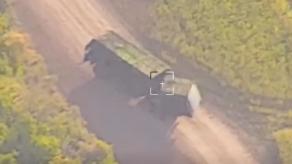



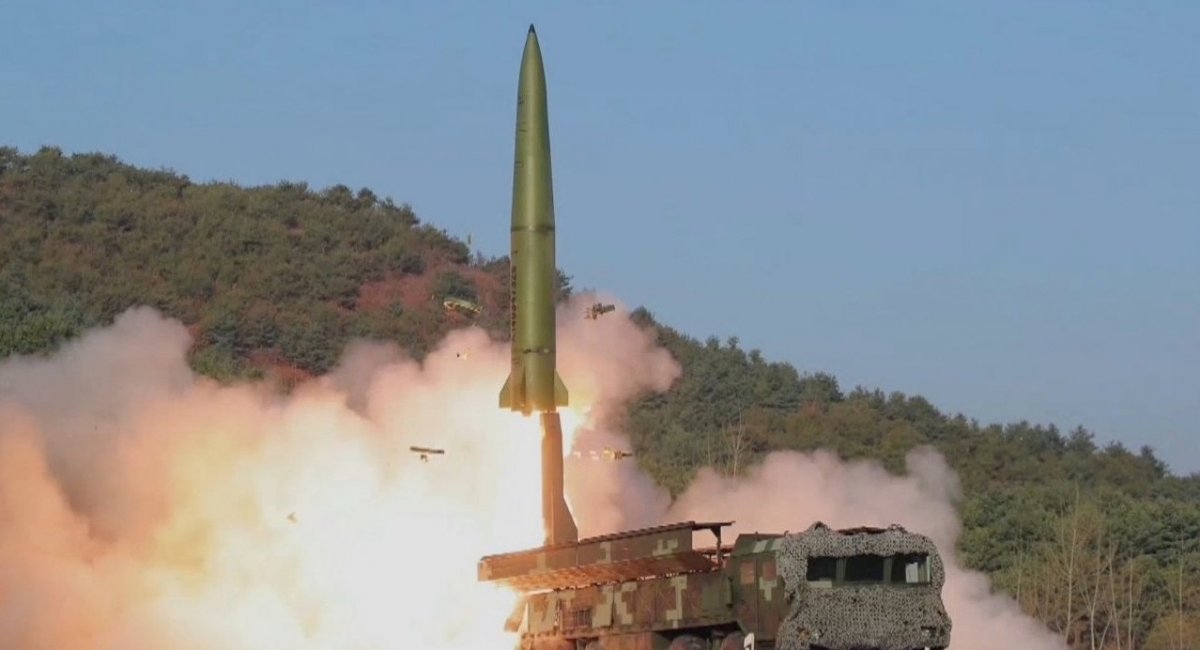
russia is negotiating with North Korea over a new package of military assistance as Moscow prepares for the autumn-winter period of the war against Ukraine. According to Andrii Cherniak, a representative of Ukraine's Defense Intelligence, the requested assistance reportedly includes new North Korean ballistic missiles.
Among the weapons russia is seeking are KN-30 ballistic missiles, which Ukrainian intelligence estimates could be approximately three times more powerful than KN-23/24 missiles previously supplied by Pyongyang. The potential acquisition would give russia another source of ballistic weapons for its ongoing strikes against Ukrainian territory.
Read more: North Korea Built Workshop to Produce KN-23 Missiles for russia in Just 18 Months, Then Hid It Underground
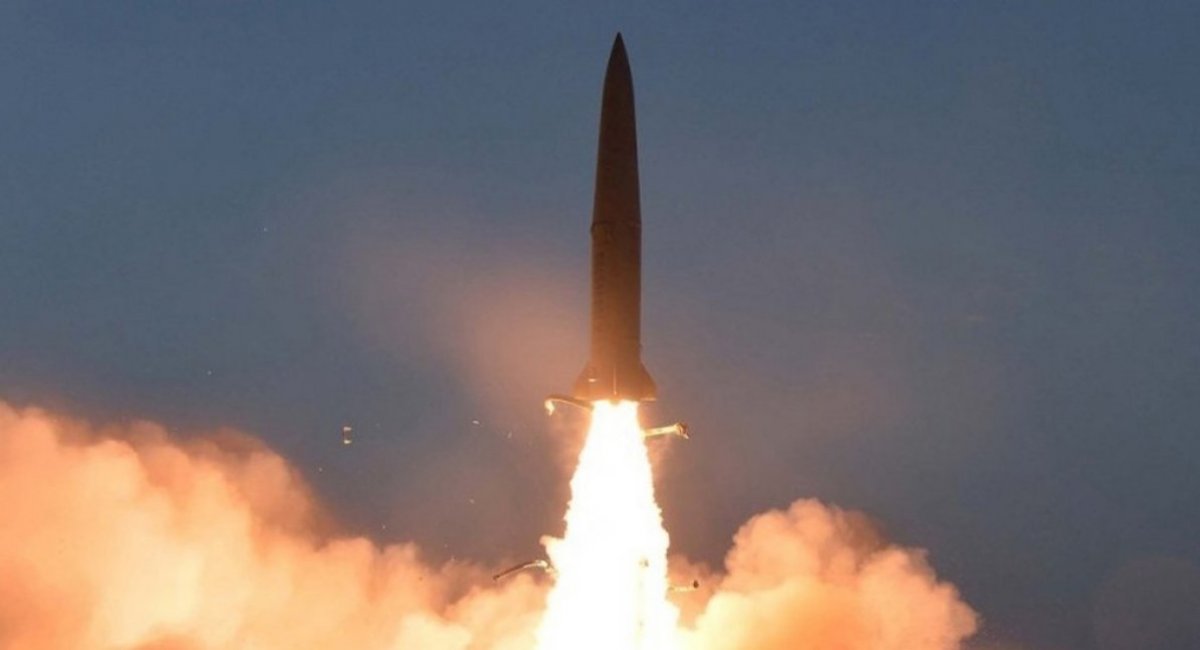
At the same time, Ukraine's Defense Intelligence has not currently recorded any deliveries of KN-30 missiles from North Korea to russia. This distinction is important, as the reported negotiations do not mean that the newer missile has already entered russian service or has been used against Ukraine.
North Korea has already become a significant supplier of military equipment and ammunition to russia. According to earlier assessments, Moscow expects Pyongyang to provide as many as 120 ballistic missiles and six launchers, as well as a dedicated missile unit of up to 90 North Korean personnel.
Russia has already received part of the previously requested missile supplies. Andrii Cherniak said that Moscow has obtained 40 KN-23/24 ballistic missiles from North Korea, with two of these missiles reportedly used by russian forces during one of the recent attacks against Ukraine.
The KN-23 and KN-24 are short-range ballistic missiles that russia has increasingly incorporated into its strike campaign. Their use allows Moscow to supplement its own missile arsenal with weapons supplied by North Korea, potentially helping sustain the tempo of ballistic missile attacks against Ukrainian targets.
The intelligence representative also described russia's missile campaign as part of a broader strategy intended not only to destroy infrastructure and military targets but also to increase pressure on Ukrainian society. Moscow seeks to spread fear, encourage internal divisions and undermine Ukraine's resilience through continued missile attacks.
The final scale of North Korean military assistance to russia could become clearer during expected September talks between russian President Vladimir Putin and North Korean leader Kim Jong Un. If the negotiations result in additional missile deliveries, particularly the reported KN-30 missiles, North Korean military support could become an even more significant factor in russia's ability to conduct ballistic missile strikes against Ukraine.
Read more: France May Provide Air Defense System Capable of Intercepting Iskander-M, KN-23 and Kinzhal Missiles