The United States and the United Kingdom will jointly develop counter-maritime drone measures to protect ports and other critical infrastructure, with the broader task of protecting all important U.S. waterways.
We're talking about a complex of means that could detect, track, as well as neutralize such threats as unmanned underwater vehicles including robots, remotely operated vehicles, etc.
Read more: FCAS Doomed? Airbus Workers Council Calls for National Fighter, Threatens Strike Power of Millions
The project is called Robotic Exclusion and Engagement Framework (REEF). The project's competition documentation emphasized that existing solutions are fragmented, expensive and scarce, justifying the need to create a new maritime drone defense system, as reported by Defense News. The request was submitted by the Pentagon's Defense Innovation Unit.
Such a system will combine a number of different sensors both stationary, such as buoys and underground cables, as well as mobile, including those same maritime drones. These will be equipped with artificial intelligence systems for threat detection, as well as friend-or-foe identification to distinguish hostile assets from cargo and fishing vessels, as well as marine life.
Additionally, an important component is assessment and creation of probable and near-realistic trajectories of movement for one or several targets using sensors that will read data about the target, including its speed.
Both kinetic and non-kinetic means will be used as threat countermeasures, with priority given to the latter this could be something like nets, bubble curtains, etc.
As noted, special attention within the REEF project will be paid to using decoys both inexpensive and high-tech ones, so the enemy cannot accomplish their assigned mission.Requirements for the maritime drone defense system include minimal preparation for operation and, as already stated, AI integration. Additionally, there's a requirement for compatibility with existing command and control systems in service with the U.S. military, etc.
Defense Express notes that overall, the appearance of such a system today is logical and corresponds to threat development. At the same time, it's worth keeping in mind that today for countries like the U.S. or the UK, priority may be precisely protection of waterways from maritime drones.
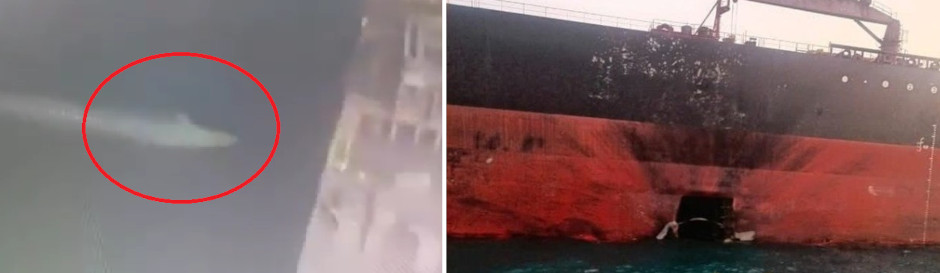
For example, that same iran, which uses various means to block the Strait of Hormuz critically important for oil transportation from the region, has increasingly used unmanned boats in recent years. We previously reported how iran hits oil tankers in the Strait of Hormuz with secret maritime drones.
The U.S. and the UK must be tasked with creating a truly comprehensive solution that will be adapted to those threats that already exist and are more of a priority.
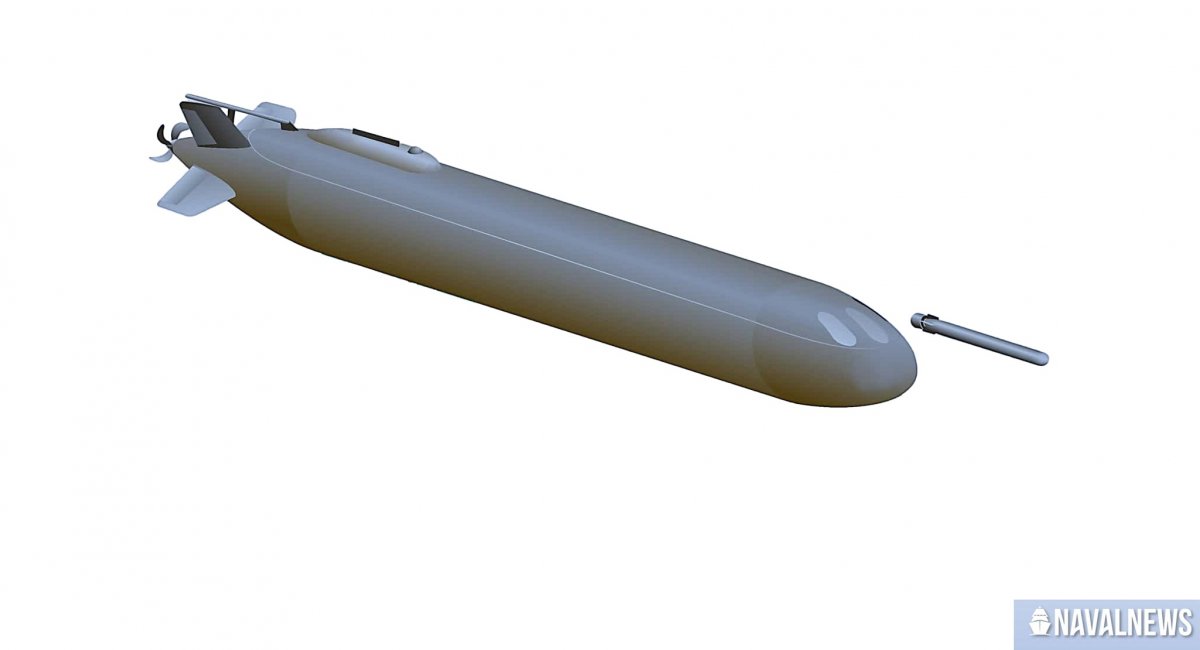
As practical examples, one can recall how after the appearance of Ukrainian maritime drones in the Black Sea, russia was forced to close even the internal Novorossiysk bay with submarines, placing barges at the entrance that served as gates.
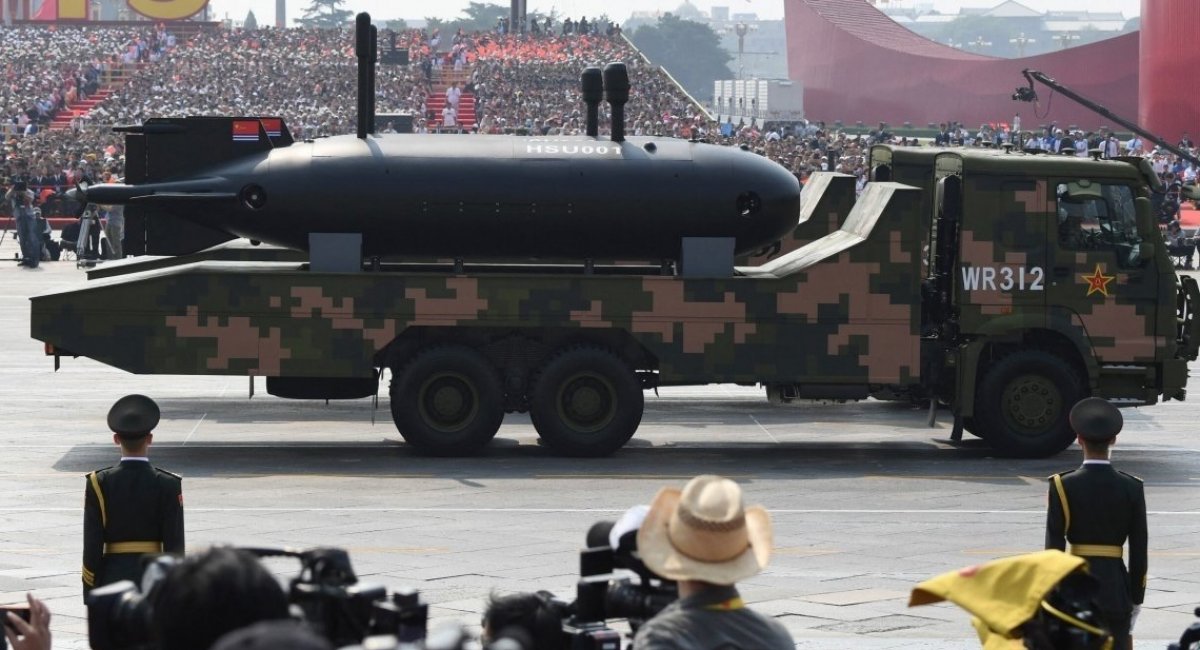
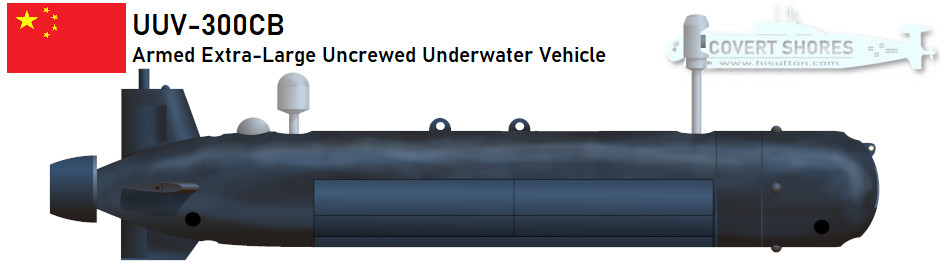
It's worth noting that the U.S. emphasizes underwater drones as a threat, obviously focusing on China. For example, last year China first showed a newest mysterious underwater drone. There was also news that the Chinese are building a revolutionary and world's largest underwater unmanned submarine.
Read more: Quantum Systems Not Only Supplies Drones to Ukraine But Also Invests in Ukrainian Manufacturers, with Germany Funding Interceptors