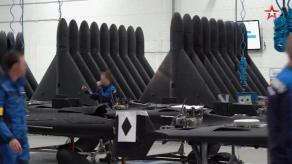



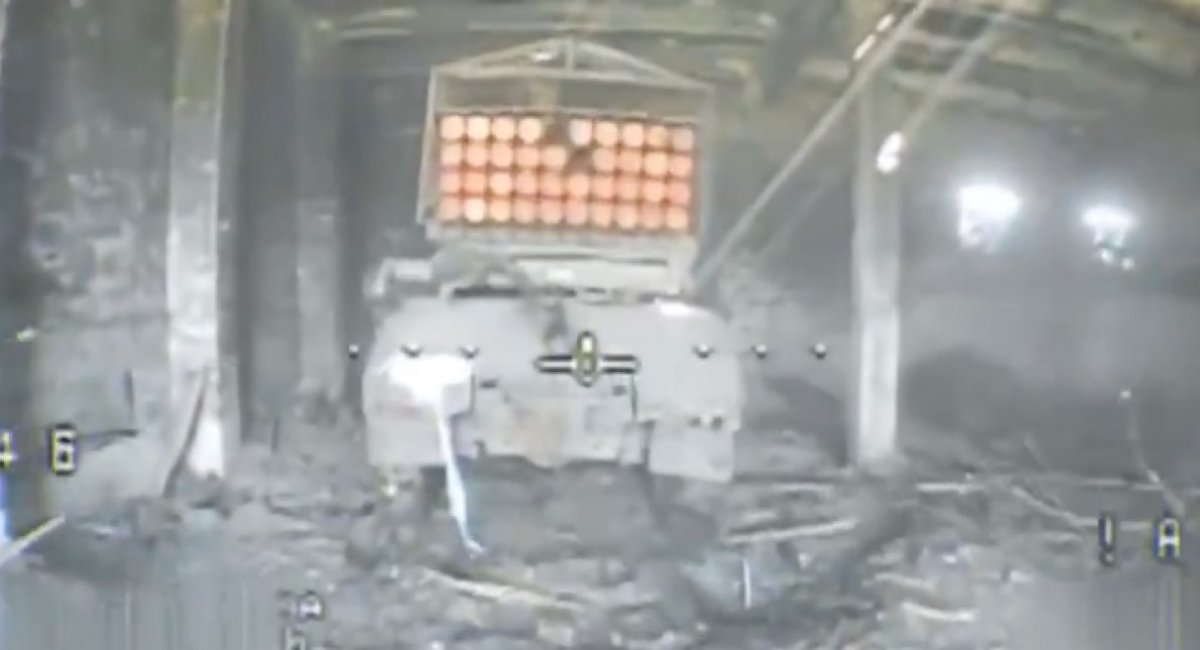
russian forces have shifted much of their heavy artillery farther into the rear, relying primarily on long-range self-propelled guns such as the Msta-S 152 mm to support frontline operations. The move reflects the growing threat posed by Ukrainian drone units, which have made it increasingly difficult for conventional artillery to operate close to the line of contact.
The chief sergeant of the interceptor UAV battery of Ukraine's 115th Brigade, known by the callsign Hektor, said russian self-propelled artillery is now typically positioned 25-30 kilometers behind the front. According to him, this increased standoff distance is a direct response to the effectiveness of Ukrainian unmanned systems.
Read more: Upgraded Arena-M Active Protection System Failed to Protect russian Tanks from Ukrainian FPV Drones
Hektor noted that russian BM-21 Grad multiple launch rocket systems are now rarely employed in his sector because they are actively hunted by Ukraine's drone battalion.
He added that the enemy occasionally uses the longer-range Tornado multiple launch rocket system, but such strikes are relatively infrequent compared to artillery fire from Msta-S howitzers.
According to Hektor, russian assault tactics continue to rely on small infantry groups composed largely of recently mobilized personnel. While these soldiers receive a reasonable level of training, he described them as lacking practical combat experience. Their immediate objective, he said, is often simply to survive long enough to reach the line of contact.
The brigade representative also observed that russian forces attempt to exploit weather conditions, particularly periods of heavy fog, to conceal troop movements. Reduced visibility can complicate aerial reconnaissance and create opportunities for infantry to approach Ukrainian positions with a lower risk of early detection.
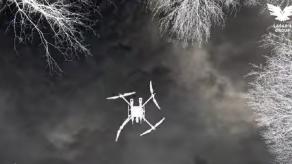
Nighttime, however, no longer provides the same advantage. Hektor explained that modern thermal imaging systems used by Ukrainian forces often make enemy personnel easier to detect after dark than during daylight, reducing the effectiveness of nocturnal assaults and limiting any significant increase in nighttime attacks.
Read more: Ukraine Destroys Msta-B, Giatsint-B, BM-21 Grad Systems, and FPV Drone Cache Near Dobropillia (Video)