


russia is urgently expanding what it calls a shadow fleet of liquefied natural gas (LNG) carriers ahead of the European Union's planned ban on russian LNG imports, according to Ukraine's Foreign Intelligence Service.
The EU embargo is set to take effect on January 1, 2027, prompting Moscow to prepare for the loss of access to one of its key LNG markets. According to Ukrainian intelligence, russia is attempting to build up its own fleet of vessels that could keep its LNG exports moving despite the restrictions.
Read more: Romania Destroys Two Gerbera Drones Near the Neptun Deep Gas Field (Video)
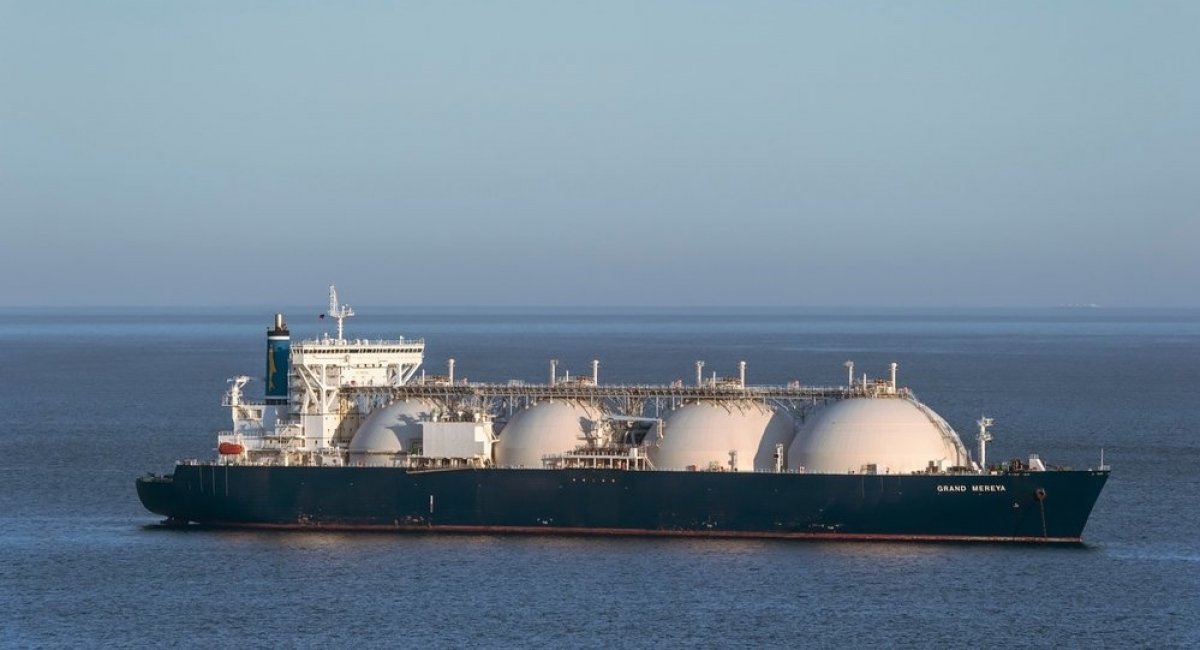
Unlike oil tankers, LNG carriers are significantly more expensive and technically complex. A new LNG carrier can cost up to $300 million and requires specialized cryogenic systems capable of keeping liquefied gas at around -162°C. This makes rapidly building a new fleet difficult for russia.
Instead, Moscow is reportedly turning to older vessels that international companies are already retiring. Over the past six months, russia has added at least eight second-hand LNG carriers and two newly built vessels from the Zvezda shipyard. The agency estimates that russia's shadow LNG fleet has reached 25 vessels in 2026.
Most of these ships are reportedly registered through intermediary companies based in Dubai, Hong Kong, and Singapore. Such ownership structures can make it harder to establish the vessels' links to russia and potentially allow Moscow to continue transporting LNG while attempting to circumvent sanctions and restrictions.
The agency estimates that more than 65% of russia's LNG production comes from Novatek's Yamal LNG and Arctic LNG 2 projects, while another roughly 30% is supplied by Gazprom's Sakhalin-2 project. China remains the largest buyer of LNG from Arctic LNG 2, with a separate group of gas carriers reportedly operating on routes to the country.
However, international sanctions are already limiting russia's ability to expand its LNG shipping capacity. Six completed Arc7 ice-class LNG carriers built in South Korea for russia's Arctic projects remain blocked there. The shortage of suitable ice-class vessels is particularly significant because Arctic navigation is subject to seasonal limitations and requires specialized ships.
The agency therefore assesses that expanding the shadow fleet alone will not fully protect russia's LNG exports after the EU embargo takes effect. Novatek could face a growing surplus of unsold gas, forcing it to reduce production or sell LNG at substantial discounts. Such a situation could strengthen the bargaining position of China and other Asian buyers while increasing pressure on russia's LNG industry.
Read more: Ukraine's Foreign Intelligence Service: Wildberries Loses 20% of Warehouse Capacity as Losses Reach $2.5 Billion