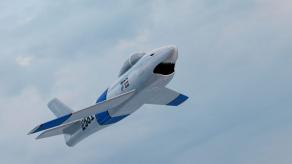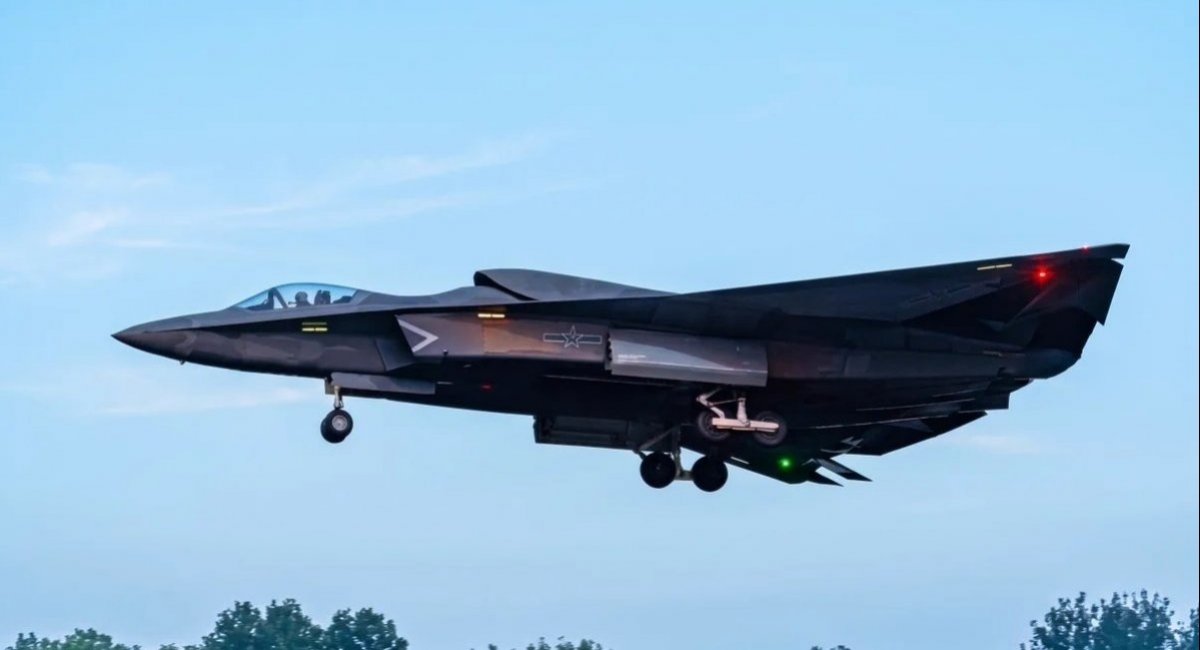
China’s cutting-edge J-36 fighter-bomber—already classified as a 6th-generation aircraft due to its incorporation of numerous revolutionary technologies—is set to be equipped with a combat laser.
The Aviation Industry Corporation of China (AVIC) is currently working on developing this weapon and integrating it into the aircraft. A promotional poster revealing some of the system's specifications is circulating on Chinese social media.
Read more: $863 Million for Precision Fire: U.S. Prepares M1156 PGK for Wars Against russia and China
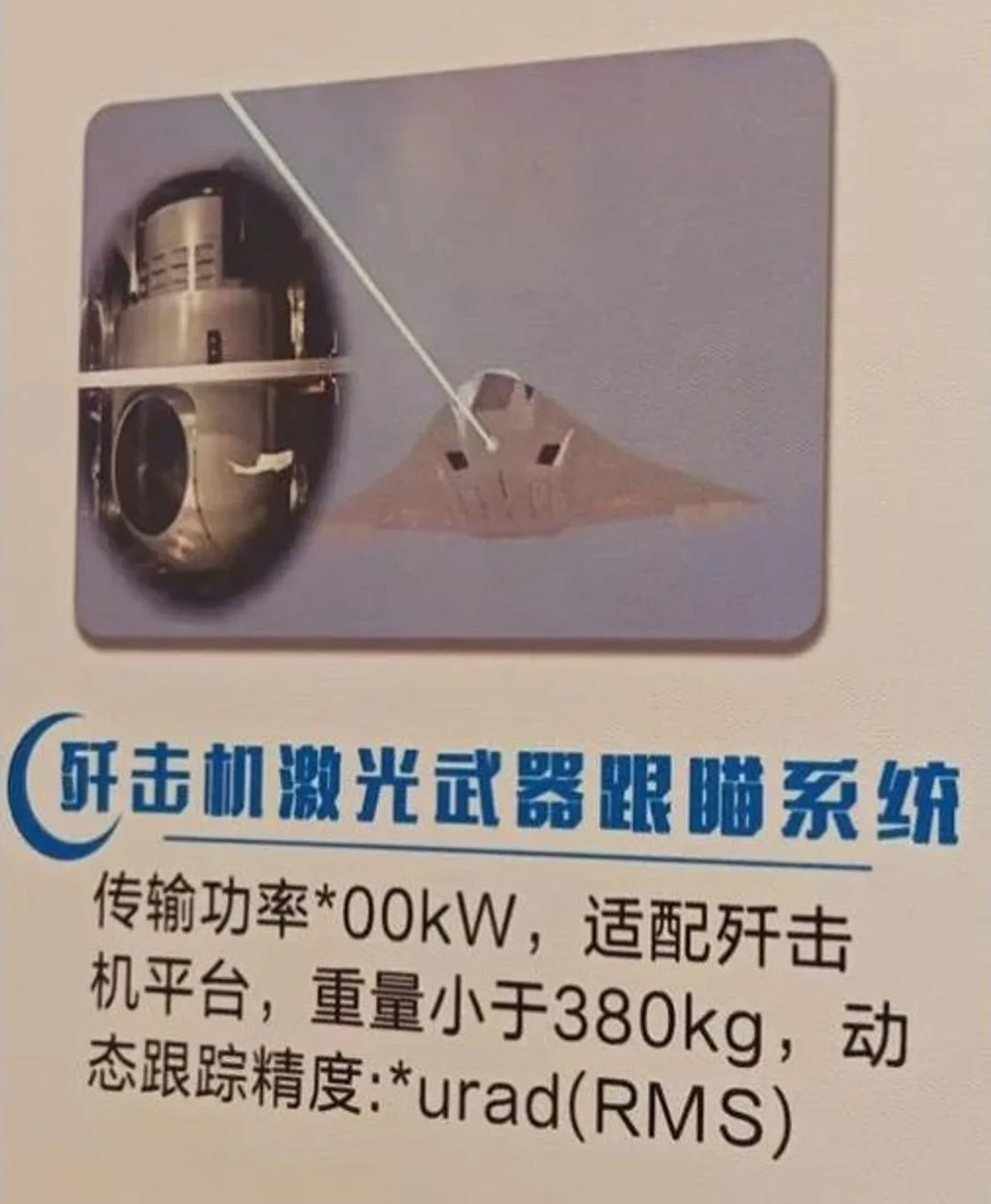
Specifically, the poster indicates that the laser system will have a total weight of 360 kg. The power output is listed as "*00 kW," implying a minimum of 100 kW or higher.
This power level brings the Chinese system much closer to experimental combat lasers designed for ships or ground-based platforms, whereas initial production models typically offer significantly lower power.
For instance, the first U.S. prodused combat laser, the Locust X3, has an output of only 30 kW. Meanwhile, the ship-based HELIOS laser currently operates at 60 kW, with plans to scale up to 150 kW.
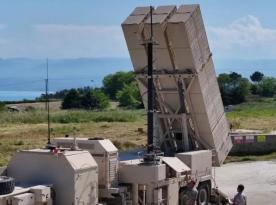
Only in the case of Israel’s Rafael Iron Beam 450—where the number indicates a 450 mm aperture—is a power output of 100 kW claimed. However, the developers do not specify whether this figure is achieved by combining the output of two laser systems or if each individual system reaches that level.
It is worth noting that a power output of 100 kW is sufficient to effectively engage not only drones but also cruise missiles. This potentially allows the J-36 to be transformed into a specialized air defense aircraft capable of loitering in the air for hours and destroying targets without expending ammunition.
Installing such a combat laser is entirely feasible given the dimensions of the J-36; it is a truly large aircraft, with an estimated takeoff weight of around 50–55 tons and a wingspan of approximately 20 meters. A laser with an output exceeding 100 kW can be quite heavy, as the device requires a powerful energy source in addition to the emitter itself.
Read more: China's Nuclear-Powered Railgun Tank at 450km Range Sounds Absurd, But It's Real State-Ordered Three-Phase Plan