German radar manufacturer Hensoldt and ZF Friedrichshafen AG concern signed cooperation agreement. It is reported serial production of SPEXER radars will be established at ZF facilities, allowing Hensoldt to scale production capacity. Agreement is driven by increased demand for counter-drone radars.
As Hensoldt reports, ZF will produce radars independently and deliver them directly to customers, but intellectual property rights will remain fully with Hensoldt. Additionally ZF will develop automated testing system for production.
Read more: U.S. Startup Vector Unveils Bombard, an American Answer to Ukraine’s Bars
Currently Hensoldt is expanding its production capacity based on three main principles: securing its own supply chains, efficiently using reserve capacity at existing facilities, and developing new production sites, particularly in partnership with other industrial companies.

Cooperation specifically with ZF Friedrichshafen AG is driven by company’s experience working with high-frequency technologies and its expertise in high-volume production. Another advantage is that ZF has production facilities near Hensoldt.
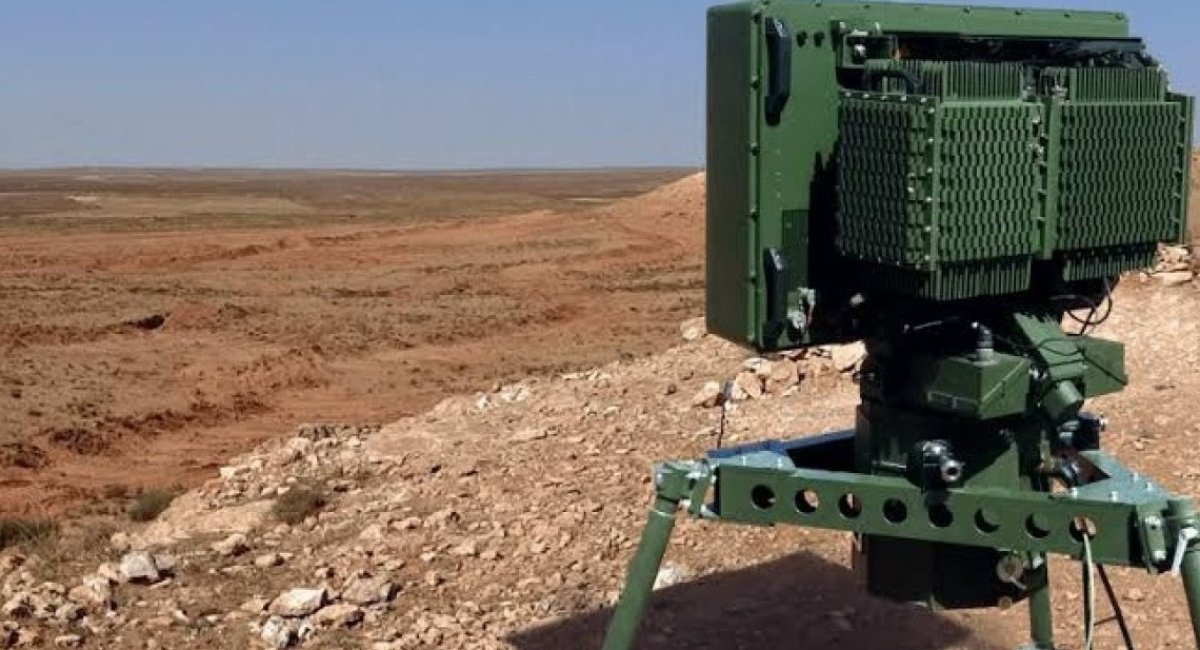
This concerns SPEXER family of multifunctional radars that can detect, track and automatically classify low-flying air targets, including drones, as well as ground and maritime vehicles. Core models in lineup are compact SPEXER 360 station, which can be installed on small vehicles to detect small targets at distances up to 10 km, and SPEXER 500 and SPEXER 1000, designed for monitoring critical infrastructure and operating at ranges of 9 and 18 km respectively. Flagship of lineup is SPEXER 2000 Mk 3 — powerful radar whose main purpose is detecting drones as part of air defense at distances up to 40 km.
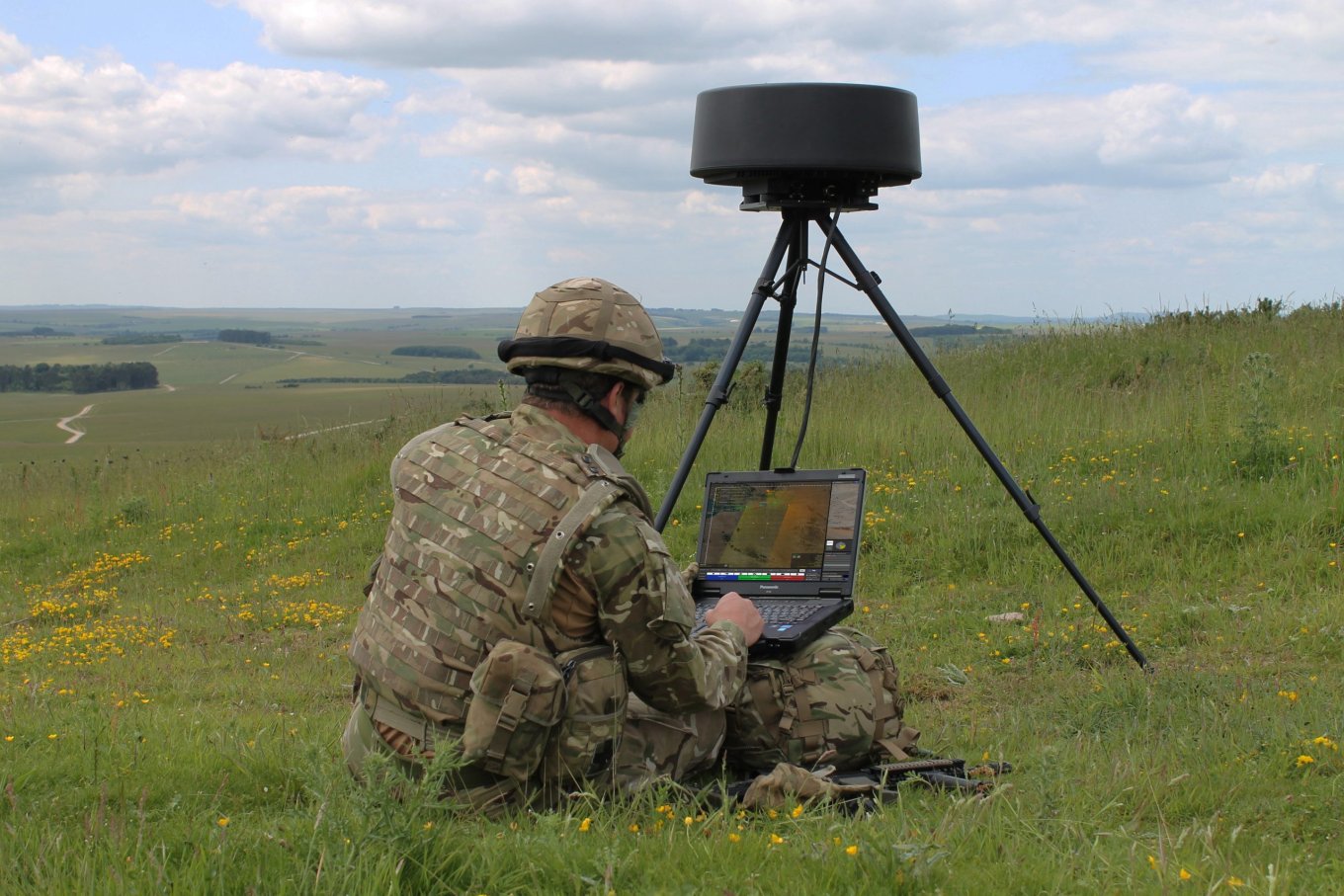
Defense Express adds that most likely Hensoldt’s main goal is precisely scaling SPEXER 2000 Mk 3 radar. As known, this radar equips Skyranger 30 turret-based short-range counter-drone air defense system, but it can also be integrated on light vehicles, for example ordinary car. Key feature of radar is ability to operate on the move, allowing it to accompany unit. SPEXER 2000 Mk 3 systems are operated by at least eight countries and have already been contracted for Ukraine.
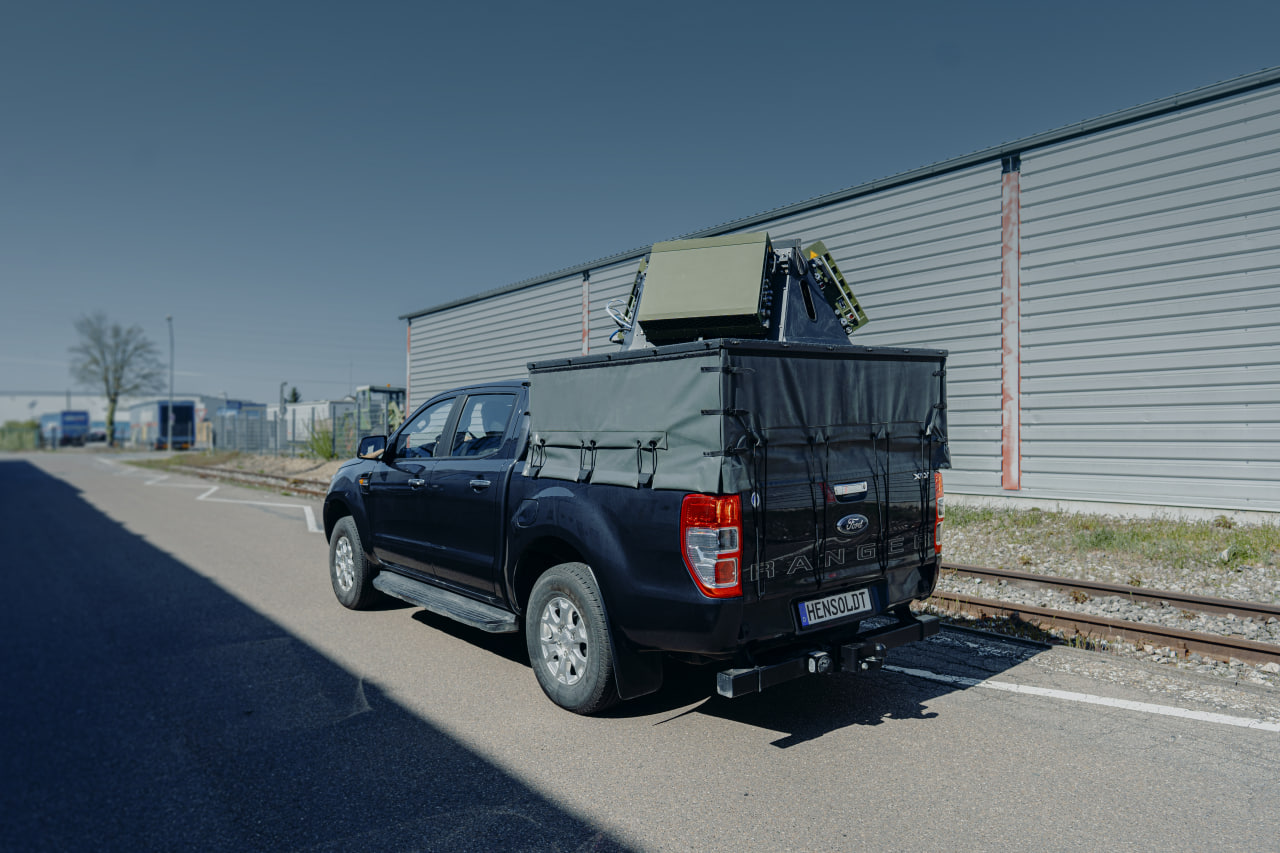
Continuing Ukraine topic, integration of SPEXER 2000 Mk 3 on UGVs would look quite promising, especially since radar dimensions and weight fully allow installing it on domestic ground platforms as integrated module. This would ensure mobility during target detection operations and significantly expand coverage of one of layers in echeloned air defense system.
Hensoldt itself is strategic partner of Ukraine — this year company opened service center in Ukraine for maintaining its own stations and is training specialists there to service its radars. Moreover Hensoldt participates in pan-European Freyja air defense project led by Ukraine’s Fire Point. One can therefore assume scaling radar production through ZF manufacturing facilities will also affect Ukraine, and behind-the-scenes agreements on this likely already exist.
Read more: How Much Time and Money Would Ukraine Need to Develop Its Own Satellites to Detect Iskander and S-400 Missile Launches?