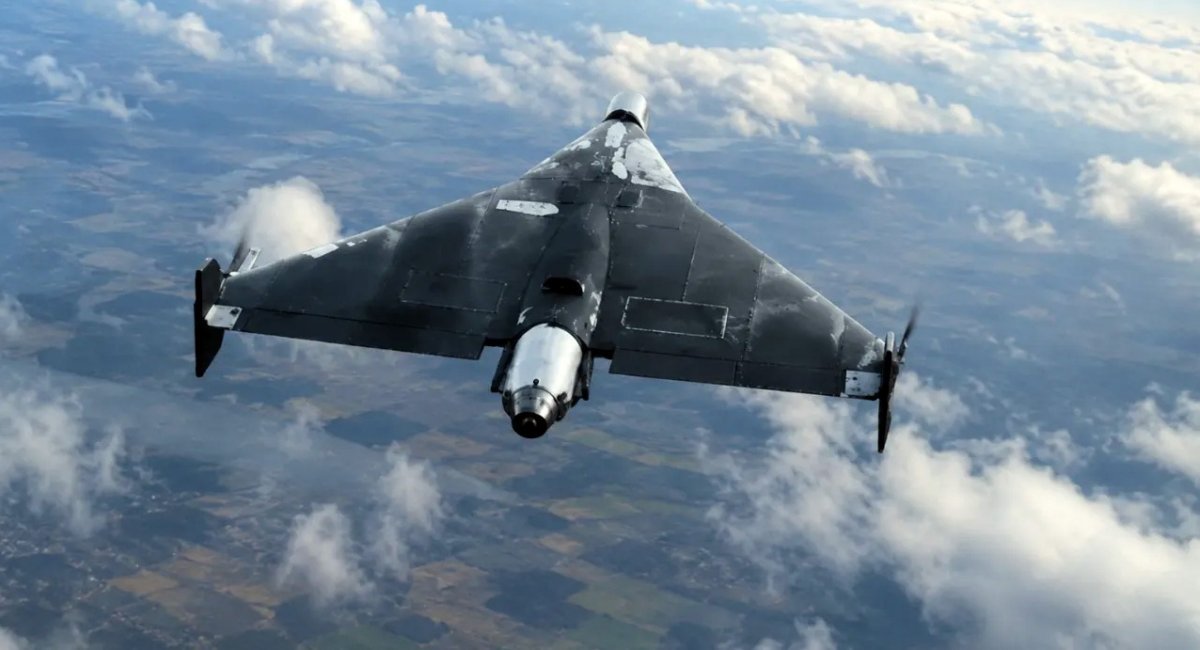
During long-range attacks on Ukraine involving jet-powered Geran-4 and Geran-5 drones, russian forces sometimes employ a different tactic to penetrate Ukrainian air defenses: high-altitude flight.
During the cruise phase, these drones, which are now considerably closer to cruise missiles than to conventional Shahed-type UAVs in terms of their capabilities, can fly above 5 km. In some cases, flight altitudes of around 7 km have been recorded.
Read more: How Fast Can Cheap Interceptor Missile Against Jet-Powered Drones Go From Idea to Production? Frankenburg Example
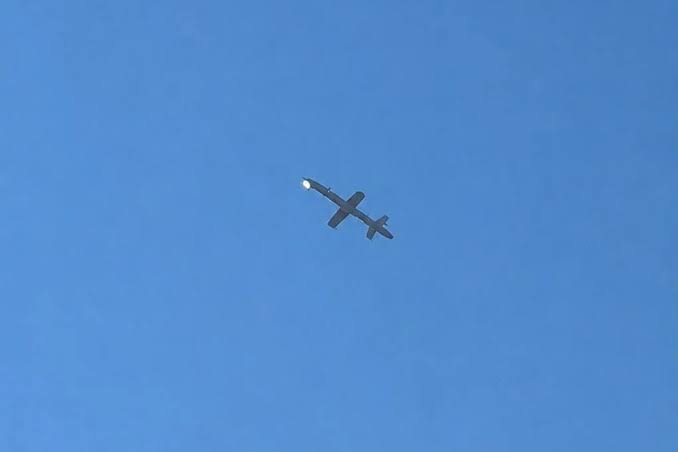
Traditionally, however, low-altitude flight has been used to penetrate air defenses. In this scenario, a cruise missile or drone flies as close to the ground as possible, using terrain to mask its approach while minimizing the time it spends within the engagement zones of detection and air-defense systems.
russian forces sometimes deliberately choose high-altitude cruise profiles, where jet-powered drones remain clearly and consistently visible to radars. The idea is to put an entire range of Ukrainian air-defense systems out of reach.
Since 2022, Ukraine has significantly expanded and developed its ability to counter low-altitude targets. When a Shahed-type drone flies at an altitude of 100–200 meters, it can be effectively engaged by mobile fire groups armed with machine guns. Even when russian forces raised the flight altitude of propeller-driven drones to 1–2 km, anti-aircraft drones and anti-aircraft artillery remained effective against them.
A target flying at 7 km, however, puts a wide range of air-defense systems out of the fight.
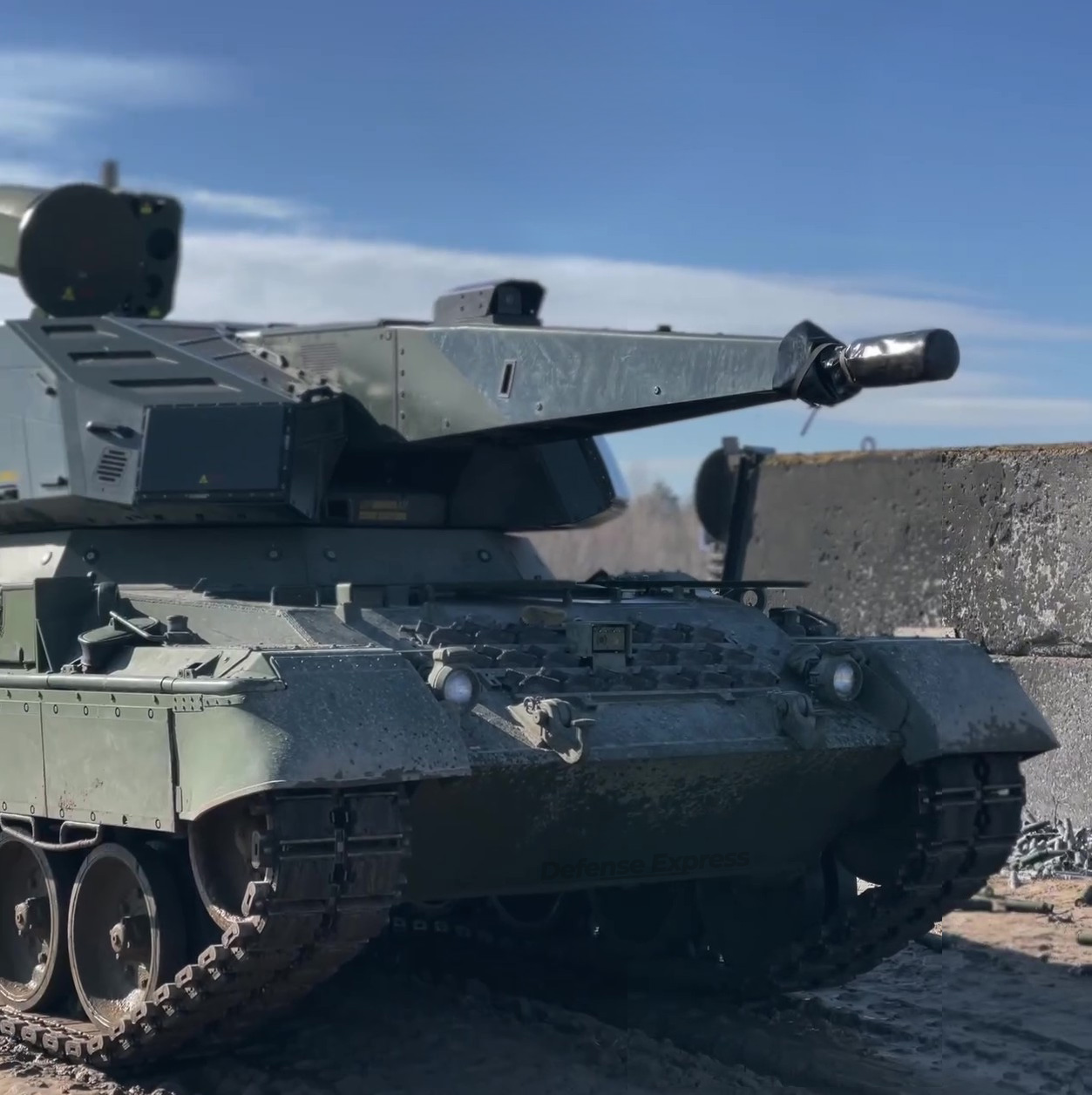
For example, the Gepard self-propelled anti-aircraft gun can effectively engage targets at altitudes of up to approximately 3.5 km. The situation is unlikely to be dramatically different with the newer Skyranger 35, whose effective engagement range is reportedly up to 4 km.
A target at 7 km is also beyond the reach of all major man-portable air-defense systems and ground-based systems using such missiles. For example, the U.S. Stinger can engage aerial targets at altitudes of up to about 3.5 km, Poland's Piorun reaches roughly 4 km, while the French Mistral 3 can engage targets at up to approximately 6 km.
Even conventional short-range surface-to-air missile systems cannot necessarily reach targets at such altitudes. The 9K35 Strela-10, for example, has an engagement ceiling of around 3.5 km, while the 9K33 Osa-AKM can reach approximately 5 km with its standard 9M33 missiles. Replacing those missiles with R-73 air-to-air missiles does not necessarily provide a higher effective ceiling.
The IRIS-T SLS can engage targets at altitudes of up to 6 km, according to Diehl Defence, meaning that a target flying at 7 km would also be outside its stated altitude coverage.
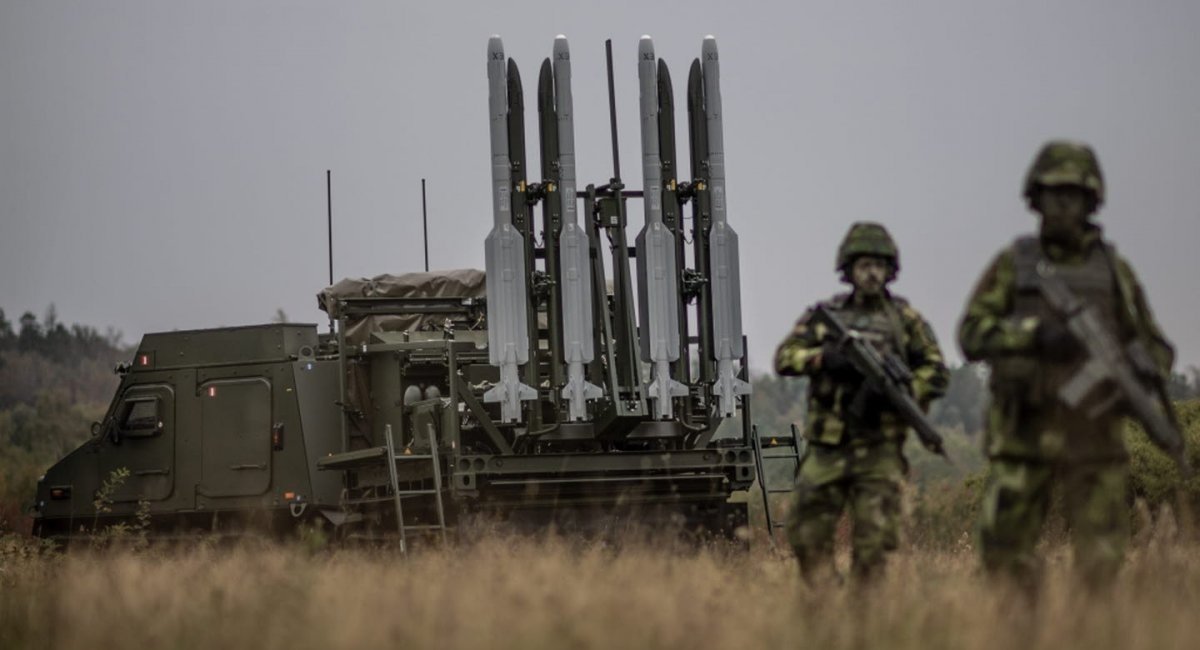
Naturally, a 7-km flight altitude is also beyond the reach of low-cost counter-drone air-defense systems based on APKWS missiles and similar effectors. The Frankenburg Mark I, which was developed as a compact surface-to-air missile for countering drones, can engage targets from the ground at altitudes of up to 1.5 km.
At 7 km, engaging such a target with an interceptor drone becomes considerably more difficult, if it is possible at all. The interceptor first has to climb to that altitude, while its propellers must continue generating sufficient lift in the thinner air.
In practice, engaging aerial targets at an altitude of 7 km requires medium- and longer-range surface-to-air missile systems such as Buk, including FrankenSAM configurations using RIM-7 missiles, IRIS-T SLM, and similar systems.
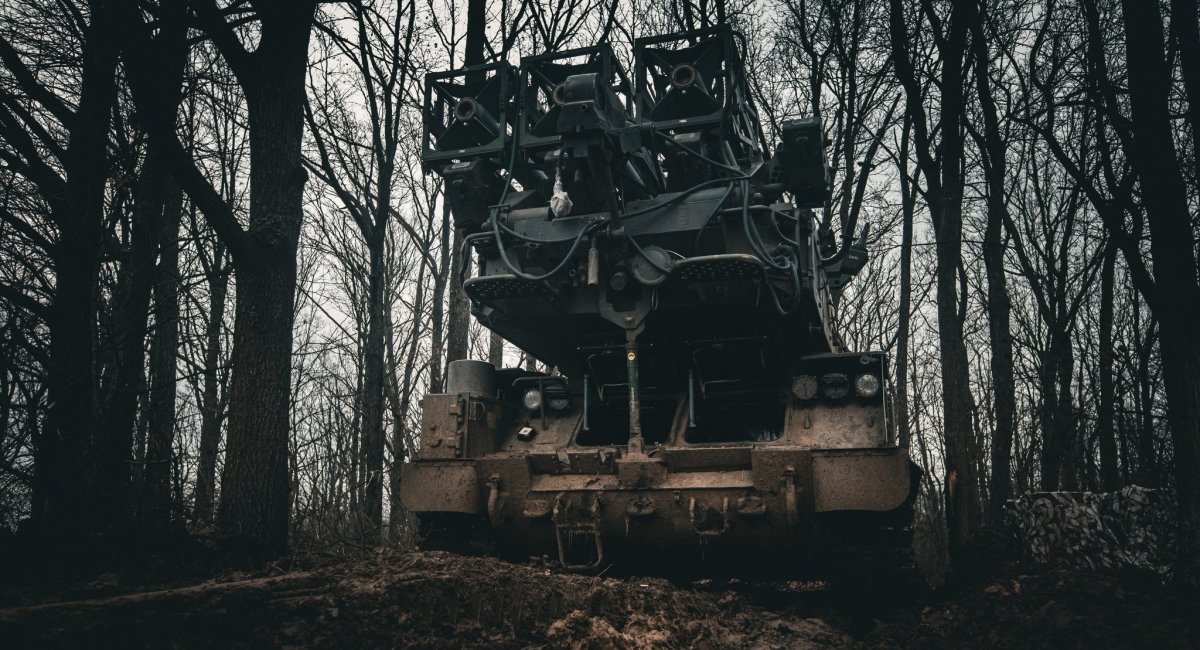
However, using these systems and their relatively expensive surface-to-air missiles against targets such as Geran-4 and Geran-5 is not only economically inefficient. It is also problematic because of the limited number of available air-defense missiles.
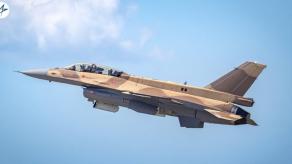
This leaves fighter aircraft as one of the few economically viable options, particularly F-16s equipped to use APKWS in an air-to-air role. Even missiles such as the AIM-9 are more expensive than a typical Geran-4 and are produced at considerably lower rates.
Read more: How Long Did It Take russia to Switch to Jet-Powered Drones, Did Anyone "Sleep Through" Their Emergence?