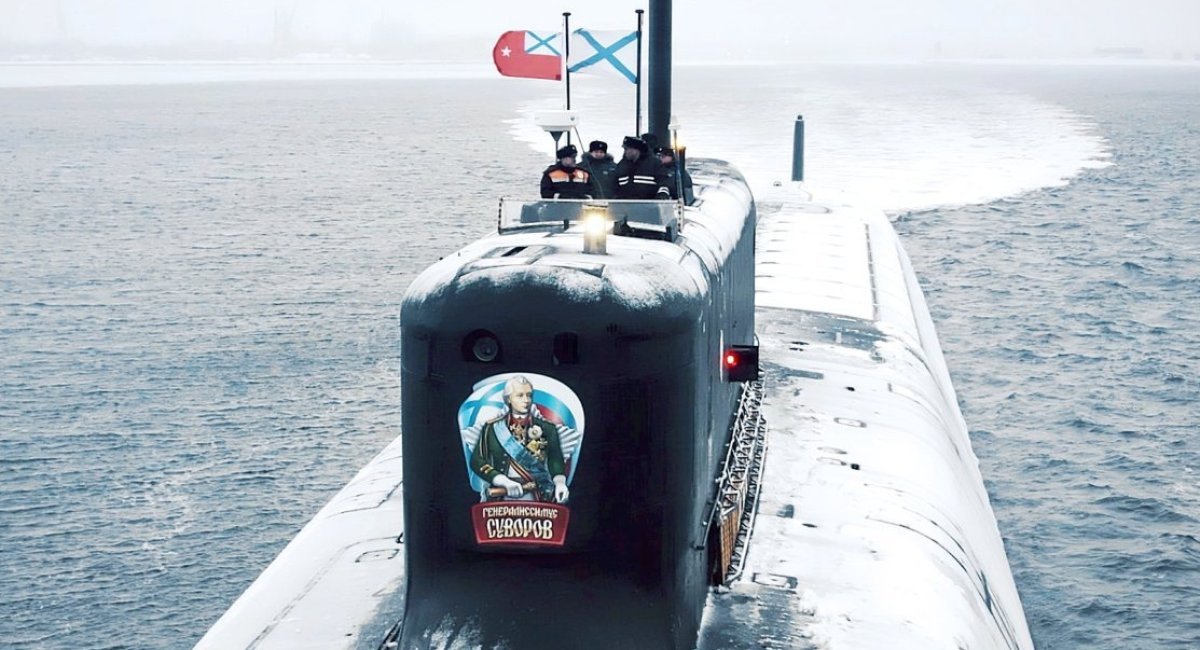
russian forces have conducted another launch of the R-30 Bulava intercontinental ballistic missile, a weapon whose development and adoption were marked by repeated setbacks. This time, the launch platform was the strategic nuclear-powered submarine K-553 Generalissimus Suvorov, which has carried out such a launch before.
According to russia’s Ministry of Defense, the missile was launched from a submerged position in the Sea of Okhotsk toward the Chizha test range in Arkhangelsk region. The launch was reportedly conducted as part of a scheduled combat training exercise.
Read more: While russia Barely Produces Kinzhal Missiles, U.S. Finally Moves AGM-183A ARRW Hypersonic Missile Into Production
Defense Express notes that Generalissimus Suvorov has now launched an R-30 Bulava missile for only the second time in its service history. The first launch took place in November 2022, a month before the submarine was officially commissioned.
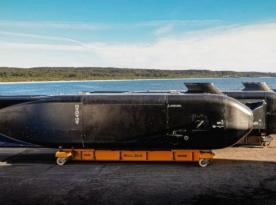
Generalissimus Suvorov is the third submarine built under the upgraded Borei-A project and the sixth vessel in the broader Borei class. Construction began in 2014, and the submarine was launched in early 2022 and prepared for sea trials. Its construction therefore took approximately eight years, which can be considered fairly typical for the Borei project.
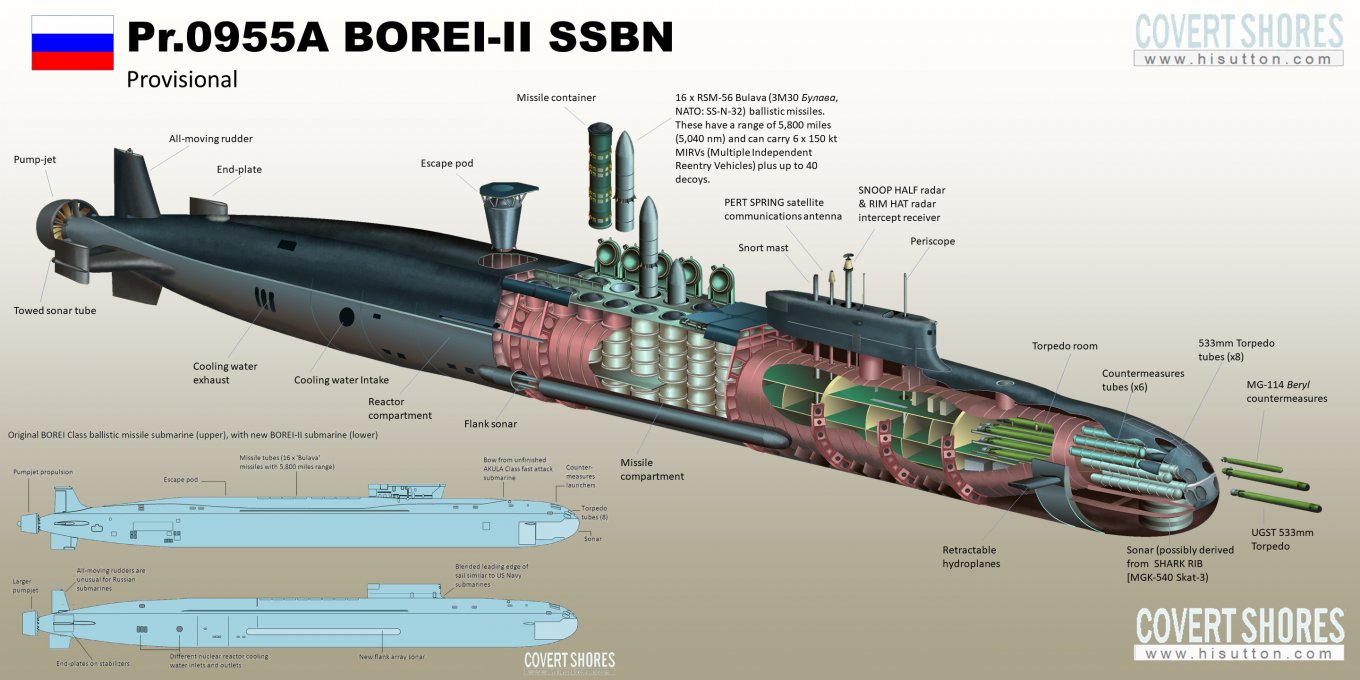
The submarine has a submerged displacement of 24,000 tonnes. It is 170 meters long and 13.5 meters wide. It can reach speeds of 29 knots underwater and 15 knots on the surface. Its maximum diving depth is reportedly 480 meters, with an operational depth of 400 meters.
Its main armament consists of 16 launch tubes for R-30 Bulava intercontinental ballistic missiles and six 533 mm torpedo tubes. russia currently has five Borei-A nuclear-powered submarines in service and eight submarines across the Borei class as a whole. These vessels form part of the naval component of russia’s nuclear triad.
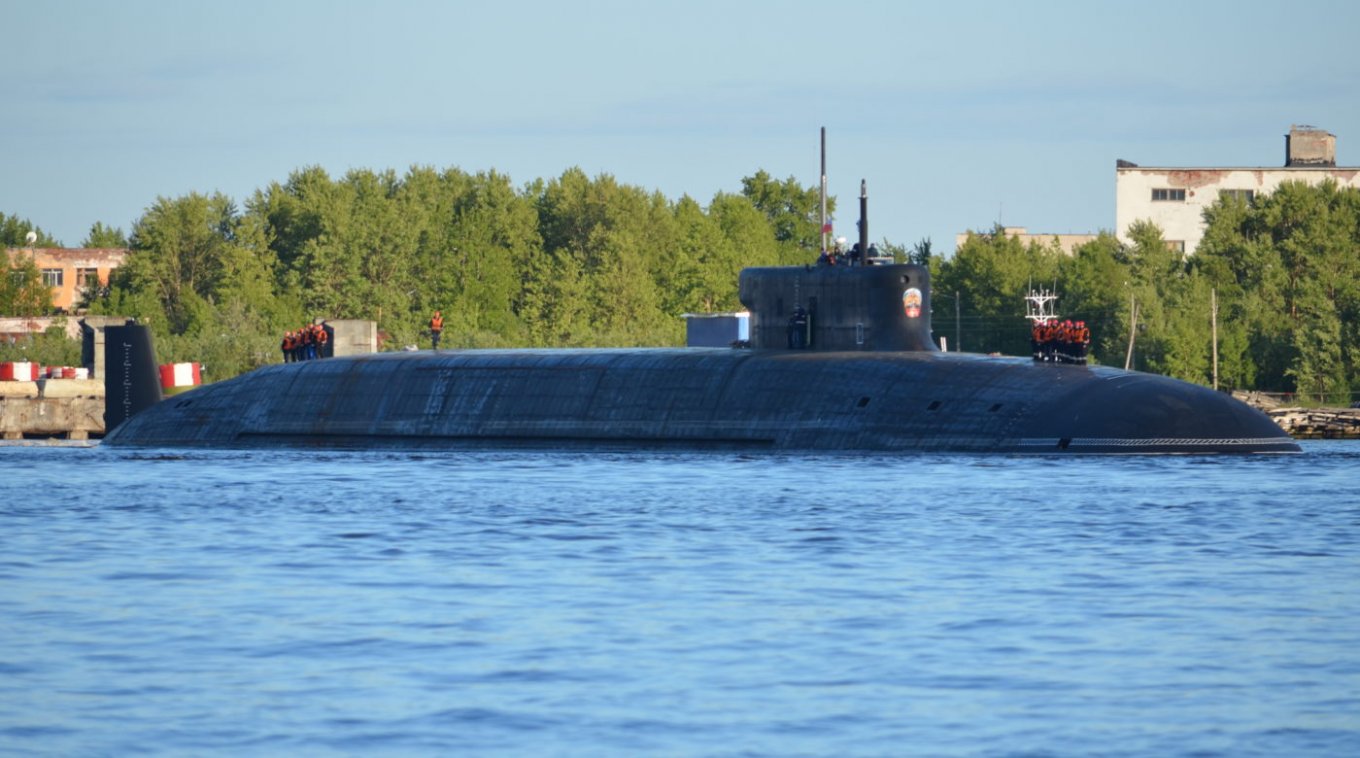
The submarines are being built to replace the Project 667 Delfin-class missile carriers, which currently make up the main part of russia’s sea-based nuclear deterrent. Additional details about these submarines were disclosed in 2025, when Ukraine’s Defense Intelligence published information about the K-555 Dmitry Pozharsky.
As for the R-30 Bulava, the missile entered service in 2024 after approximately 20 years of testing, a significant portion of which ended in failure. This troubled development history is why its eventual entry into service can be described as hard-won. The previous launch also took place in 2024, from another Borei-A submarine, Knyaz Oleg. That was also the second Bulava launch for that submarine.
Read more: russia Sold Six Mi-28 Helicopters to Uganda After Saving Them From Ukrainian Air Defenses, Then Built $53 Million Worth of Facilities There