US defense company Lockheed Martin recently unveiled its concept for the PAC-3 ACE, a new interceptor designed to engage ballistic missiles and serve as a cheaper alternative to the PAC-3 MSE, which remains in short supply.
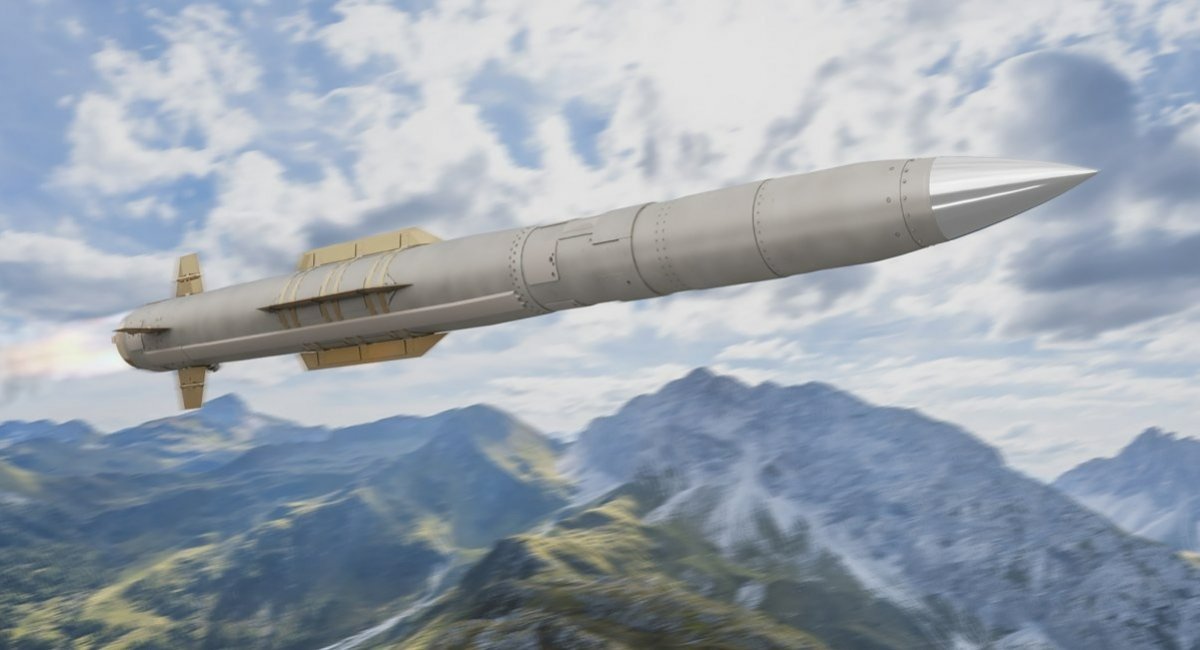
Now, Lockheed Martin has disclosed the design of the new PAC-3 ACE, revealing several significant details. The published image shows that the space previously occupied by the belt of solid-propellant divert and attitude control thrusters on the PAC-3 MSE has been taken up by a warhead.
Read more: If PAC-3 MSE Already Intercepts Kinzhal and Zircon Missiles, Why Does U.S. Need Separate PAC-3 Edge?
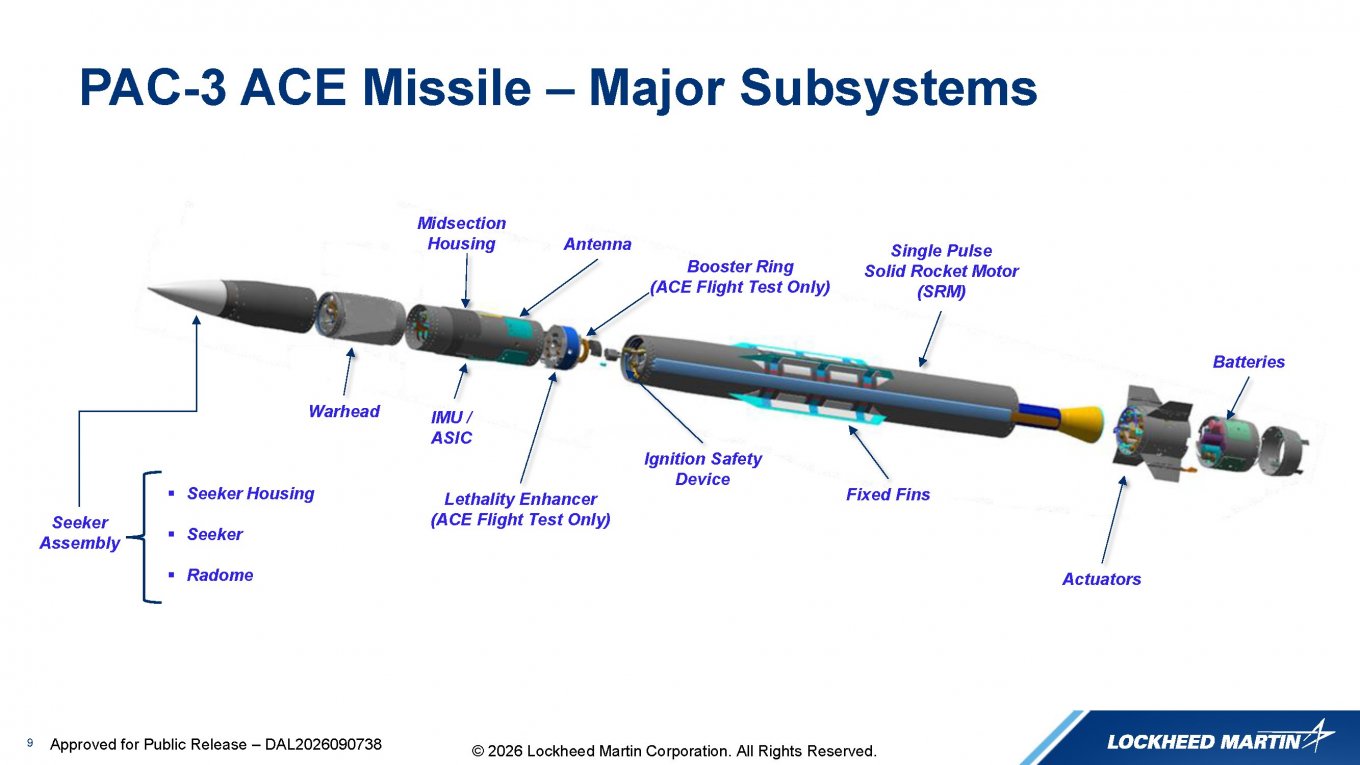
The warhead has become necessary because the PAC-3 ACE will lose the ability to destroy targets through direct impact using hit-to-kill technology. The PAC-3 MSE does not have a conventional explosive warhead. Instead, it carries a 7 kg lethality enhancer that detonates inside the target.
However, the image shows that the PAC-3 ACE is still fitted with a lethality enhancer similar to the one used on the PAC-3 MSE. This component is reportedly needed only during testing, possibly to break up debris, and is expected to be omitted from production versions.
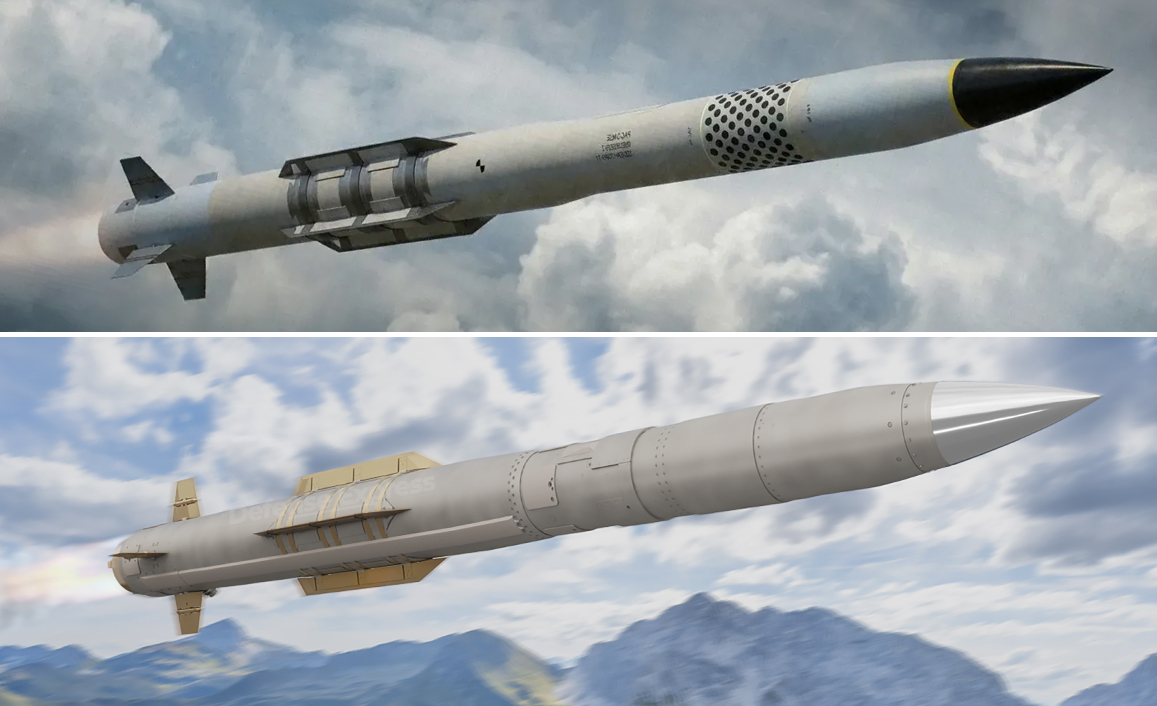
The layout and design of the other PAC-3 ACE components remain broadly similar to those of the PAC-3 MSE. However, each component has been redesigned and simplified to reduce the overall cost of the finished interceptor.
One of the most significant changes concerns the PAC-3 ACE solid-fuel rocket motor. Although it retains a shape similar to that of the PAC-3 MSE motor, it uses a single-pulse design, whereas the PAC-3 MSE is equipped with a dual-pulse motor.
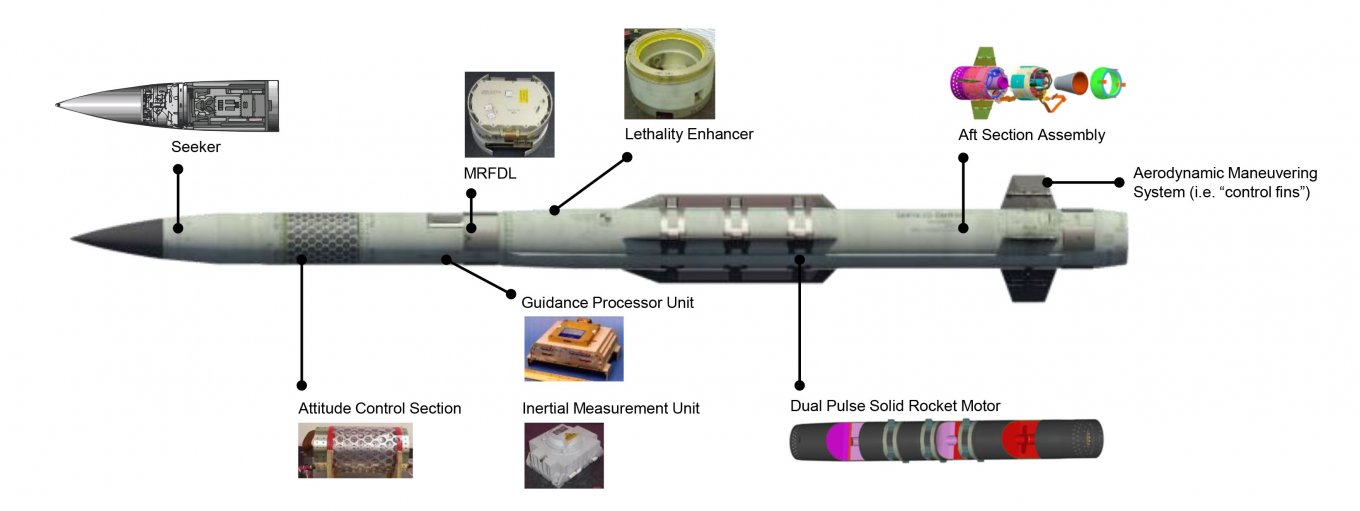
The dual-pulse motor allows the PAC-3 MSE to accelerate rapidly and establish its flight trajectory during the first pulse, then sustain high speed for longer during the second pulse. This provides the interceptor with a greater energy reserve for maneuvering.
By switching to a simpler, cheaper single-pulse solid-fuel motor, the PAC-3 ACE will have less energy available. At maximum engagement ranges and altitudes, this will leave less energy for maneuvering and reduce the interceptor’s maximum range.
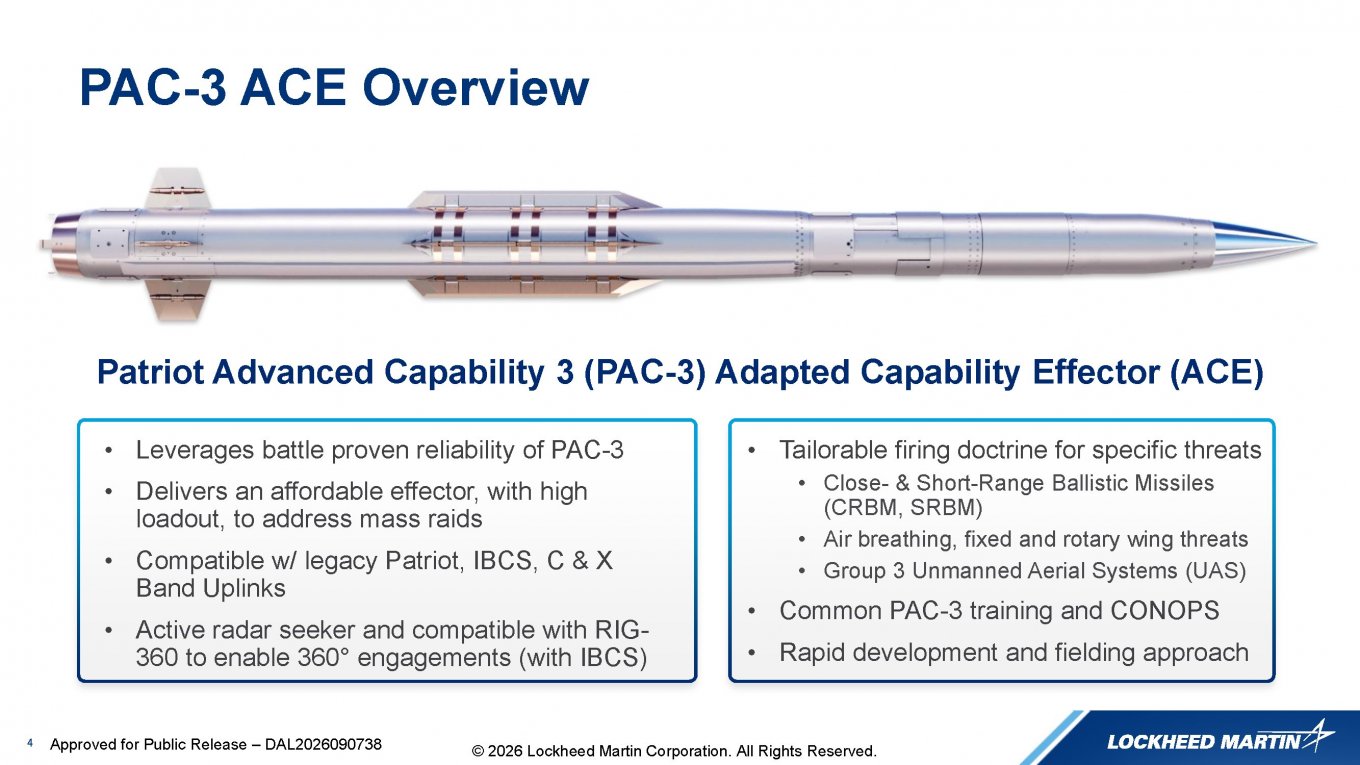
Lockheed Martin’s own presentation also confirms that the PAC-3 ACE will have a shorter range and lower engagement altitude than the PAC-3 MSE. One slide compares the maximum engagement ranges and altitudes against ballistic and aerodynamic targets for the PAC-3 MSE, PAC-3 ACE, and PAC-2 GEM-T.
The chart indicates that the PAC-3 ACE will have a considerably shorter range and lower engagement altitude than the PAC-3 MSE. Based on the chart, the PAC-3 ACE may even fall slightly short of the PAC-2 GEM-T in maximum interception altitude against ballistic targets.
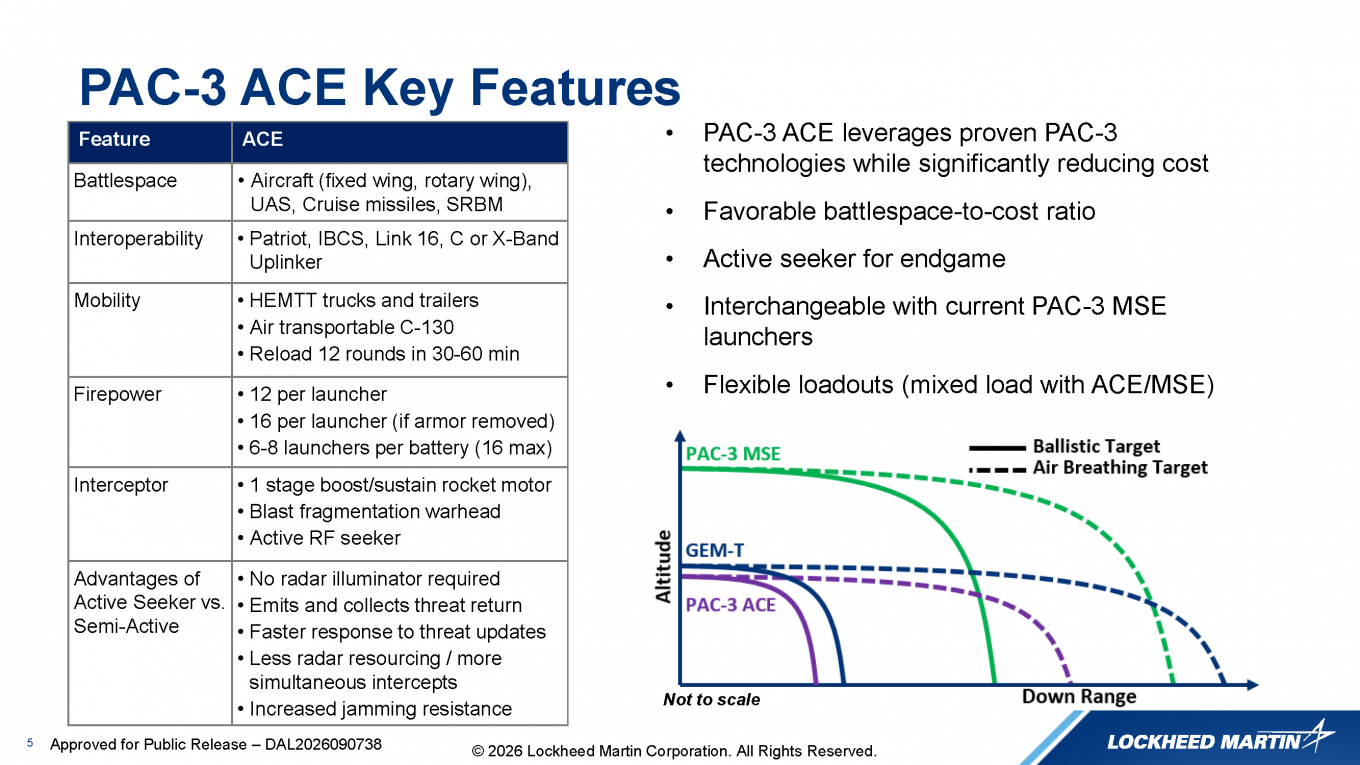
Exact performance figures for the PAC-3 ACE have not yet been disclosed. Available data indicate that the PAC-2 GEM-T can engage ballistic targets at altitudes of up to 32 km, while the PAC-3 MSE has a maximum engagement altitude of approximately 36 km. The PAC-3 ACE is expected to have a lower maximum engagement altitude than either missile.
In summary, the PAC-3 ACE is likely to be noticeably less capable than the PAC-3 MSE against ballistic targets. However, this trade-off is expected to be offset by a missile that costs roughly half as much and can be produced in greater numbers.
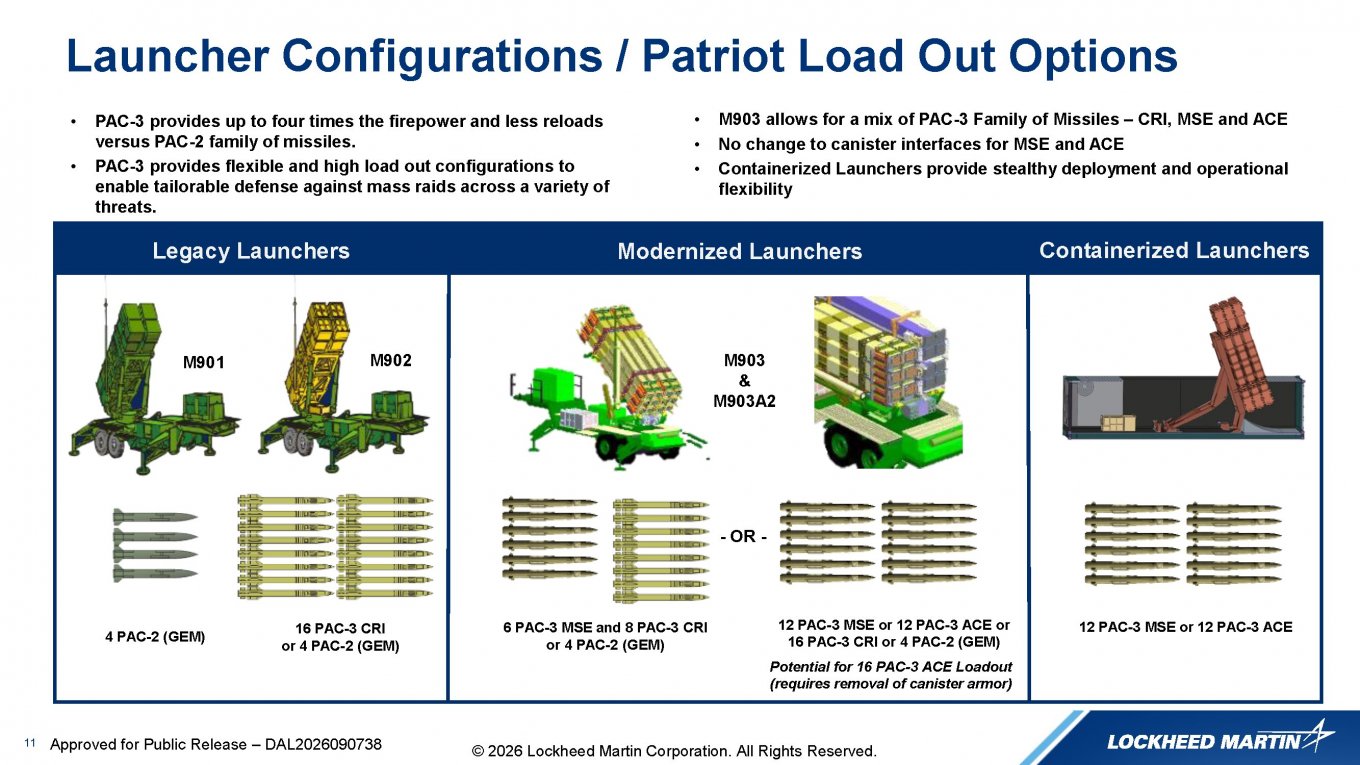
It is worth recalling that Lockheed Martin recently unveiled another interceptor for the Patriot system, the PAC-3 Edge, designed specifically to engage hypersonic targets. But why is it needed if the PAC-3 MSE has already proved capable of intercepting russian Kinzhal and Zircon missiles?
Read more: Cheaper Alternative to PAC-3 MSE? Anduril Unveils Modular Steelfin Interceptor Family