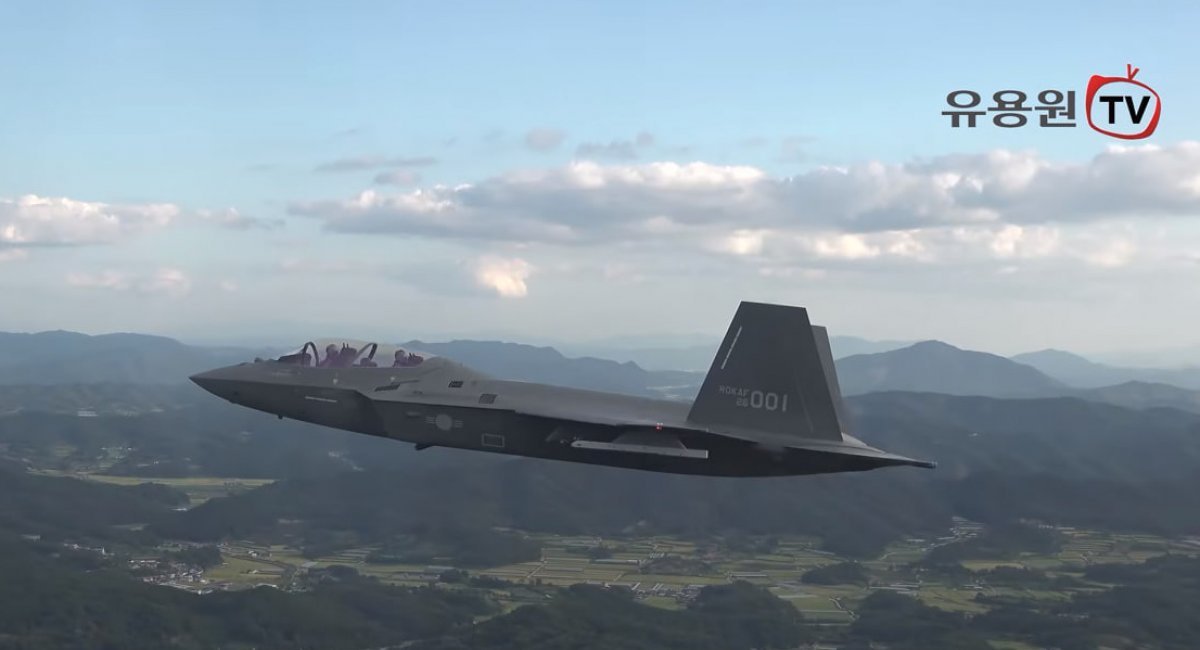
The Republic of Korea Air Force has finally received the result of years of work, its first domestically produced KF-21 Boramae fighter. The acceptance and handover documents were signed on September 22.
According to a statement published on the South Korean government's official portal, the aircraft, which is also the first production-series KF-21, was flown to Yecheon Air Base, where it will continue its service. It will be operated by the 156th Fighter Squadron, which was established in 1988 and previously operated F-4E Phantom fighters before being disbanded in 2012. The squadron was reactivated in June 2026 specifically as the first KF-21 operator.
Read more: With $30 Billion Annual Defense Budget, UAE Is Set to Produce South Korean K9 Howitzers for Middle Eastern Market
The first KF-21 entered service 25 years and six months after South Korea publicly announced plans to develop its own fighter. If counted from the start of system development in 2015, the program took 10 years and nine months to reach this point.
From Defense Express, it is worth noting that the development saga does not end here. In its current Block 1 configuration, the Boramae is primarily intended for air superiority missions. South Korea plans to receive a total of 40 aircraft in this configuration by 2028.
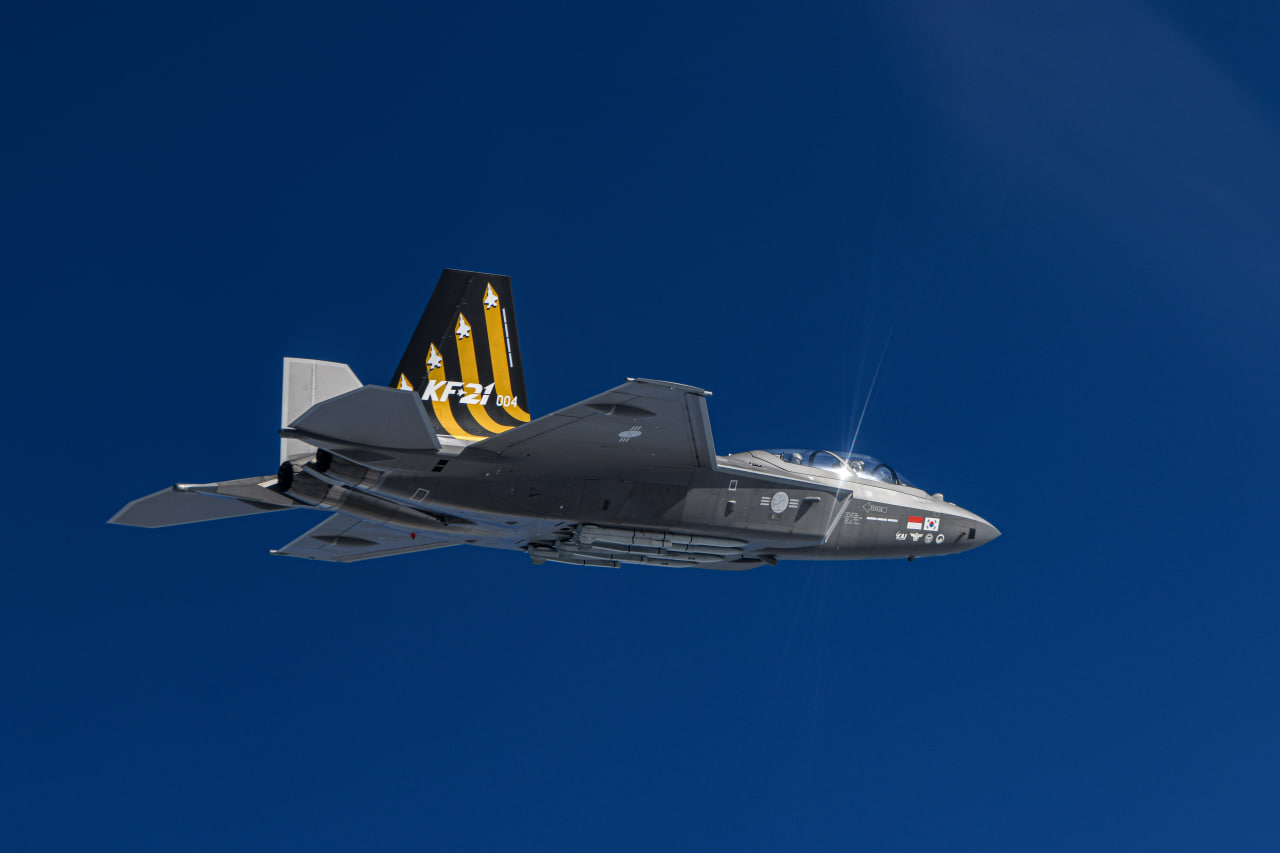
The multirole fighter will be the KF-21 Block 2, sometimes described as a 4++ or 4.9-generation aircraft. South Korea plans to order 80 of these aircraft, with deliveries continuing through 2032. Work is also underway on the Block 3 version, which is intended to bring the aircraft into the full fifth-generation class.
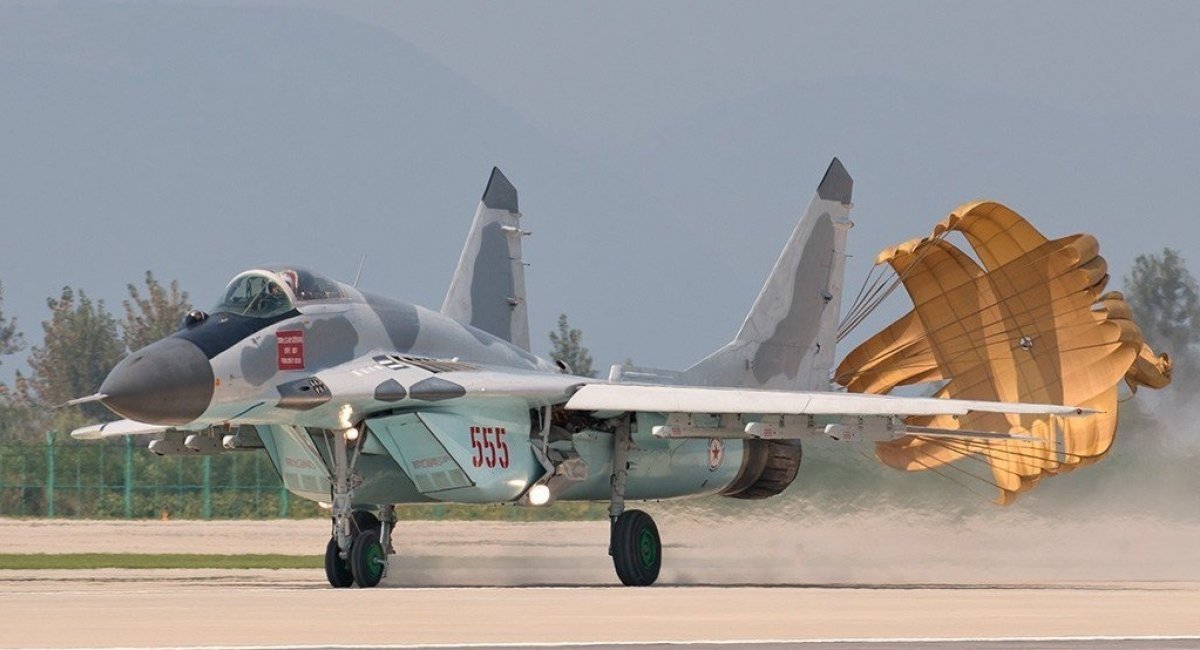
If we look at South Korea's neighbors, North Korea could currently field a collection of aging Soviet-origin aircraft and their Chinese-built copies against the Boramae. The MiG-29 can be considered the most capable of them. There have also been various reports and rumors about North Korea potentially receiving more modern russian-made fighters, against which the KF-21 could also be expected to operate. However, there is currently no confirmed evidence of such deliveries, only speculation.
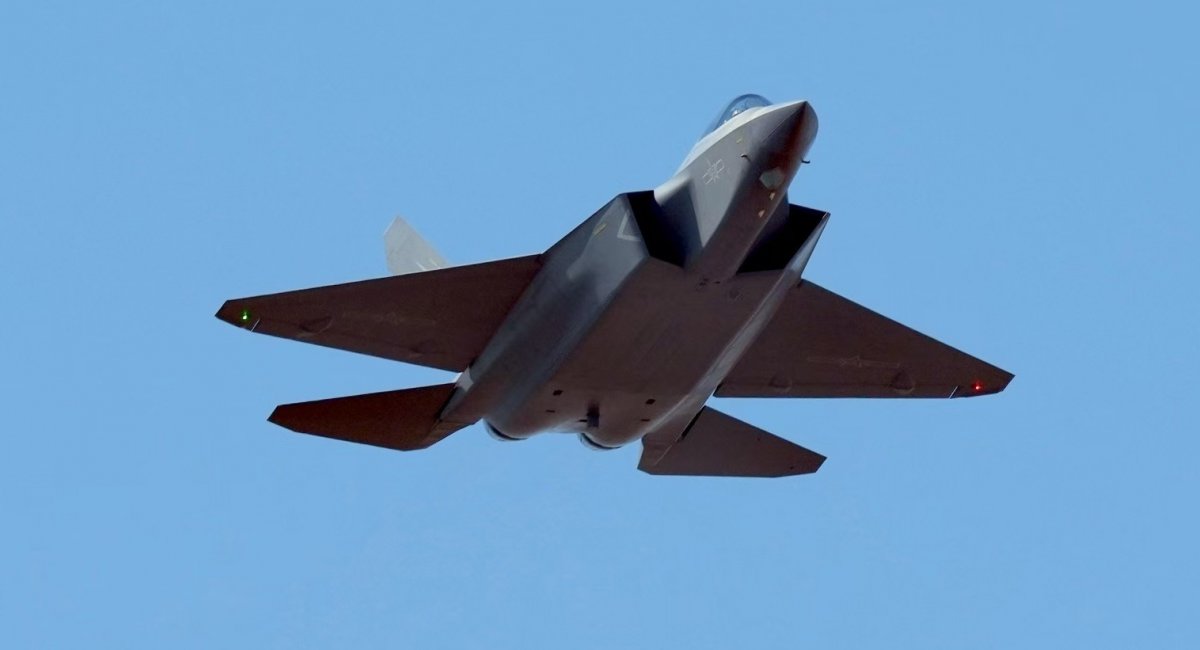
China presents a much more serious potential threat. Beijing is actively producing fifth-generation J-20 and J-35 fighters and is also working on a sixth-generation aircraft. China also has long-range air-to-air missiles for these fighters, while Pakistan has demonstrated the capabilities of such weapons in combat against India.
South Korea is therefore also working to expand its own air combat arsenal, including the development of indigenous long-range air-to-air missiles comparable to the European Meteor. The country also operates other fighter types, including the F-35A, KF-16, F-15K, FA-50 and even the F-5.
Read more: U.S. Says No to 300-km-Range Missiles for HIMARS, So Croatia Turns to South Korea’s K239 Chunmoo