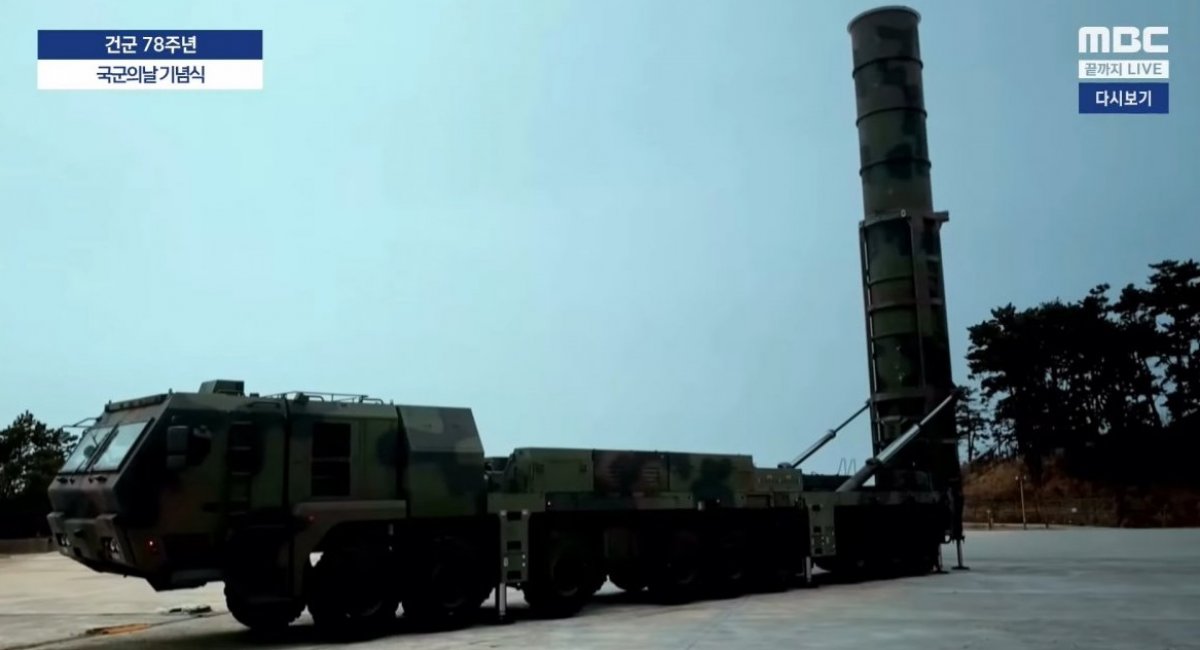
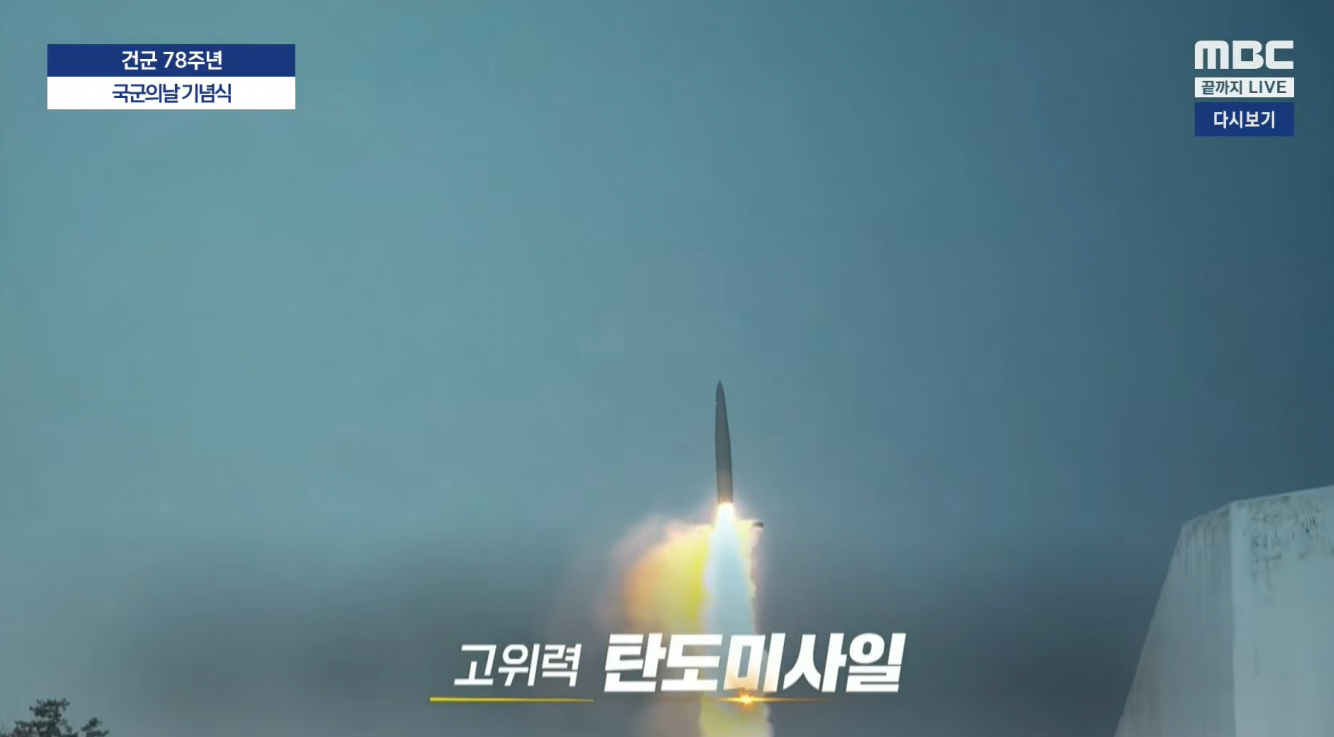
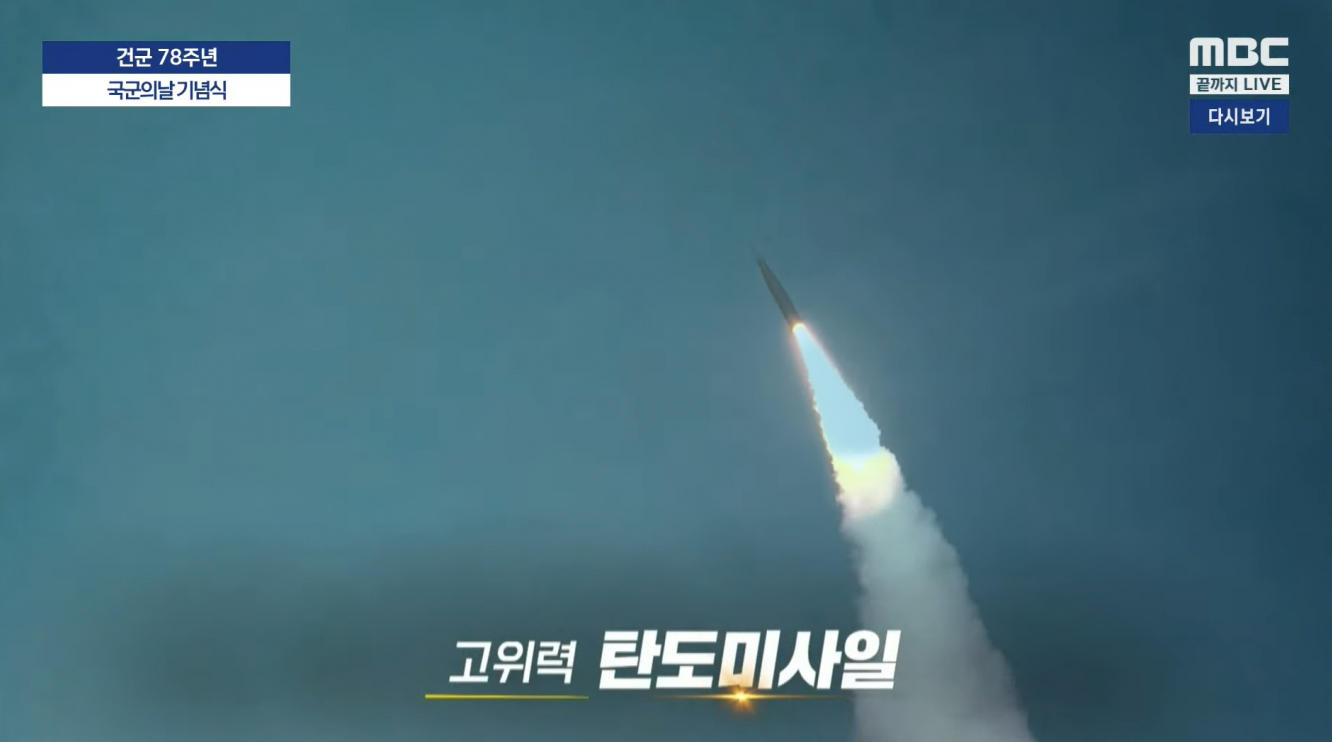
South Korea has released rare footage of a test launch of the Hyunmoo-V ballistic missile, providing an unusually detailed look at one of the country's newest strategic weapons. The footage was published during the 78th anniversary of the South Korean Armed Forces.
The Hyunmoo-V is described as one of the world's most powerful conventional missiles. It can reportedly carry a warhead weighing up to 8 tons, while its maximum strike range is estimated at 3,000-3,500 km.
Read more: Ukraine's FP-7 Ballistic Missile Strikes russia for First Time, 7 Months From Test to Combat Use
The missile was developed primarily to destroy North Korean hardened targets, including missile silos and underground bunkers. Its large warhead is intended to provide the destructive power required to engage deeply protected targets.
South Korea first officially displayed the Hyunmoo-V system in 2024, during the 76th anniversary of its Armed Forces. The missile began entering service only in 2025, following a development process that reportedly lasted more than three decades.
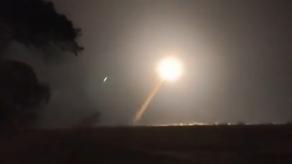
As a result, publicly available footage of the Hyunmoo-V missile remains extremely limited, particularly footage showing its testing. The newly released material therefore provides a rare view of the missile during its launch sequence.
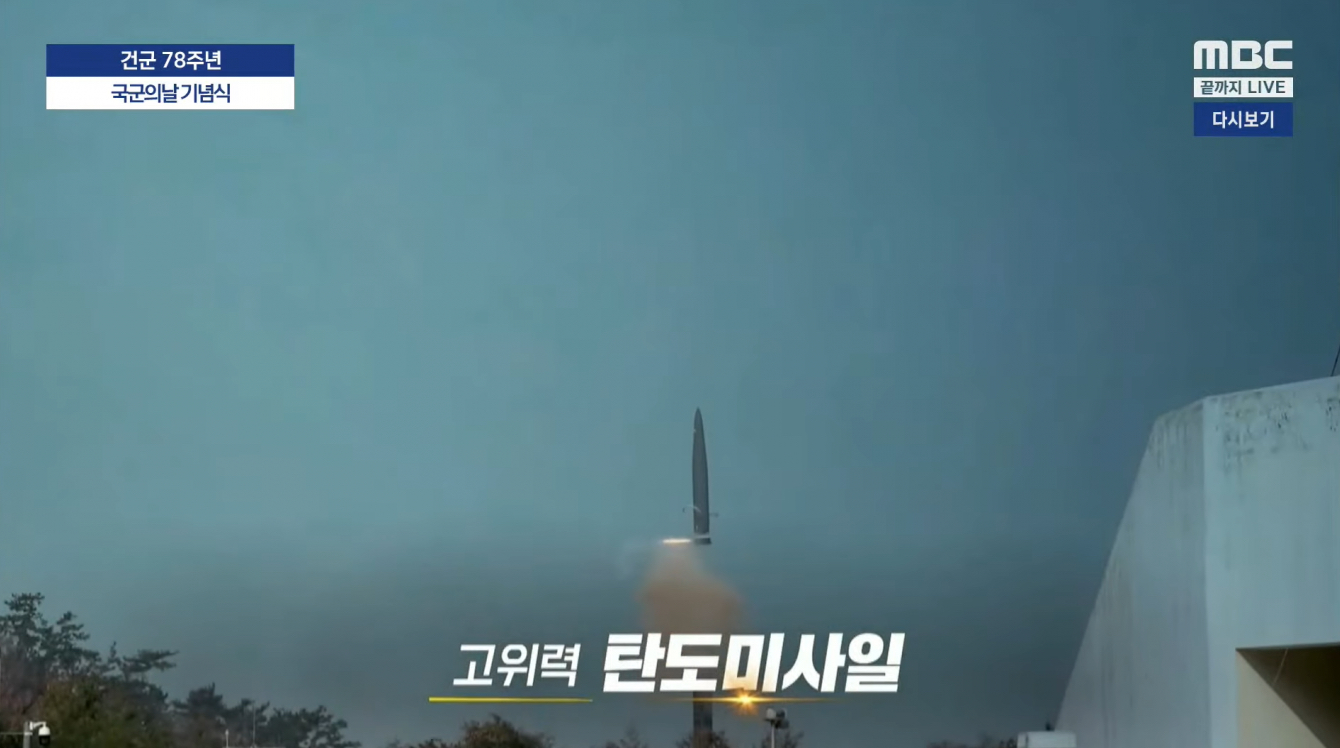
The footage shows several stages of the launch, including the missile's cold launch, separation of its protective launch platform, ignition of its engines and deployment of its stabilizers. These details offer a closer look at the launch architecture of the large ballistic missile.
The Hyunmoo-V missile also became the subject of russian speculation in early 2024, when russian media circulated claims that Ukraine could potentially seek South Korean short- and medium-range missiles. The claims emerged as North Korea was significantly expanding its defense cooperation with russia.
However, even if South Korea had possessed the political will to transfer Hyunmoo-V missiles to Ukraine at the time, such a transfer would not have been practically possible. The missile had not yet entered South Korean service, meaning Seoul itself did not have sufficient quantities available for potential deliveries.
Read more: Ukraine Gets 11th Iris-T SLM, Third Battery This Year as Thousands of Missiles Ordered