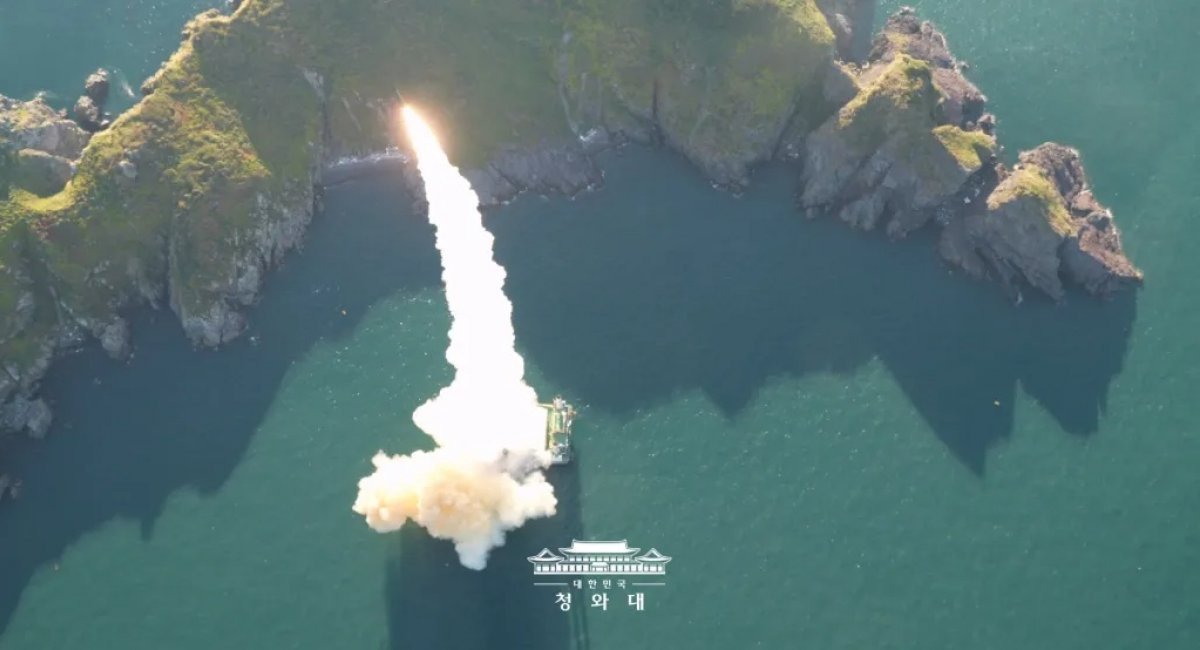
On October 8, 2026, the South Korean presidential administration, also known as the Blue House, announced a test of a "hypersonic glide vehicle." This indicates that South Korea has also developed its own hypersonic missile, following North Korea, which already has two such systems.
Few details have emerged so far, with only several photographs from the test available. However, there is speculation that the Hyunmoo-5 ballistic missile, one of the most powerful missiles in the world, could serve as the glide vehicle's launch platform.
Read more: South Korea Releases Rare Test Footage of the Hyunmoo-V Ballistic Missile
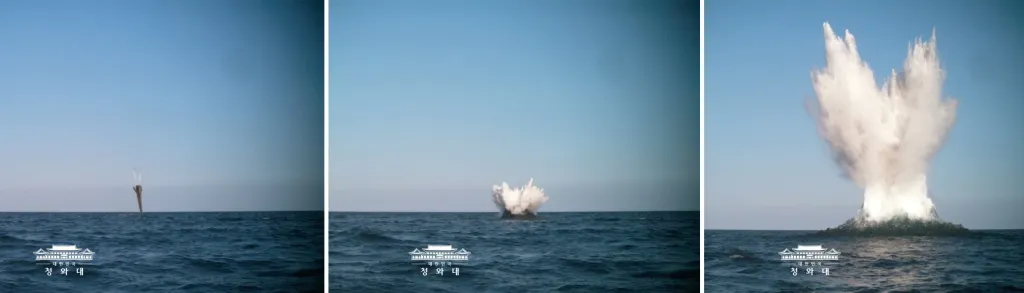
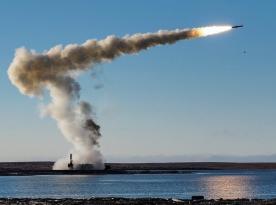
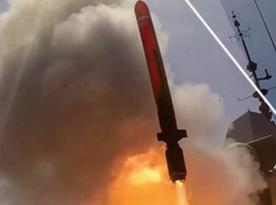
Here, we will draw on a report by The War Zone, which provides the following details. The missile carrying the hypersonic glide vehicle was launched from a mobile launcher, which, for some reason, was positioned on a platform near the coastline.
The glide vehicle itself also fell into the sea. Judging by the images, it had a conical body, making it simpler to design than conventional wedge-shaped glide vehicles. However, the Blue House's official materials do not disclose the range the glide vehicle covered or the speed it reached.
Meanwhile, the text of the Republic of Korea presidential administration's announcement clearly indicates an ambition to acquire a new type of weapon that could provide a rapid advantage in the event of full-scale hostilities.
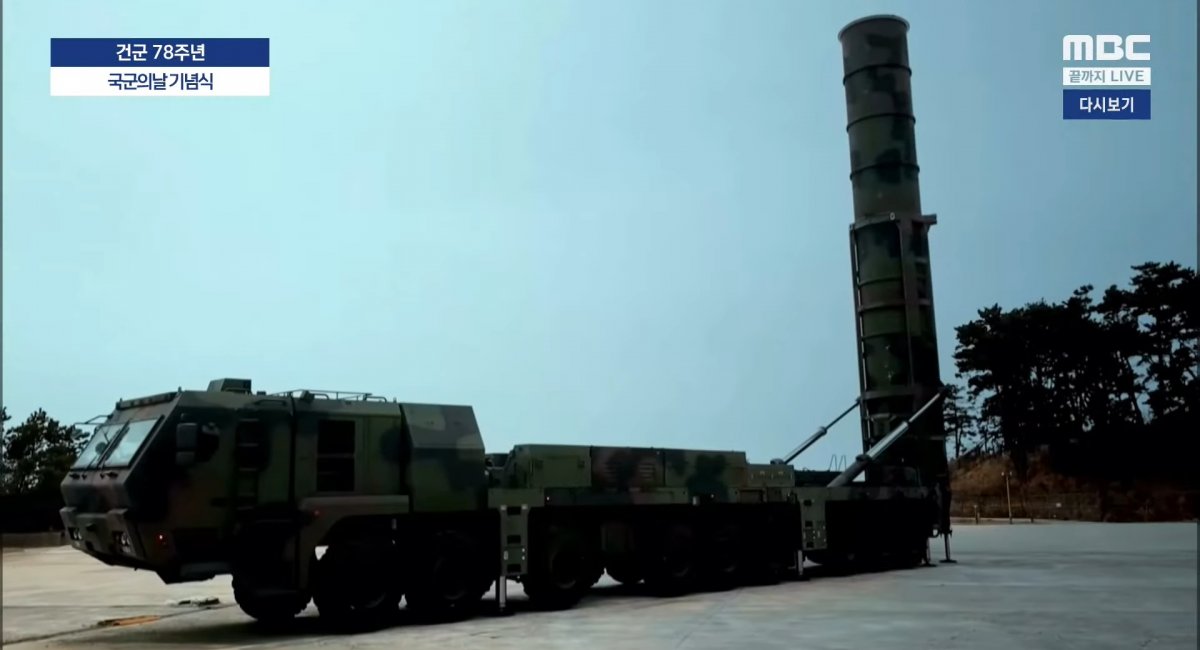
The War Zone authors’ speculation that the Hyunmoo-5 could serve as the basis for South Korea's prospective hypersonic missile system stems from straightforward considerations. This ballistic missile is the most powerful in the conventional missile class and is designed to deliver a rapid, high-impact strike against key North Korean targets. It also recently completed a successful demonstration launch.
At Defense Express, we would draw attention to another important point. The key to South Korea’s hypersonic missile program is the development of a sustained capability. The country already has a history of one-off tests of promising missile systems that have led nowhere. In one of our previous articles, we described how South Korea developed and successfully tested its own copy of the P-800 Oniks, only for the project to produce no tangible results.

Meanwhile, China and North Korea are not the only countries in the Pacific region with hypersonic missile capabilities. North Korea's Hwasong-11Ma-1 has also attracted attention, with newly revealed details raising even more questions about the purpose of the missile and Pyongyang’s plans for it.
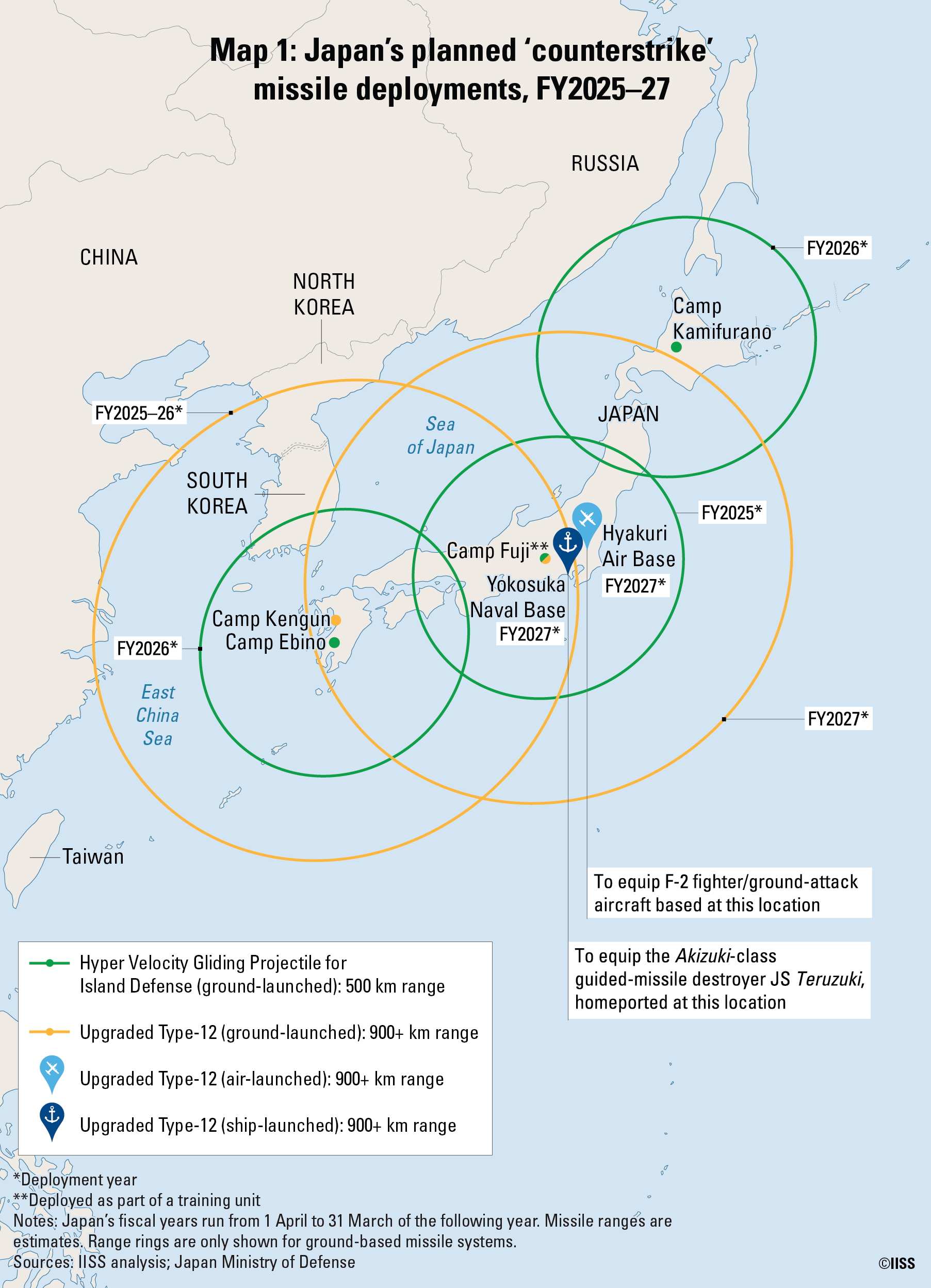
Japan also possesses hypersonic missile capabilities. In 2026, it has the Type 12 missiles with a range of up to 1,200 km and hypersonic HVGP systems with a range of 500 km. However, it remains an open question whether these weapons would enable Japan to cover russia's Far East.
Overall, a clear trend is emerging: countries across the Pacific region have entered a hypersonic weapons race, with the broadly pro-Western camp still lagging behind for now.
Read more: South Korea Presses Ukraine Over Disclosure of North Korean Soldiers' Transfer