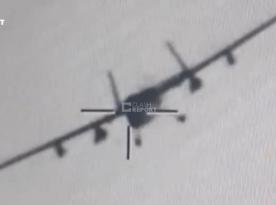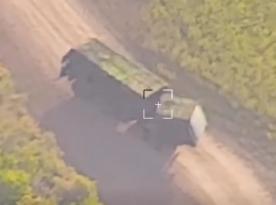
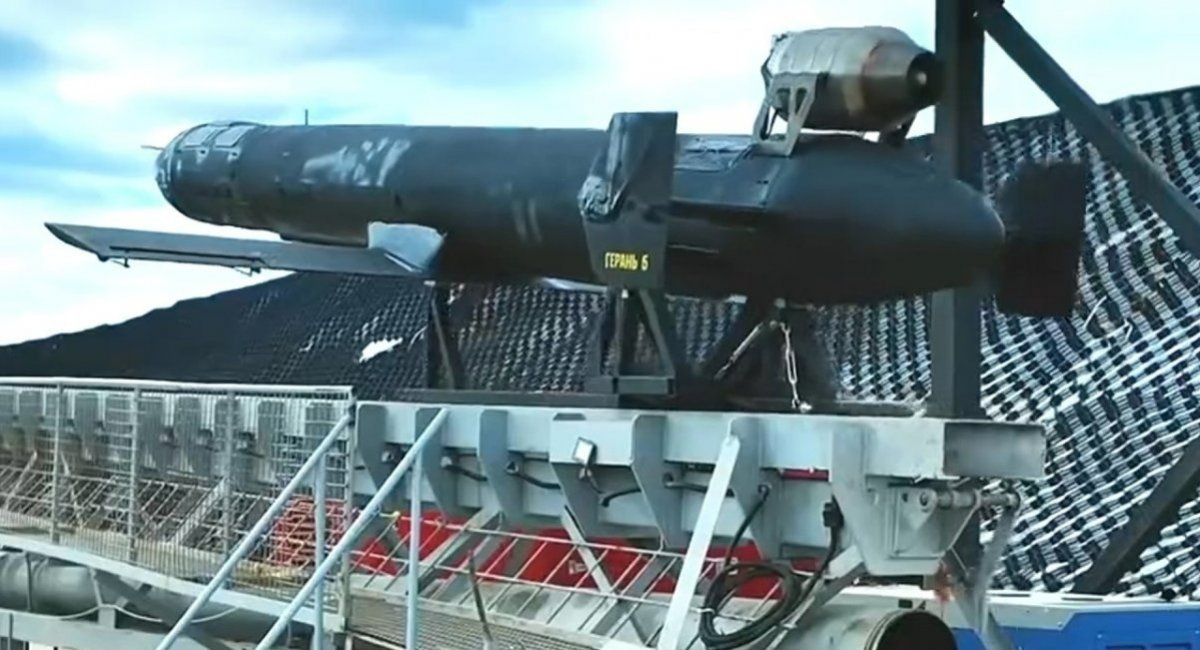
russia continues to actively upgrade its long-range strike capabilities, and its Geran-5 jet-powered drones are no exception. The drones have received a new Geran-5 K5 modification, which includes an upgraded guidance system.
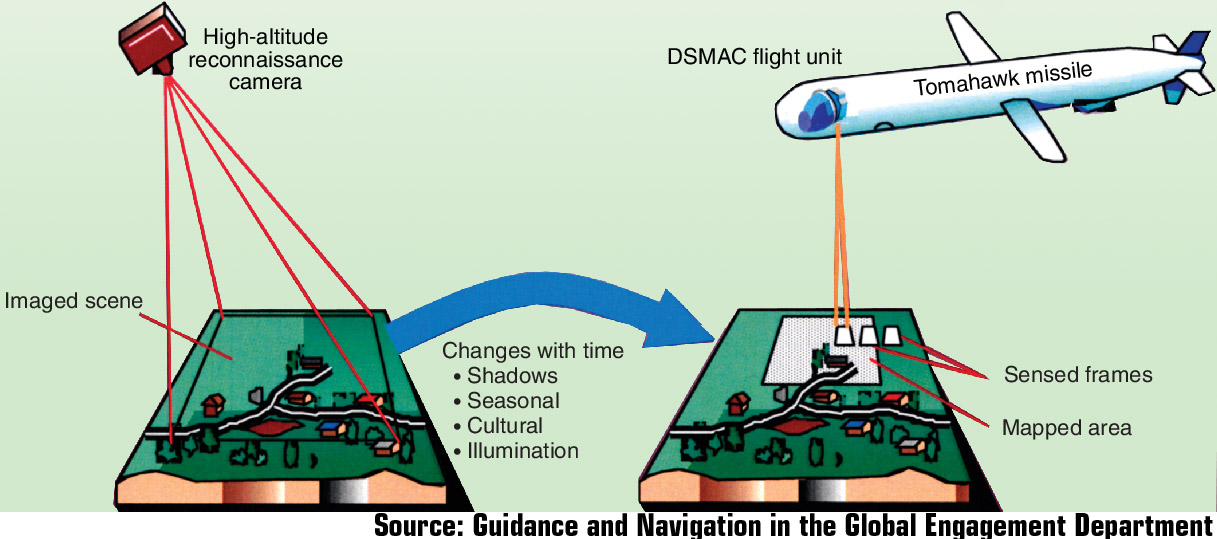
According to the russian Telegram channel Colonel of the General Staff (Polkovnik GSh), the new Geran-5 K5 version is equipped with the Susanin module, an autonomous Digital Scene Matching Area Correlation (DSMAC) navigation system. It works by comparing preloaded reference satellite images with images captured by a camera mounted on the drone.
Read more: How Many Cluster-Warhead ATACMS Missiles Would It Take to Cover Entire Drone Port Launching russia's Geran-4 and Geran-5?
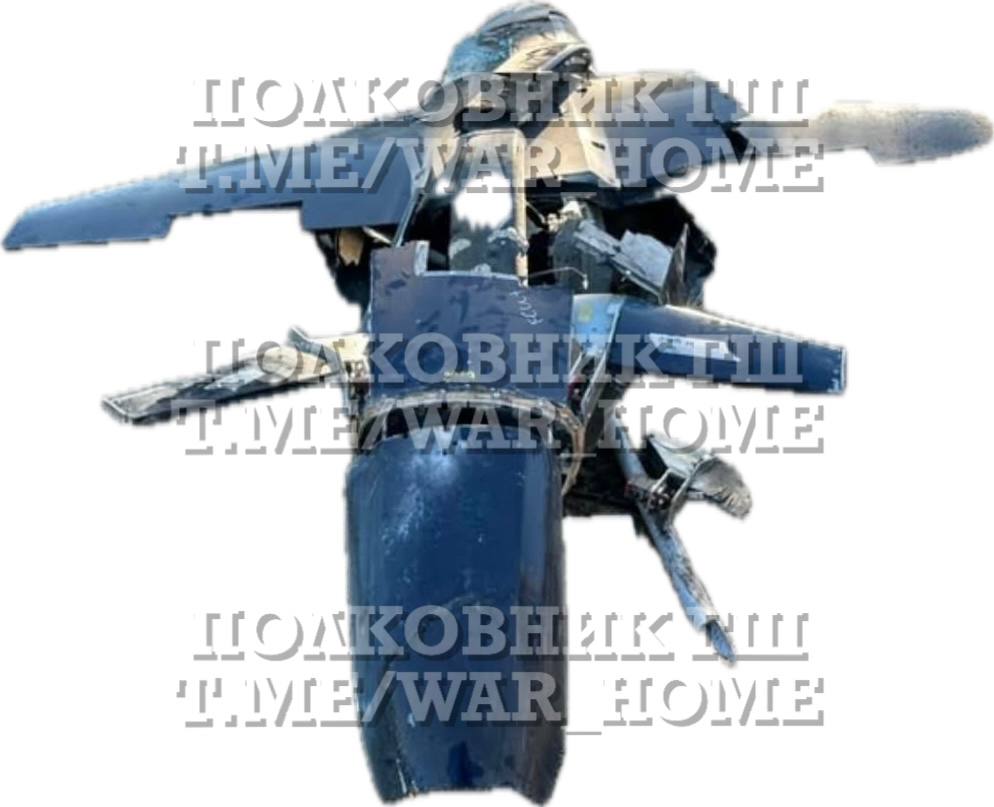
This allows the Geran-5 K5 to determine its coordinates even when satellite navigation is unavailable. However, DSMAC should not be considered a full replacement for satellite navigation, as it offers lower accuracy and is intended primarily as a backup system.
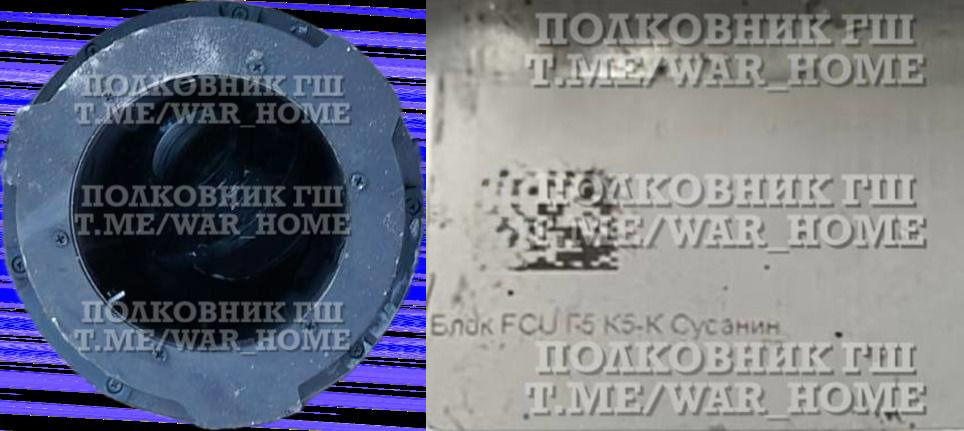
Importantly, DSMAC is not a new technology. A similar system was already installed on russian Kh-101 cruise missiles before russia launched its full-scale invasion of Ukraine. The technology appeared even earlier on American BGM-109 Tomahawk cruise missiles.
However, DSMAC systems also have significant limitations. Their accuracy depends on several factors, including lighting conditions, the season, and even the time of day, as changing sunlight angles produce different shadow patterns. At night, the system performs considerably worse, particularly without additional illumination or specialized image processing.
Interestingly, despite these limitations, russia has opted to launch Kh-101 cruise missiles primarily at night. This is because Ukrainian mobile fire groups have greater difficulty detecting targets in the dark, making interception more challenging.
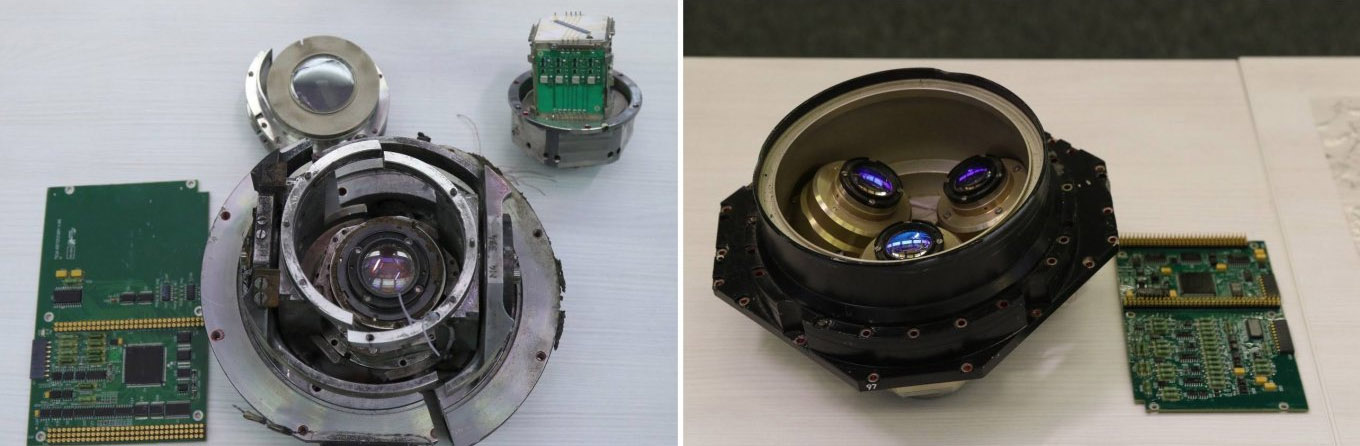
russia is not the only country to equip drones with DSMAC-based navigation systems. Similar technology is also used on Ukrainian deep-strike and mid-strike drones. One example is the Osiris navigation module developed by Delian Alliance Industries.
Read more: russia Launches New Geran-5 Systems Toward Kyiv