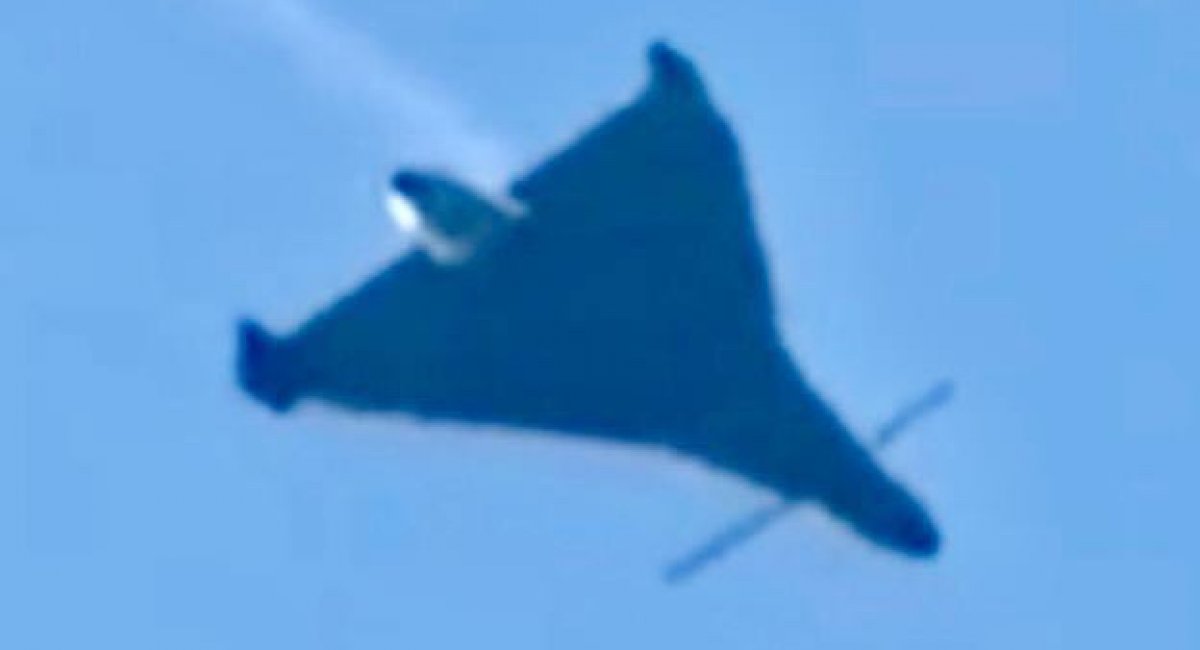
Recent images of russian strike drones featuring long metal "whiskers" at the front have raised questions about the purpose of these unusual elements.
According to Serhii Beskrestnov, they turned out to be a conventional mechanical detonator.
Read more: Ukraine's FP-7 Ballistic Missile Strikes russia for First Time, 7 Months From Test to Combat Use
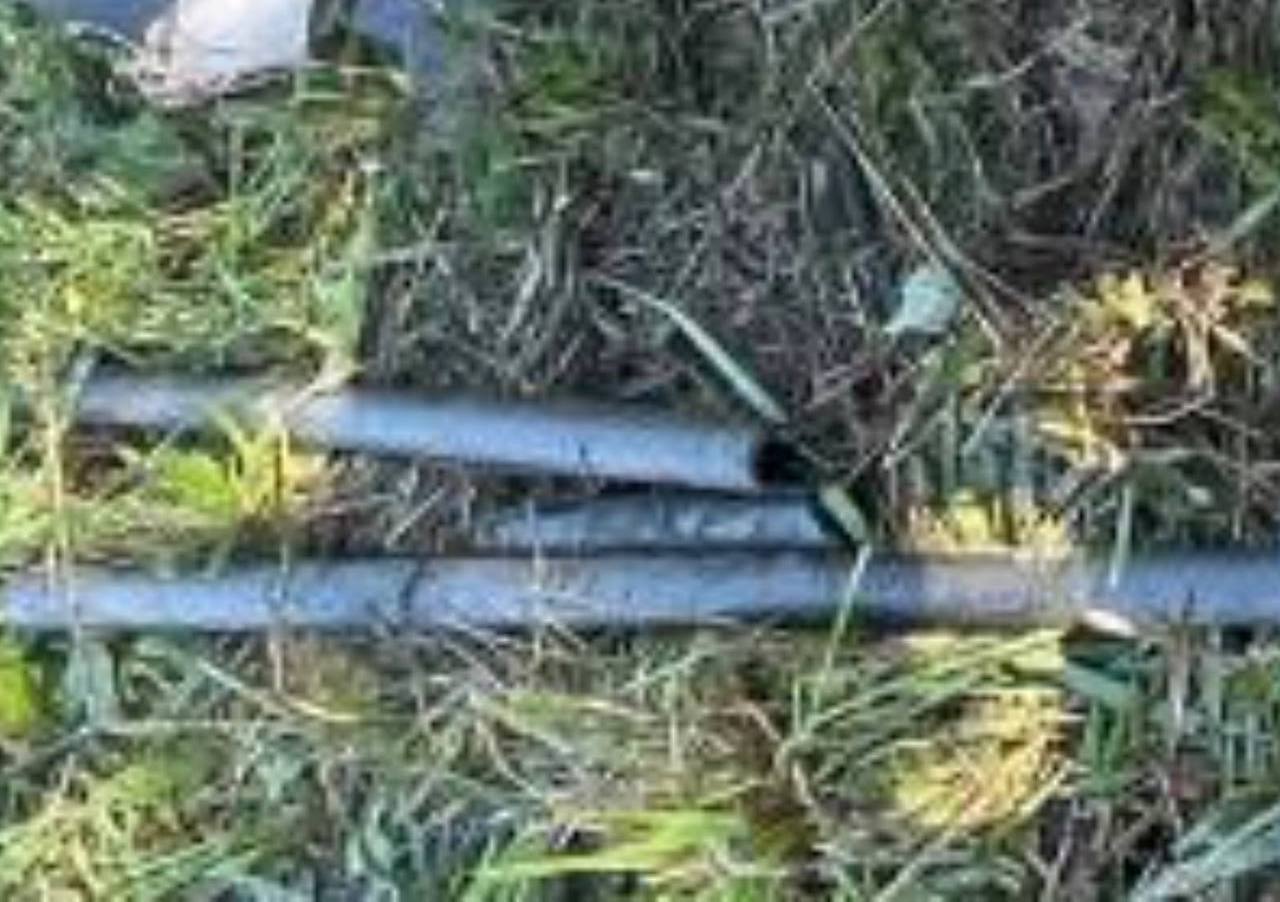
Serhii Beskrestnov said there is no sophisticated electronics inside the structure. Instead, the mechanism consists of a metal tube and a rod positioned inside the construction.
When the tube and rod come into contact with an obstacle, they close a circuit and send a command to detonate the drone's warhead. According to Serhii Beskrestnov, the system is entirely mechanical and does not use sensors or complex detection equipment.
Serhii Beskrestnov suggested that russian forces may plan to use these warheads against important high-voltage power transmission lines. This would give the specialized payload a specific role against critical electrical infrastructure.
As Defense Express previously reported, Ukrainian Lasar's Group operators used the P1-SUN JetKiller interceptor to destroy russian Geran-5 jet-powered drone in the skies over Ukraine.

Read more: Ukraine's P1-SUN JetKiller Interceptor Destroys russian Geran-5 Missile-Drone (Video)