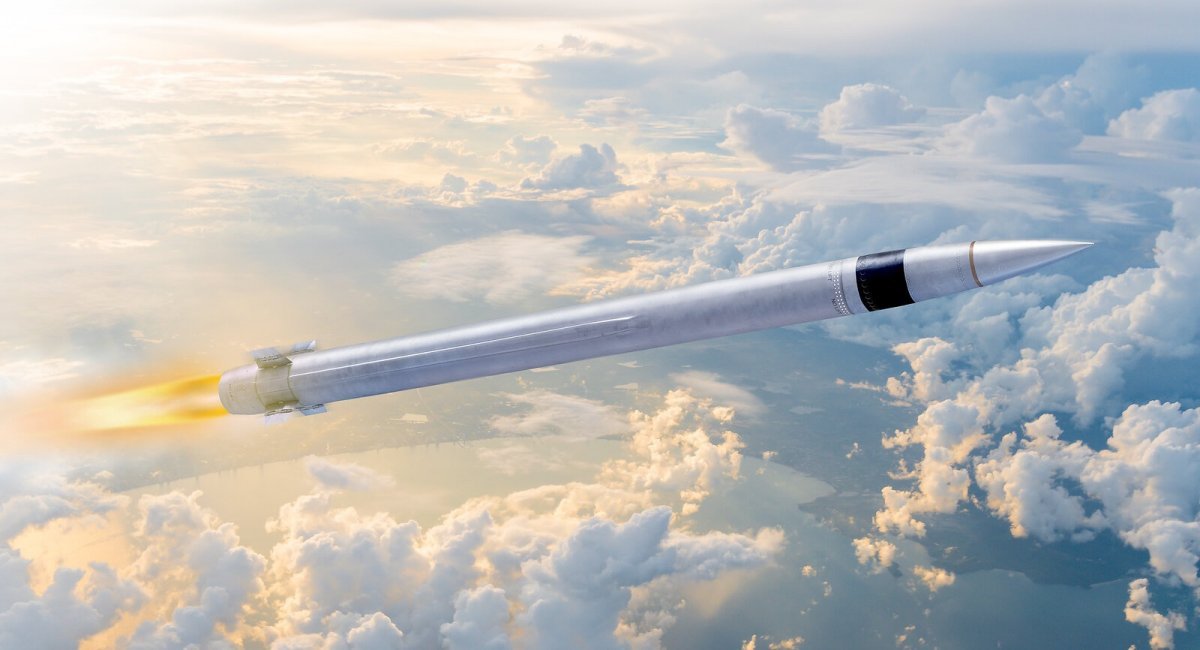
The United States has recently been on a veritable marathon of unveiling new interceptor missiles for the Patriot surface-to-air missile system. Now, US defense company Lockheed Martin has introduced PAC-3 Edge, a dedicated interceptor designed to engage hypersonic targets.
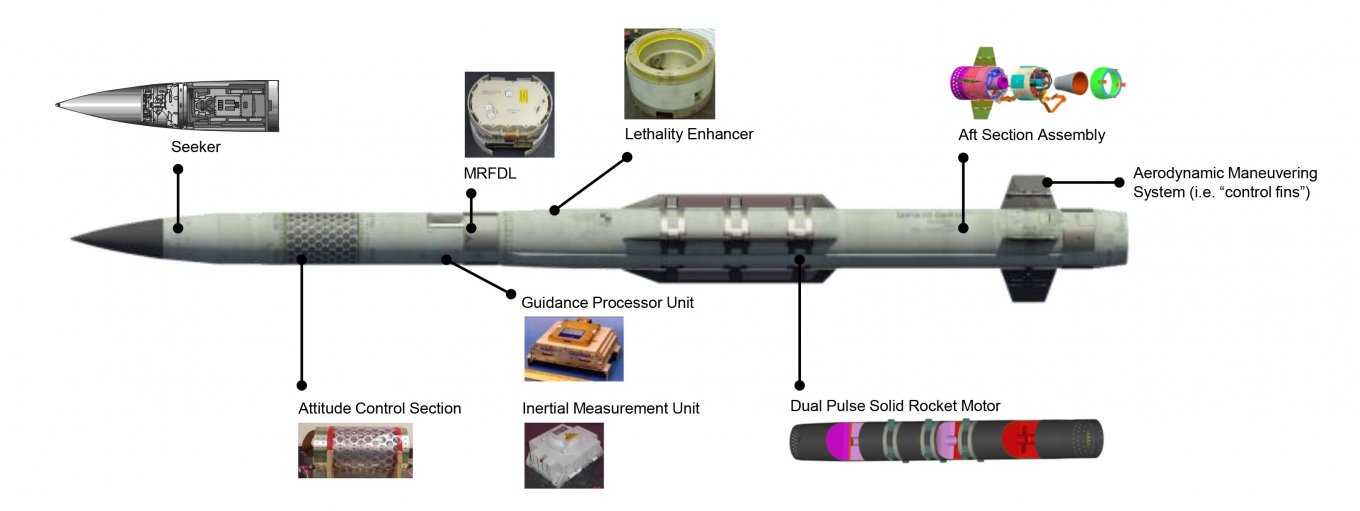
Its specifications have not yet been disclosed. However, the new PAC-3 Edge is expected to feature a new seeker (apparently an active radar seeker) and a new multi-pulse solid-fuel rocket motor.
Read more: Cheaper Alternative to PAC-3 MSE? Anduril Unveils Modular Steelfin Interceptor Family
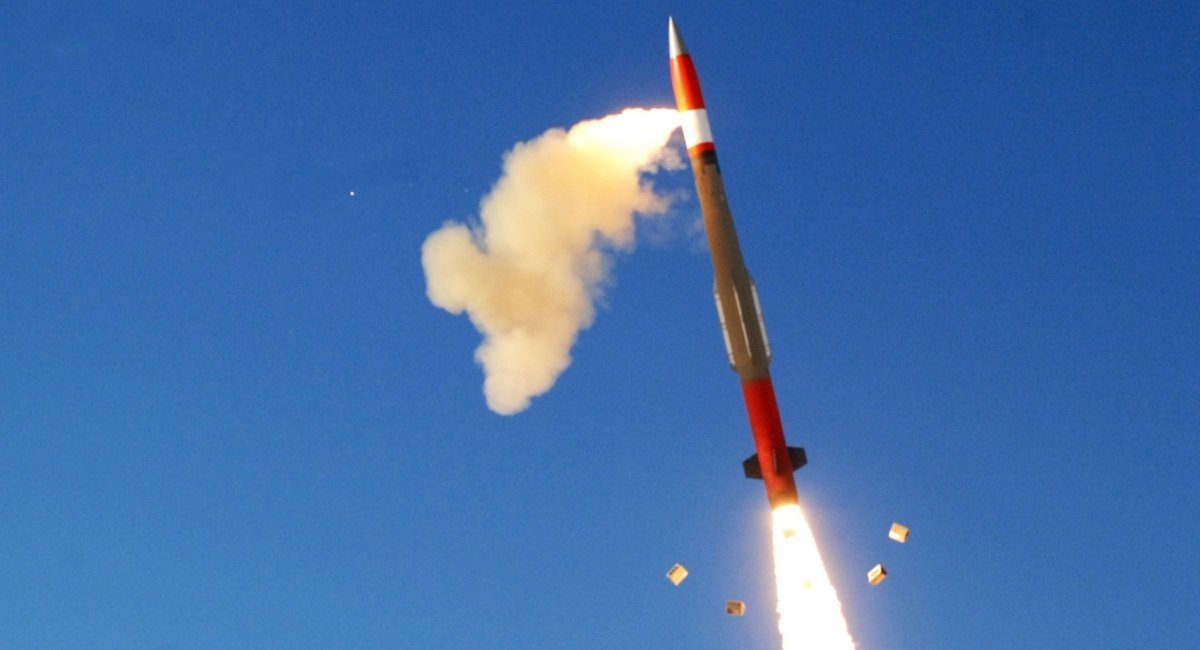
Lockheed Martin says these upgrades will give PAC-3 Edge greater maneuverability, more power, and higher speed than PAC-3 MSE. The company has also released an image showing the future missile’s external design.
Several observations can be made from the image. PAC-3 Edge appears to have a significantly smaller belt of solid-propellant divert and attitude control thrusters than PAC-3 MSE. The PAC-3 ACE, another interceptor under development, is expected to dispense with these thrusters altogether. PAC-3 Edge also appears to have considerably smaller aerodynamic control surfaces.
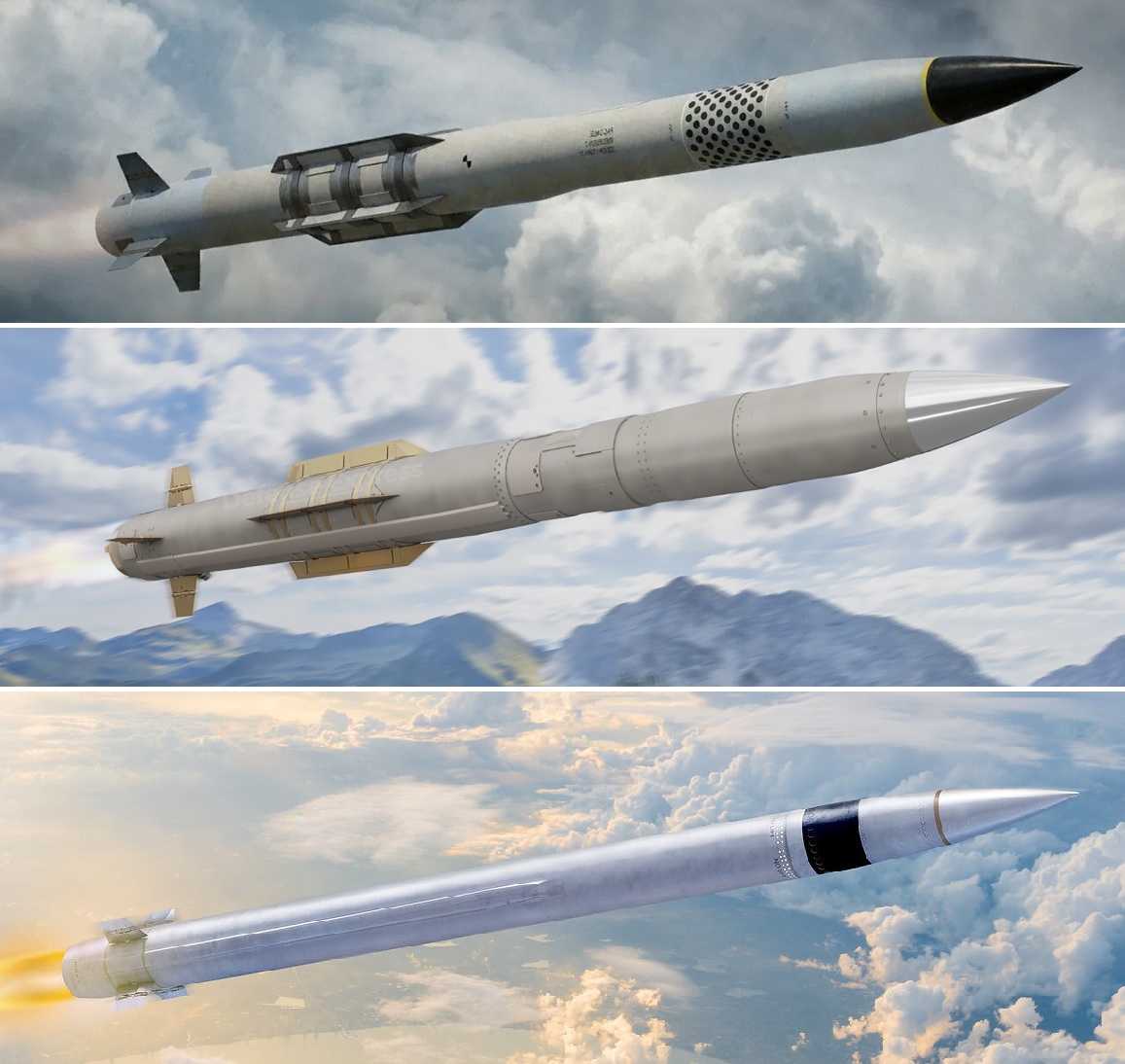
These features raise some questions about the company’s claim that PAC-3 Edge will be more maneuverable than PAC-3 MSE. Looking at the new missile, one might also wonder why it is needed at all, given that PAC-3 MSE interceptors in Ukraine have successfully engaged russian Kh-47M2 Kinzhal air-launched ballistic missiles and 3M22 Zircon hypersonic missiles.
In fact, PAC-3 Edge could be more useful than it might initially appear. As noted above, it is expected to offer greater speed and range than PAC-3 MSE, both of which are critical for intercepting certain types of hypersonic missiles.
The United States currently has a significant gap in its ground-based air and missile defense capabilities against hypersonic glide vehicles during the midcourse phase of flight. PAC-3 MSE is reported to have a maximum interception altitude of 24 to 36 km, while the THAAD missile defense system is estimated to have a minimum interception altitude of around 40 km.
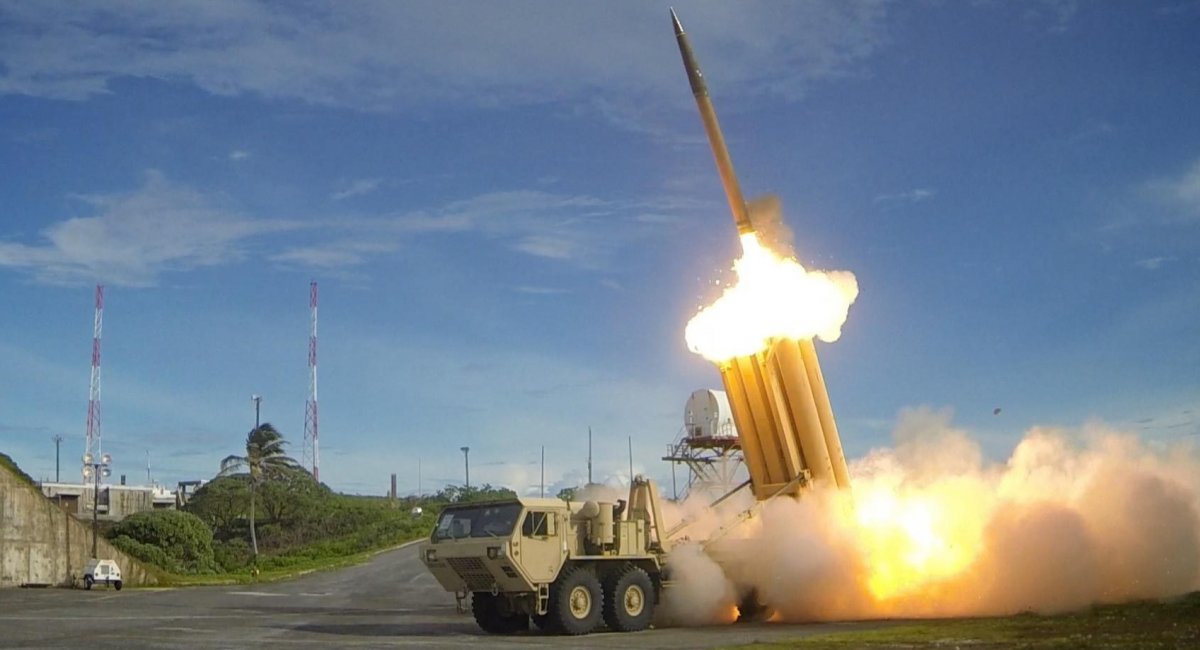
This leaves a gap of approximately 4 to 16 km that hypersonic missiles equipped with glide vehicles can exploit. As a result, such missiles may only be intercepted during the terminal phase of flight, when they are already descending toward their targets.
PAC-3 Edge could potentially close this gap by reaching greater altitudes. Its higher speed could also improve its ability to intercept such missiles by reducing the time needed to reach a hypersonic target.
Lockheed Martin plans to conduct the first PAC-3 Edge tests in 2027, with deployment not expected to begin until 2031. The PAC-3 ACE, which is being developed in parallel, could follow a similar timeline, although its schedule has not yet been officially announced.
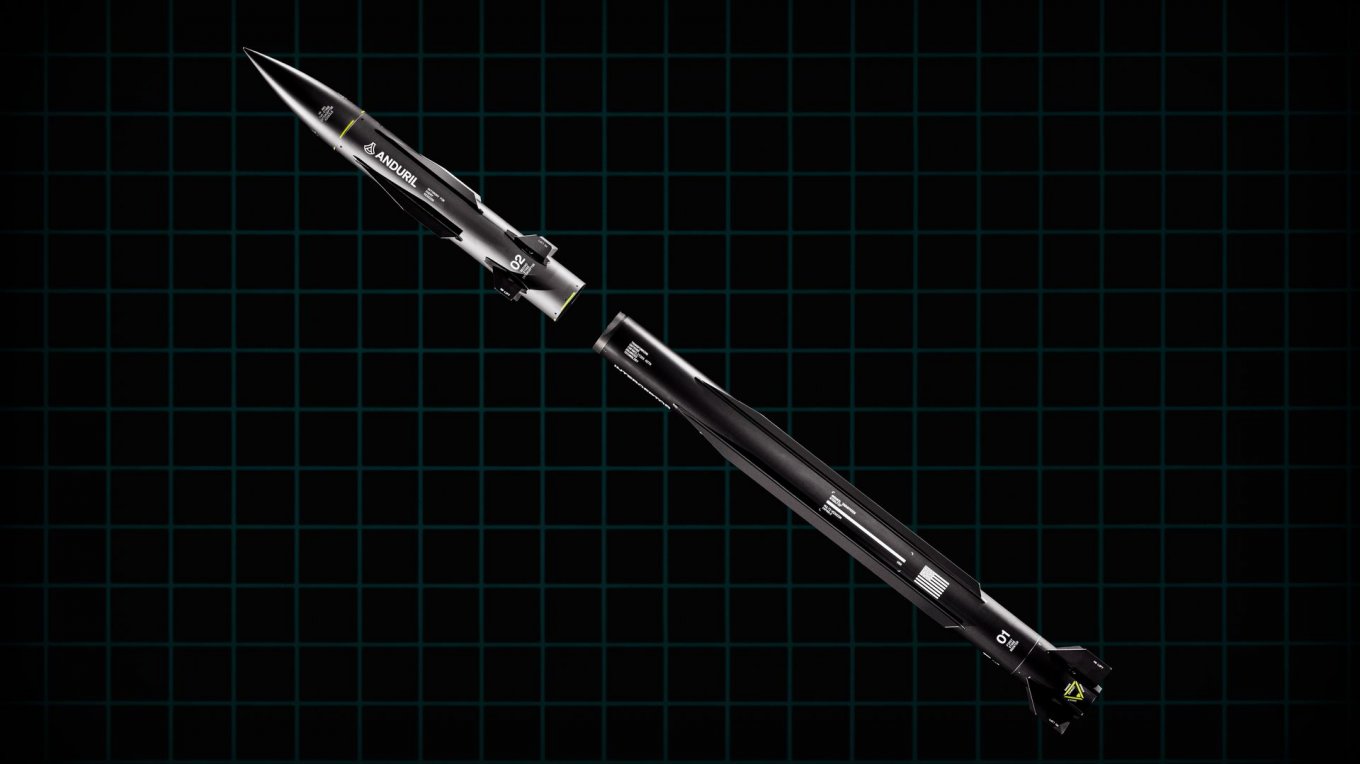
It is worth noting that the United States has recently unveiled or pursued several new interceptor missiles for the Patriot system. These include PAC-3 ACE, developed by Lockheed Martin to engage ballistic threats, and the newly introduced Steelfin interceptor from Anduril. The Lower-Tier Future Interceptor (LTFI), originally developed as a potential successor to PAC-3 MSE, is also worth mentioning. The program has now been canceled for the second time.
Read more: Boeing Wins $14.7 billion Contract to Triple Production of Scarce Seekers for Anti-ballistic PAC-3 MSE Missiles