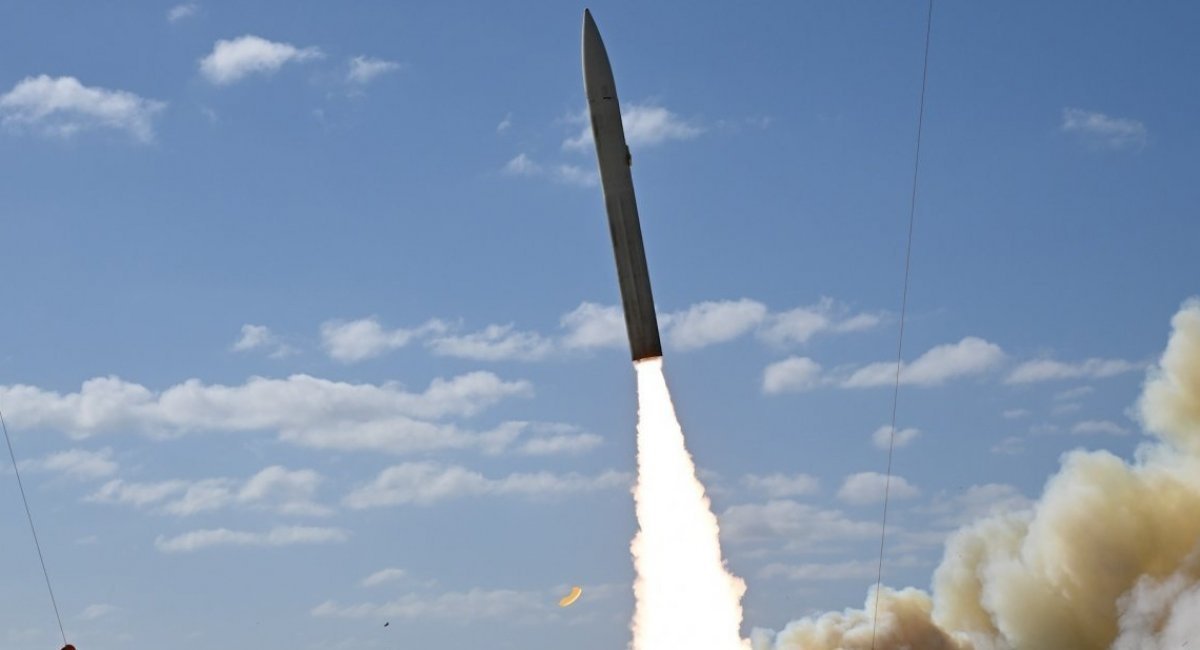
Whenever hypersonic weapons enter the public spotlight, attention often focuses primarily on their extremely high speeds. However, this parameter may not be as important as it might initially seem.
According to a new Lockheed Martin publication, the future belongs not to those who can reach Mach 5 for a few seconds, but to those who can keep a weapon operating reliably under extreme conditions and produce such systems at scale.
Read more: Lockheed Martin Unveils New Low-Cost ACE Missile for Patriot, Designed for Joint Production With Europe
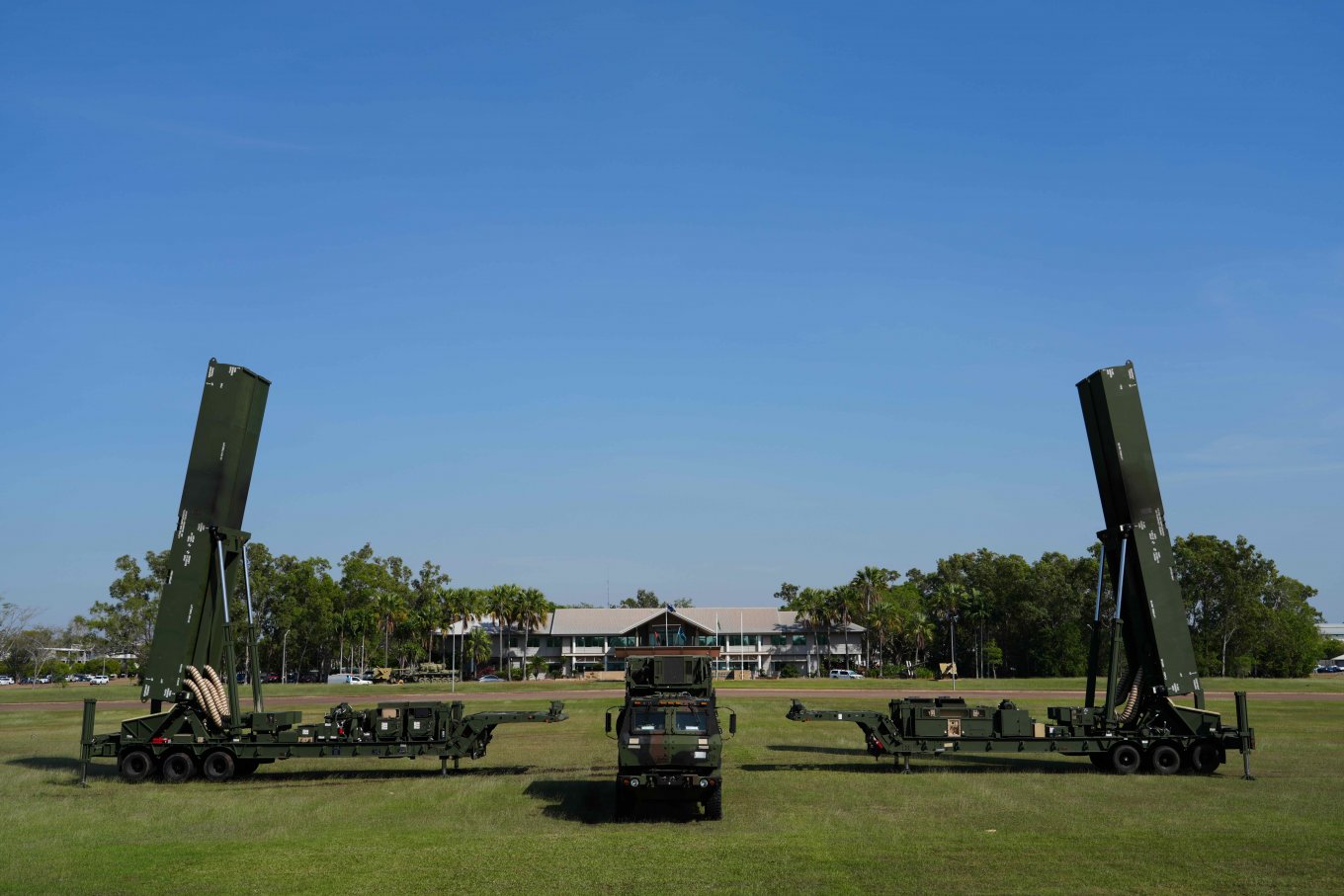
The U.S. company notes that reaching Mach 5 has been possible for decades with the help of intercontinental ballistic missiles. The focus today is therefore shifting toward maintaining hypersonic speeds over longer periods and enabling maneuvering under such conditions. This could improve both the ability to engage targets and the effectiveness of penetrating air and missile defenses.
One of the critical challenges is aerodynamic drag and the conditions encountered at different altitudes. This requires heat-resistant materials and new aerodynamic solutions. Ramjet and scramjet propulsion is another area of focus, with the latter using combustion in a supersonic airflow.
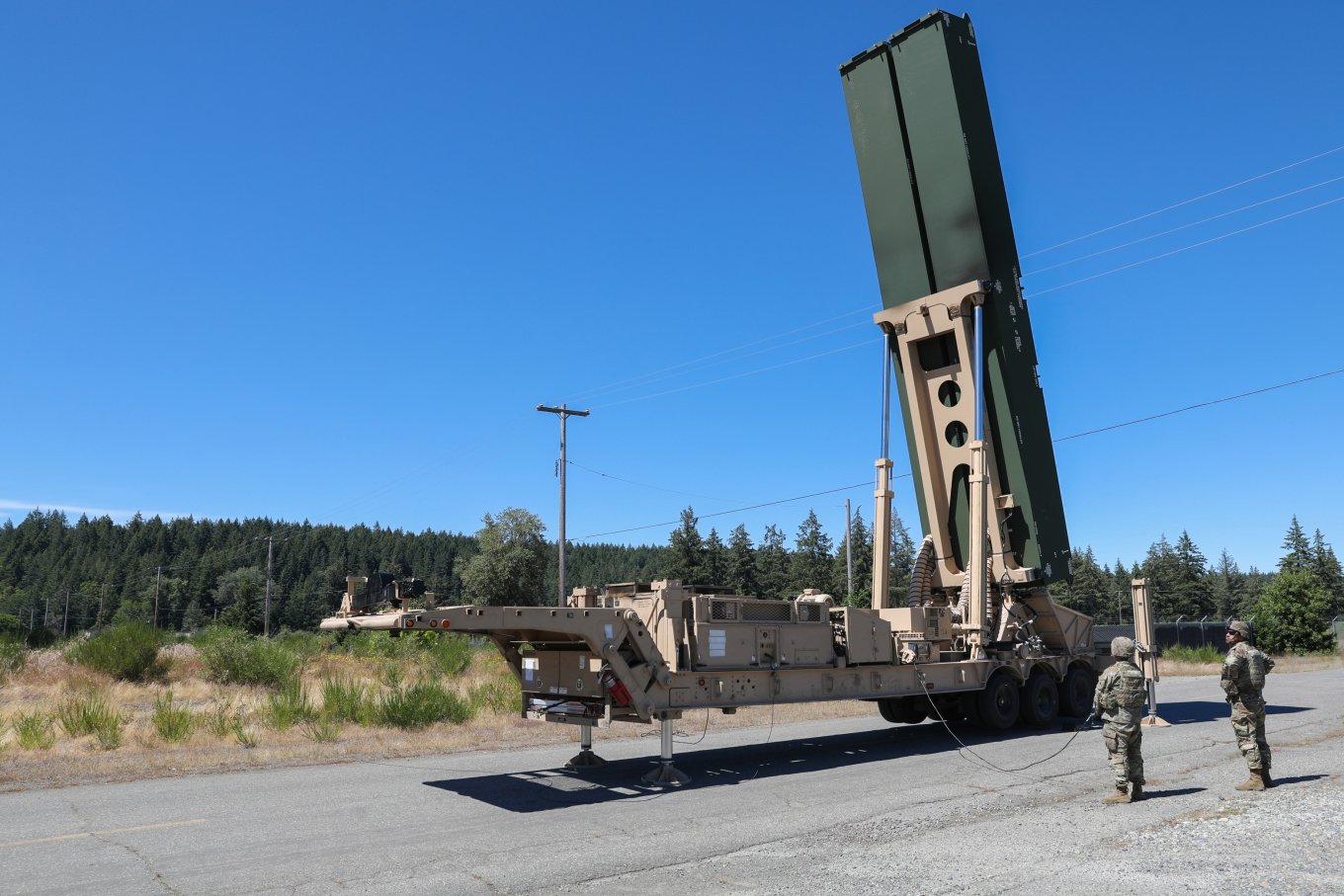
Lockheed Martin emphasizes that developing a prototype of such an engine and demonstrating it in testing is a major achievement. The next challenge, however, is turning these technological developments into systems that can actually be manufactured and deployed on the battlefield. This requires a new industrial base capable of producing components that can operate reliably under extreme conditions.
From Defense Express’s perspective, Lockheed Martin is highlighting a fairly obvious but critically important point: developing a technology is not enough. It also has to be put into serial production. In this context, record-breaking speed matters less than the ability to manufacture weapons at scale and use them effectively against targets.
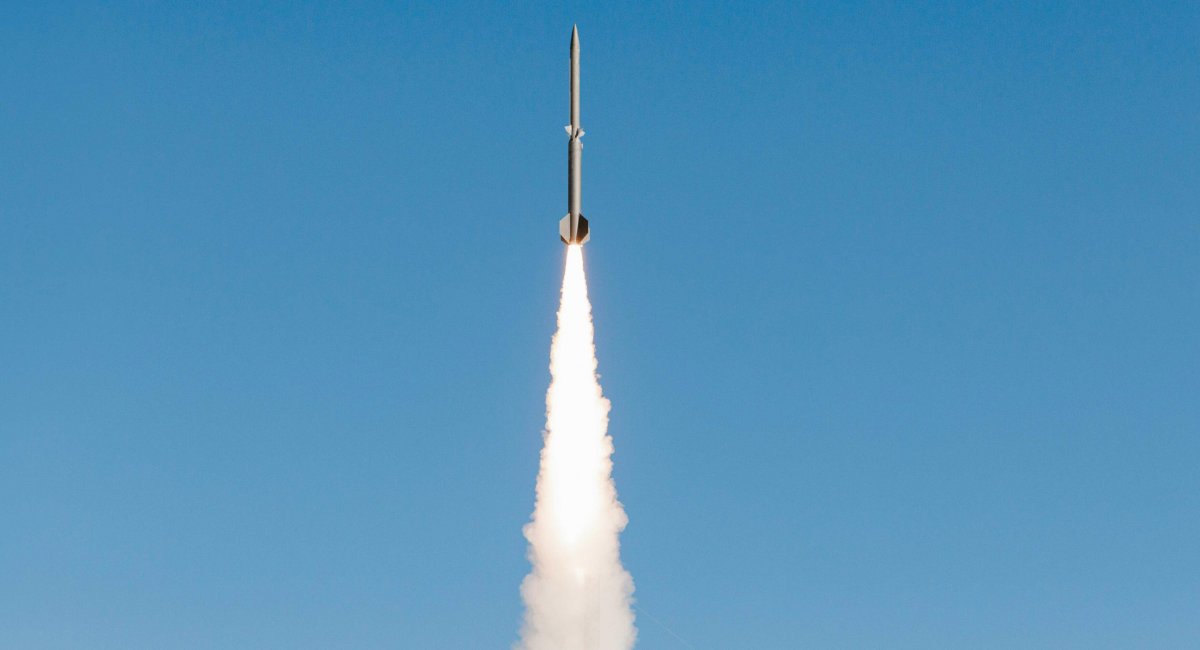
Various countries are now announcing successful tests of hypersonic weapons, including India. However, the key challenge is turning these technologies into serially produced systems rather than demonstrating them in isolated tests. This is likely an area of active work across the world.
The United States itself has faced repeated difficulties in moving hypersonic programs forward despite numerous test launches, with technological, industrial, and program-management issues slowing development. The Dark Eagle system, also known as the Long-Range Hypersonic Weapon (LRHW) and developed in part by Lockheed Martin, was still reported to be facing production problems in 2026.
At the same time, other U.S. hypersonic programs continue to move forward, including efforts to develop lower-cost hypersonic weapons such as the Blackbeard missile.
Read more: Lockheed Martin Test-Fires HIMARS Training Rockets From 20-Foot Kodiak Container Launcher, Each Box Holds 12 GMLRS, Fits on Ships, Trucks or Armored Vehicles