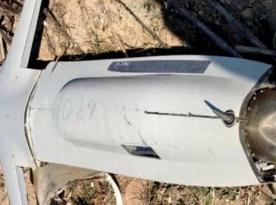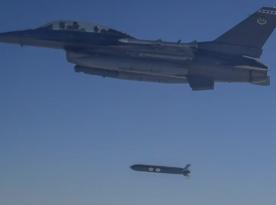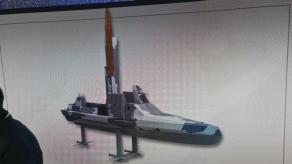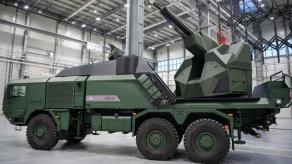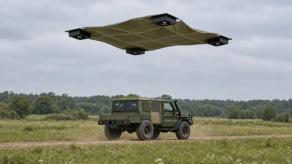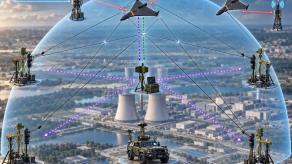
In response to russia’s use of jet-powered attack drones (such as the Geran-4) and low-cost cruise missiles (like the Geran-5), the German company Helsing—which supplies drones to Ukraine—has unveiled its CONTRA AI-controlled autonomous air defense system. Notably, the interceptors for this system are priced at under 100,000 euros.
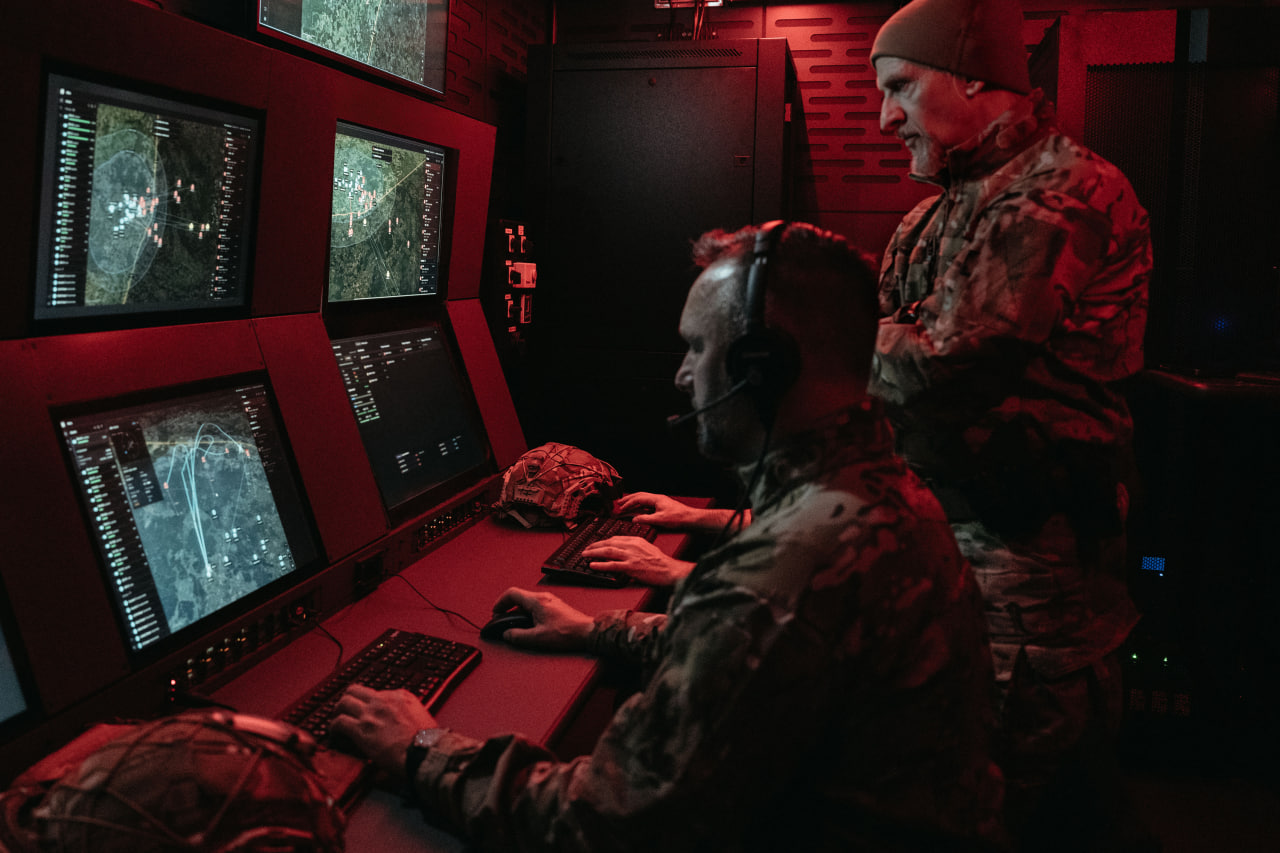
Company representatives announced this during a press briefing, as reported by hartpunkt. CONTRA serves as the "brain" of the air defense system, built upon Helsing’s Alrta military AI and C2 platform. It integrates data from radar, electro-optical, infrared, and acoustic sensorsfrom any vendor's sensors through open, published interfaces and is compatible with German national air defense architectures.
Read more: Starlink Problems Fuel Interest in Germany's HX-2 Drones, but Can Helsing Meet Ukraine's Demand?
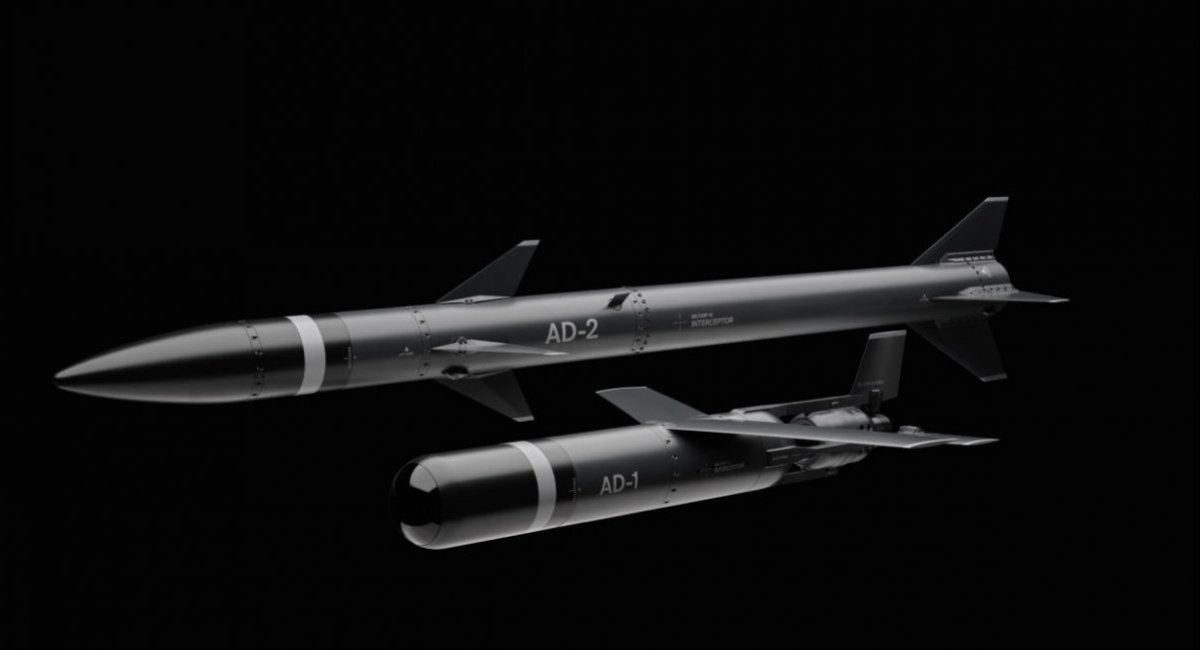
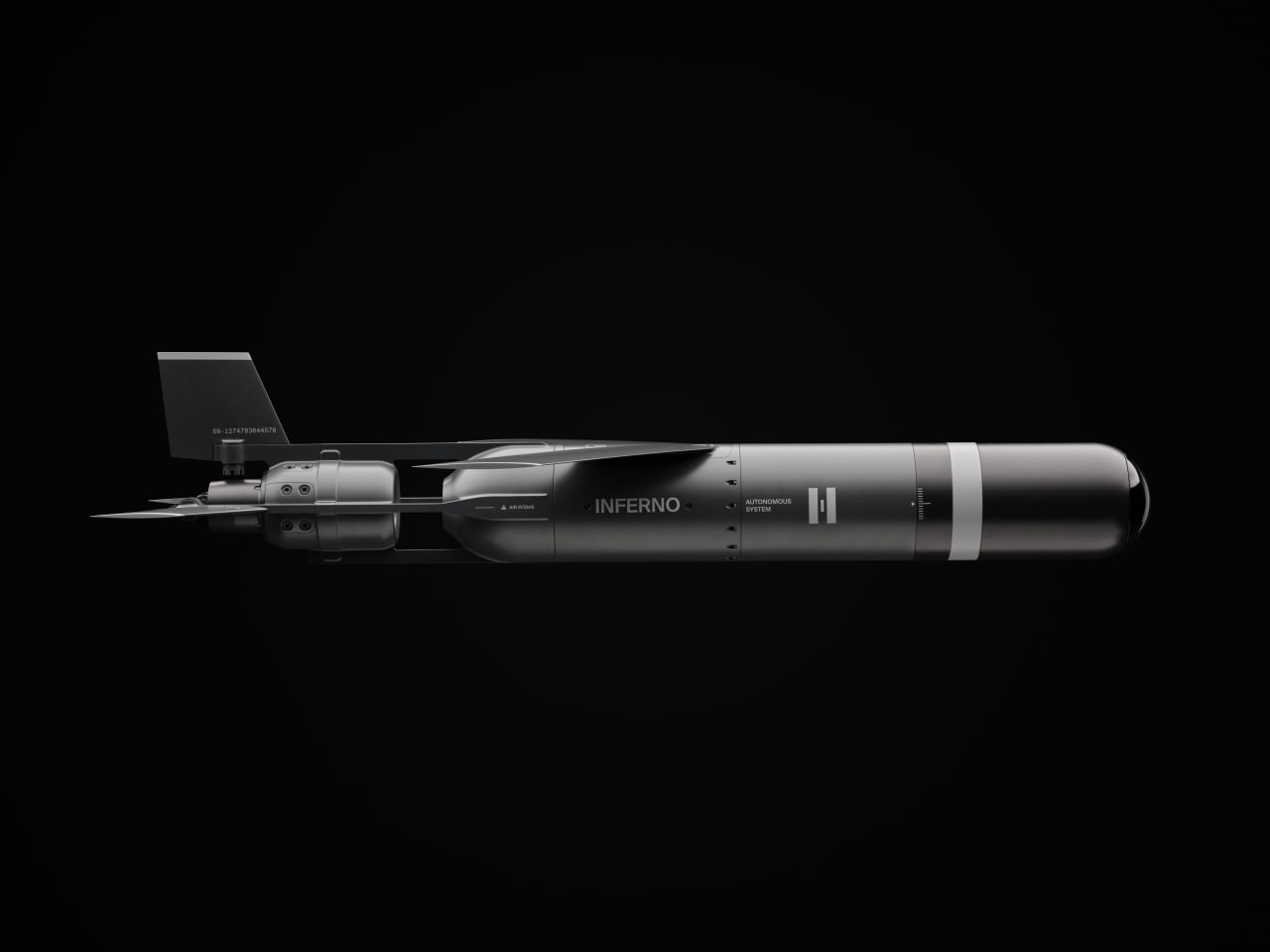
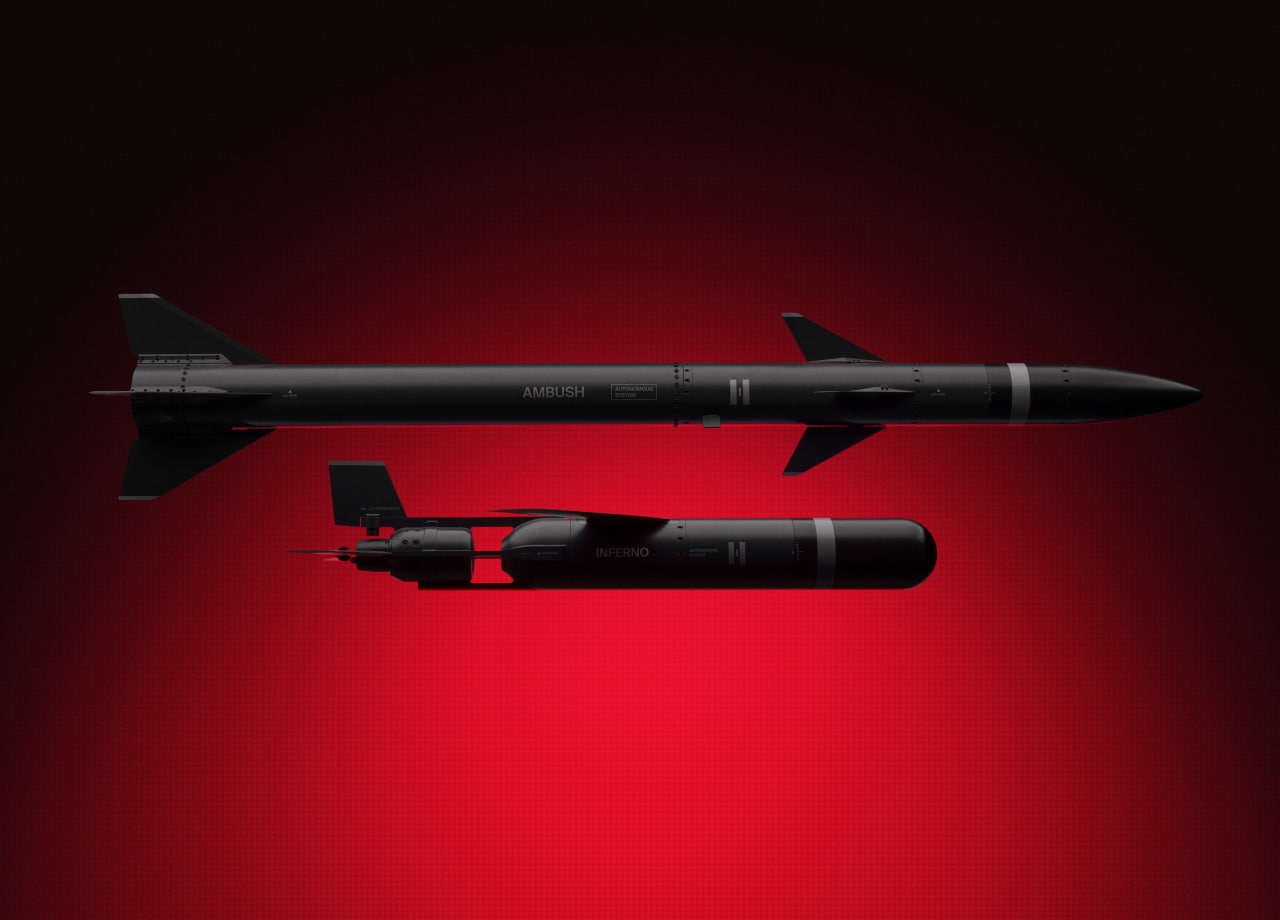
The system is designed to utilize two types of interceptors. The first is the AD-1 Inferno, which is powered by a turbojet engine. Capable of reaching speeds of up to 700 km/h, this interceptor can engage aerial targets at ranges of up to 20 km and altitudes of up to 9 km. It is stated that the jet propulsion system is intended to enable the platform to engage threats from approach vectors that offer a particularly high probability of interception, or—if necessary—to initiate a second approach or shift focus to a higher-priority target.
Another interceptor is the AD-2 Ambush, which is essentially a full-fledged surface-to-air missile powered by a solid-fuel rocket motor. Its maximum operational range and altitude are similar to those of the AD-1 Inferno, but it boasts a top speed exceeding 2,500 km/h—approximately Mach 2.5.
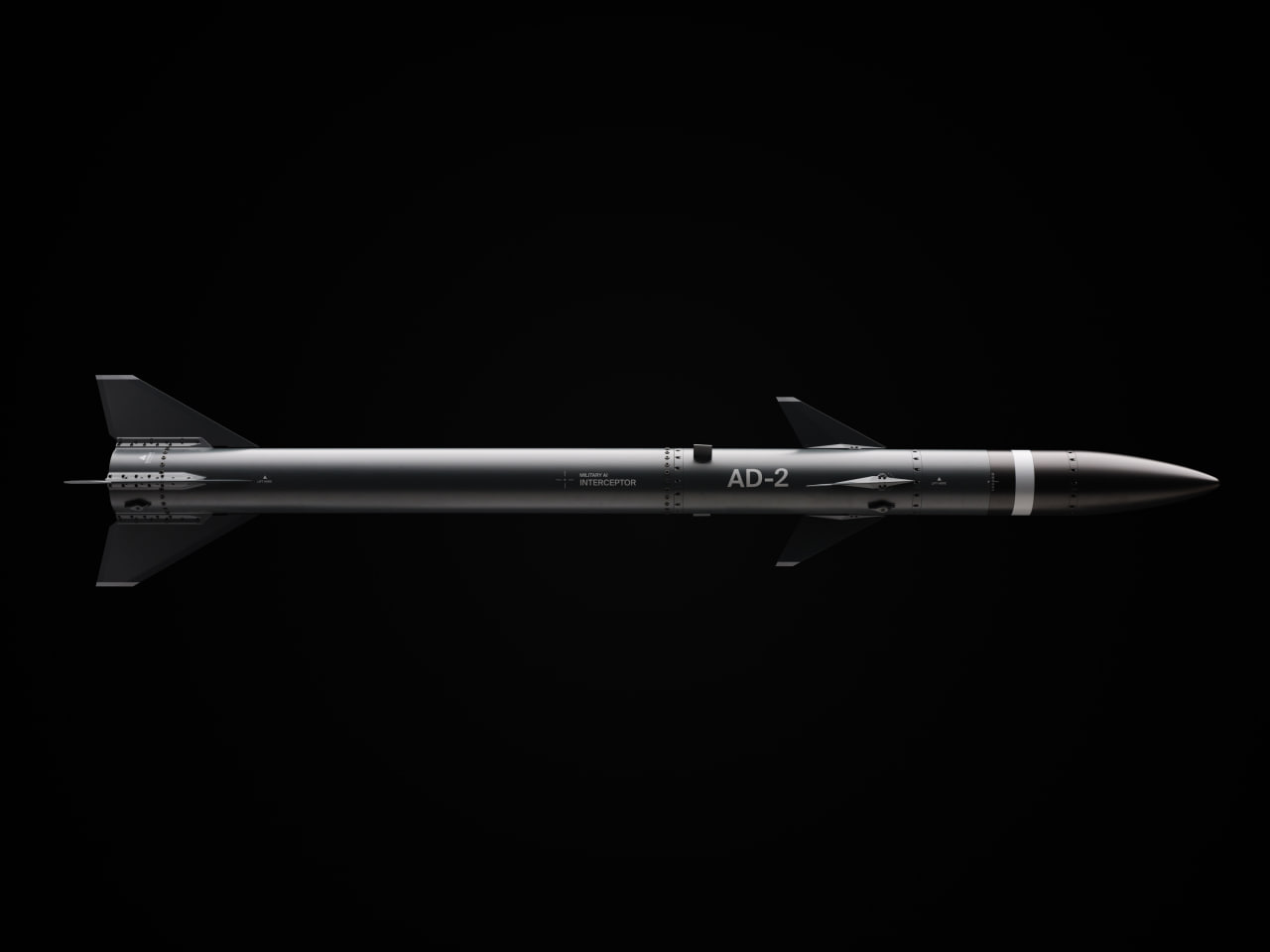
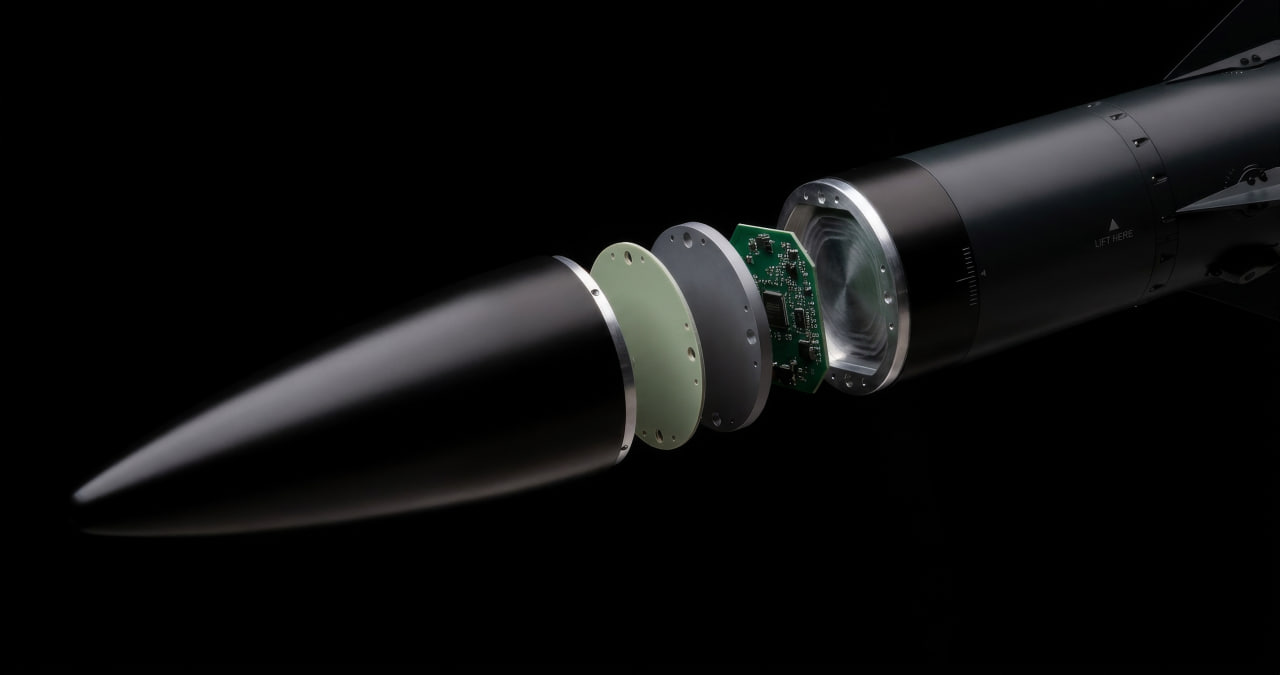
The interceptors can be transported in standard shipping containers; for instance, a 20-foot container (approximately 6 meters in length) can accommodate 20 AD-1 units or 40 AD-2 units. To intercept a target, the CONTRA system first transmits data to the interceptors, while the terminal guidance phase is handled by an onboard radar seeker. This seeker is reportedly a proprietary development by Helsing, costing only one-tenth as much as comparable systems with similar performance.
Furthermore, the company has developed both the jet engine and the solid-fuel rocket motor in-house. As a result, the cost for each interceptor is kept below $100,000 per unit. According to Helsing, the interceptors are manufactured using mass-produced components, the performance of which will be enhanced through artificial intelligence—much like the approach taken with the HX-2 AI Strike Drone.
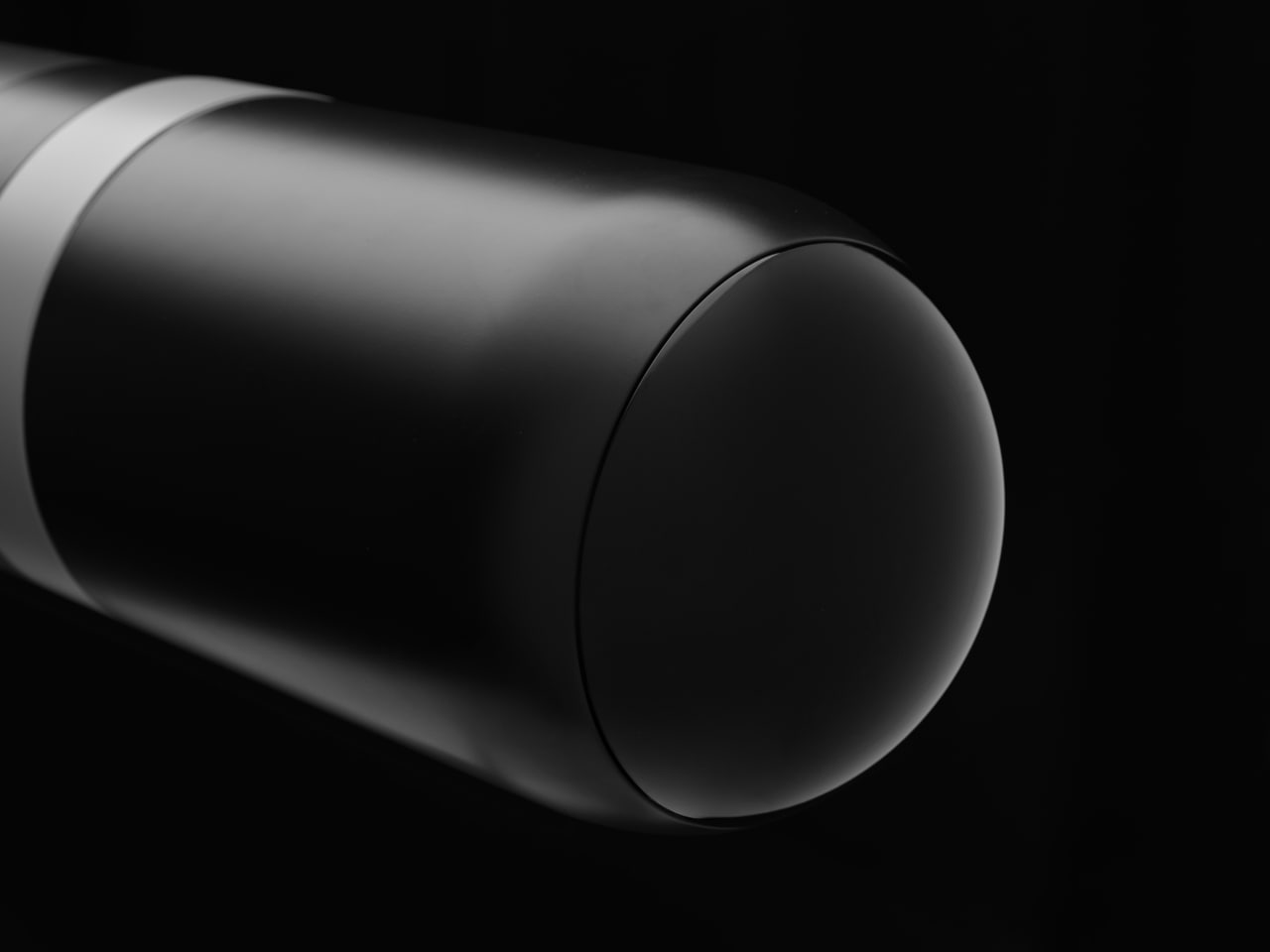
In this way, Helsing aims to fill a niche between air defense systems (using expensive missiles costing between €500,000 and €4 million) and low-cost anti-aircraft drones, which often lack sufficient flight speed. Furthermore, the company emphasizes that production relies entirely on ITAR-free components.
Overall, the majority of the components are of European origin. Currently, the AD-1 Inferno and AD-2 Ambush are in the early flight-testing phase. They are expected to reach the market in the second quarter of 2027.
Defense Express notes that the new CONTRA air defense system appears to be a highly promising development, potentially offering a cost-effective solution for countering russian jet-powered drones as well as low-cost missiles. It is quite likely that—as with other products by Helsing, such as the HF-1 and HX-2—these systems will be tested in Ukraine and potentially supplied to the Ukrainian Defense Forces.
It is worth noting that the specifications of the AD-1 Inferno interceptor are similar to those of the jet-powered interceptors currently being used in Ukraine to counter the Geran-4 and other jet-powered drones. At the same time, a significant distinguishing feature of the AD-1 Inferno is its use of a radar-based seeker, which could substantially enhance the interceptor's effectiveness compared to those currently in active service in Ukraine.
In terms of its specifications, the AD-2 Ambush rocket-powered interceptor may outperform Ukraine’s RK-19 missiles, which are designed for use with the Osa air defense system. Furthermore, its 9 km operational ceiling negates the advantage held by russian jet-powered drones—which can reach altitudes of 6-7 km, thereby rendering them beyond the reach of some air defense assets.
At the same time, it should be noted that the CONTRA air defense system is a developmental project; while testing is known to be underway, the level of effectiveness it will initially demonstrate on the battlefield remains to be seen. Additional time may be required to refine the system to a point where it can reliably intercept aerial targets. It is worth recalling that Helsing has previously refined its drones through an iterative process based on their performance on the front lines in Ukraine.
Defense Express encourages you to contribute to a fundraising campaign for technology already actively defending Ukrainian skies: the One United Fundraiser, organized by the Serhiy Prytula Charity Foundation to support interceptor drones.

Read more: Will Rheinmetall No Longer Produce Ruta Cruise Missiles Used by Ukraine as Destinus Teams Up With Helsing?