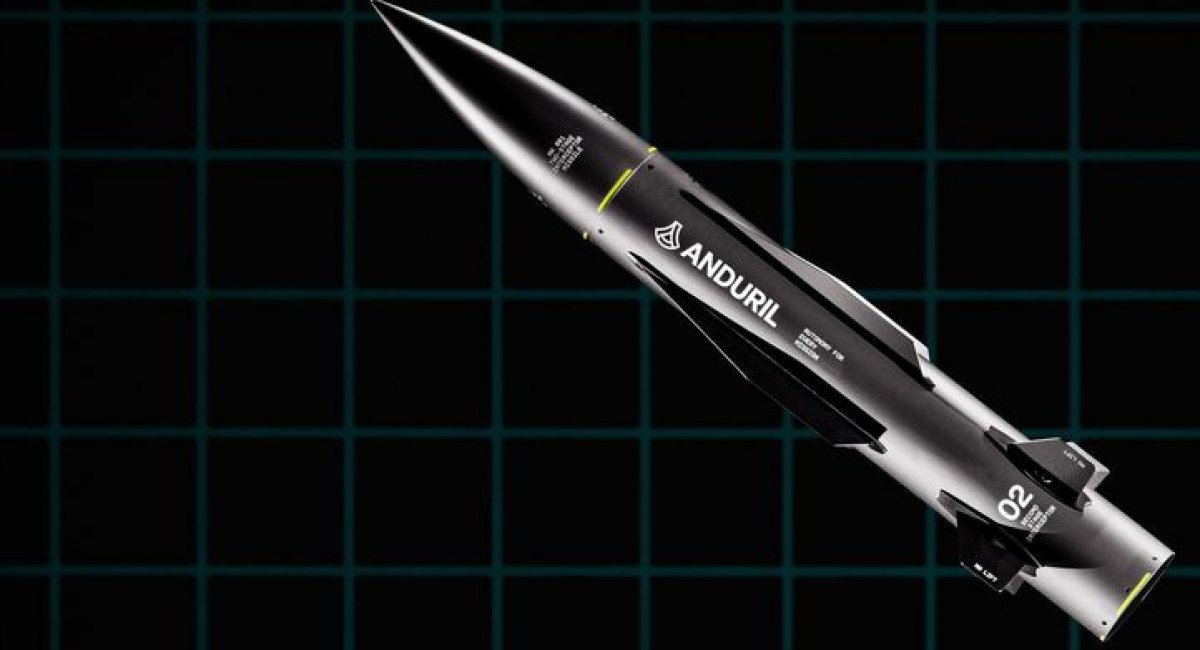
Anduril has introduced Steelfin, a new family of surface-to-air interceptor missiles designed around a modular architecture. The goal is to make the missiles affordable and available in large numbers for modern battlefields, where armed forces face a growing variety of threats.
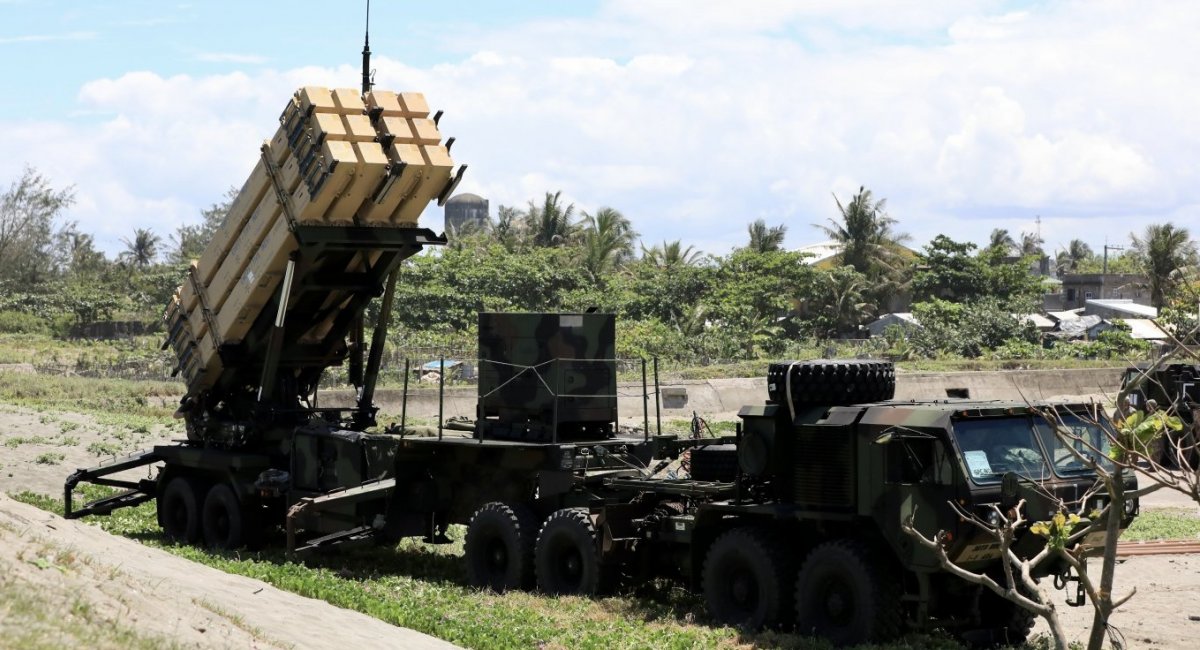
According to the company’s announcement, the missile features a two-stage architecture consisting of a booster and a terminal interceptor. It is designed for use with M903A2 launchers associated with the Patriot PAC-3 system, Mk 41 vertical launch systems, and Typhon launchers. The missile family could also be integrated into various systems, including the Aegis missile defense system.
Read more: After FP-7 Combat Debut Ukraine Awaits FP-9 Launch, U.S. Won't Have Own 1,000km HIMARS Missile Until Mid-2030s
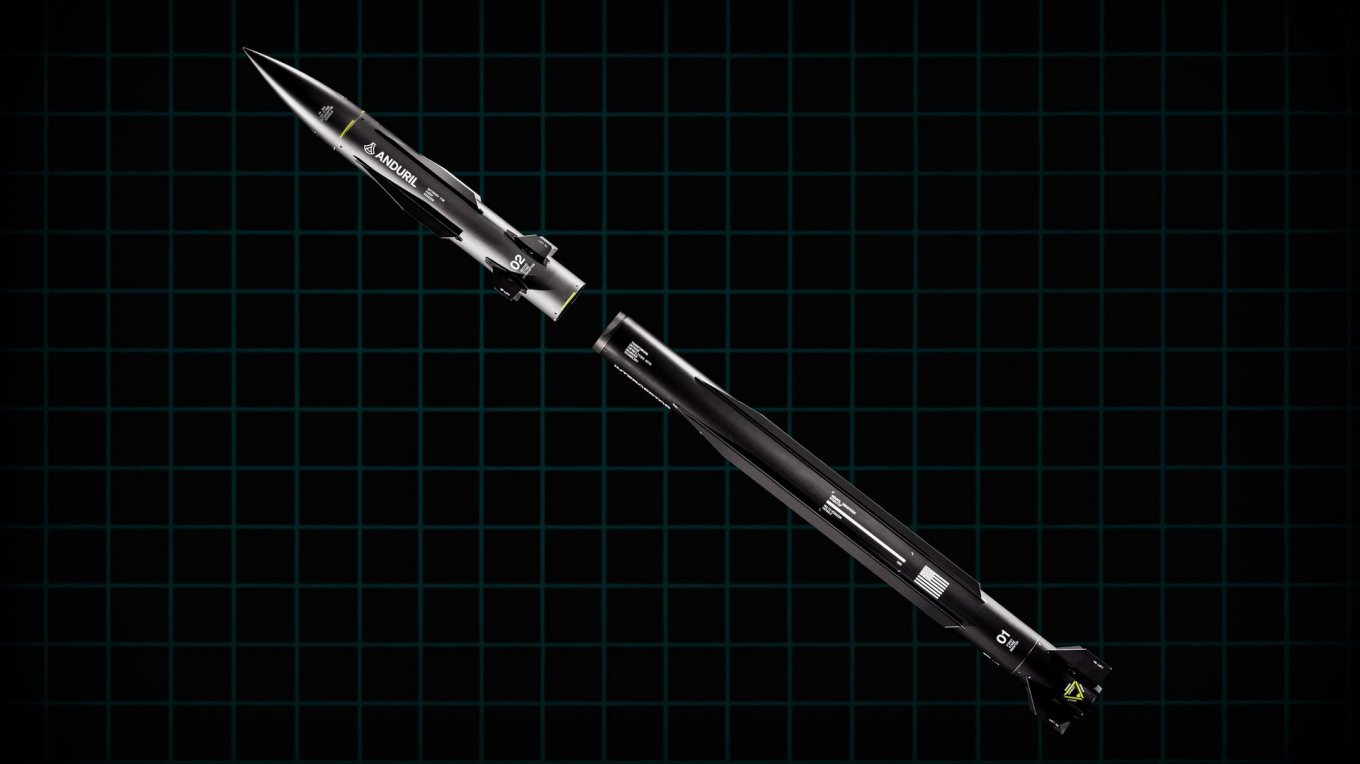
The first stage can incorporate different solid-fuel rocket boosters to meet specific operational requirements, including range and target type. The terminal interceptor, which serves as the second stage, uses a standardized architecture across all Steelfin variants. This includes a common airframe, avionics, software, flight-control system, and interfaces.
The modular design is intended to maximize commonality between variants, allowing components to be manufactured at the same industrial facilities. Anduril also says it plans to incorporate commercially available components to help simplify production and reduce costs.
Breaking Defense, citing Anduril executives, reports that the company has been working on Steelfin for several years. It aims to begin mass production in late 2028 or early 2029.
Anduril estimates production could range from thousands to hundreds of thousands of interceptors per year. The target price is just one-third that of a PAC-3 MSE missile, making Steelfin approximately three times cheaper. The company has already conducted ballistic tests using demonstrators and is preparing for flight tests of full-scale missile variants.
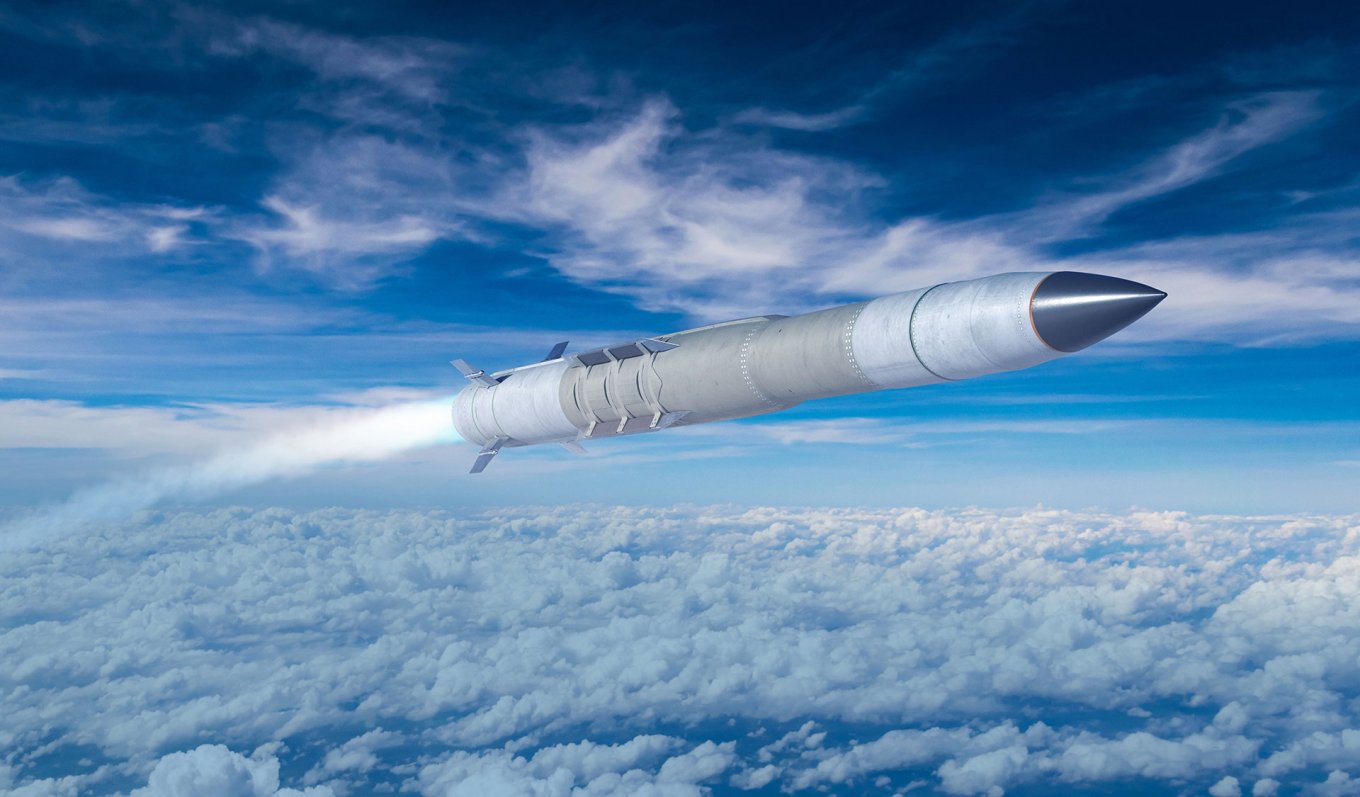
Steelfin is also competing in the US Army’s Low-Cost Interceptor (LCI) program, which seeks affordable interceptors capable of engaging aerodynamic and ballistic threats across different categories.
Breaking Defense also suggests that Anduril’s new missile could be a candidate for the Future Interceptor program, which is intended to replace the PAC-3 MSE. Anduril declined to comment on that possibility but said Steelfin would be a suitable fit for the program.
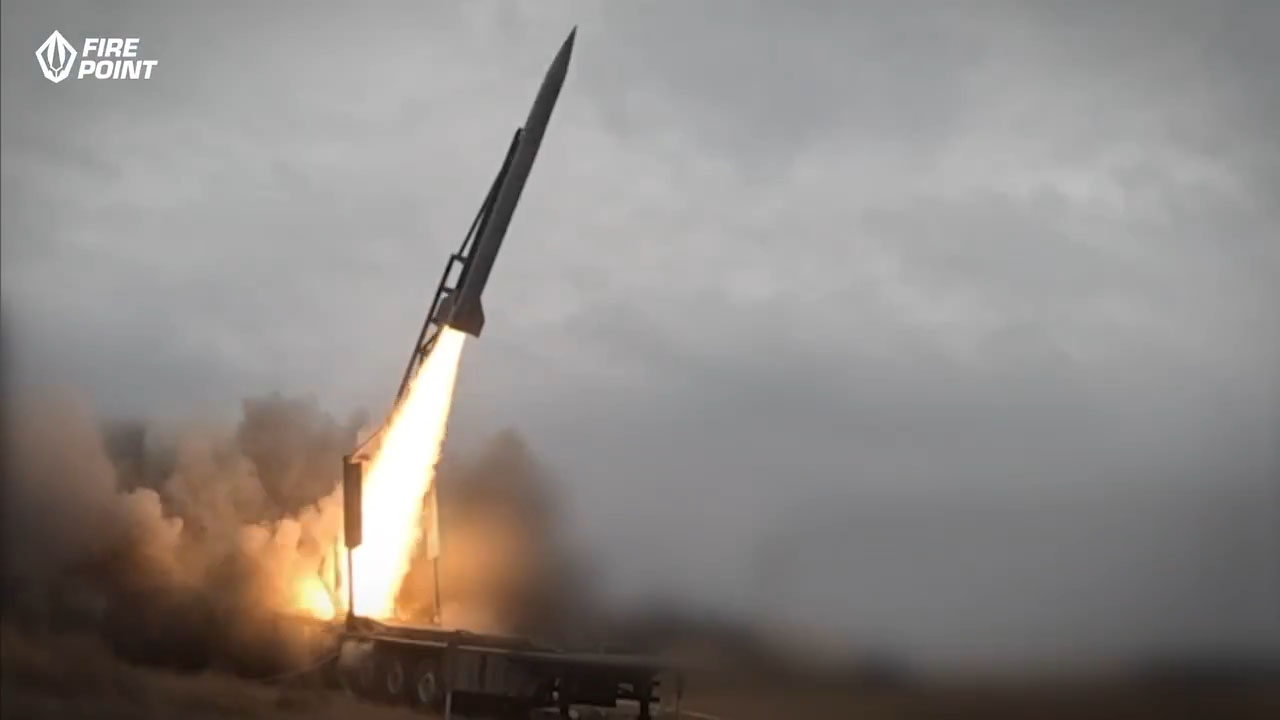
Defense Express notes that current air defense missiles face production constraints, while their high prices limit the number that countries can afford to order. As a result, several countries are pursuing cheaper alternatives that can be manufactured at scale. One example is Ukraine’s FREYJA interceptor project.
Standardizing missile designs could also simplify manufacturing and improve production efficiency. However, bottlenecks could still emerge around specialized components required for demanding tasks, such as high-precision interception of ballistic missiles.
It is important to note that, at this stage, Steelfin’s capabilities have not been independently confirmed beyond Anduril’s own announcements. The missile is competing in programs that already attract established industry players with substantial experience.
Nevertheless, Anduril has become a prominent defense contractor, with a portfolio extending beyond digital systems, communications equipment, and drones. The company is also developing lower-cost Barracuda cruise missiles and has recently expanded into large-scale shipbuilding.
From the Defense Express side, we urge readers to join a fundraiser for a solution that is already proving effective: the One United Fundraiser, organized by the Serhiy Prytula Charity Foundation to support interceptor drones.

Read more: Anduril's Barracuda-500 Missile Goes from Air to Ground: Why Is It Interesting for Ukraine