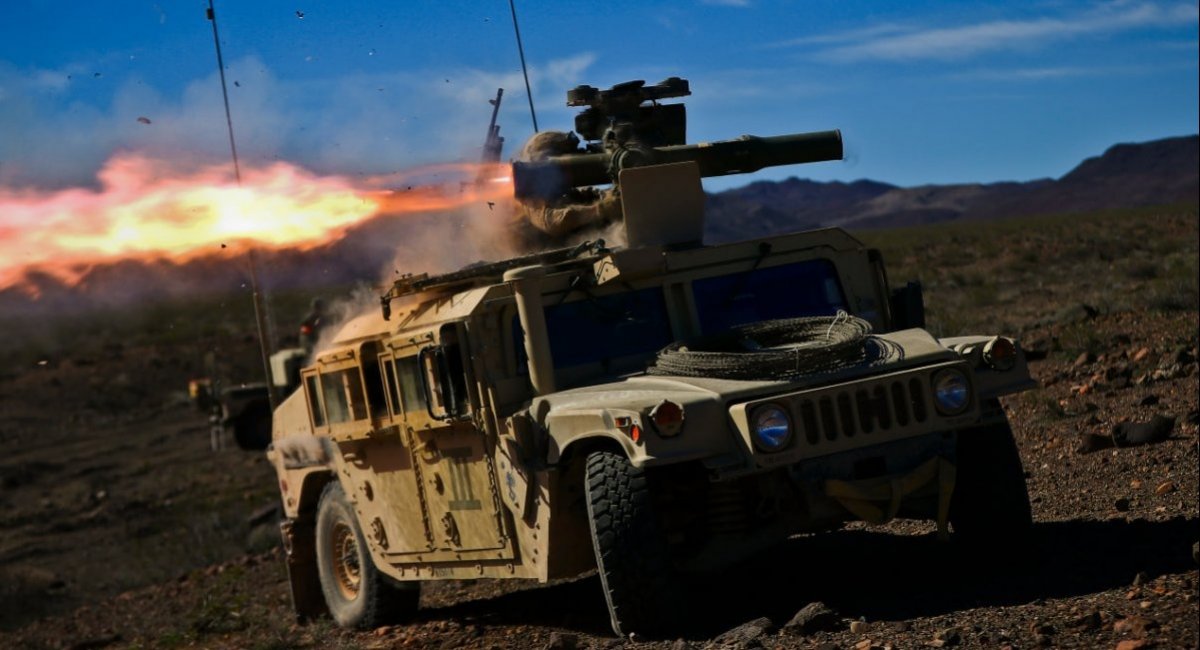
The BGM-71 TOW anti-tank missile system entered service with the U.S. Army in 1970 and has since been actively used around the world, including in Ukraine. Therefore, its production continues, despite the active development of strike UAVs to defeat armored vehicles
The American Raytheon (part of RTX) has received another $ 536 million to the contract for full-scale production and related services. Now the total cost of the project agreement is $ 750.8 million.
Read more: Javelin Gets a Lighter Launcher: LWCLU Delivered to U.S. Army — 25% Less Weight, Double Detection Range
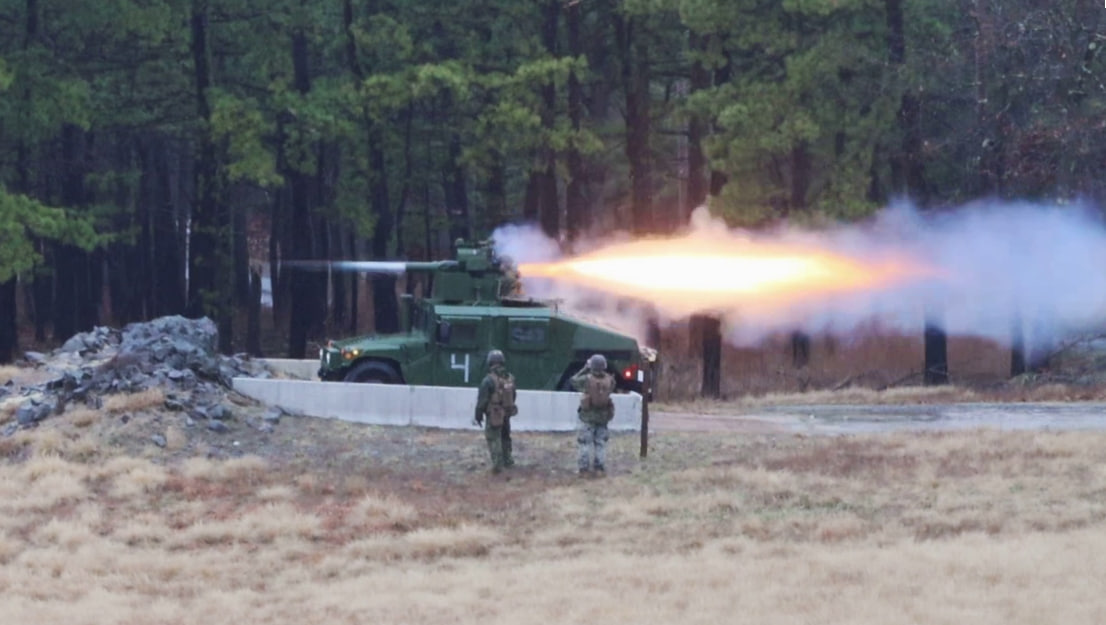
The work will be carried out at the company's facilities in Tucson, Arizona and should be completed by approximately August 31, 2027. The customer is the U.S. Army Contracting Command, located at the Redstone Arsenal, Alabama.
Defense Express notes that in this way the production of this anti-tank system and support for its operation continue. Given the structure that awarded the contract and the lack of other mentions, most likely the products and services will go into service with the U.S. Army.
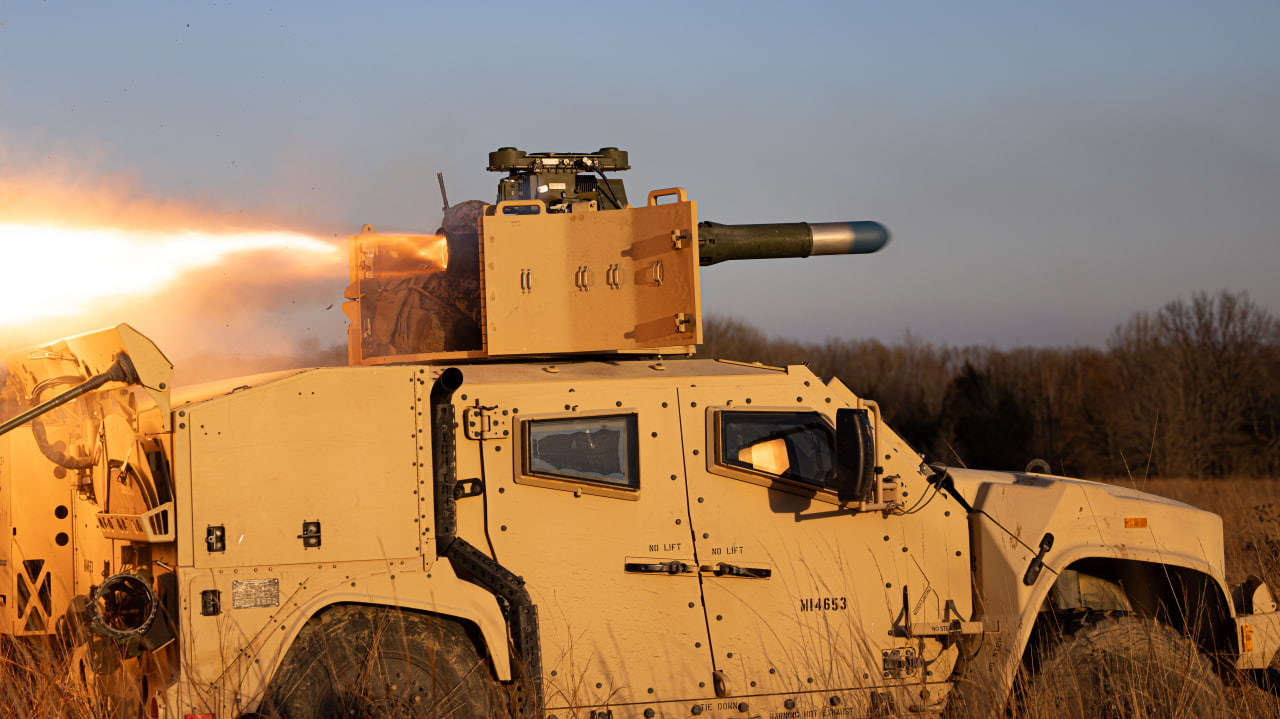
In general, the order for the TOW ATGM may now seem rather strange, given that the U.S. military has been using it for 56 years, although it is worth noting that a modern version is currently being produced, and the system has undergone several upgrades. However, this ATGM still uses command guidance along the line of sight, where the operator must hold the target until the missile hits.
At the same time, the U.S. already has Javelin ATGMs, which have proven themselves well in Ukraine and continue to be modernized. At the same time, they rely on the "fire and forget" principle, which reduces the risks for the operator.
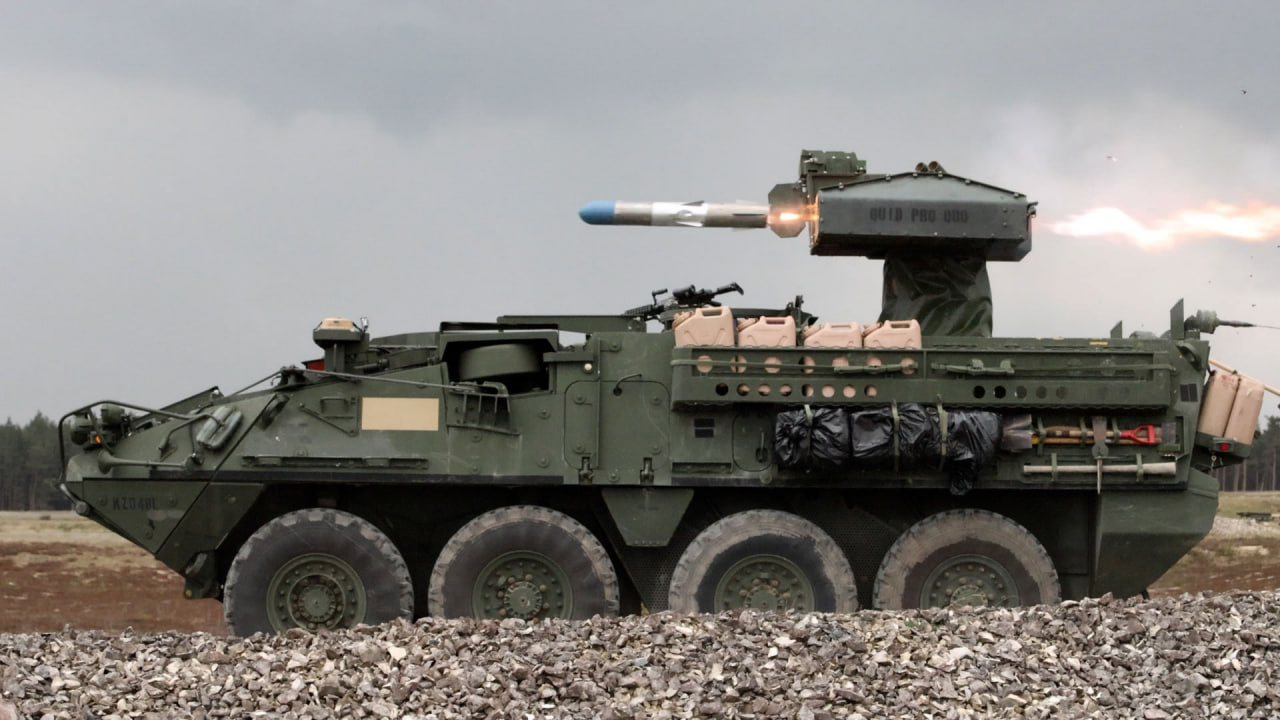
However, TOW offers something different – a cheaper cost of the missile while being able to hit targets at a distance of up to 3.75-4.5 km, depending on the version and a powerful warhead.
They are also already integrated into a large number of vehicles, such as the Stryker wheeled armored personnel carriers and Bradley infantry fighting vehicles in the U.S. Army arsenal, so it makes sense to purchase more of these guided missiles. Although the question still remains given the development of FPV drones, which on the battlefield of the russia-Ukraine war have practically replaced ATGMs.
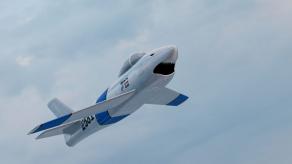
Recall that the US is working on creating a successor to TOW - CCMS-H (Close Combat Missile System – Heavy), detailed requirements for which were announced back in 2022. It is planned to deploy it in the troops in 2028-2032, but no new details have appeared in the public domain since then. We can just mention the Coyote LE SR UAV, which can be launched from a TOW launcher without additional modifications.
Read more: Javelin Countered russian Armor, and Demand for This ATGM Grows Even in Era of Drones